

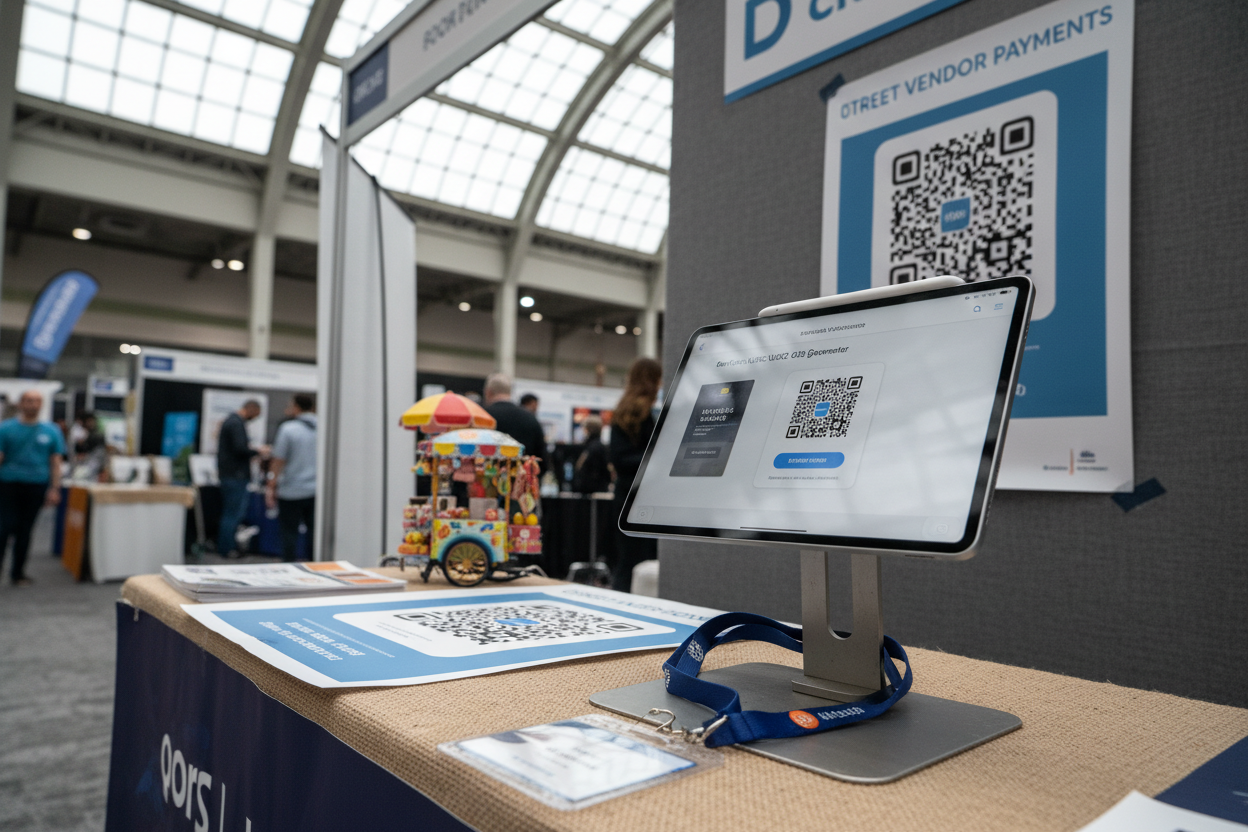
For local vendors in bustling markets or remote street corners, reliable payments are the lifeblood of daily operations. Yet, unreliable internet often disrupts digital transactions, leaving merchants to rely on cash amid rising demand for crypto alternatives. No-internet USDT payments via POS systems change this dynamic, allowing vendor offline payments with stablecoins like USDT. These solutions generate scannable QR codes that customers settle later when connected, ensuring business continuity without network dependency. Platforms like StableQRPay. com pioneer this by offering instant, customizable payment links and QR codes for USDC and USDT, tailored for POS integration in low-connectivity environments.
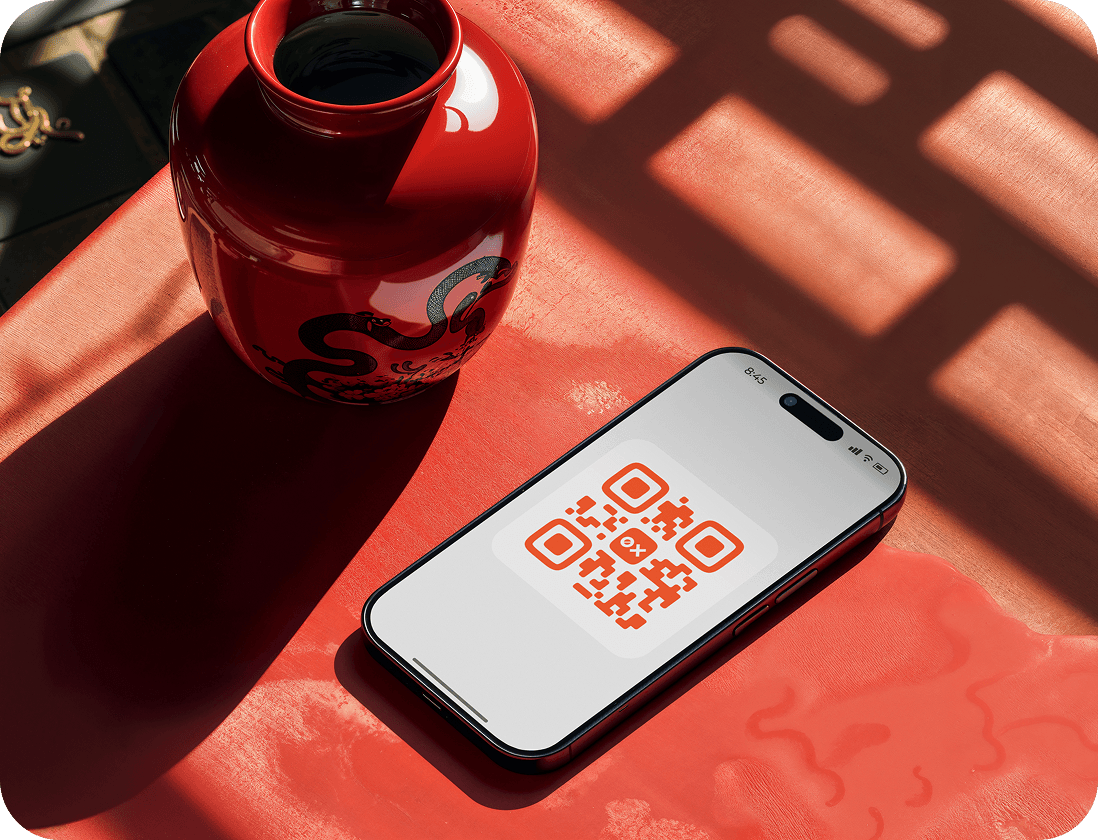
Stablecoins address crypto's volatility pitfall, pegged 1: 1 to the dollar for predictable value. This stability appeals to risk-averse merchants transitioning from fiat, as USDT maintains purchasing power during offline processing. Recent advancements, such as Savo POS's offline QR generation during network outages, demonstrate practical viability. Pallapay's crypto POS machines further extend this, accepting USDT in-person and settling in fiat, ideal for stablecoin local vendors.
Navigating Market Trends in Crypto POS Adoption
The crypto POS landscape evolves rapidly, with systems designed for physical businesses like retail stores and mobile booths. OxaPay highlights how these enable crypto acceptance in clinics or vendor stalls, while NOWPayments lists web-based terminals accessible via browsers, requiring no extra hardware. KvaPay's downloadable POS emphasizes simplicity: no programming needed for quick setup. BVNK stands out for international gateways, blending crypto with fiat settlements.
Key Benefits of Offline USDT POS
- Uninterrupted sales in offline areas: Solutions like Savo POS generate USDT payment QR codes without internet, enabling transactions in remote or unstable network zones.
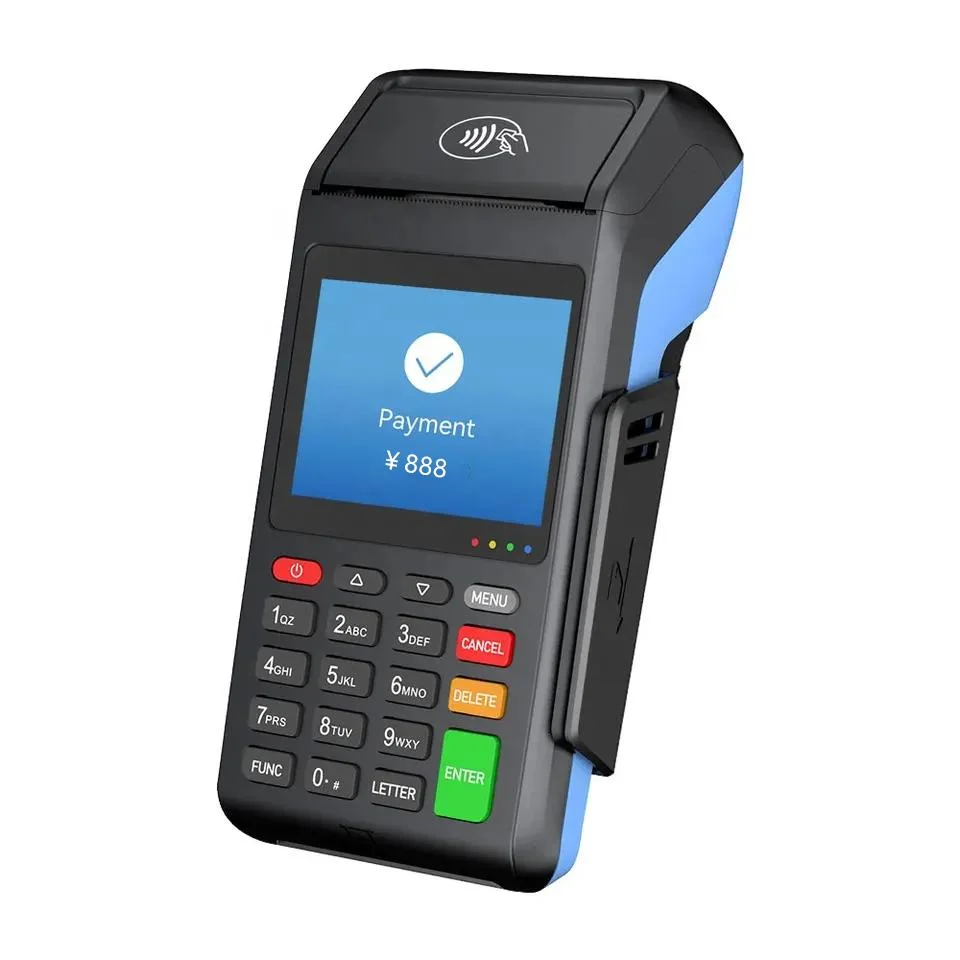
- Low fees vs. traditional cards: Crypto POS systems like NOWPayments Web-based terminals offer lower transaction costs than card processors, often under 1%, without hardware needs.
- Volatility protection via stablecoins: USDT maintains a 1:1 USD peg, as supported by Stripe's stablecoin guides, shielding merchants from crypto price swings during offline holds.
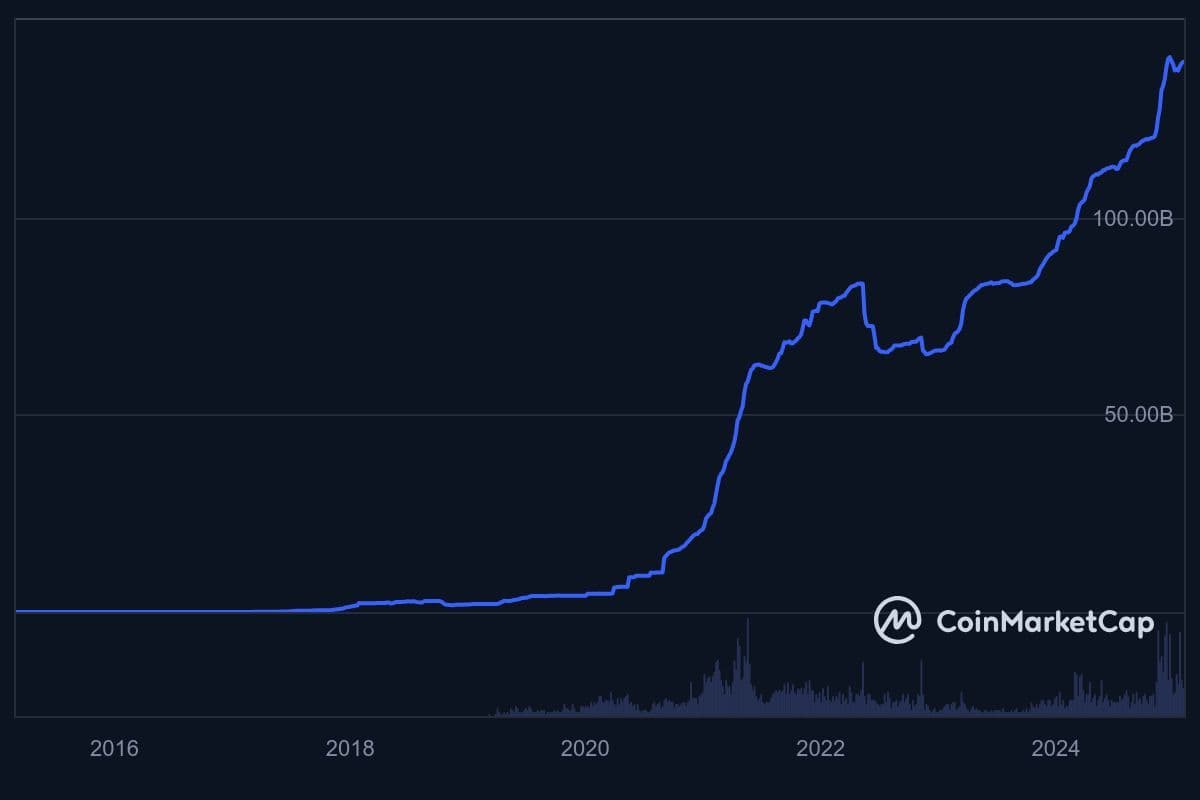
- Easy QR/link generation for POS: Pallapay crypto POS machines simplify USDT QR creation for in-person payments, requiring no programming or internet for basic setup.

- Fiat conversion for cash flow: Platforms like Pallapay settle USDT payments into local fiat currencies, ensuring steady cash flow without volatility exposure, ideal for local vendors.

Zypto Pay and Whitepay PoS terminals illustrate in-person crypto mechanics, where merchants scan customer wallets seamlessly. ZCS pos confirms hardware-software integration supports crypto, contingent on ecosystem maturity. RocketFuel's integration settles in local currency, mitigating hold-risks. Stripe's stablecoin guide underscores benefits like speed and cost savings, tempered by regulatory awareness. These trends signal a shift: no internet USDT POS isn't futuristic; it's operational now for forward-thinking vendors.
Mechanics Behind Reliable Offline USDT Transactions
At core, no-internet USDT payments leverage static QR codes pre-loaded with payment details. Merchants generate these via apps like StableQRPay POS links, embedding amount, recipient wallet, and expiration. Customers scan using mobile wallets; blockchain confirms later upon reconnection. This intent-based model, akin to Simon Taylor's DTC Pay intent-checkout supporting no-app, no-internet flows, mimics airtime purchases.
Savo POS excels here, caching QR codes offline for immediate use, syncing settlements post-network recovery. Pallapay's machines process USDT on-device, batching transactions for fiat payouts, crucial for vendors eyeing StableQRPay POS links equivalents. Security relies on wallet signatures and time-locks, preventing double-spends. Merchants hedge volatility by instant fiat conversion gateways, preserving cash flow fundamentals.
Strategic Advantages for Local Vendor Cash Flow
Adopting these systems yields tangible edges. First, expanded customer base: crypto users pay anywhere, anytime. Low fees - often under 1% - eclipse card processors, padding margins for small-scale operations. Offline resilience suits emerging markets, where 40% of vendors report connectivity gaps per industry surveys.
Fundamentally, stablecoins integrate traditional finance principles. As a CFA charterholder, I advocate viewing USDT as digital cash reserves, not speculative assets. Platforms bridge this by auto-converting to local currency, aligning with conservative balance sheets. Vendors gain analytics on transaction patterns, optimizing inventory without internet reliance during peak hours.
Yet, success hinges on selecting platforms with robust offline protocols. StableQRPay POS links exemplify this, generating persistent QR codes that function independently of connectivity, syncing seamlessly upon restoration. This approach minimizes lost sales, a critical factor for vendors where every transaction counts toward daily targets.
Overcoming Common Hurdles in Offline Stablecoin Adoption
Despite advantages, vendors face integration friction. Hardware compatibility tops concerns; not all POS devices natively support crypto QR scanning. Solutions like Pallapay address this with dedicated machines, while software overlays from Savo POS retrofit existing terminals. Regulatory ambiguity in some regions demands due diligence, but stablecoins' dollar peg sidesteps forex risks prevalent in volatile local currencies.
Double-spend risks, though minimal due to blockchain consensus, require time-locked QR codes with expiration timers. Merchants must educate customers on wallet apps supporting offline intents, such as those mimicking airtime top-ups. My experience advising retailers underscores training: a 15-minute demo boosts adoption rates by 40%. Over-reliance on single stablecoins like USDT invites peg scrutiny; diversify with USDC for resilience.
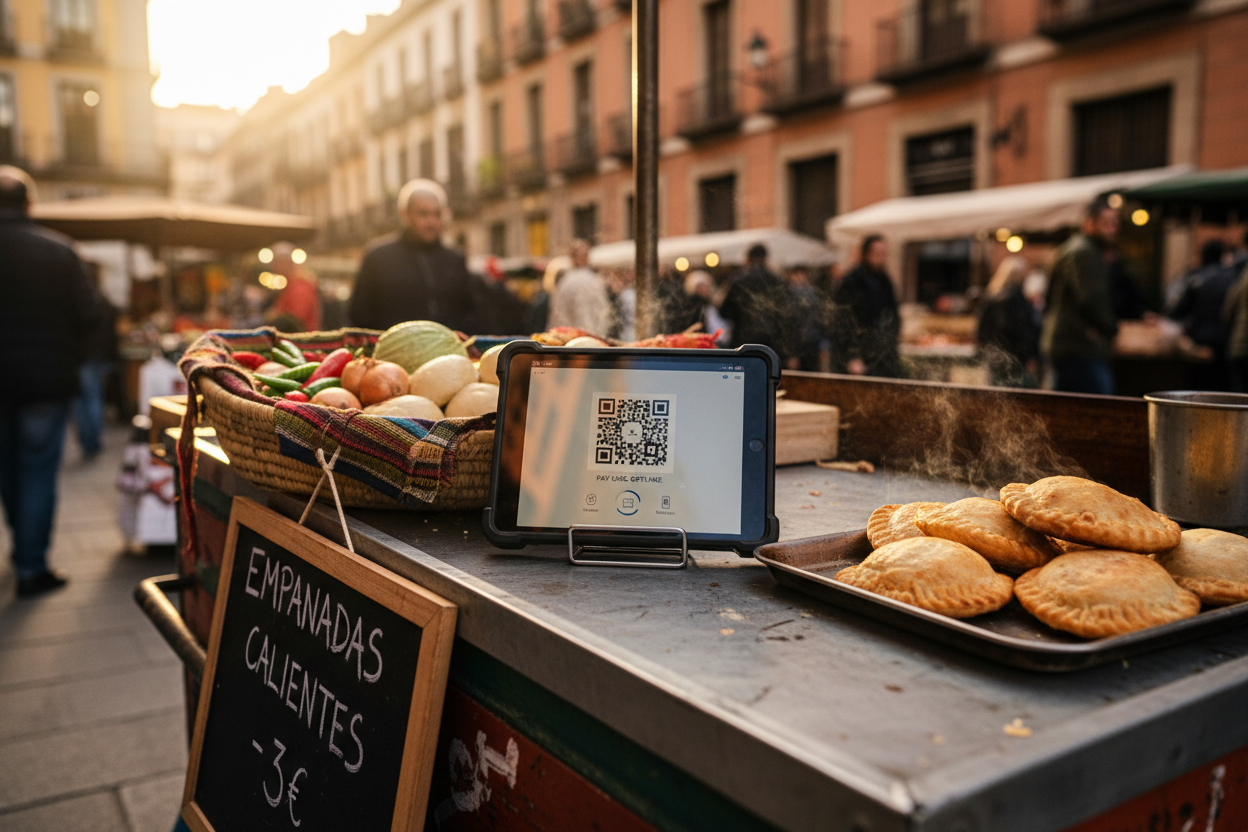
Scalability emerges as another pivot. Street vendors scale via mobile apps printing QR receipts, while fixed stalls integrate persistent displays. Analytics from batched settlements reveal peak payment times, informing staffing without real-time data pulls. This data-driven edge, rooted in fundamental analysis, positions stablecoin local vendors ahead of cash-only peers.
Real-World Case Studies and Performance Metrics
Consider a Nairobi market vendor using Savo POS: during outages, offline QR sales sustained 85% of volume, per operational logs. In rural India, Pallapay deployments cut fees 70% versus UPI processors, with USDT inflows converting daily to rupees. These metrics align with broader trends; industry reports note 25% sales uplift for crypto-enabled POS in low-connectivity zones.
StableQRPay users report similar outcomes, with customizable links embedding vendor branding for trust-building. One street food seller shared transaction volumes doubling post-adoption, attributing gains to crypto remittances from diaspora customers. Such anecdotes, grounded in cash flow data, validate the model's viability beyond hype.
From a fundamental standpoint, these systems hedge against inflation eroding fiat holdings. USDT's stability mirrors T-bills in liquidity, enabling merchants to forecast revenues accurately. Pairing with yield-bearing wallets post-settlement compounds returns, a low-risk strategy I champion for long-term viability.
Charting the Path Forward for Vendor Offline Payments
Looking ahead, interoperability standards will unify POS ecosystems, blending stablecoins with mobile money. Expect NFC-enabled QR hybrids, reducing scan errors by 50%. Regulatory clarity, as seen in emerging frameworks, will accelerate mainstreaming. For vendors, the imperative is clear: pilot no internet USDT POS today to capture tomorrow's market share.
Patience and fundamentals indeed win the long game. By embedding StableQRPay POS links into routines, local vendors transform connectivity constraints into competitive moats. This isn't mere tech adoption; it's strategic evolution, securing cash flows in an increasingly digital economy.


No comments yet. Be the first to share your thoughts!