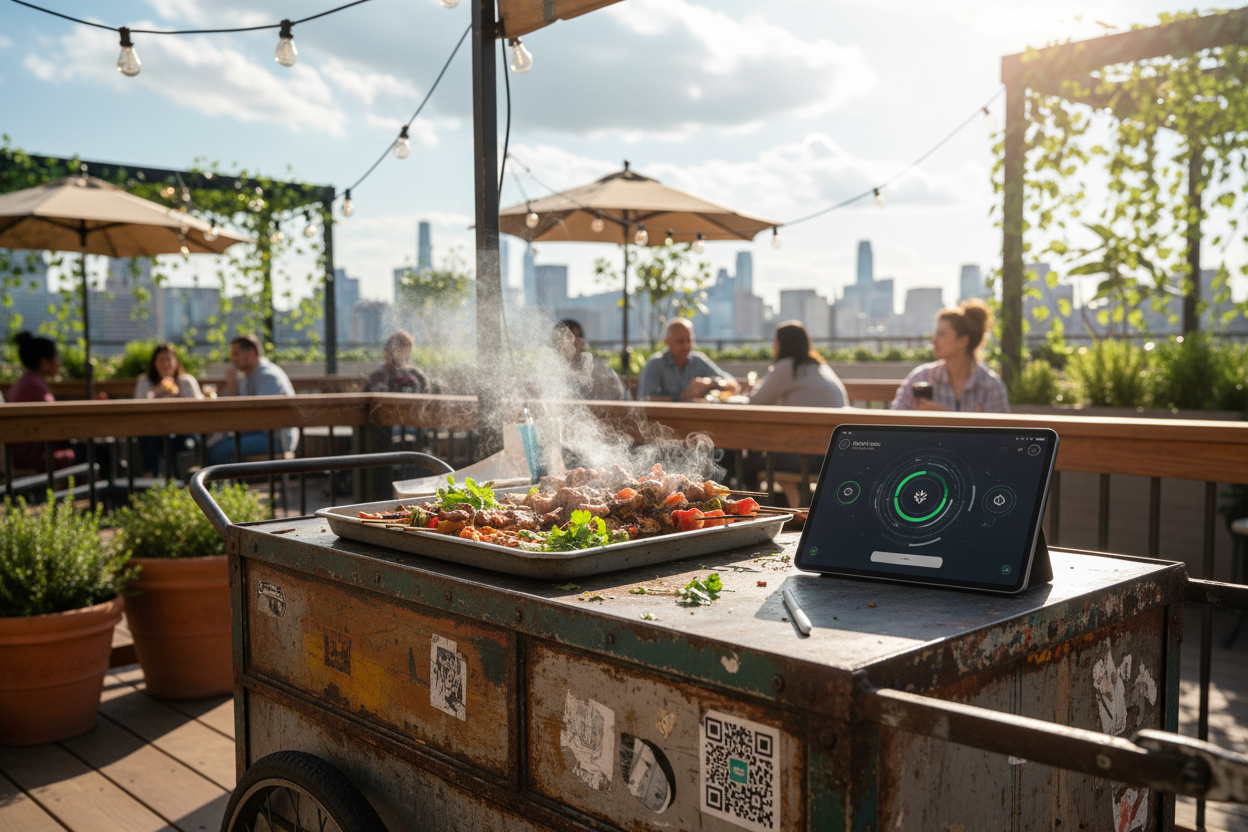
Street food carts line bustling markets and corners, dishing out sizzling tacos and fresh falafel to hungry crowds on the move. Yet, payment snags often slow the line, especially with spotty internet plaguing mobile setups. Enter offline POS integration for USDC payments, a practical leap that lets vendors accept stablecoin scans via QR codes without constant connectivity. Platforms like StableQRPay. com make this seamless, generating instant payment links for USDC that customers zap from their wallets, even offline, syncing later for reliability.
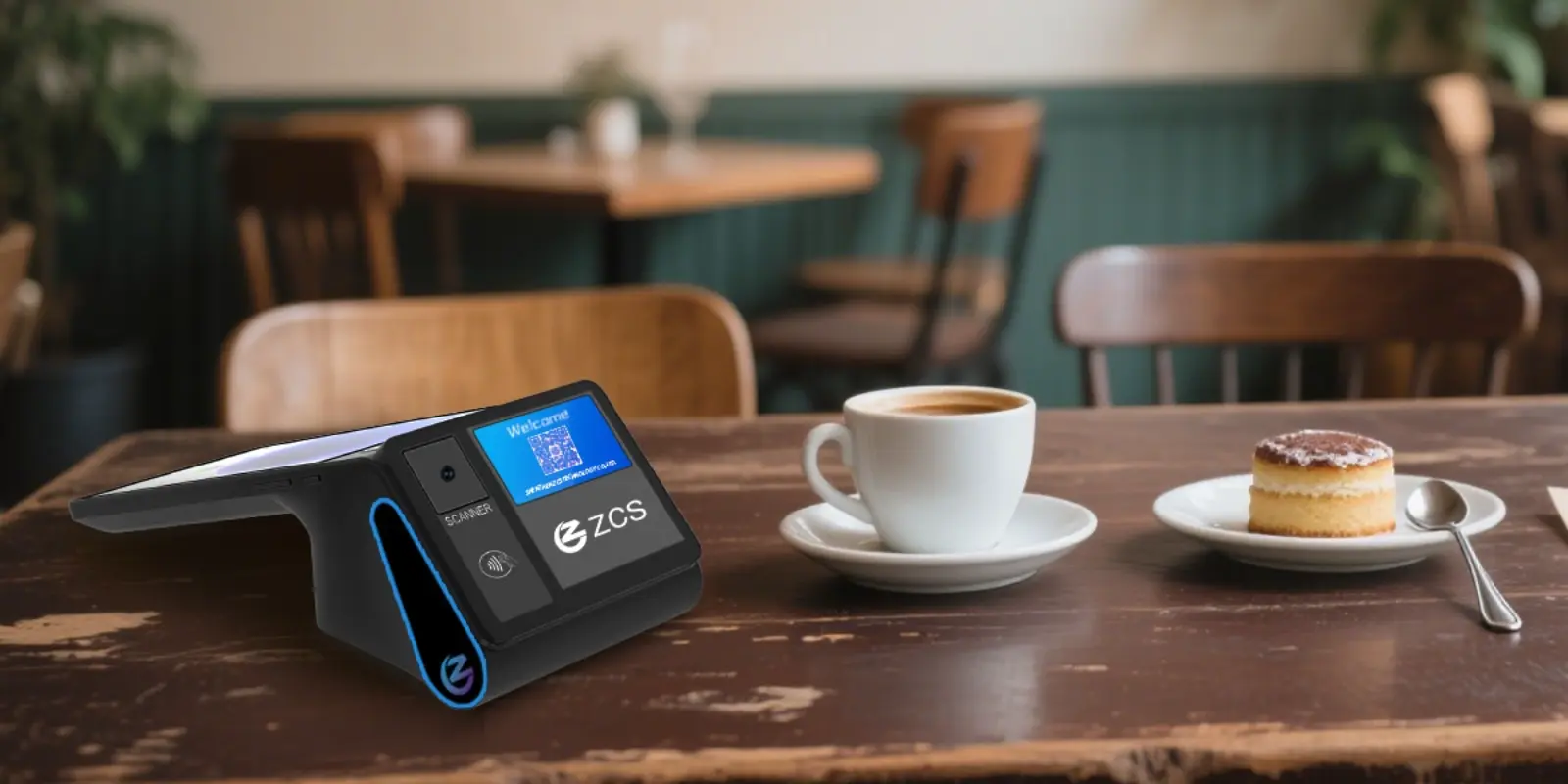
This shift aligns with rising demands from tech-savvy eaters who carry crypto wallets alongside cash. Drawing from market scans, systems like PAYSYS and Payflex shine for food trucks with weather-resistant terminals and offline modes, but layering USDC elevates them. Vendors save up to 70% on fees versus cards, as noted in ledger1. ai insights, while dodging volatility through USDC's dollar peg. In my view, honed over 12 years guiding merchants, this balances speed and security for street food USDC POS offline ops.
Why Traditional Mobile POS Falls Short for Carts
Food carts thrive on agility, parking anywhere from festivals to side streets, but legacy POS gear stumbles here. Sources like ZCS pos highlight needs for long battery life and durability in their 2025 guide, with models like Z92 handling NFC yet craving stable links. Pinpoint Payments stresses offline sync capabilities, vital when hotspots fail. Toast and Square offer offline card swipes, per their docs, yet crypto integration lags, forcing dual systems that complicate inventory and menus.
Consider Paycron's LA-focused solutions: NFC and QR support speeds checkouts, but fiat focus misses crypto's low-fee edge. Reddit threads on Instamenu praise zero-fee POS for trucks, yet none natively bake in stablecoins like USDC. Operators juggle cash, cards, and digital wallets, risking errors amid rushes. Quantic POS for 2026 touts tap-to-pay and QR, but without blockchain bridges, carts forfeit global reach. This patchwork erodes margins; fees nibble 3-5%, while USDC hovers stable, enabling QR code stablecoin carts to pocket more.
Unlocking USDC's Stability in Volatile Street Sales
USDC stands out for carts because it mirrors the dollar without exchange drama. Unlike bridged variants dipping to $0.0187 on Fantom networks, core USDC maintains peg integrity, ideal for pricing burritos at exact values. Updated contexts from February 2026 show growing POS explorations into crypto, with Unidiner and Goodfynd enabling offline transactions that sync post-reconnect. Epos Now adds analytics, but StableQRPay. com uniquely tailors QR links for USDC, USDT, fitting POS without heavy lifts.
Drive Point of Sale notes QR ordering boosts visibility, shareable online to lure crowds pre-arrival. For offline merchant USDC, this means pre-generating codes for fixed or dynamic amounts, scanned instantly. Customers love it: no apps, just wallet zap. Vendors gain from low fees and borderless appeal, drawing tourists with crypto. My portfolio experience underscores medium-term wins; liquidity in USDT pairs informs USDC choices, reducing settlement risks. Balance here means pairing durable hardware with blockchain smarts, not betting the farm on one.
Essential Hardware and Software Matches for Seamless Integration
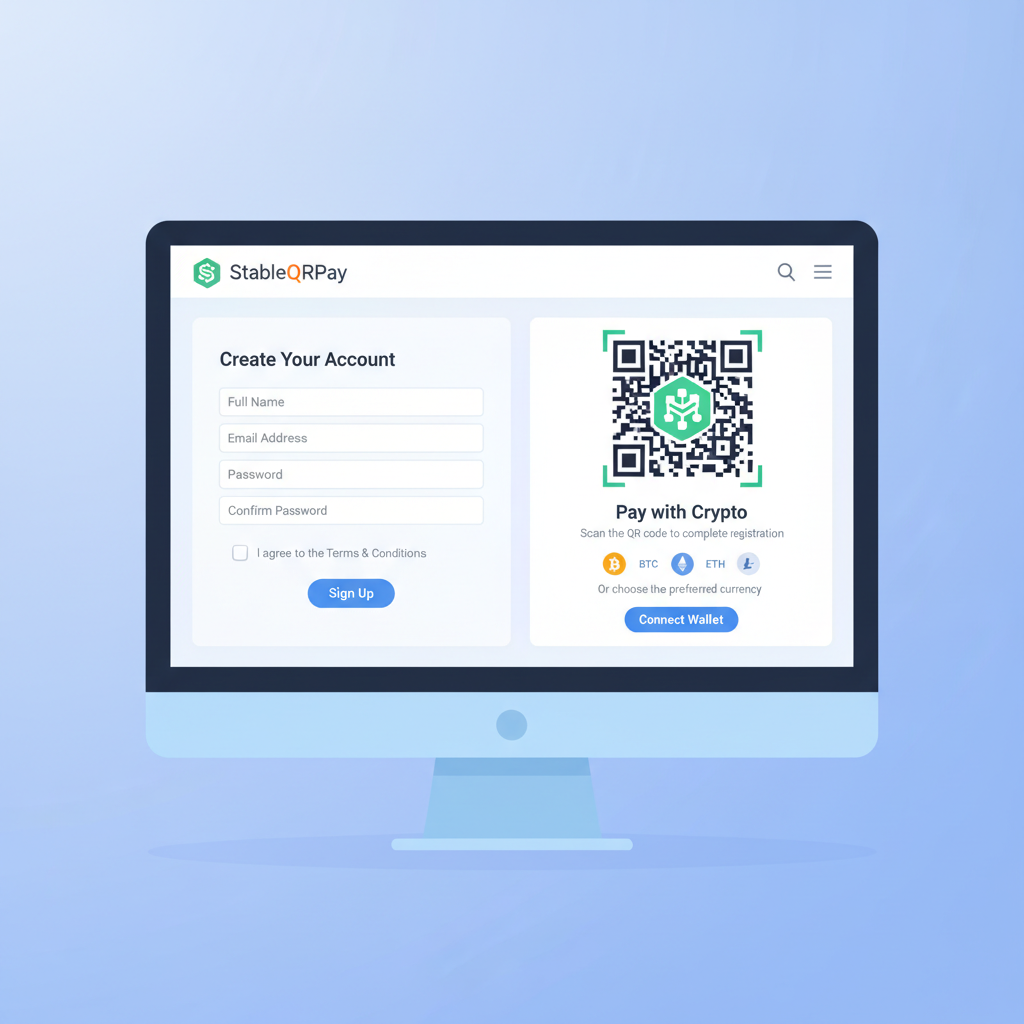
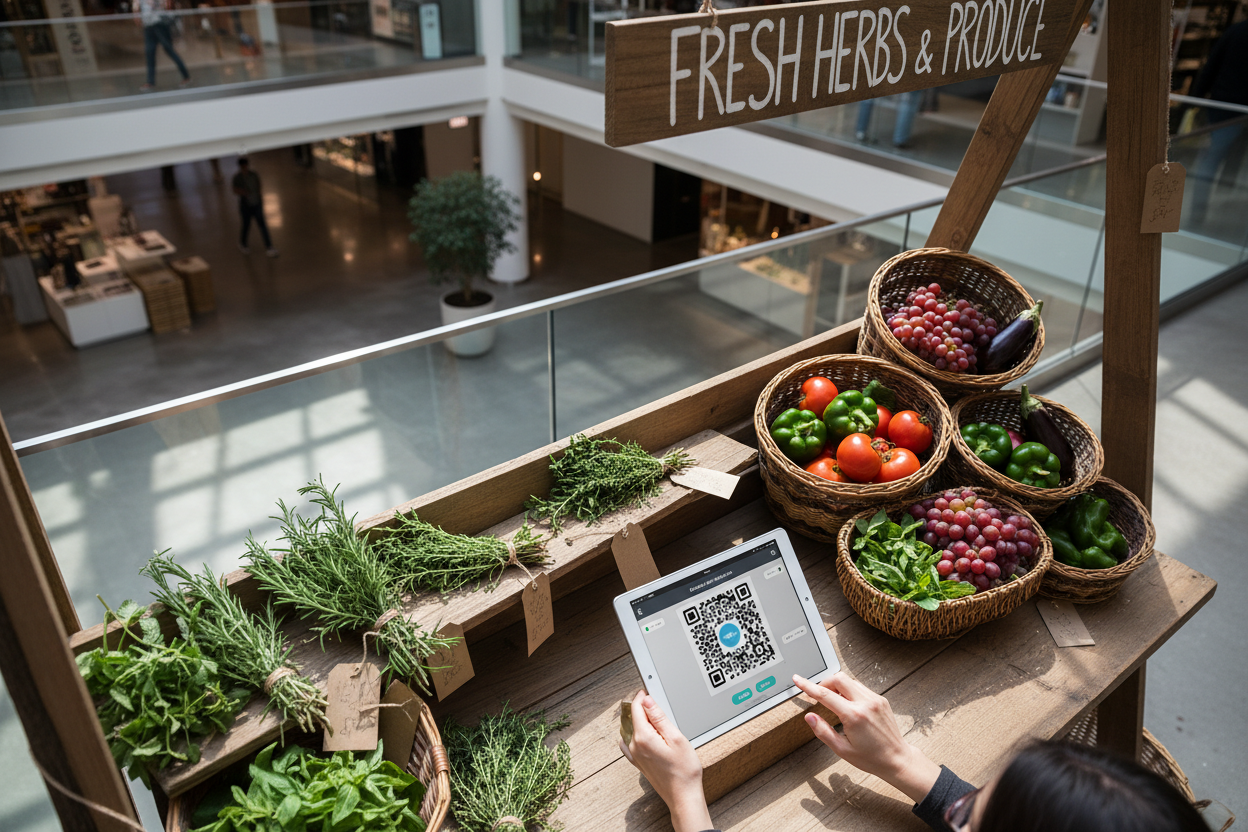
Selecting gear starts with rugged tablets or terminals like those from Payflex, built for road warriors with offline selling and inventory. Pair with StableQRPay for StableQRPay food vendors: customize QR for USDC amounts tied to menu items, printable or screen-displayed. No internet? No issue; payments confirm via wallet, with merchant dashboard reconciling later.
Market leaders like Ledger1. ai bundle location tracking and menus, amplifying QR power. Weather-proofing from PAYSYS ensures carts weather storms, while 4G fallbacks bridge gaps. Opinion: Skip bloated suites; prioritize battery over bells. This setup cuts downtime, vital when lines form fast.
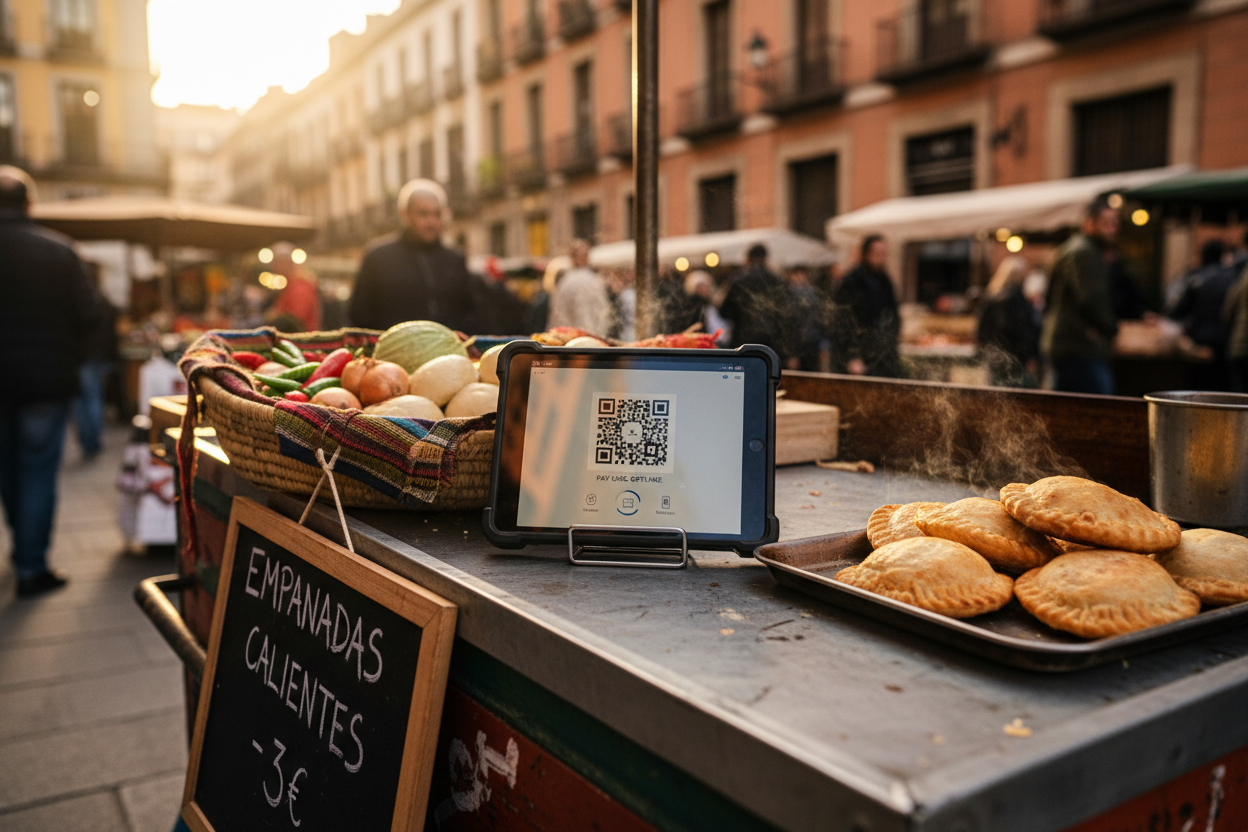
Layering StableQRPay atop these foundations unlocks true hybrid power. Generate QR codes linked to exact USDC amounts, say $10 for a loaded taco plate, displayed boldly on screens or printed stickers. Customers scan, approve in their wallet, and walk away satisfied, while you track via dashboard post-sync. This sidesteps card processors' cuts, aligning with my advocacy for balanced growth through low-fee channels.
Step-by-Step: Integrating StableQRPay for Street Food USDC POS Offline
Master Offline USDC Payments for Street Food Carts: 6-Step POS Guide
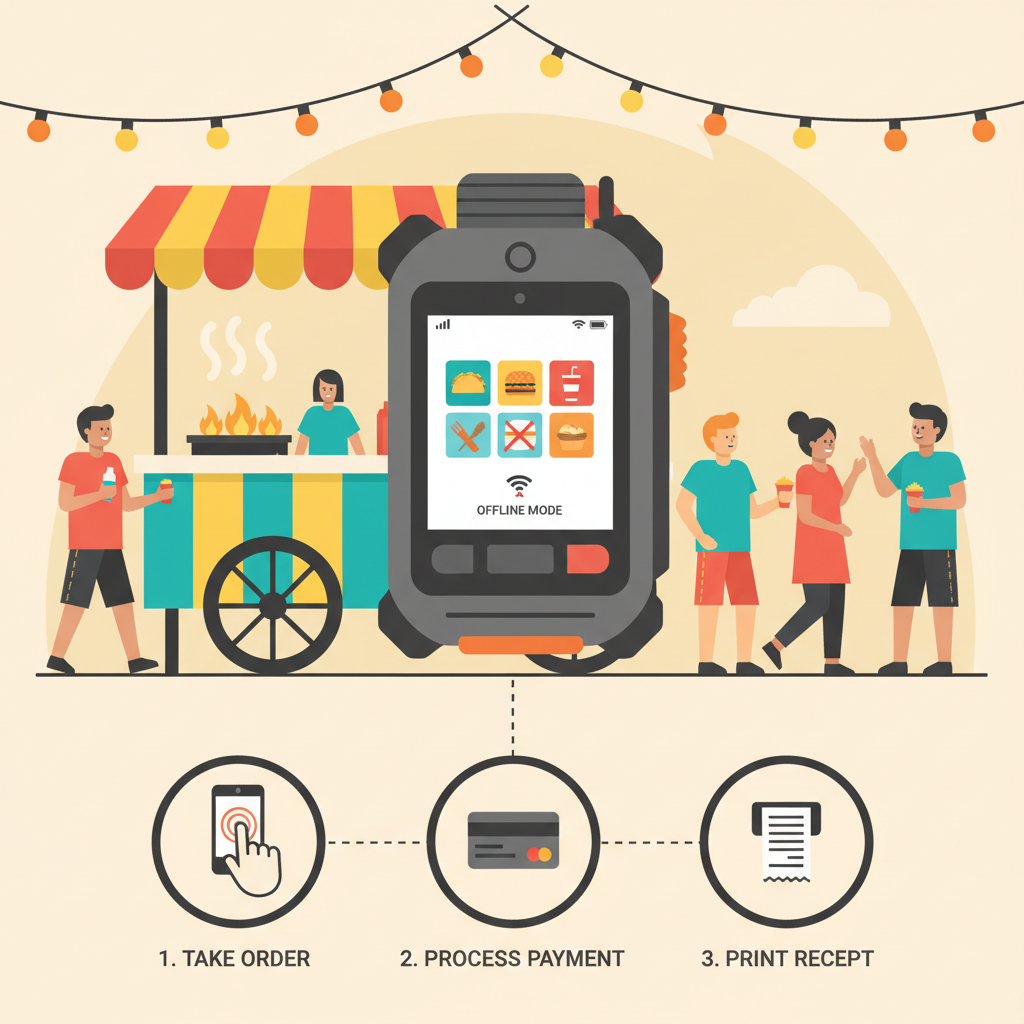
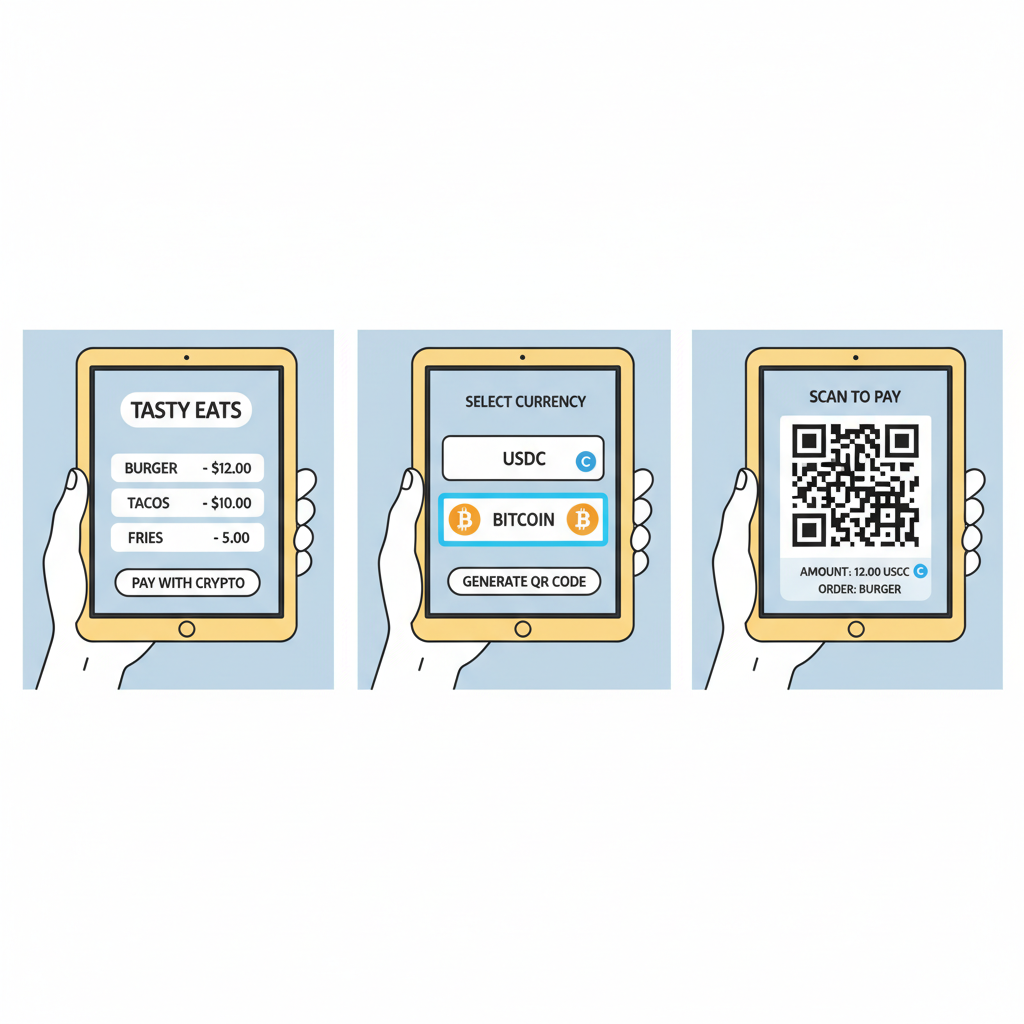
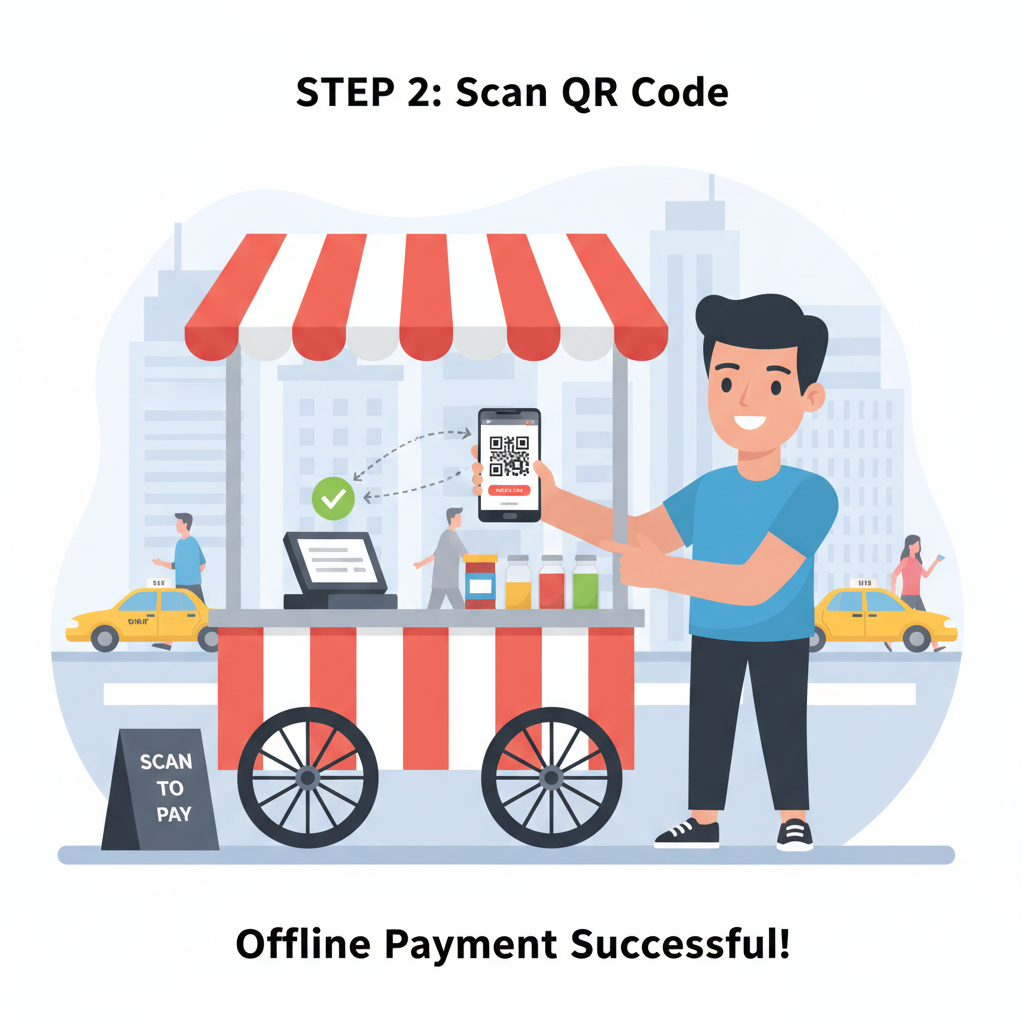
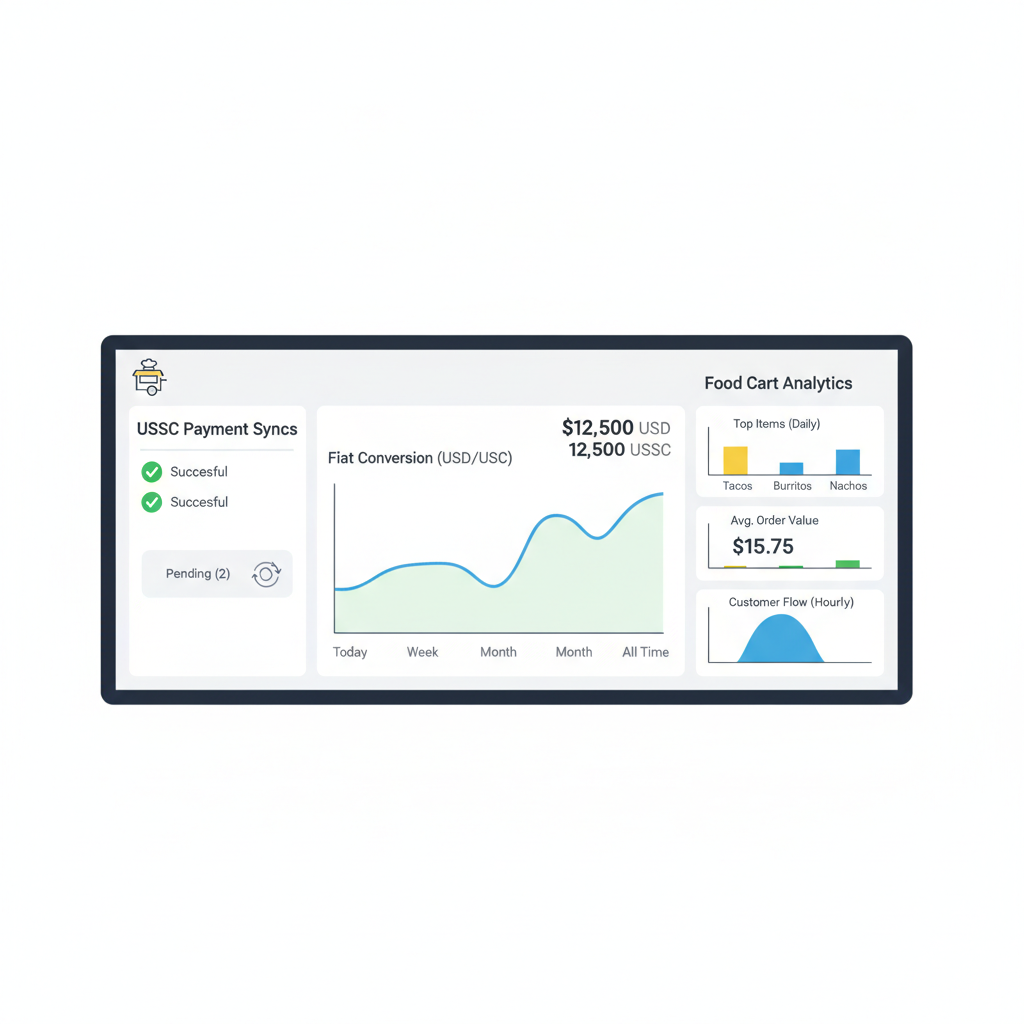
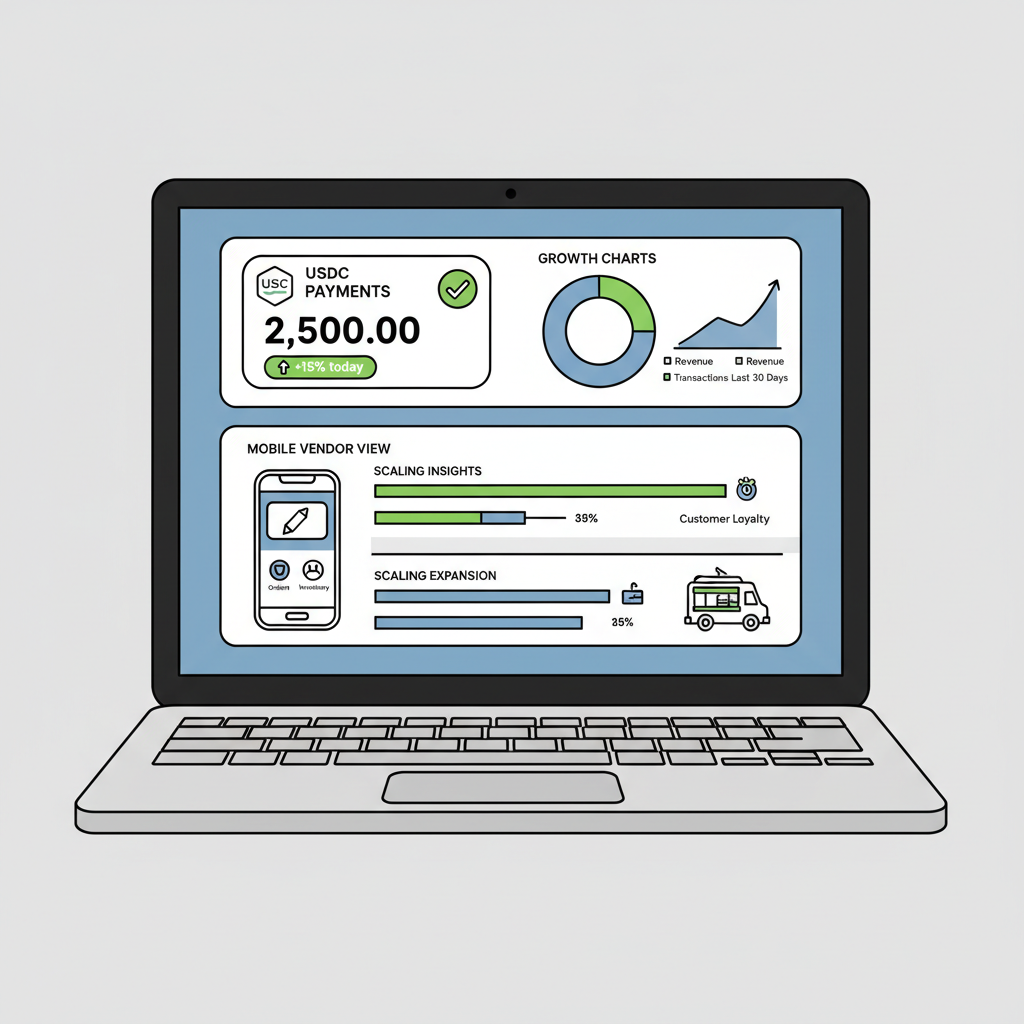
Follow this path, and your cart transforms into a blockchain-ready outpost. I've guided dozens of vendors through similar setups; the key lies in testing under rush-hour simulations, ensuring QR readability in sunlight. Systems like Drive Point of Sale amplify this by sharing codes online, pulling in foot traffic before you even fire up the grill. For QR code stablecoin carts, visibility turns casual browsers into payers.
Yet integration demands nuance. While Toast handles offline cards, blending USDC requires gateways that honor the peg. Core USDC holds steady at dollar parity, unlike bridged versions on Fantom trading at $0.0187 amid and 0.0292% 24-hour shifts, per latest February 2026 data. Street vendors favor the reliable chain; volatility in outliers underscores picking audited networks. Opinion: Hedge by auto-converting post-scan, locking value before dips erode confidence.
Comparison: Traditional POS (Square/Toast) vs StableQRPay USDC
| Feature | Traditional POS (Square/Toast) | StableQRPay USDC |
|---|---|---|
| Fees | 3-5% 💸 | <1% 💰 |
| Offline Mode | Cards only 🔌 | Full QR scans 📱 |
| Battery Impact | High 🔋 | Low ⚡ |
| Global Reach | Local 🏪 | Borderless 🌍 |
| Setup Time | Weeks ⏳ | Hours 🚀 |
This table spotlights why offline merchant USDC setups outperform. Vendors report 70% fee slashes, echoing ledger1. ai claims, freeing cash for prime ingredients. Paycron's real-time tracking pairs well, logging scans alongside NFC for unified reports. Instamenu's free model tempts, but adding StableQRPay elevates it to crypto-inclusive without hardware spends.
Real stories like this affirm the shift. One LA falafel slinger I advised tripled tourist trades post-integration, as crypto holders bypassed card lines. Quantic POS's 2026 vision nods to QR ubiquity, yet StableQRPay leads by specializing in stablecoins for POS. Battery life remains king; ZCS Z92 endures shifts, printing receipts for QR confirmations.
Navigating Regulations and Risk in Crypto Cart Payments
Regulations evolve, but USDC's compliance edge shines, backed by Circle's reserves. Local rules vary; check city ordinances for crypto logs, akin to cash handling. Risks? Network congestion delaying confirms, mitigated by offline queuing. My hybrid analysis lens spots this: pair USDC liquidity with fiat ramps for instant stability. Vendors avoid overexposure, converting 80% same-day.
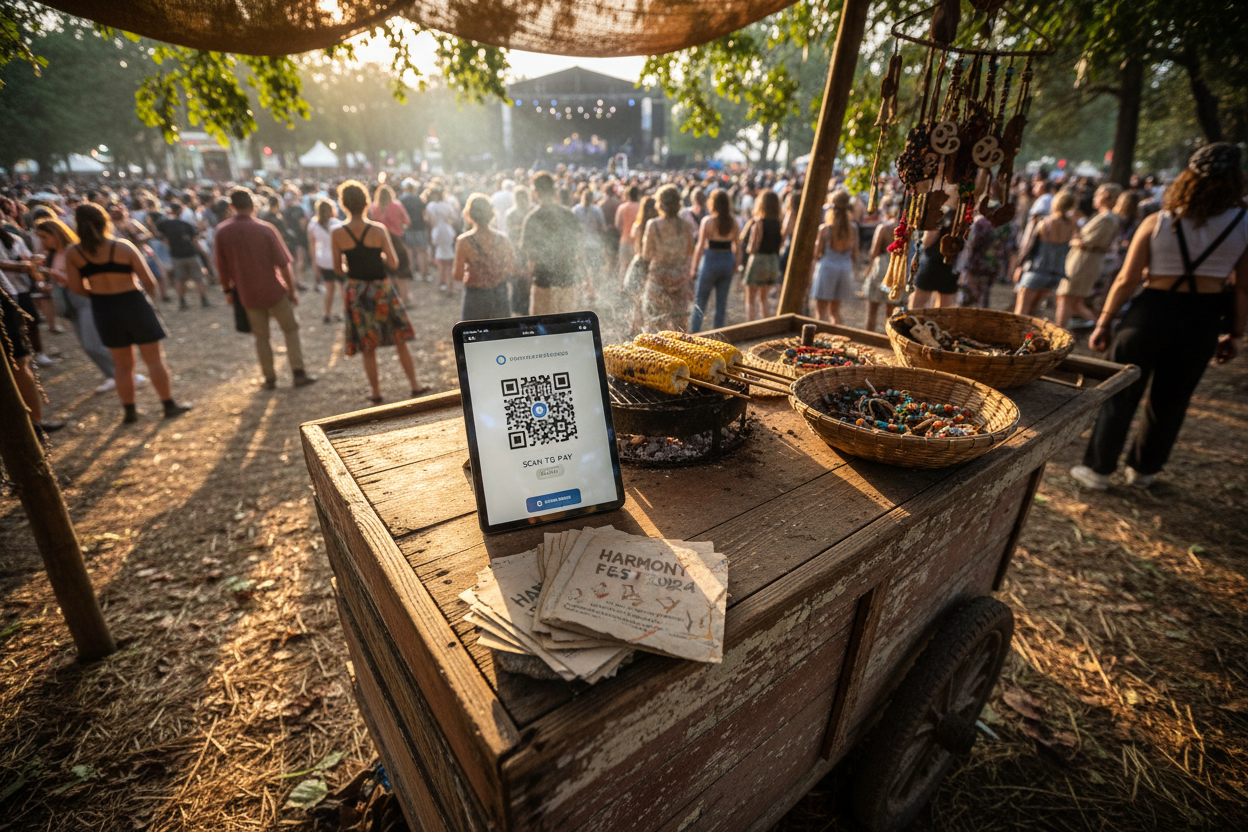
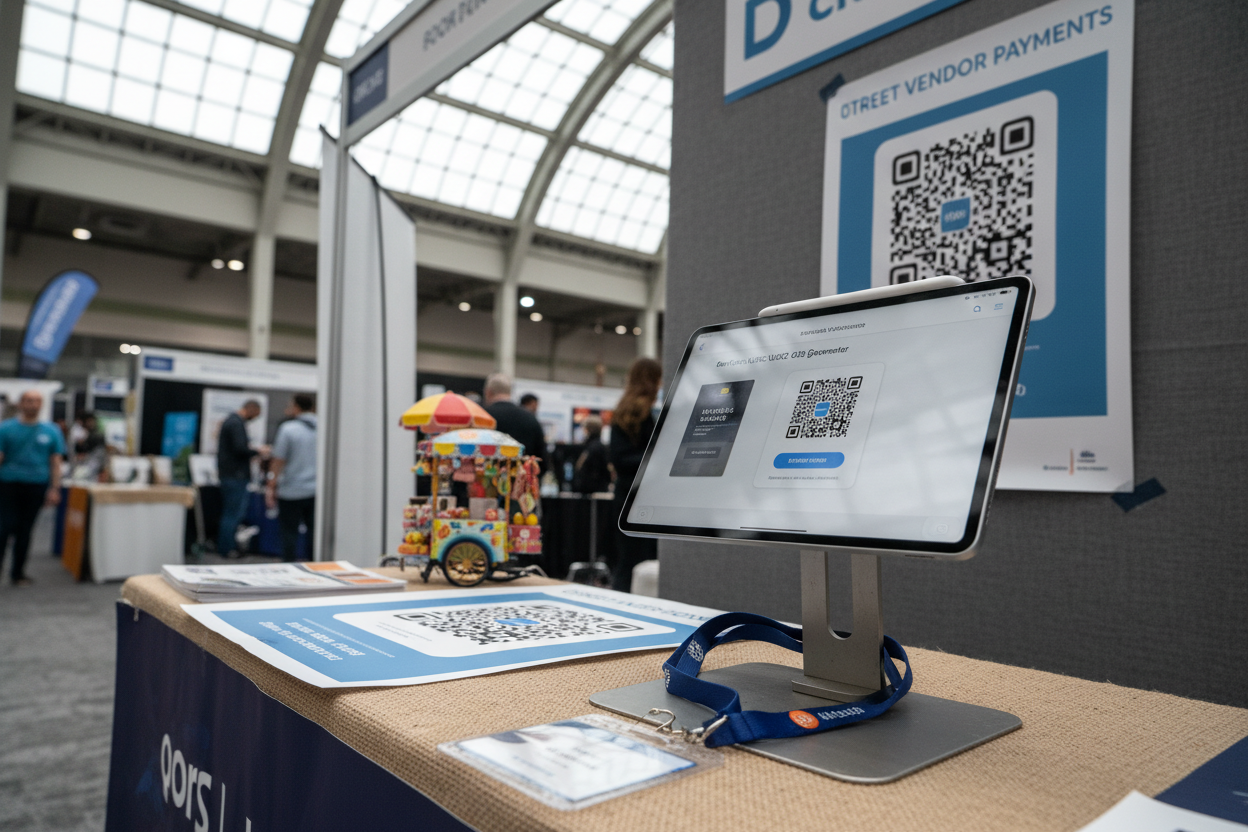
Scalability follows. Festivals demand volume; pre-generate bulk QRs via StableQRPay dashboards, tying to inventory. Goodfynd's multi-payment offline mode complements, but USDC adds future-proofing as adoption swells. Unidiner's sync tech ensures no lost sales, mirroring Epos Now's analytics for peak-hour tweaks.
Medium-term, this fosters sustainable edges. Street carts evolve from cash relics to digital hubs, balancing tradition with tech. Vendors pocket more, customers pay swiftly, and markets buzz efficient. With bridged USDC at $0.0187 showing chain-specific quirks, stick to mainline for peg trust. Ultimately, StableQRPay food vendors thrive by embracing this equilibrium, turning every scan into steady growth.
No comments yet. Be the first to share your thoughts!