
Pop-up markets pulse with opportunity for merchants selling handmade jewelry, street food, or vintage finds, yet traditional payments often snag on cash handling risks and slow card processing. Enter secure offline stablecoin links and QR codes, transforming these transient setups into efficient, low-fee transaction hubs. Platforms like StableQRPay. com generate customizable USDC and USDT payment links that function offline, letting customers scan and pay from wallets instantly, even in spotty connectivity zones common at outdoor events.

Recent shifts underscore this momentum. Ingenico now activates stablecoin payments on Android POS terminals, signaling hardware giants betting on crypto at the point of sale. Tether's investment in SQRIL expands QR infrastructure across Asia, while Jupiter's QR Pay lets users settle real-world bills with stablecoins. For pop-up vendors, these developments mean ditching intermediaries for direct wallet transfers, slashing fees to pennies per transaction.
Why Stablecoins Outpace Cash in Pop-Up Environments
Stablecoins like USDC and USDT peg to the dollar, shielding merchants from crypto volatility that plagues Bitcoin at festivals, as Ticket Fairy's 2026 guide debates. In emerging markets, Chainlink notes their role in remittances and inflation hedges, perfect for pop-up crowds with global travelers. Direct wallet payments via QR cut costs; customers send funds to a merchant's address, confirmed on-chain within seconds on Layer 2 networks like Polygon or Solana.
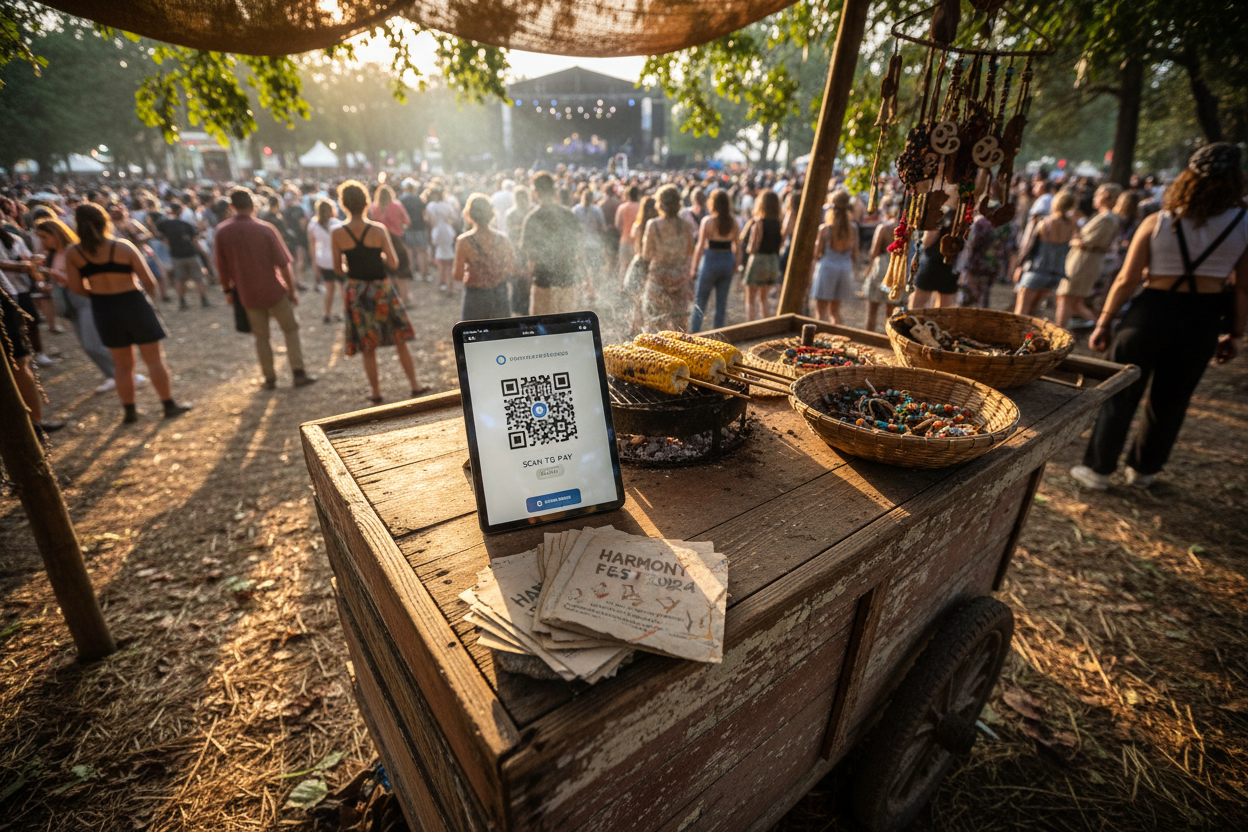
Consider Ripe. Money's model: non-custodial wallets link to everyday QR systems used by millions. Pop-up sellers generate a USDC USDT payment link once, reuse it endlessly offline. No app downloads required for payers, just a wallet scan. This beats cash's theft risks and card fees hovering at 2-3%, especially vital for low-margin vendors.
Offline Stablecoin QR Benefits
- Instant Settlement: Transactions settle on-chain in seconds via fast networks, giving merchants immediate access to funds without bank delays, as seen in POS integrations like Ingenico terminals.

- No Internet Needed: QR codes enable offline payments through pre-authorized wallet scans or local partner outlets, ideal for pop-up markets, similar to MPChat's cash-out QR at offline venues.
- Blockchain Security: Immutable ledger and audited stablecoins reduce fraud risks; best practices include multi-network options from processors like Coinbase Commerce.

Implementing Secure QR Codes Without Internet Dependency
Offline functionality hinges on static QR codes embedding wallet addresses and amounts. StableQRPay. com excels here, crafting links that customers scan with apps like Phantom or MetaMask, broadcasting transactions upon reconnection. Updated practices emphasize Layer 2 adoption; Arbitrum's low gas fees make micro-payments viable for a $5 taco.
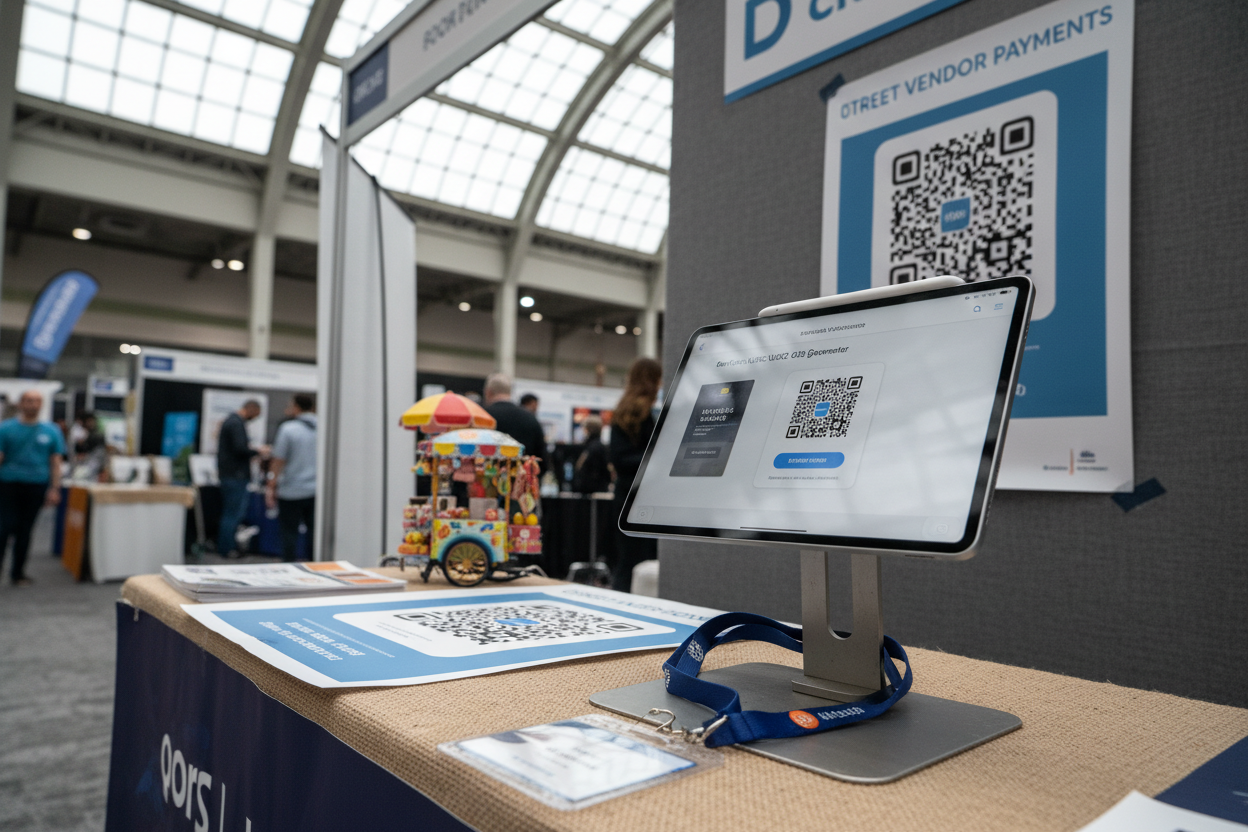
POS integration follows suit. Ingenico terminals generate dynamic QRs, but for bootstrapped pop-ups, printable codes suffice. Webopedia highlights direct displays: merchant shows QR, customer pays, funds settle fast. Gateways like Coinbase Commerce add auto-conversion to fiat, though purists prefer holding stablecoins for yield opportunities.
Fortifying Security in High-Traffic Pop-Up Transactions
Security demands vigilance. Coingape advises sticking to audited stablecoins, multi-network fallbacks, and blockchain alerts. Pop-up merchants face unique threats: fake QRs or wallet phishing amid crowds. Solution? Use platforms verifying codes client-side, with checksums preventing tampering.
Moreta's cross-border QR simplifies traveler payments, but offline merchants must validate receipts post-event via explorers like Etherscan. StableQRPay incorporates tamper-evident designs, ensuring secure QR merchants maintain trust. Multi-signature wallets add layers, requiring confirmations before spending.
Layered defenses extend to transaction monitoring. Post-event, merchants review on-chain activity for anomalies, spotting duplicates or underpayments swiftly. This proactive stance aligns with Chainlink's infrastructure securing stablecoins in emerging markets, where pop-up markets thrive amid economic flux.
Step-by-Step Adoption for Offline Stablecoin Pop-Up Markets
Transitioning to USDC USDT payment links demands minimal setup, democratizing access for solo vendors. Platforms like StableQRPay tailor solutions for these scenarios, generating static QRs embeddable on tents or flyers. Opinion: this isn't mere tech adoption; it's a strategic pivot reducing dependency on volatile cash flows and predatory processors.
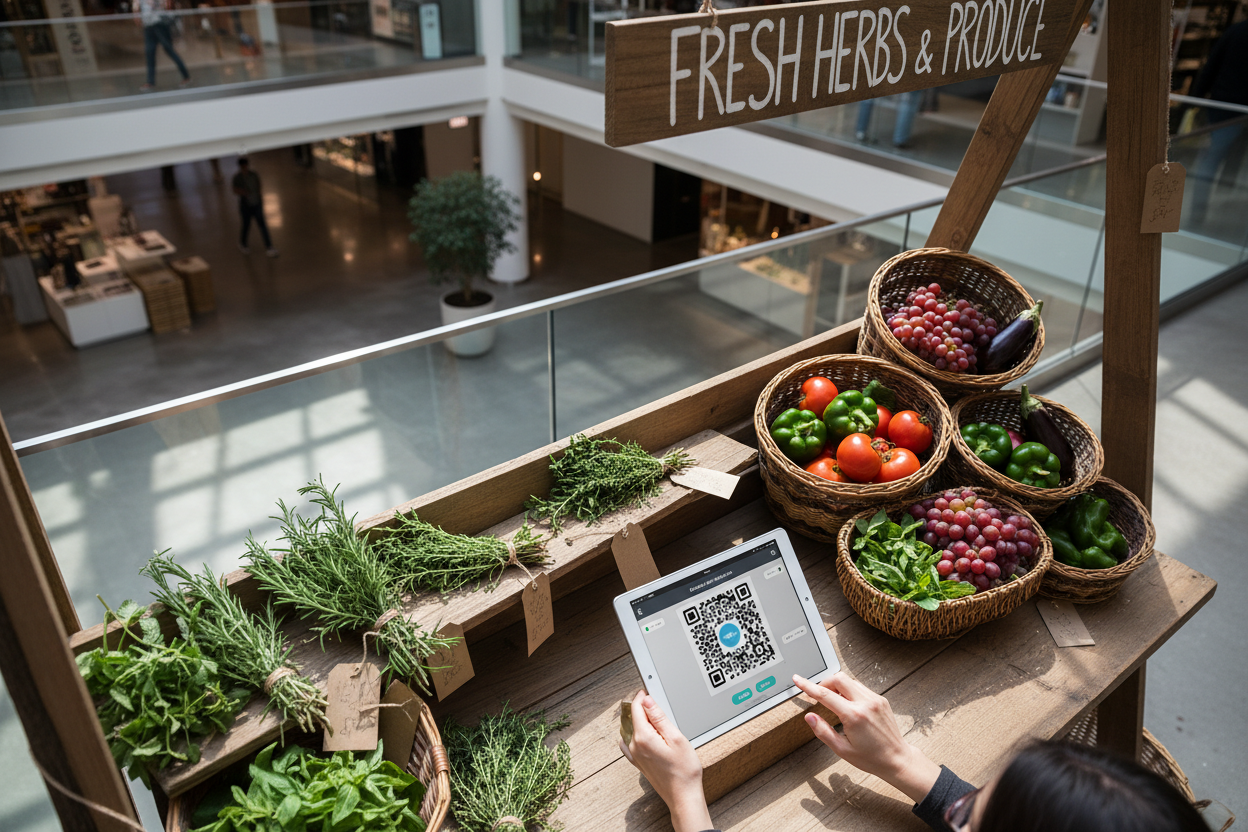
Secure Offline Stablecoin QR Setup for Pop-Up Merchants

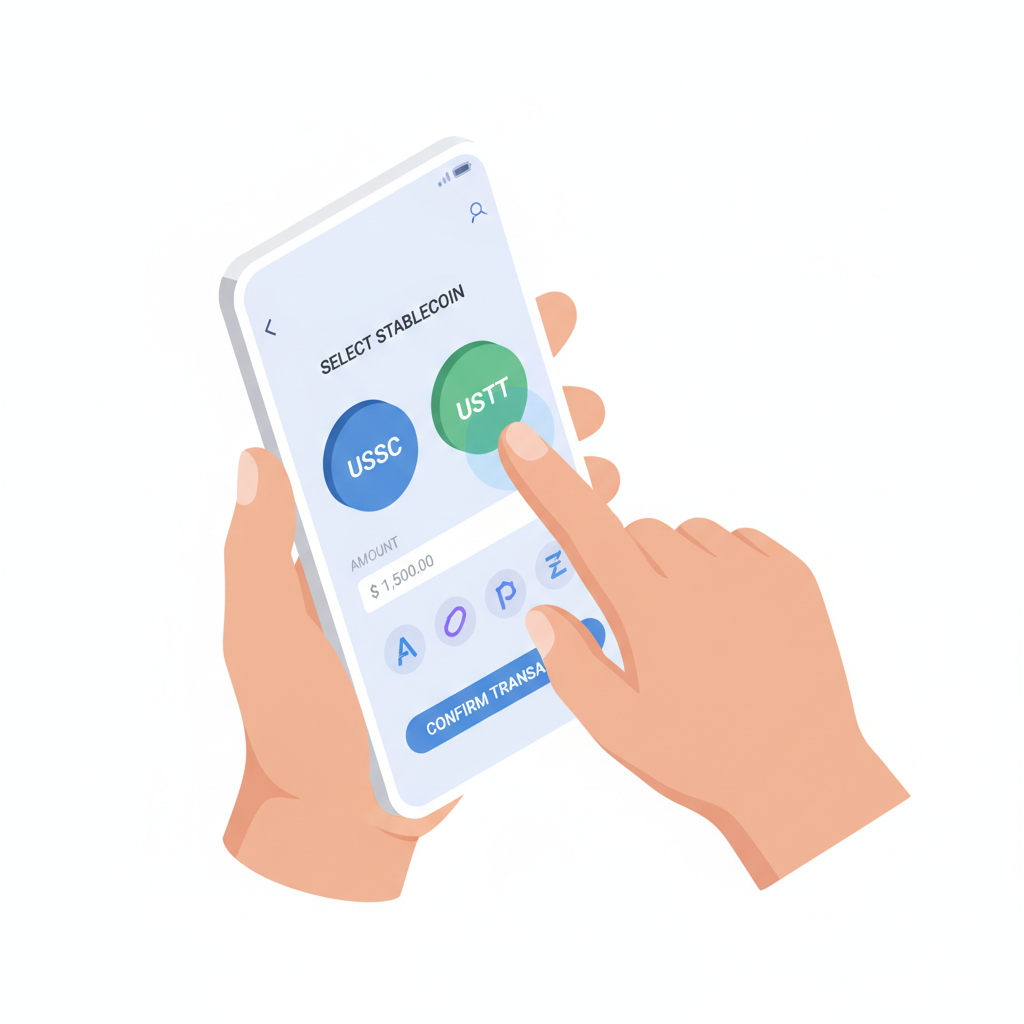
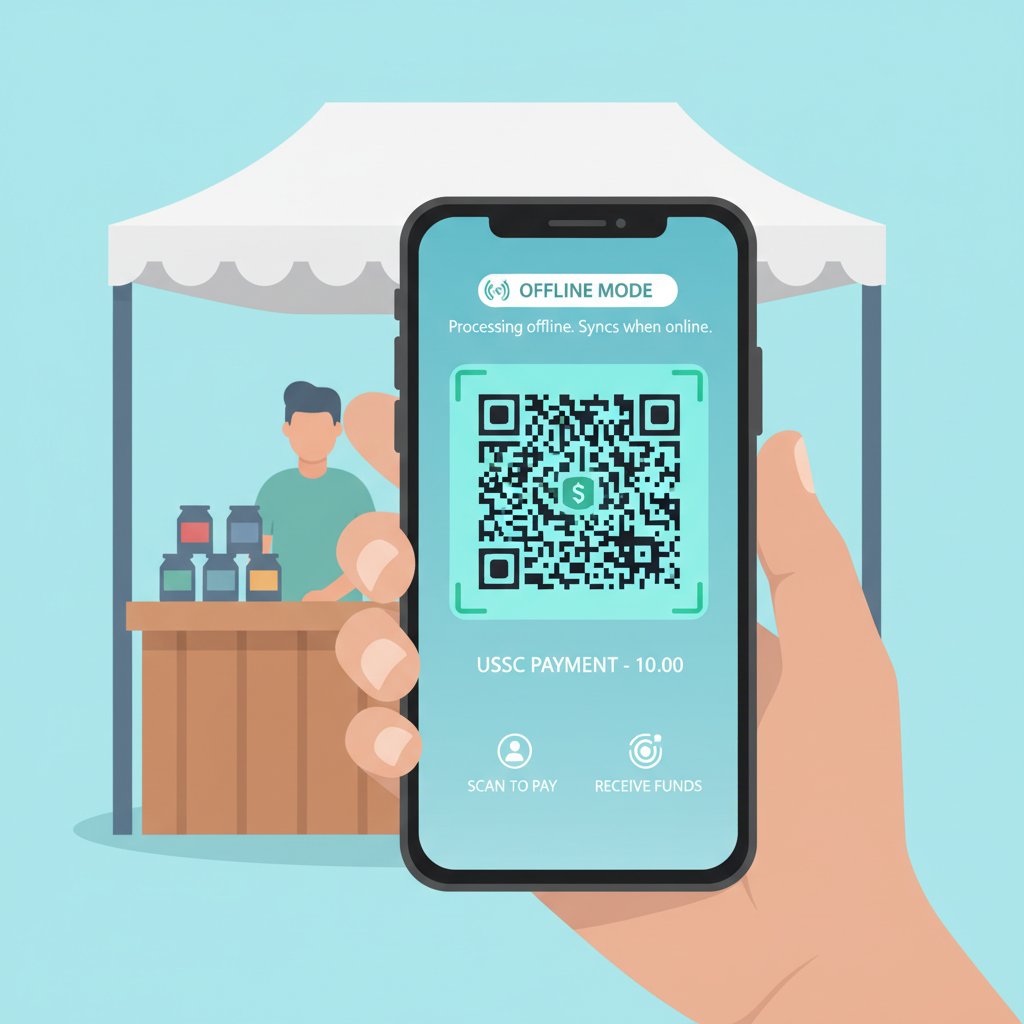
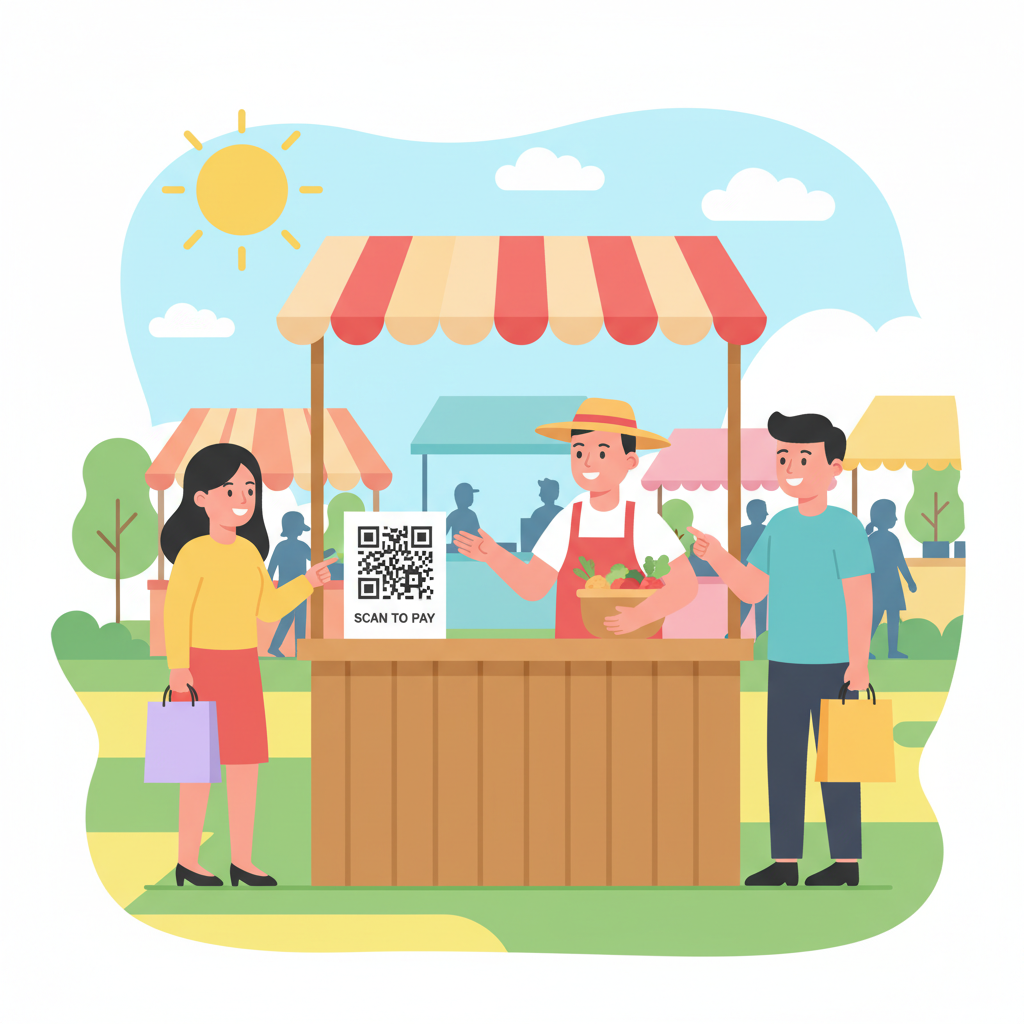
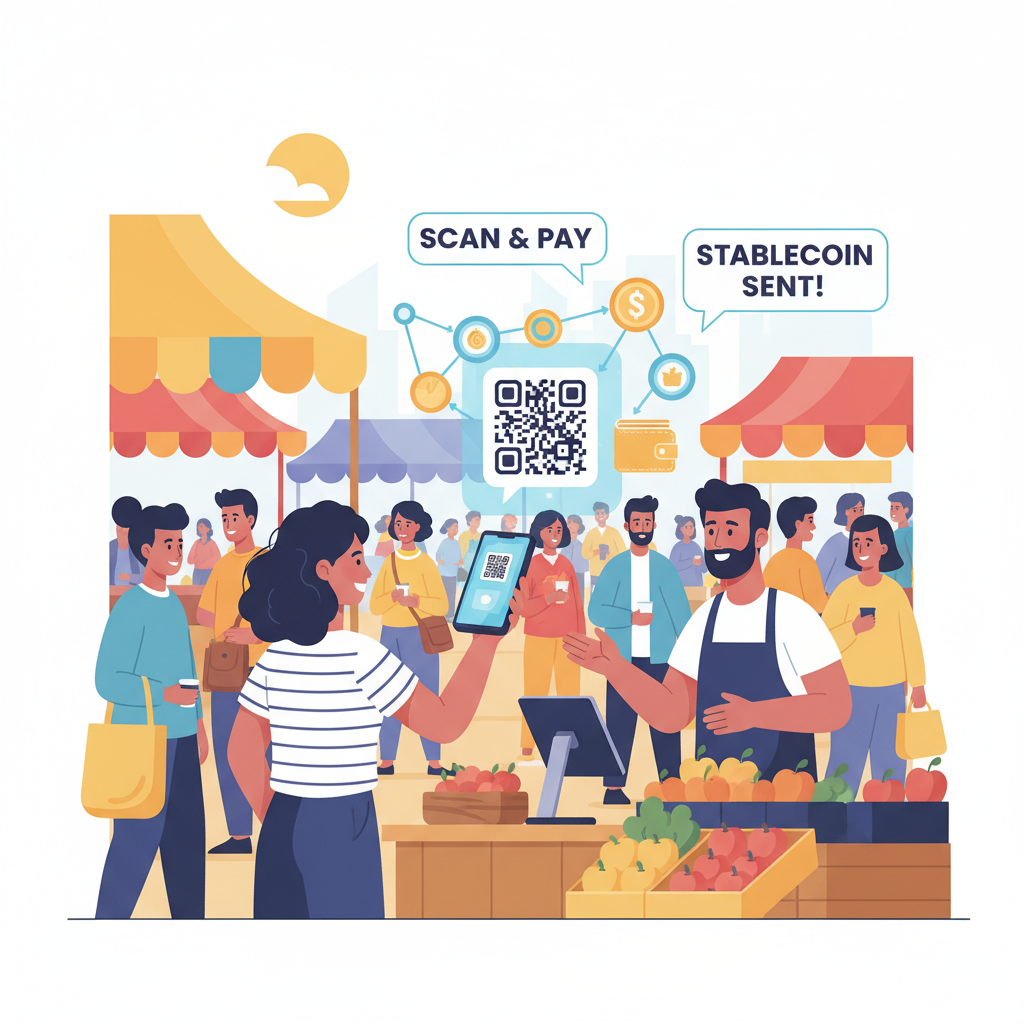
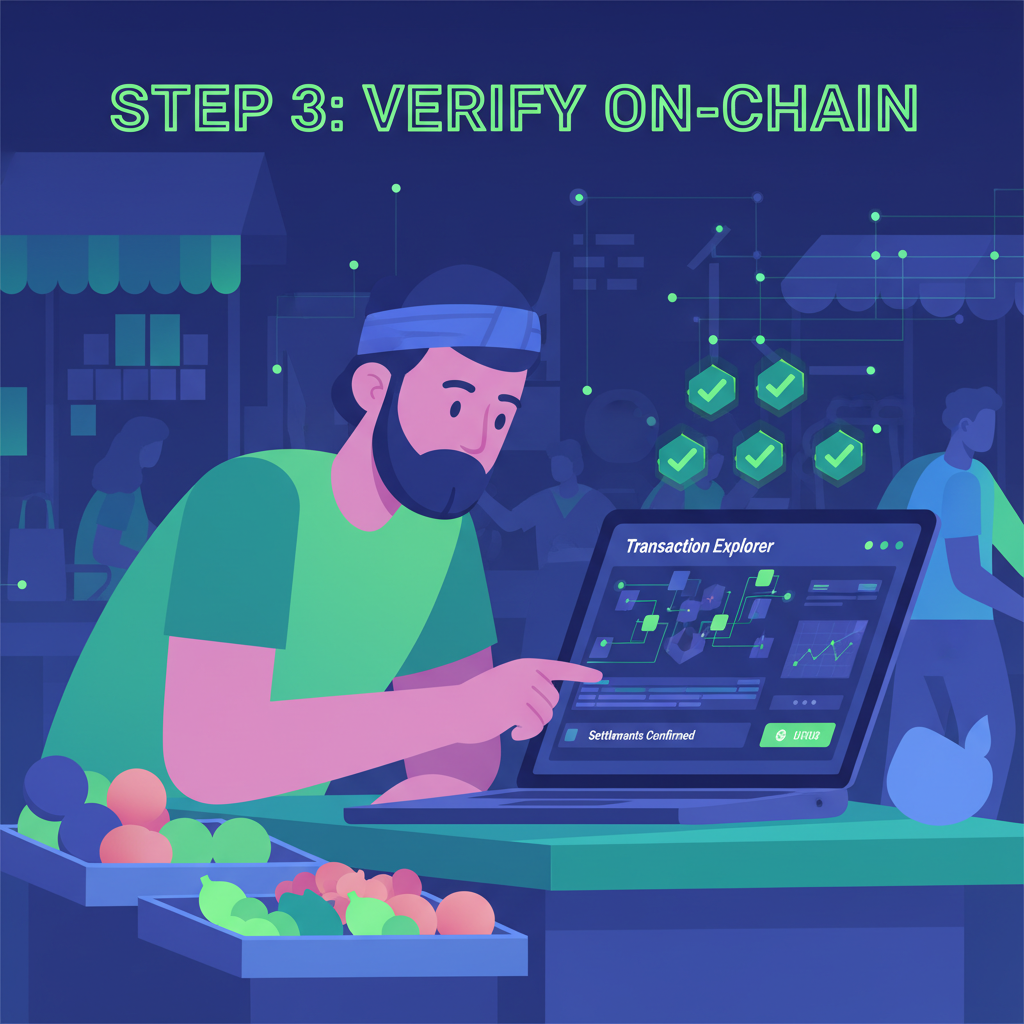
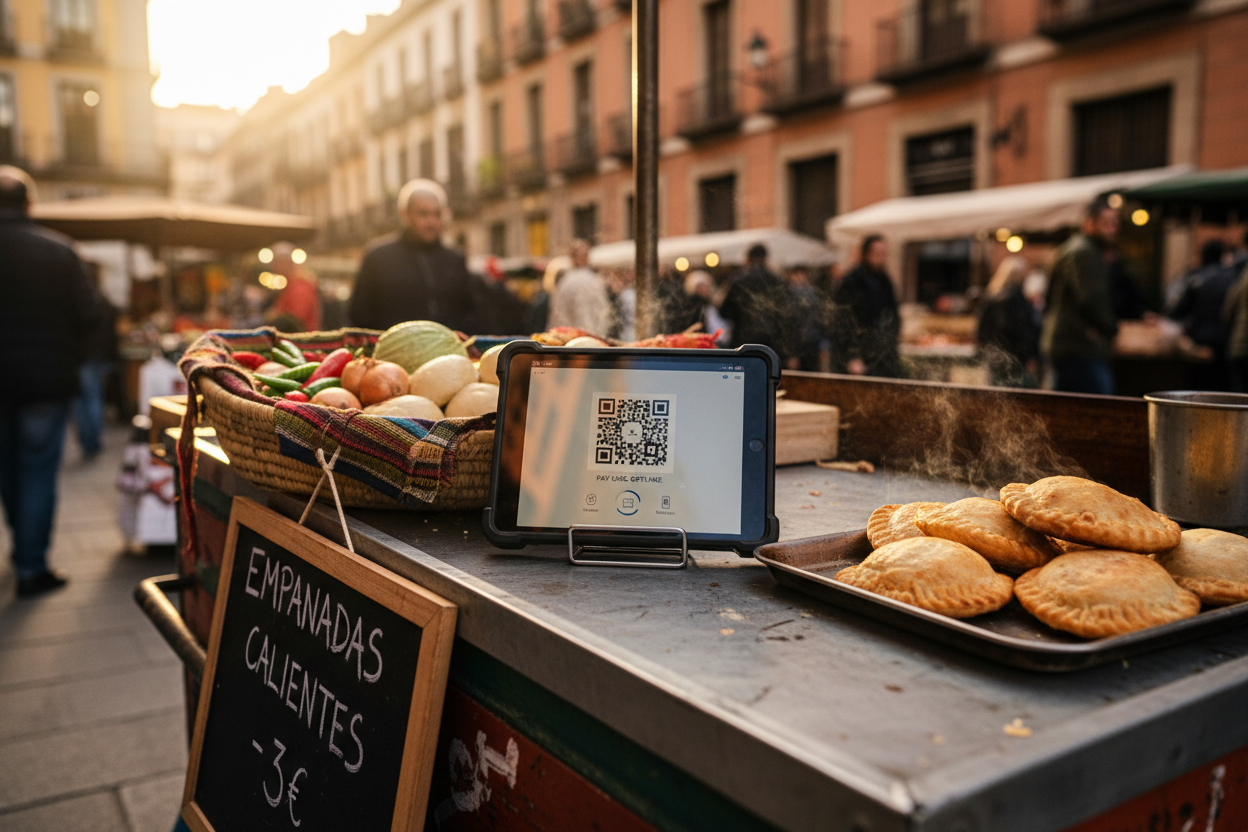
Real-world parallels abound. 9Pay's gateway lets U. S. fintechs scan local QRs with stablecoins, mirroring pop-up needs. Jupiter's USDC card and QR Pay extend this to everyday spends, proving scalability. For StableQRPay pop-ups, the workflow mirrors: vendor prints QR for $20 crafts, customer scans via non-custodial wallet, transaction pend offline, settles on signal recovery. Fees? Negligible on Solana, often under $0.01, versus cash's hidden losses from shortages or theft.
Multi-chain flexibility shines here. Accept on Polygon for speed, fallback to Ethereum for robustness. Webopedia's strategies affirm: POS terminals like Ingenico evolve, but printable QRs suffice for bootstraps. Direct wallet payments empower, as Ripe. Money connects to mass QR ecosystems without custody risks.
Economic Edges and Real-World Wins
Quantify the uplift: pop-up margins, razor-thin at 10-20%, balloon with fee compression. A street vendor processing 50 $10 sales daily saves $10-15 in card cuts alone, pocketing stablecoins yielding 4-5% via DeFi. Cross-border appeal, per Moreta, draws tourists bypassing FX headaches. Tether's SQRIL push forecasts Asia expansion, hinting global pop-up standardization.
TeamPCN dubs these 'enablers, ' turning digital dollars spendable. MPChat's technical blueprint shows cash-out QRs at outlets, closing loops for fiat needs. For merchants, holding stablecoins hedges inflation, as Chainlink charts in emerging hubs.
Critics decry volatility, yet pegged assets sidestep this, outperforming cash in unstable regimes. Ticket Fairy's 2026 lens questions Bitcoin at events; stablecoins answer affirmatively for bars and booths. Ingenico's POS bet validates: hardware catches crypto wave.
Ultimately, offline stablecoin pop-up markets forge resilient commerce. Vendors wield StableQRPay's arsenal, scanning futures where QR trumps coins. This evolution, grounded in audited tech and Layer 2 efficiency, positions small operators as blockchain pioneers, fees felled, reach unbound.
No comments yet. Be the first to share your thoughts!