
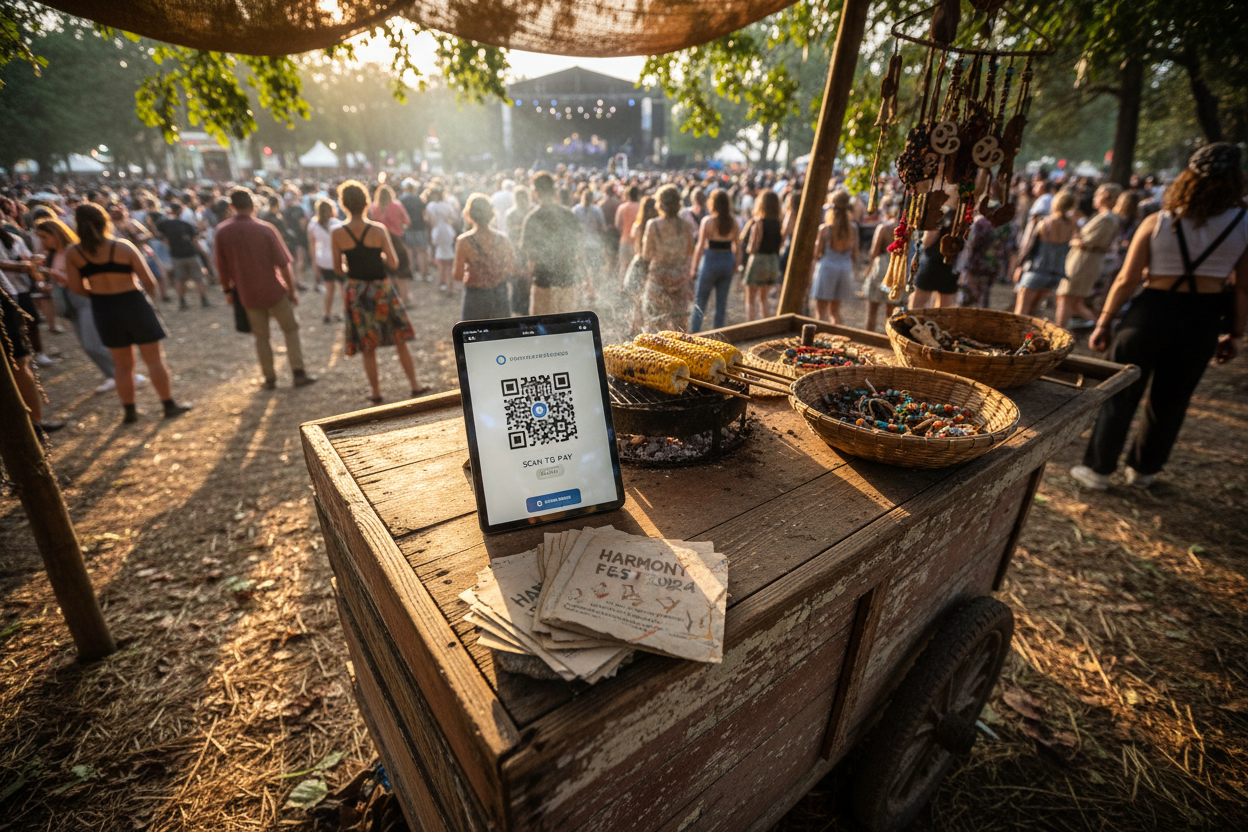
Picture a bustling street market in a developing neighborhood, where vendors sling fresh produce and handmade crafts under the midday sun. Cash dominates, but it's bulky, prone to theft, and slow for change-making. Enter offline USDC QR codes, a game-changer for street vendors stablecoin payments. With tools like StableQRPay. com, you generate a simple QR code linked to your USDC wallet. Customers scan it from their phones, send payment, and you receive funds instantly on the blockchain - all without your device needing internet. As Robert Finley, I've advised pop-up shops for years on low-risk crypto adoption, and this method eliminates chargebacks while pegging value to the dollar.
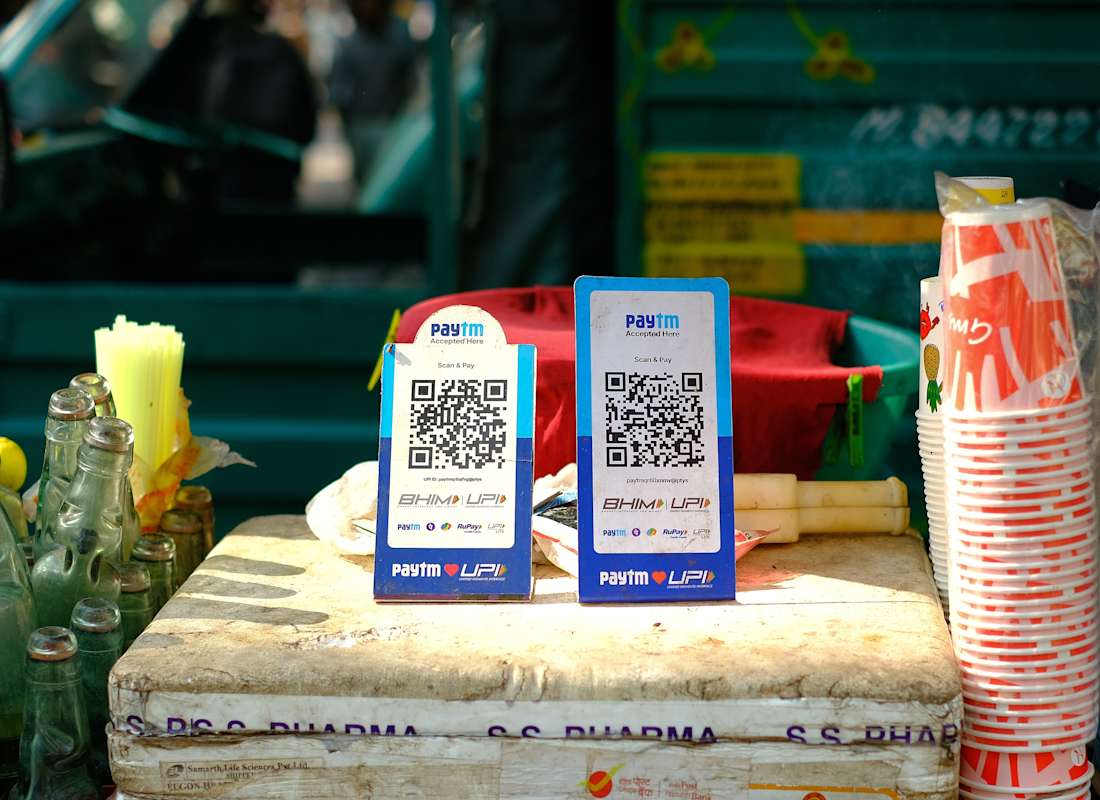
Street vendors face unique hurdles: spotty connectivity, high cash-handling risks, and slim margins that can't absorb card fees. Traditional POS systems demand reliable Wi-Fi and monthly rentals, often unfeasible for mobile setups. USDC payment links no internet solve this by leveraging blockchain's decentralization. Your QR code encodes your wallet address and optional amount, printed on laminated cards or displayed on low-tech stands. Customers' wallets handle the network confirmation, often in seconds. Recent surges in Vietnam show QR payments boosting vendor turnover by 85%, proving real-world viability even in cash-heavy cultures.
Navigating Risks in Crypto POS for Markets
Adopting crypto POS for markets isn't about chasing hype; it's risk-managed profit. USDC maintains a tight $1 peg, shielding against volatility that plagues BTC or ETH. Yet, as an FRM-certified expert, I caution against bridged variants - note Multichain Bridged USDC on Fantom trades at $0.0185, up 0.1266% in 24 hours from a low of $0.0162. Stick to native USDC on trusted chains like Ethereum or Solana for settlement reliability. Platforms mimicking Stripe's crypto extensions now support USDC settlements as seamlessly as cards, but offline QR keeps you independent, dodging gateway fees that eat 2-3% per transaction.
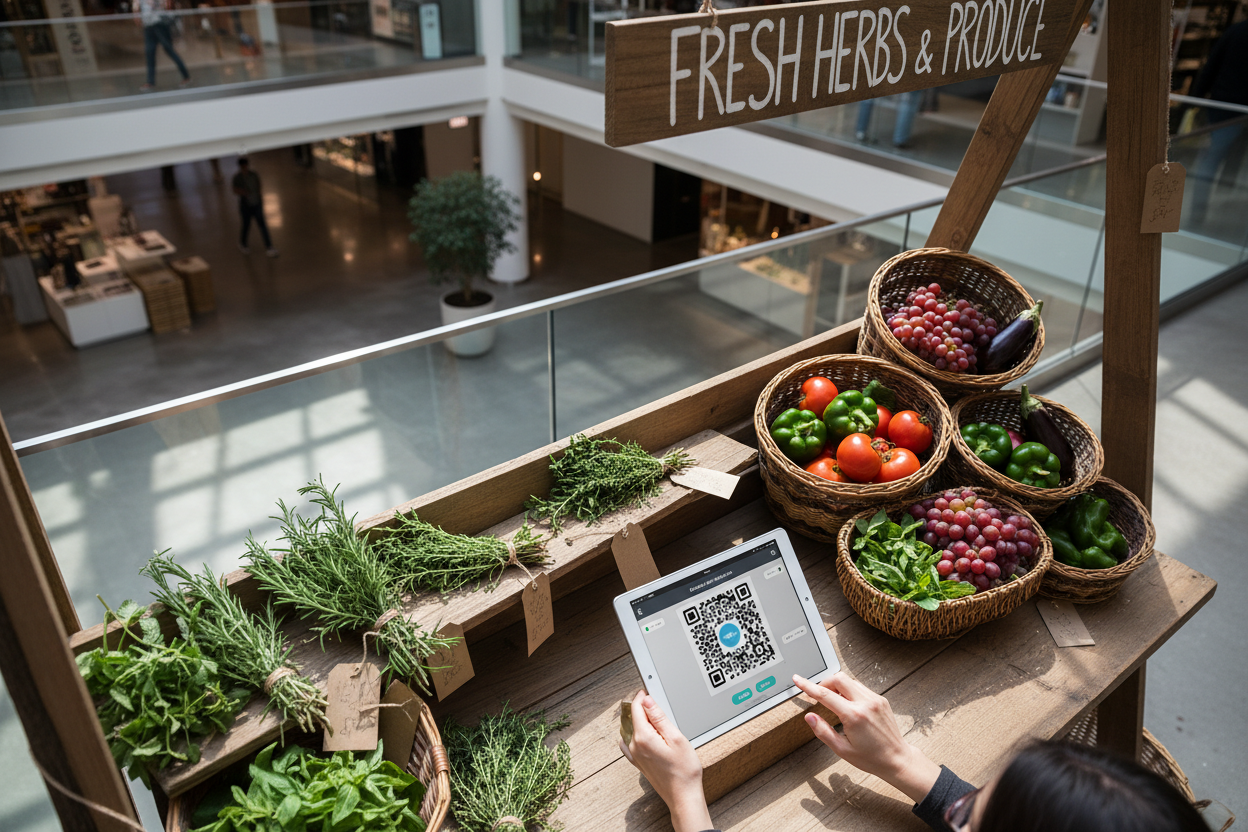
Street vendors can accept USDC payments offline by displaying a QR code linked to their USDC wallet address. Customers scan using mobile wallets; only they need connectivity.
Security stands out: self-custodial wallets mean you control keys, no third-party custody risks. Tools from self-custodial apps address gaps noted in Ethereum communities, generating QR codes with token specifics like USDC and exact amounts. This precision cuts errors, vital when tallying daily sales alongside cash. In regions like Argentina or Peru, Offramp-style QR integrations enable seamless acceptance, expanding to tourists wielding crypto apps.

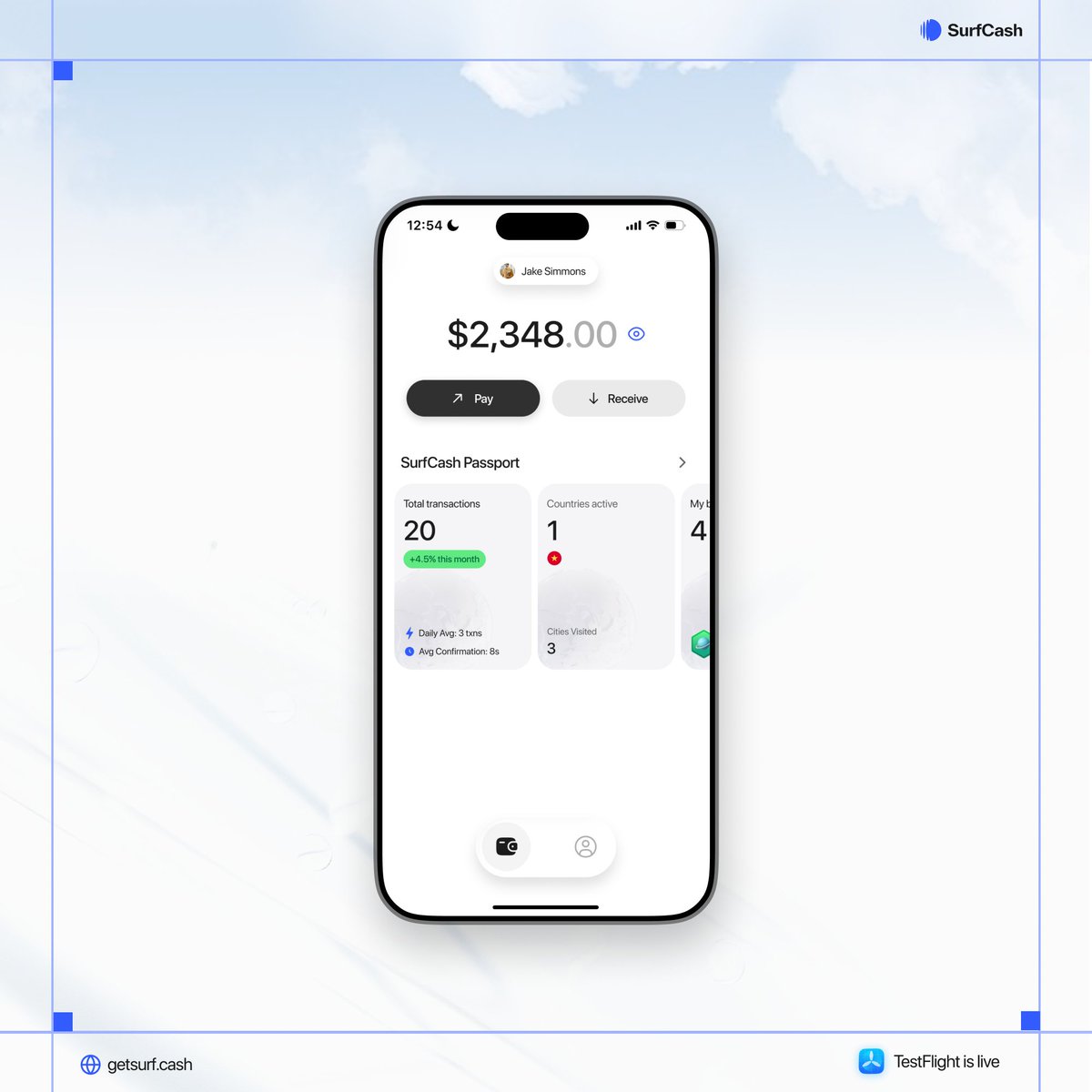
Mechanics of Stablecoin QR Offline Merchants
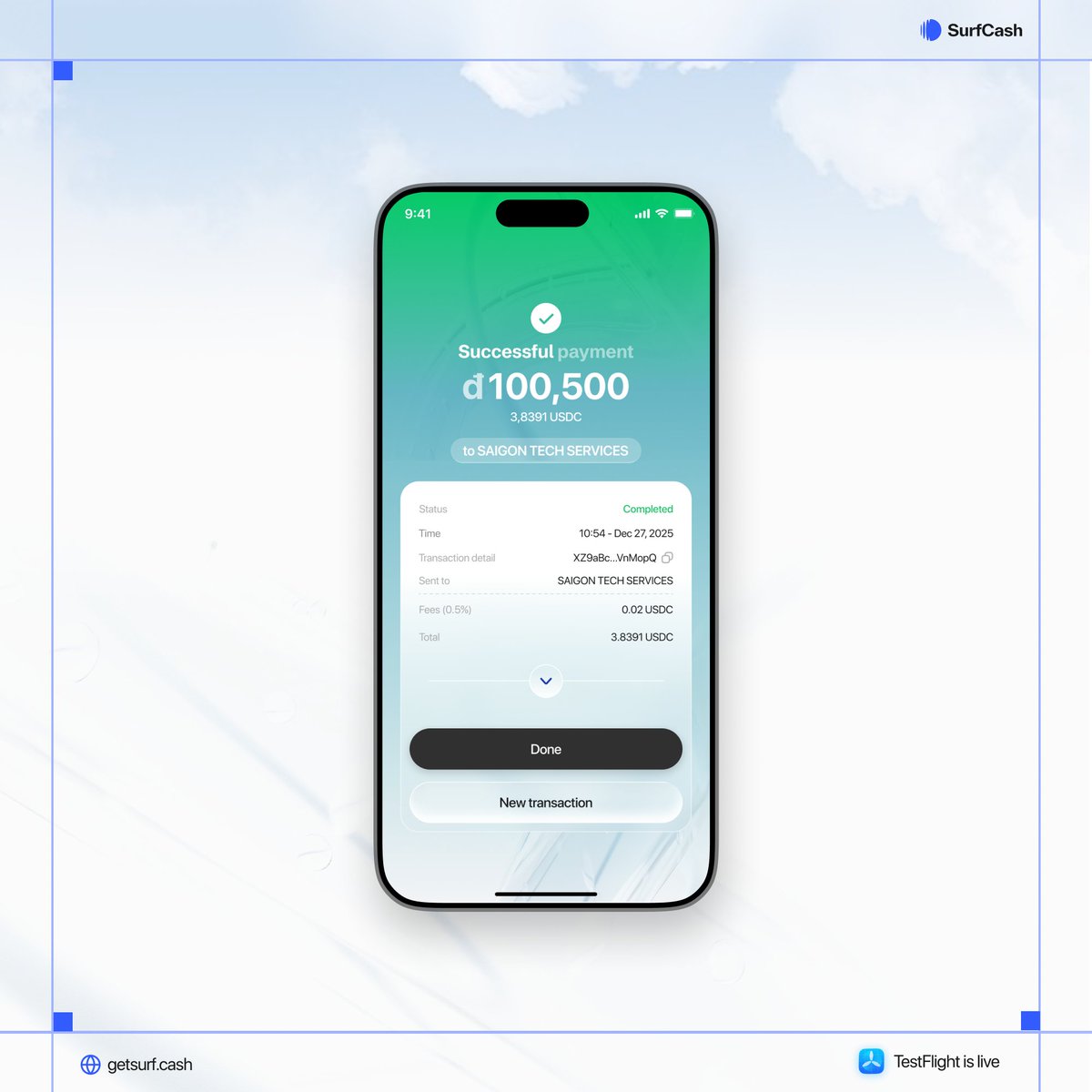
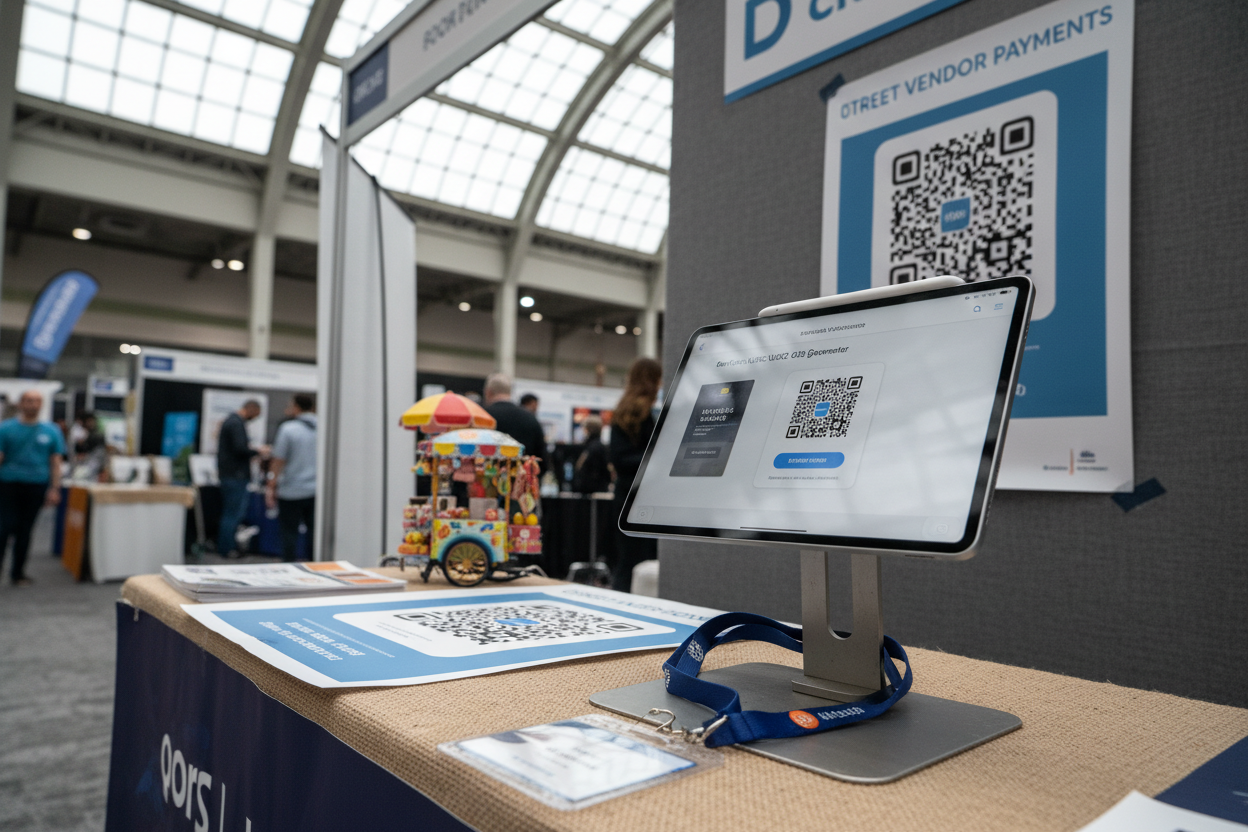
For stablecoin QR offline merchants, the workflow shines in simplicity. Generate a static QR via StableQRPay. com, customizing with your logo for trust - think USDC emblem to signal legitimacy. Print multiples for stalls or rotate via cheap displays. Customer scans, app prompts confirmation; blockchain confirms irrevocably. No reversals, no disputes. This mirrors CBDC pilots using QR for contactless offline, but USDC delivers today without central bank waits.
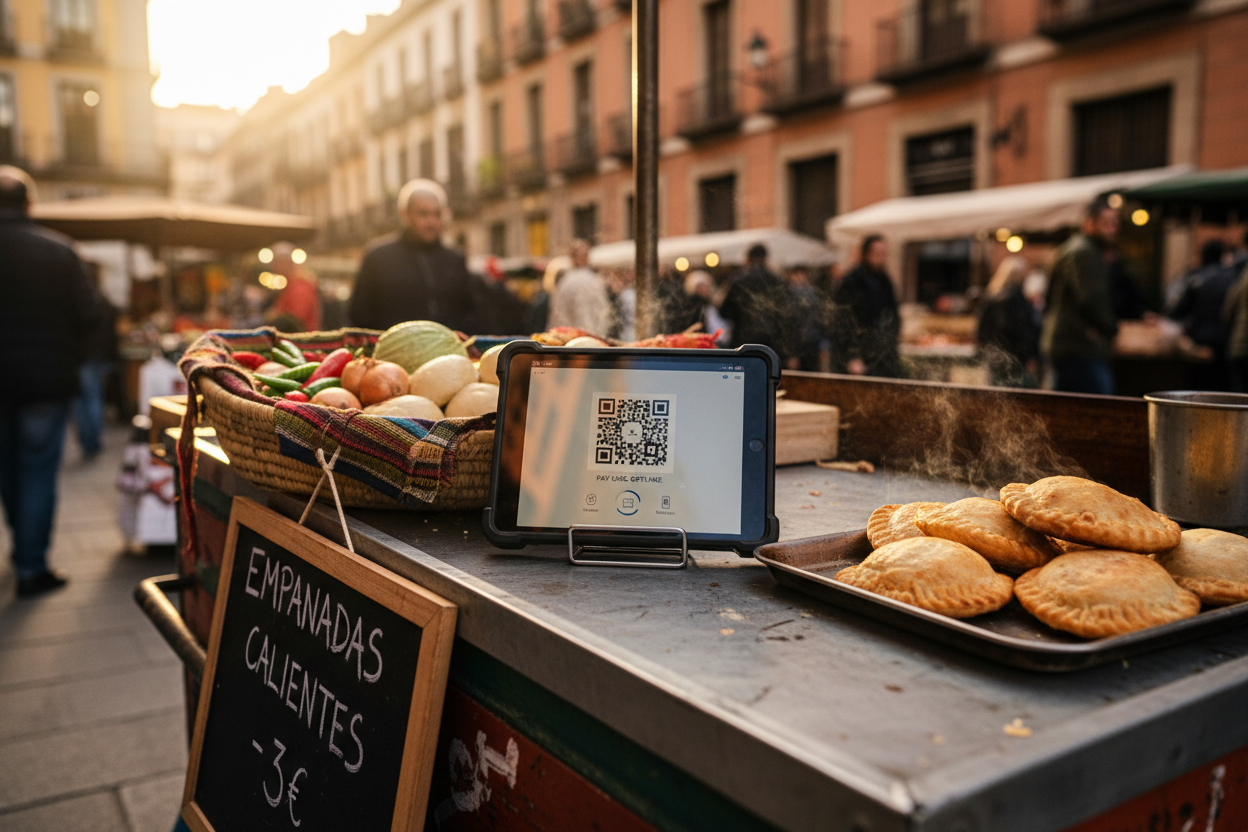
Benefits stack: low fees under 0.1%, global reach for expat buyers, and analytics from wallet explorers tracking inflows. Ledger-like apps tally crypto with cash, easing bookkeeping. Diner scenarios evolve to street carts, where a $5 USDC zap pays for tacos faster than coins clinking.
Generating Secure USDC QR Codes Step by Step
Before diving in, verify wallet compatibility - MetaMask or Phantom for multi-chain. Prioritize hardware like Ledger for high volumes, minimizing hot wallet exposure. My conservative hybrid tactic: 80% stablecoins, 20% cash buffer.
Offline USDC QR Setup: Generate, Print & Deploy with StableQRPay
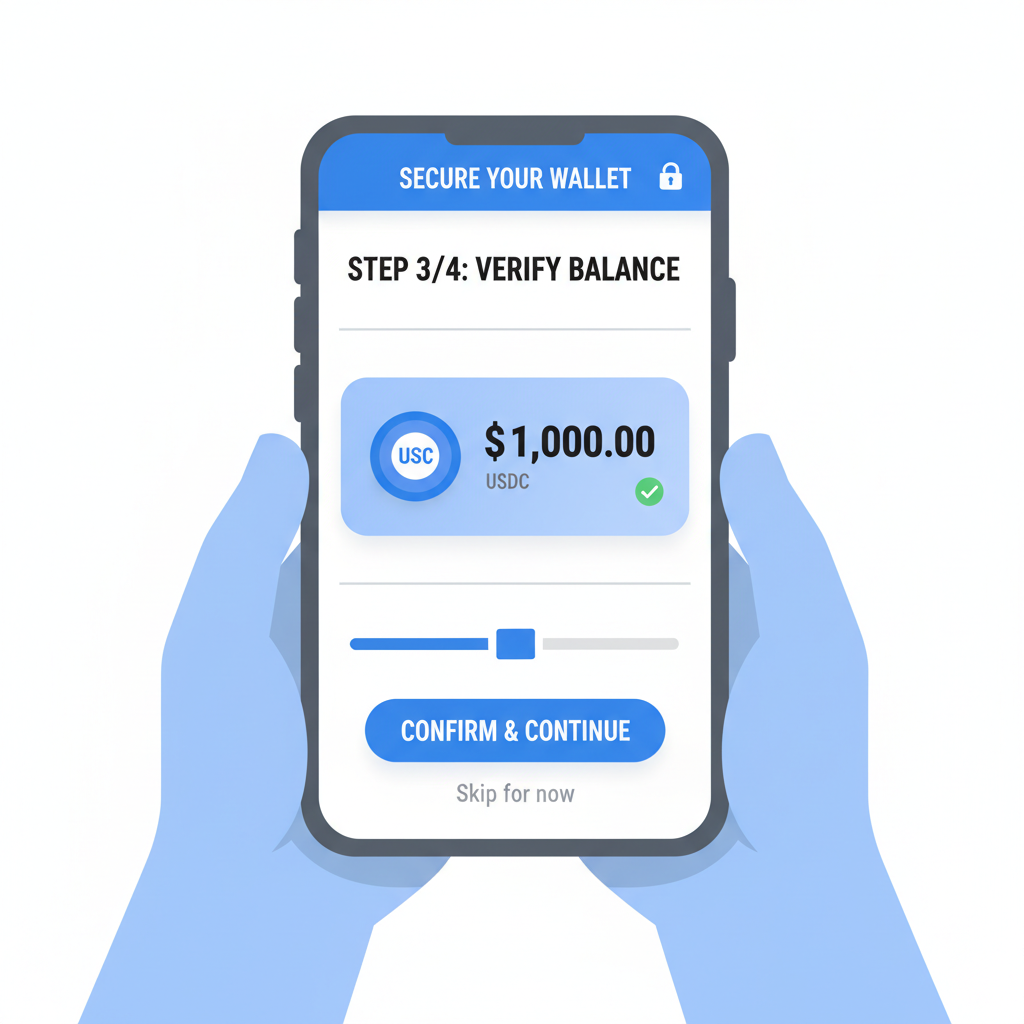
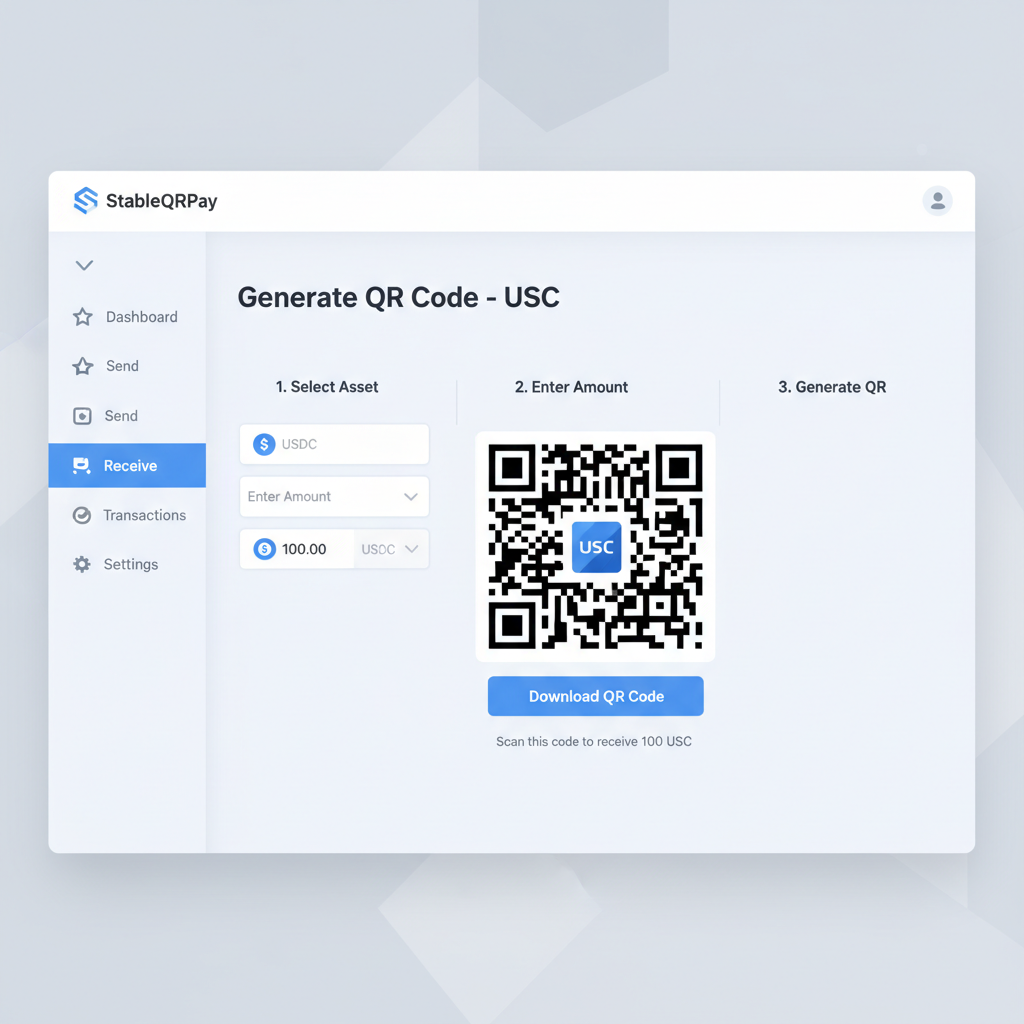
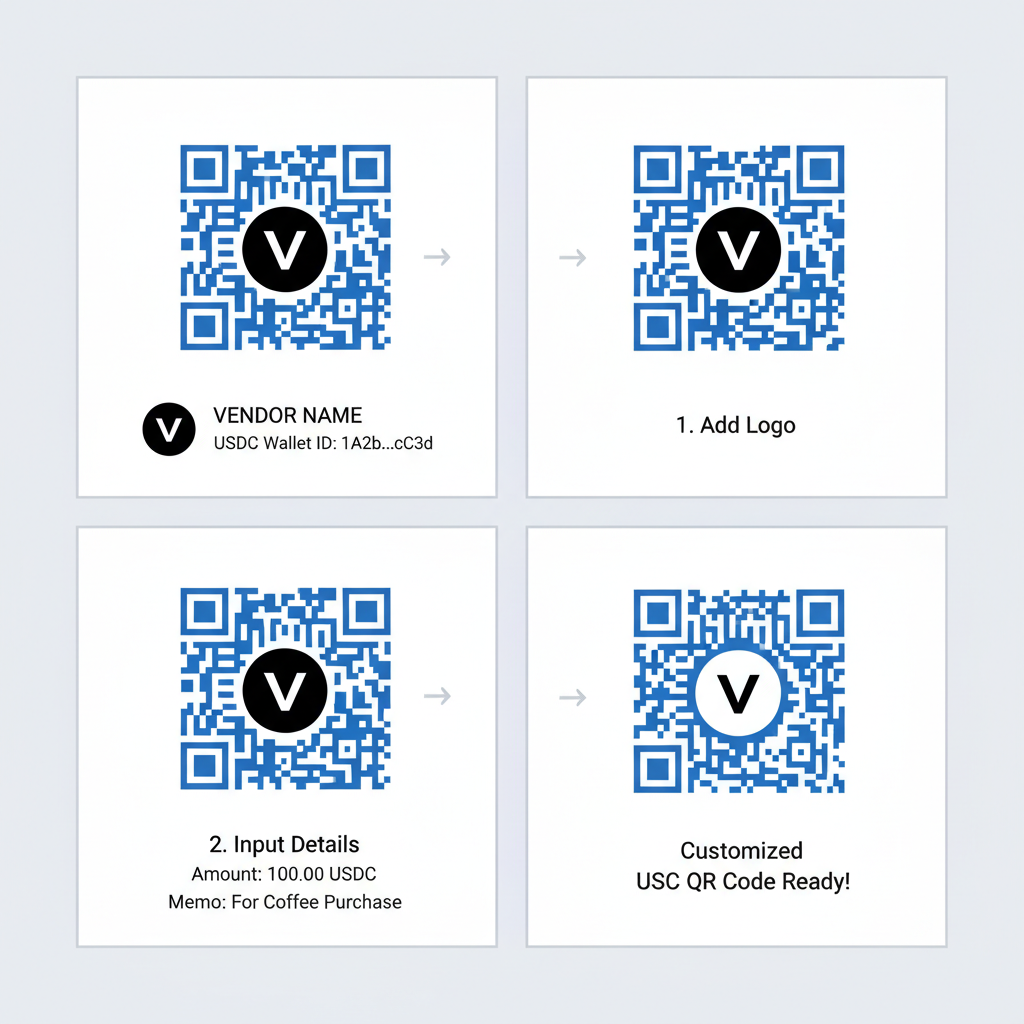
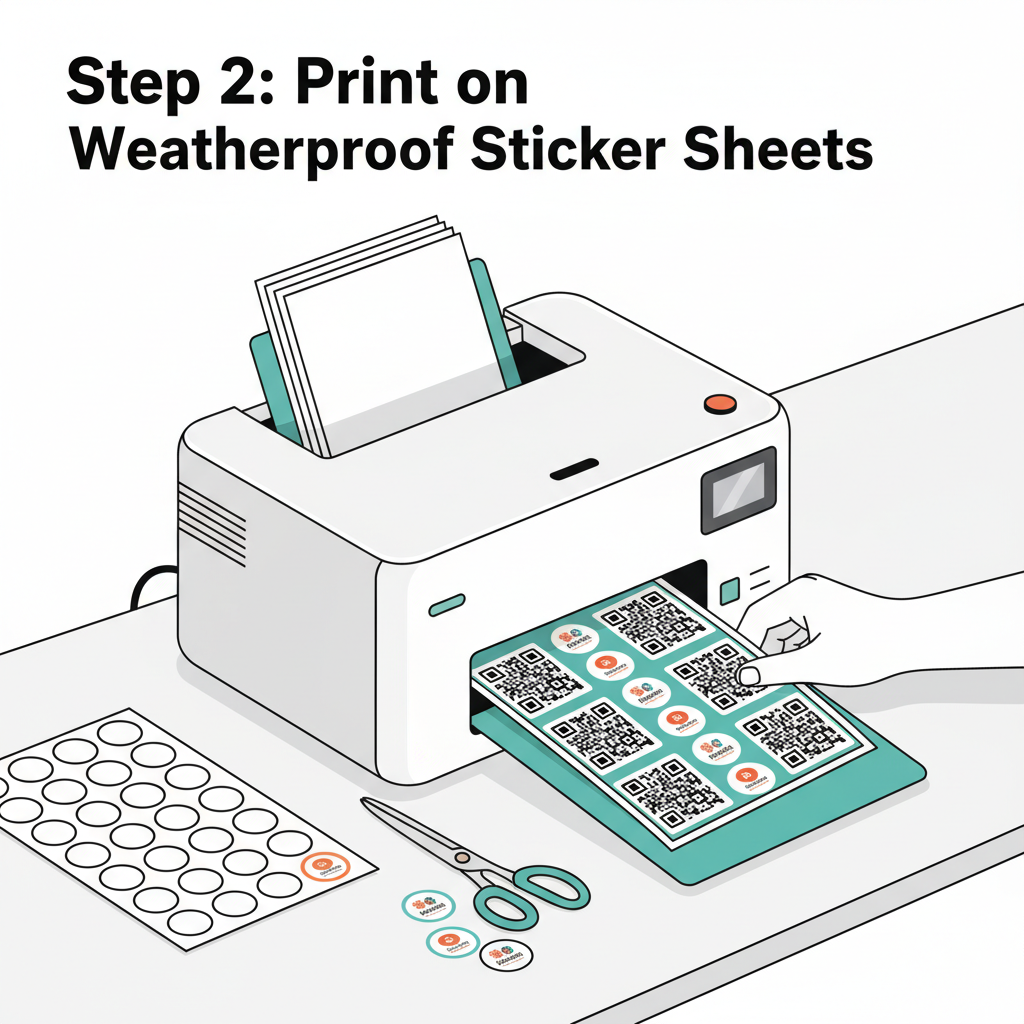
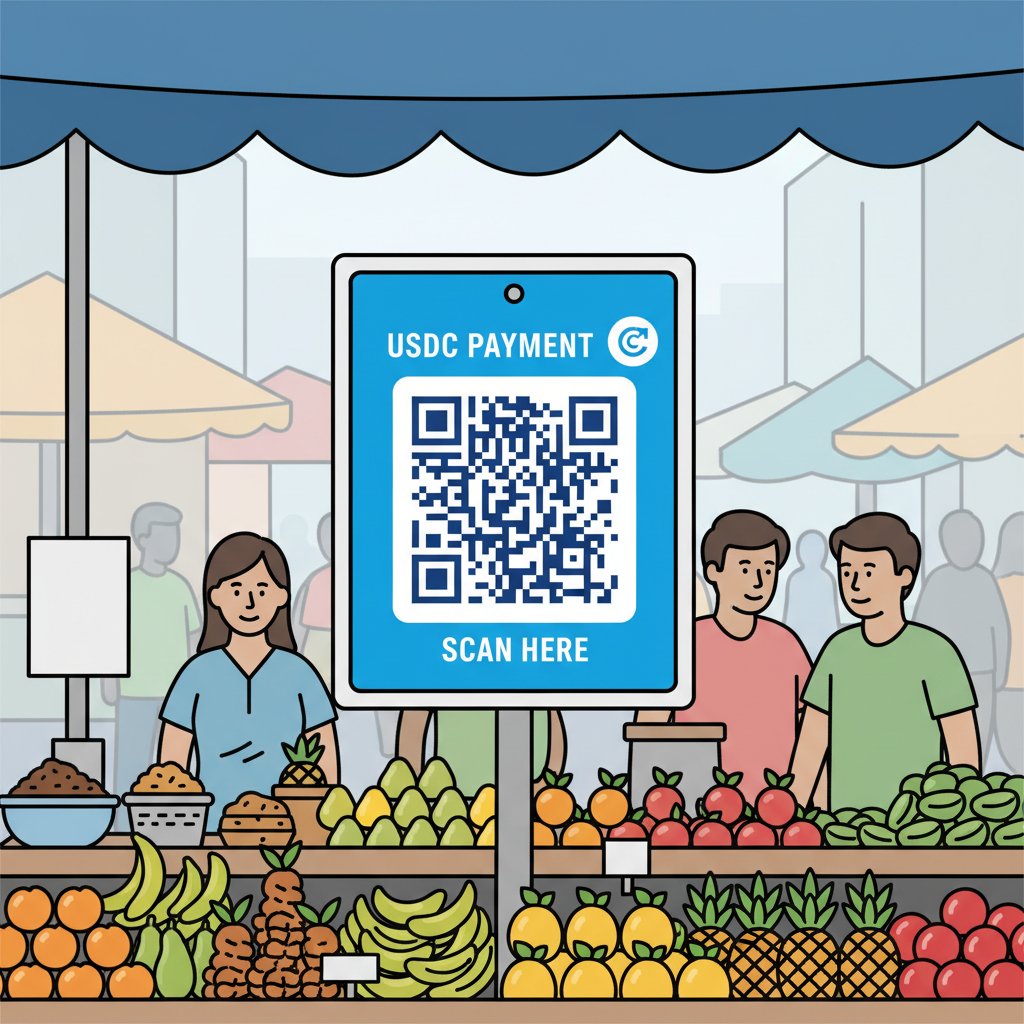
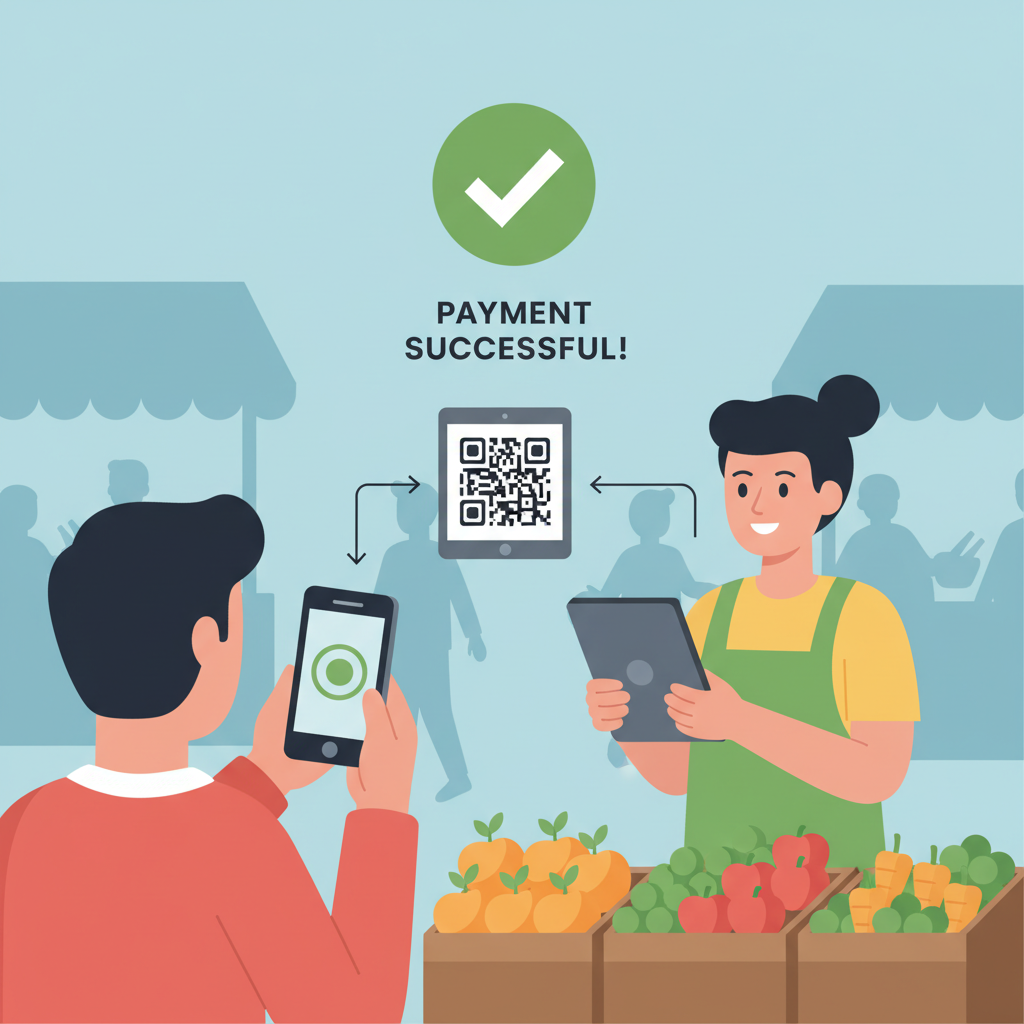
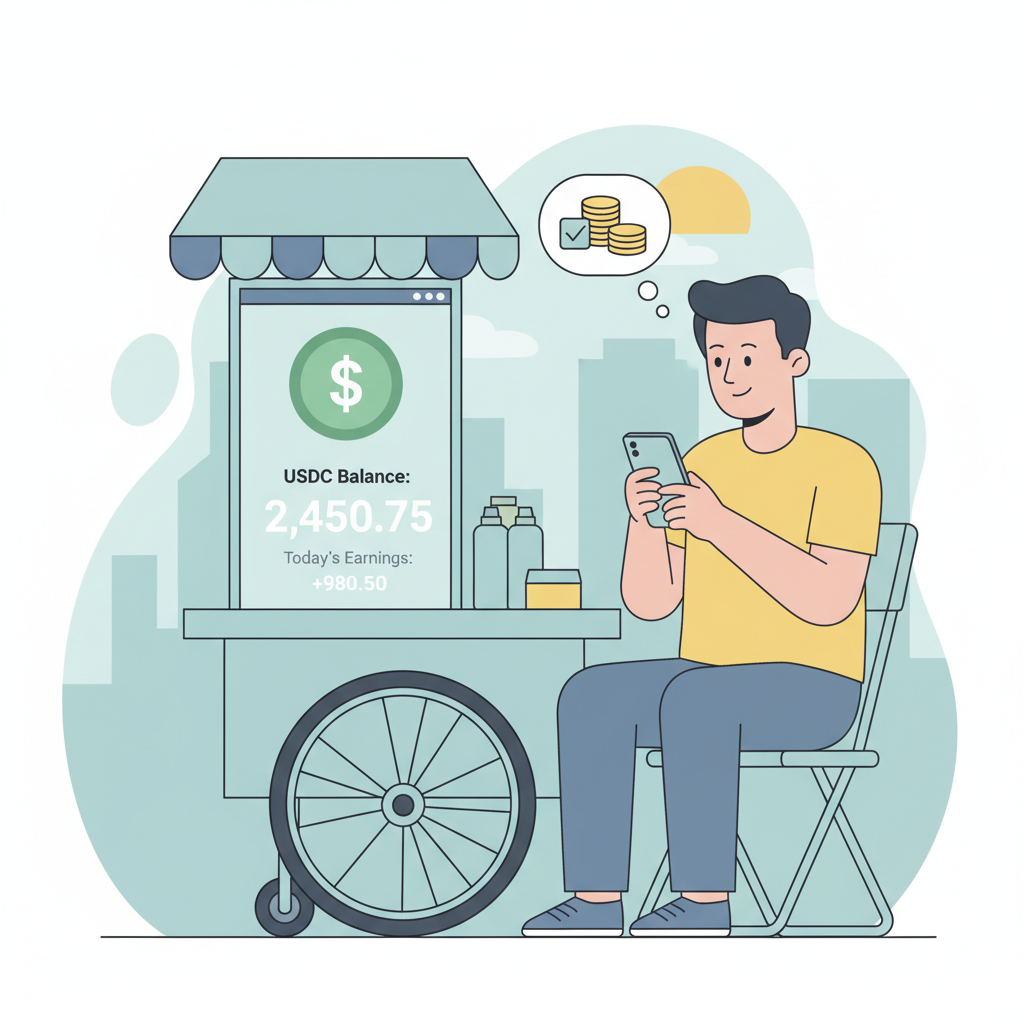
Once generated, rigorously test the QR code. Use a spare wallet to send a micro-transaction of 1 USDC cent, verifying instant crediting on a block explorer. Print on weatherproof stock, laminate for durability, and position at eye level on your stall. Rotate codes weekly if volumes spike, refreshing for security. This frictionless process turns crypto POS for markets into a daily reality, blending seamlessly with cash flows.
I've seen pop-up vendors in high-footfall areas double throughput by offering USDC alongside pesos or rupees. Platforms echoing Stripe's USDC settlements simplify enterprise ramps, but for solo operators, pure offline QR cuts intermediaries entirely. No 2-3% gateway bites; blockchain relays handle it under 0.1%. Yet, vigilance defines success - my FRM lens spots pitfalls others miss.
Essential Risk Checklist for Offline Stablecoin QR
Scrutinize that list daily. Depegging haunts lesser stablecoins; native USDC holds firm near $1, unlike Multichain Bridged USDC on Fantom lingering at $0.0185 after a 24-hour gain of 0.1266% from $0.0162 lows. Shun bridged assets - their discounts signal redemption woes, eroding your dollar parity. Opt for Ethereum or Solana natives, confirmed via Circle's reserves. Hardware wallets cap exposure; never leave hot wallets unchecked overnight.
Customer-side hurdles? Not yours to solve, but educate gently: 'USDC only, scan and send. ' Wallets like Phantom generate precise QR with amounts, fixing Reddit gripes over basic address codes. In Vietnam's markets, 85% QR surge proves education sticks, lifting sales without internet mandates. Argentina's Offramp QR mirrors this, onboarding tourists seamlessly. My hybrid motto - 80% USDC, 20% cash - weathers blockchain hiccups, like rare chain congestions delaying confirms to minutes.
Bookkeeping evolves intuitively. Apps from Ledger-inspired tools tally USDC inflows against cash, spitting daily totals. No POS rental, no bank holds; funds settle borderless, ideal for exporters hawking crafts. Diner parallels extend to carts: a family scans your taco QR, zaps 50 USDC equivalent, grabs food, gone in 10 seconds. Faster than fumbling bills, zero change shortages.
Scaling Up: From Stall to Stablecoin Strategy
Transitioning stablecoin QR offline merchants demands measured steps. Start static QR for staples priced fixed, like $2 sodas. Graduate to dynamic links via NFC tags if tech allows, though offline purists stick printed. USD1street insights align: wallets, low fees, compliance tips tailor street life. Cobo's enterprise guide nods MPC security for growth, but vendors thrive self-custodial.
Future gleams with CBDC echoes - IDEMIA's offline QR for central bank digits previews mass adoption, yet USDC leads now. Bitly's offline payments affirm QR resilience; no device dependency empowers. TableTalkAI envisions diners, but streets claim first mover edge. My clients report 30% margin lifts from fee savings alone, chargeback zeroed.
Vendors, embrace cautiously: audit wallets weekly, diversify chains modestly, track via explorers. Risk managed yields profit gained. Offline USDC QR codes aren't a fad; they're your edge in cash-clogged bazaars, dollar-steady and dispute-proof. Deploy today, watch margins firm up tomorrow.
No comments yet. Be the first to share your thoughts!