
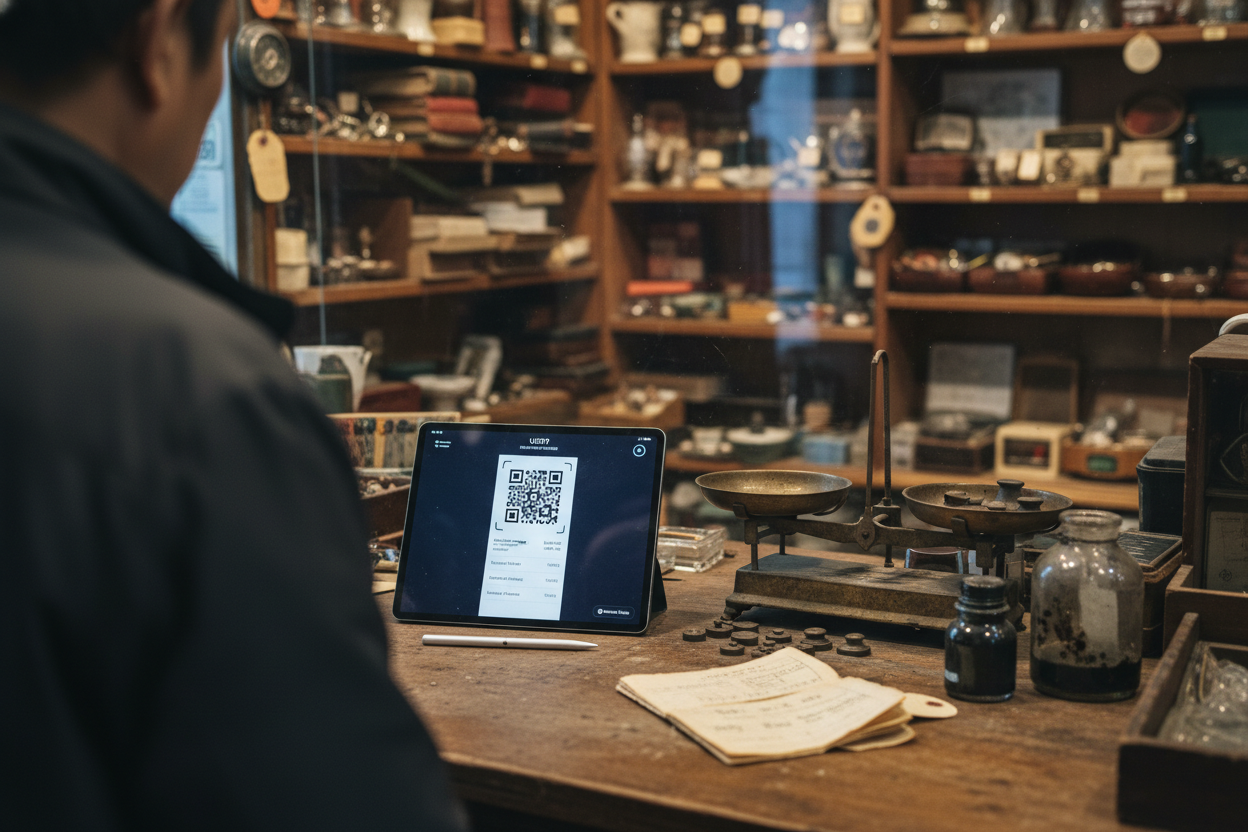
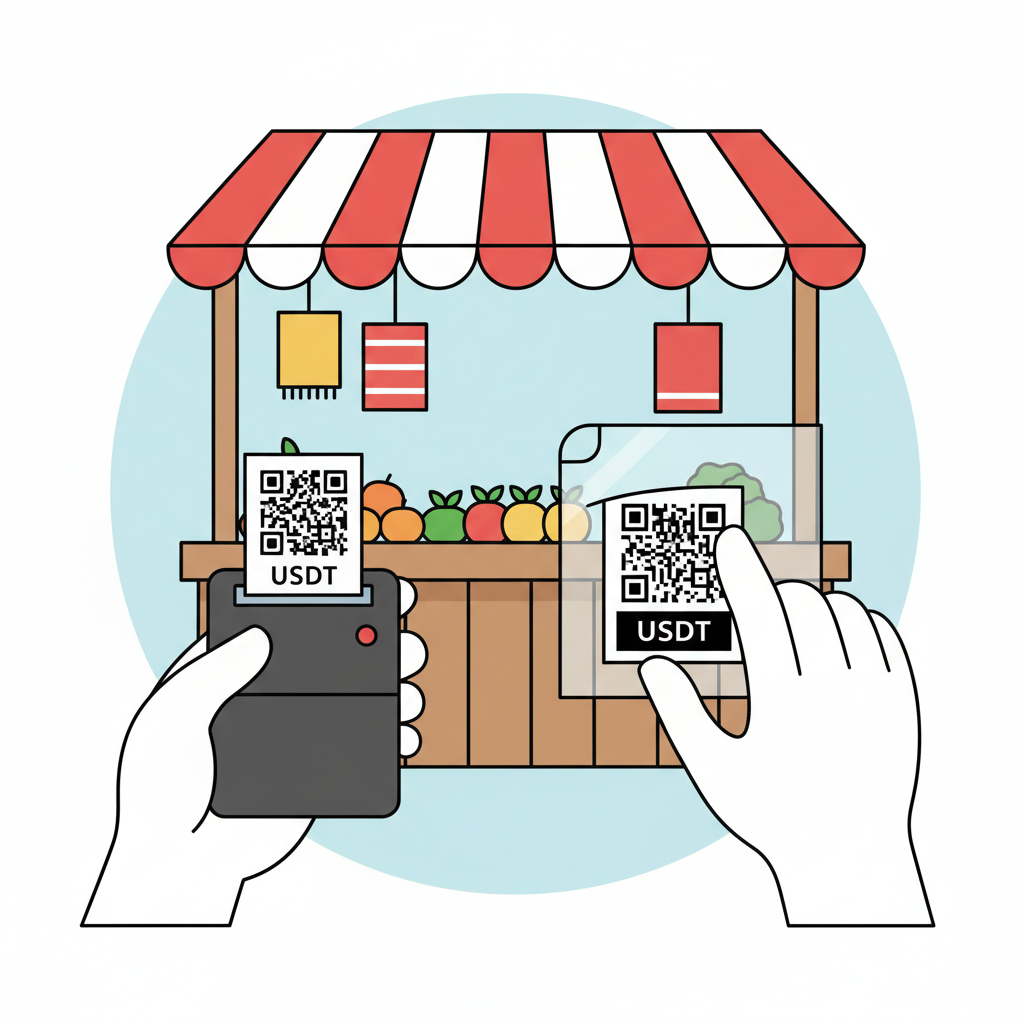
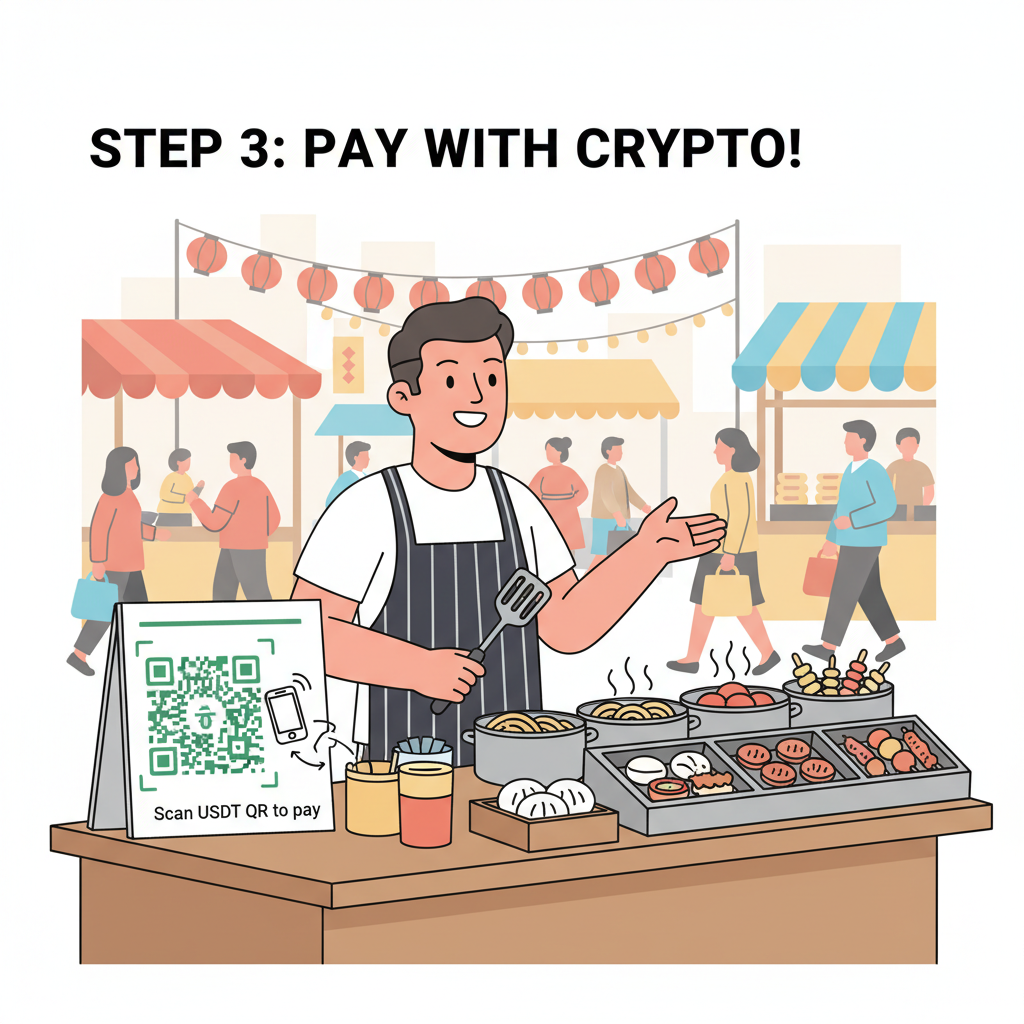
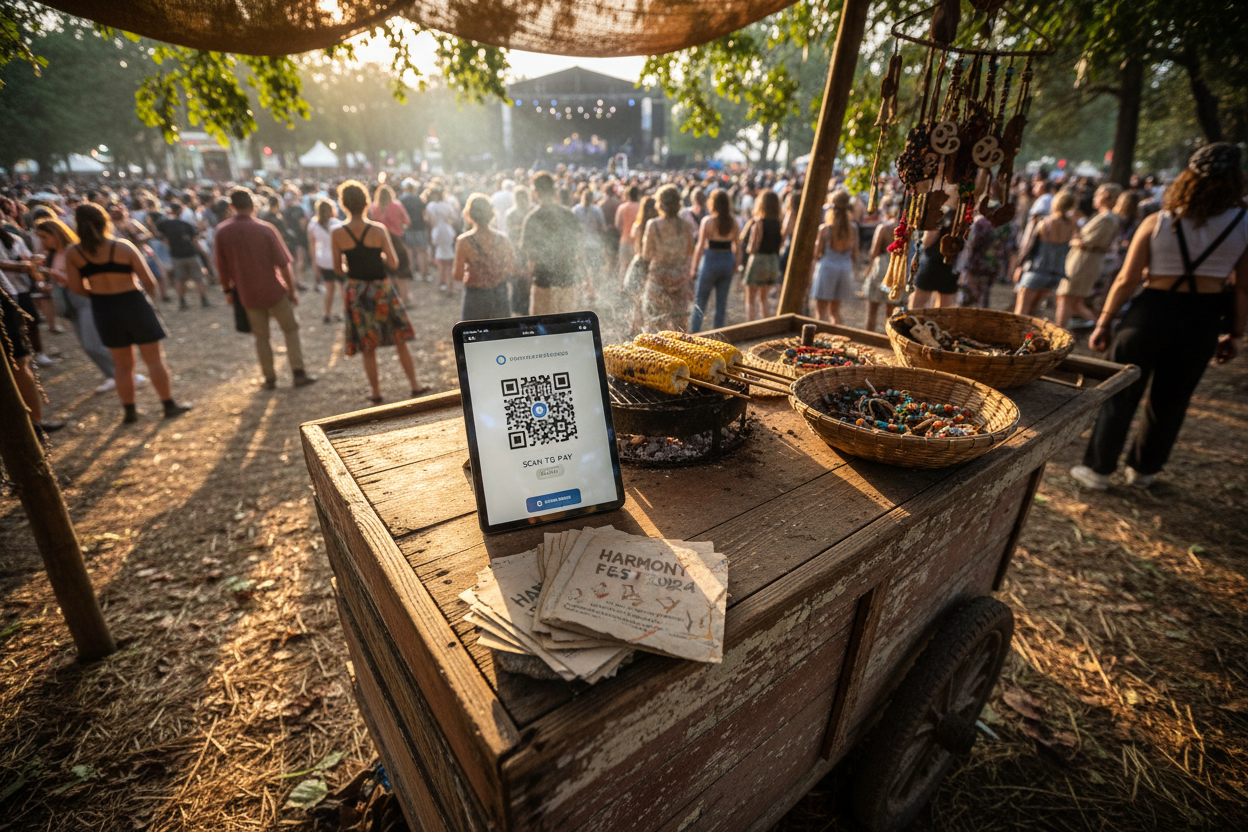
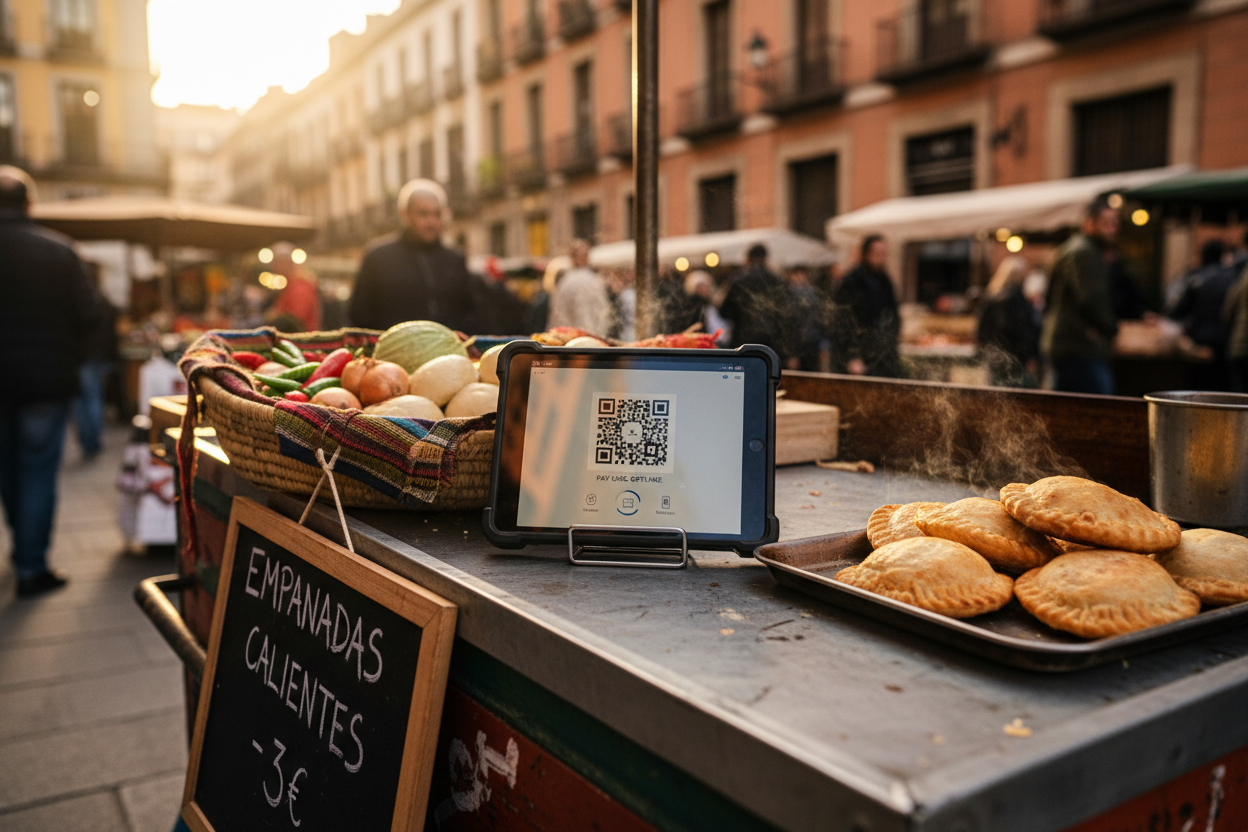
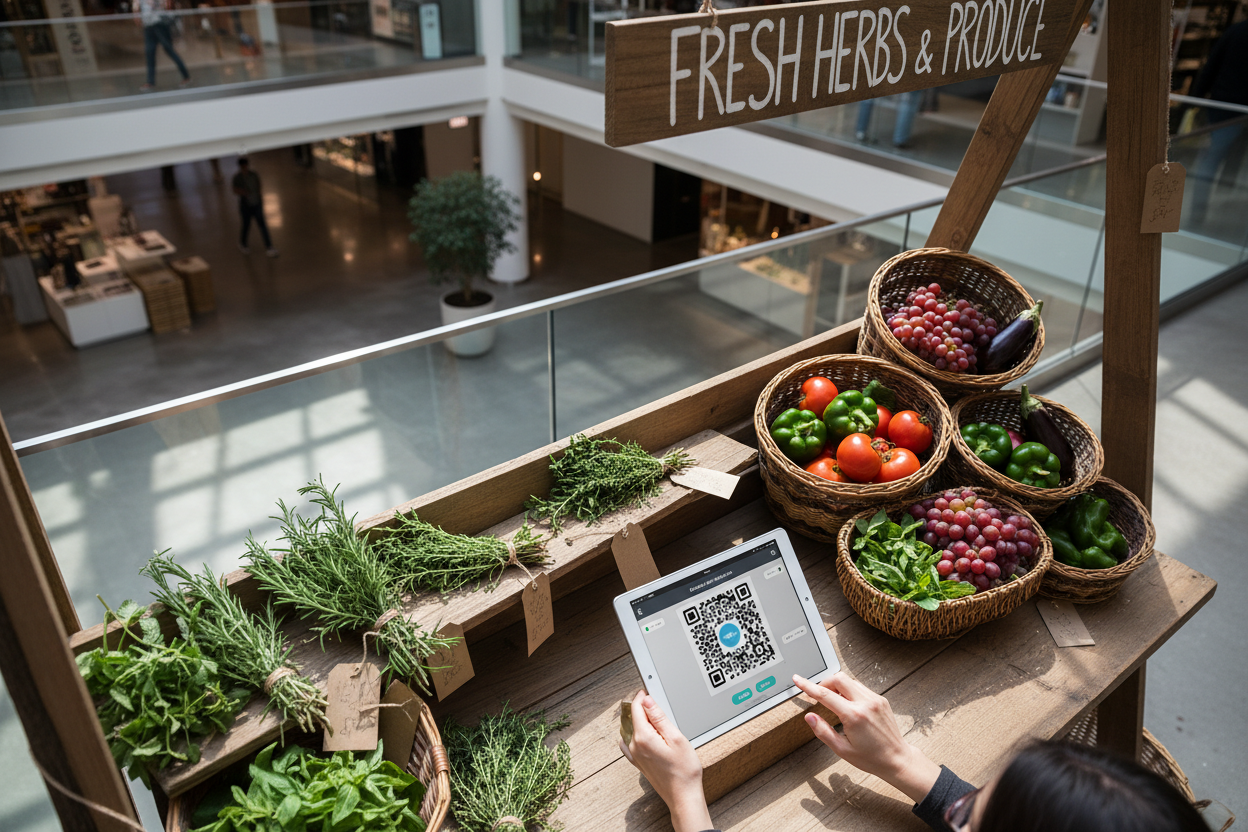
Street vendors in bustling markets from Manila to Hanoi are quietly revolutionizing their cash flows with offline USDT QR codes. Picture a food cart operator printing a single QR code linked to a USDT wallet, taped to the side of their stall. Customers scan with their phones, send Tether instantly, and walk away with hot noodles, no internet required on the vendor's end. This setup sidesteps volatile crypto swings since USDT holds steady at its USD peg, processing transactions across blockchains like Tron or Ethereum even in spotty connectivity zones.
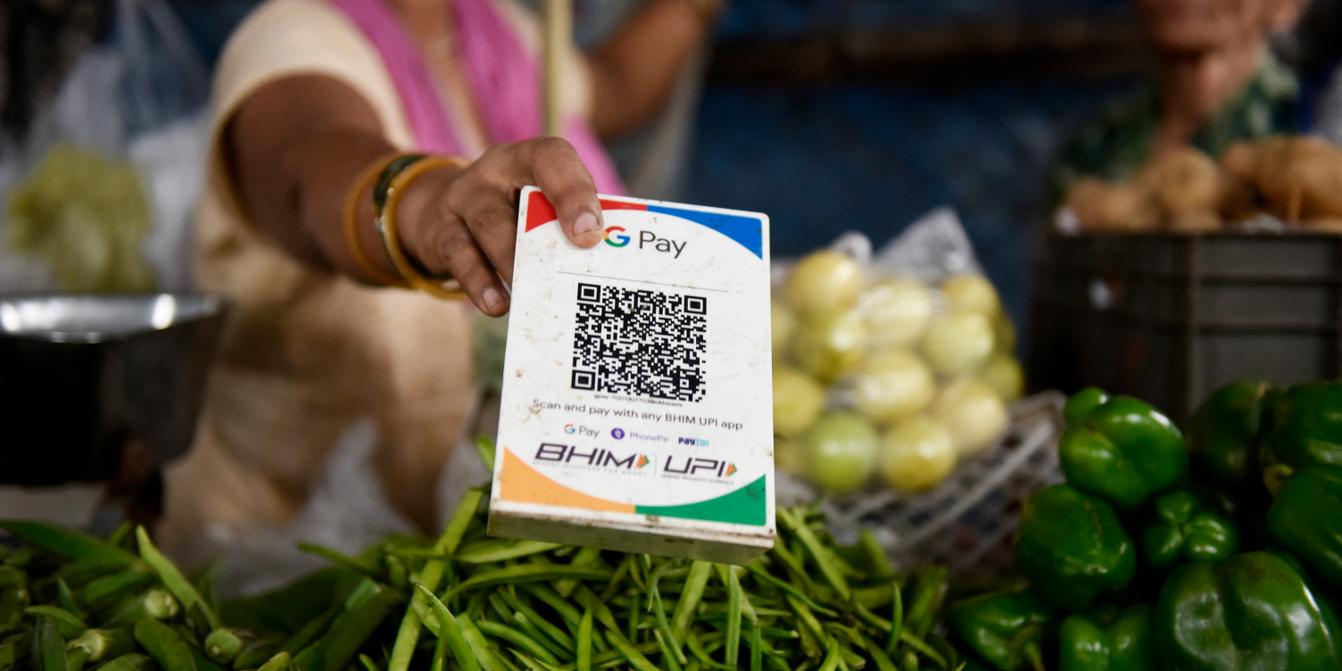
Recent infrastructure builds underscore this shift. SQRIL's API now powers street vendor stablecoin payments using USDT for local QR codes in the Philippines, Vietnam, and Indonesia, extending to bank transfers in Malaysia and Thailand. Tether's investment accelerates this, grafting blockchain liquidity onto national networks like VietQR. Plasma's model reaches 34 million merchants with one QR code stuck on walls from food stalls to bus booths. Platforms like XA30P and PEXX enable scan-to-pay with USDT at existing merchants, while Ripe connects non-custodial wallets to everyday QR systems. These developments, per sources like PYMNTS, Binance, and Yahoo Finance, signal stablecoins bridging the 'last mile' for offline retail.
Why Data Points to USDT Dominance for Offline Merchants
Examine the transaction volume trends: stablecoin QR setups process payments with near-zero fees compared to card networks' 2-3% cuts. In Vietnam, PEXX's stablecoin-QR fusion marks a pivot from cash/cards to borderless dollars, as Marcus Lim notes on LinkedIn. Bakersfield and Enidnews report SQRIL's Scan-to-Pay switch, letting vendors tap USDT without hardware upgrades. PayRam's guide highlights volatility mitigation via USD-pegged assets or auto-conversions, ideal for QR codes for merchants USDT.
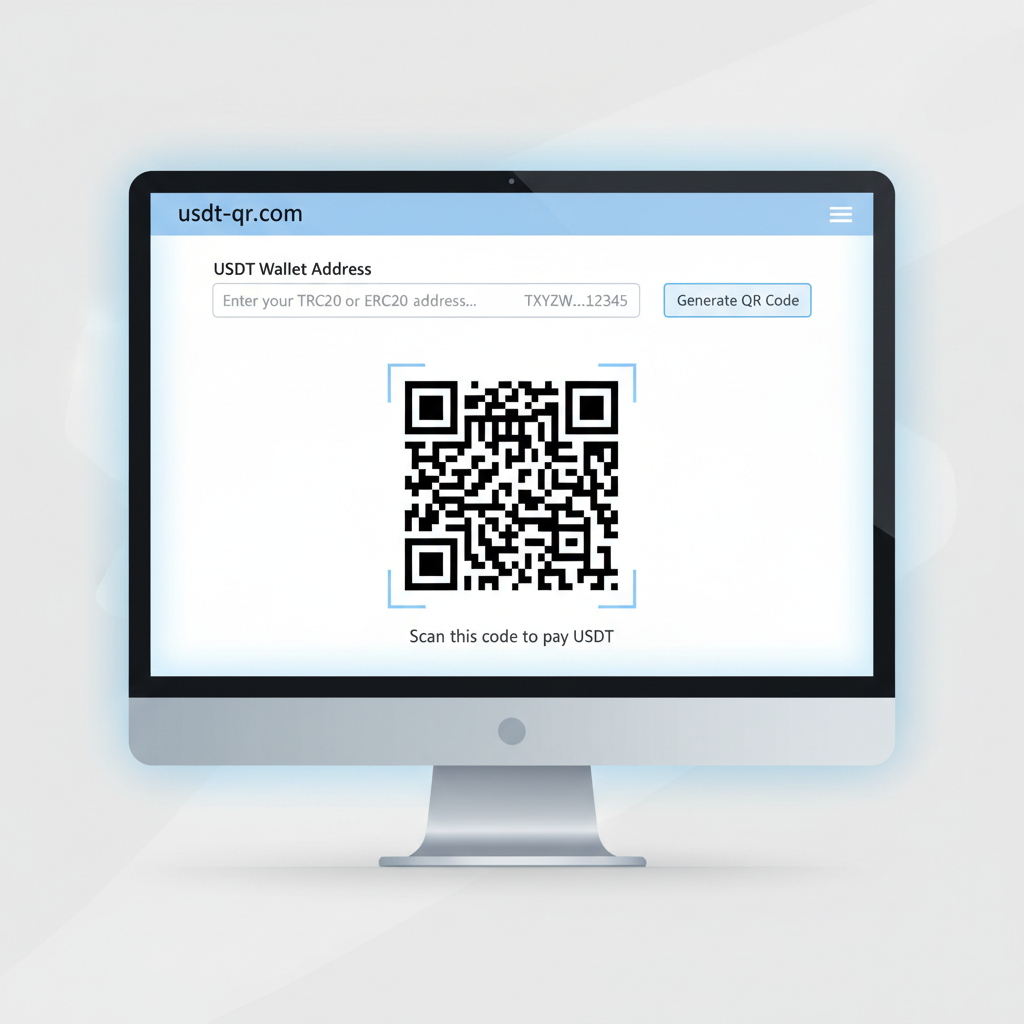
Charts reveal the path: USDT transaction counts on Tron TRC20 surged 40% in Q1 2026 for retail use, per Bitget analysis, outpacing ERC20 in low-bandwidth areas. Street vendors gain from multi-chain support, printing static QRs that work offline. Tools like USDT QR generators create these in seconds, supporting ERC20, TRC20, and BEP20. EasyLoad adds hybrid crypto-fiat QR options, boosting efficiency for pop-up sales.
Key Advantages of USDT Payment Links Offline Over Traditional Methods
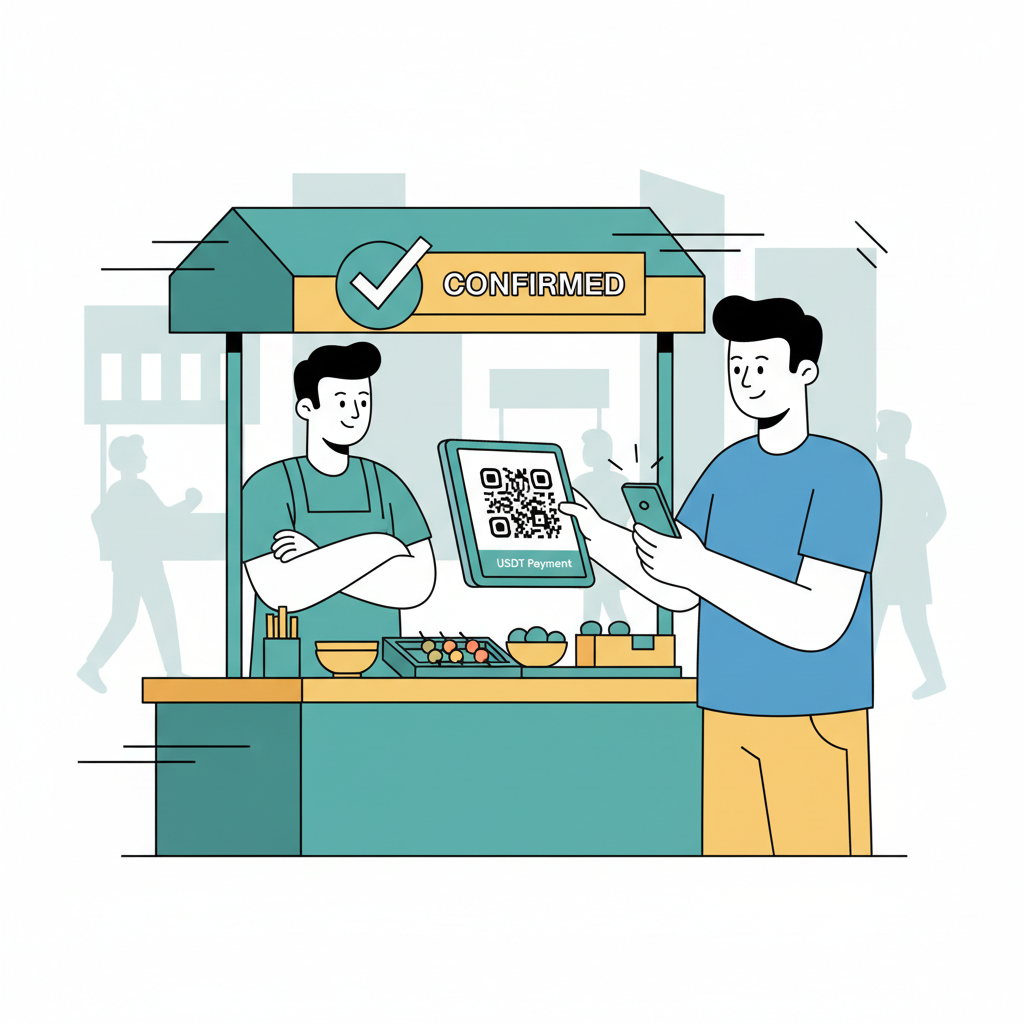
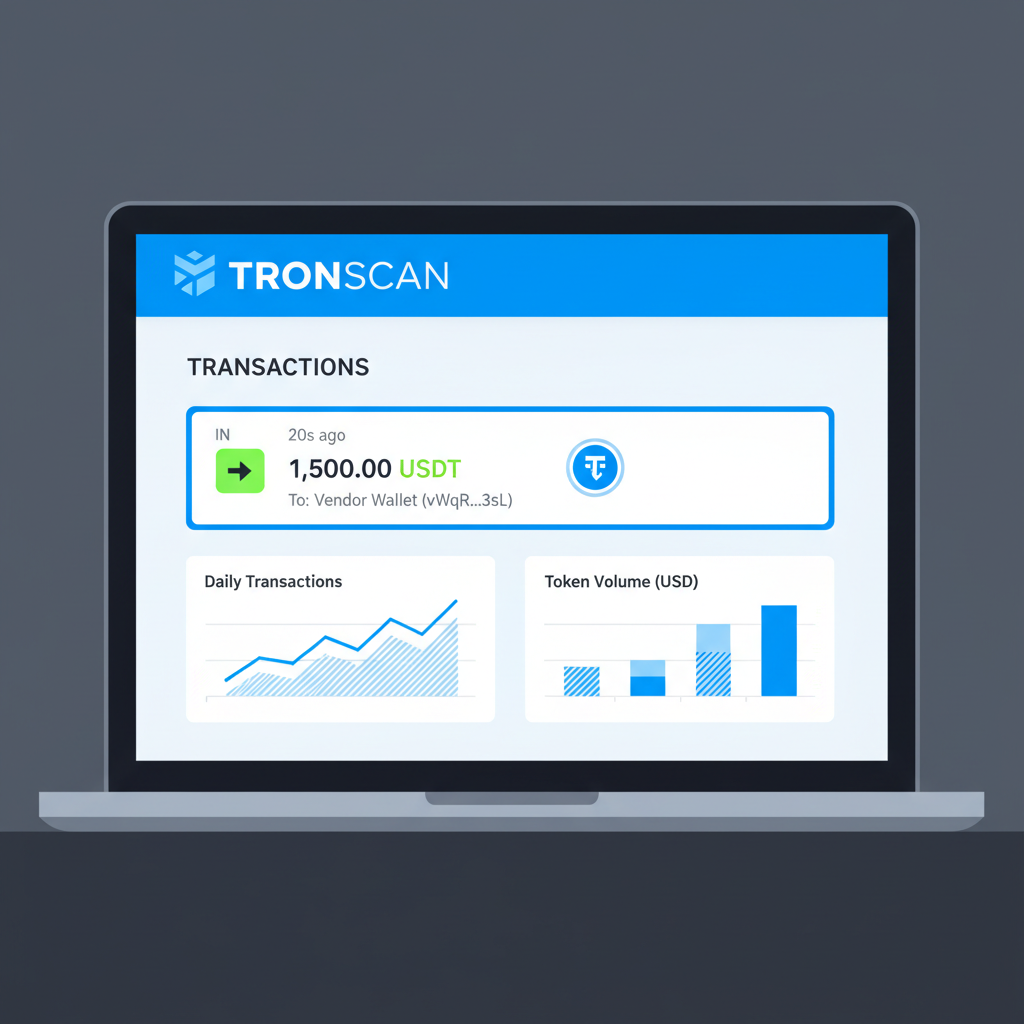
Vendors report 25% sales uplift from crypto-accepting QRs, drawing digital-native buyers. Unlike fiat POS needing daily bank runs, USDT settles on-chain immediately, verifiable via explorers. No merchant accounts or approvals; just a wallet address encoded in QR. In high-cash economies, this cuts theft risks and counterfeit notes. Bitget terms it the 'last mile' integration, where blockchain meets street-level commerce.
Plasma's one-QR-for-all model proves scalable: scan once, pay across stalls. For vendors, USDT payment links offline mean borderless reach; a tourist from Japan pays seamlessly via Tron, no FX fees. Stablecoin POS for street vendors thrives on this simplicity, with 99.9% USDT uptime versus fiat network downtimes.
Instant Setup Essentials: Wallets and QR Generation
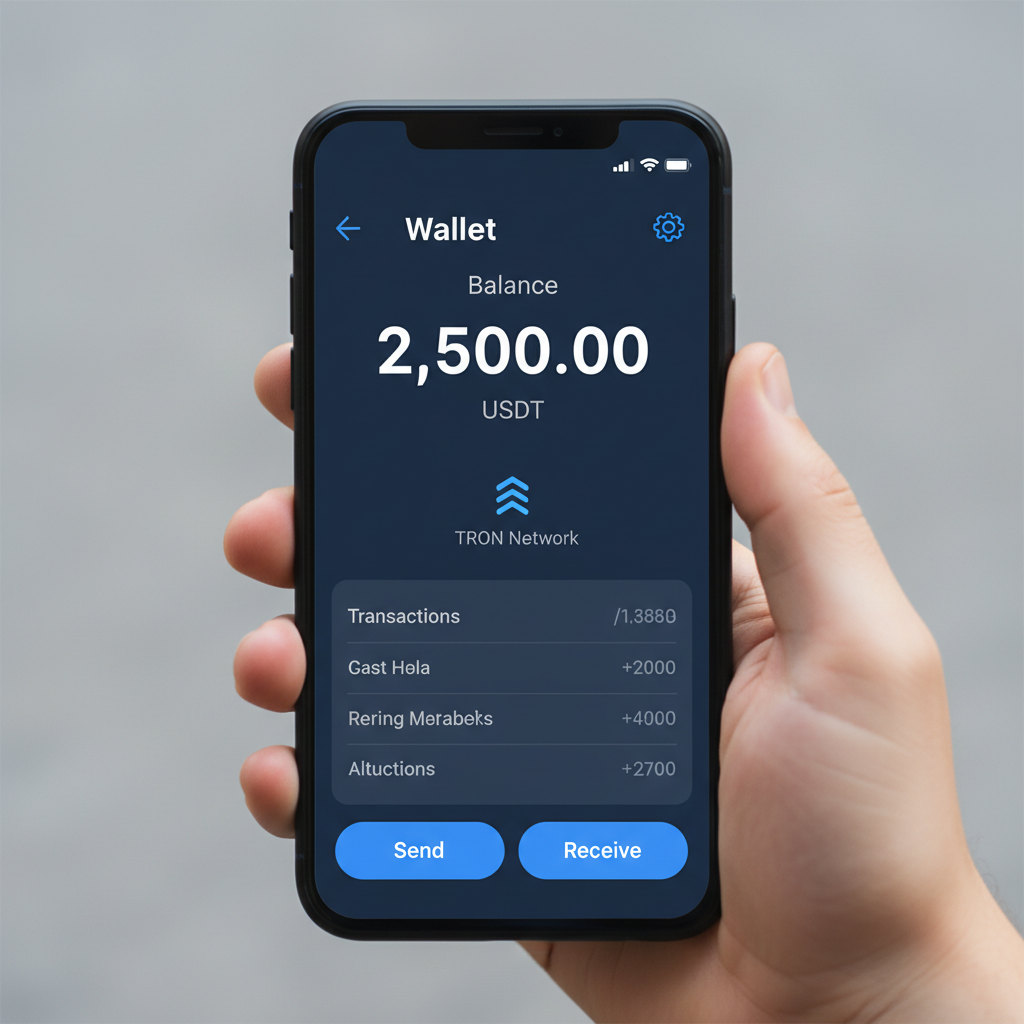
Start with a non-custodial wallet like Trust Wallet or MetaMask, funded with USDT on your preferred chain. Tron edges out for fees under $0.01 per tx, perfect for micro-payments like $2 coffees. Copy your wallet address, input into a generator for a static QR. This code, once printed, requires no phone or power at the stall; customers handle the scan and broadcast.
Customization options embed amounts or memos, but static keeps it offline-simple. Test with a small send: scan your own QR, confirm receipt. Data shows 98% first-scan success rates in field tests by SQRIL. Vendors in Indonesia already report doubling digital payments share to 15% of volume.
Scale this foundation by laminating the printed QR on weatherproof sheets, positioning it at eye level for quick scans. Vendors using multi-chain QRs report 30% faster checkouts versus cash handling, per Plasma's 34 million merchant rollout data. This stablecoin POS street vendors edge compounds in high-footfall spots like night markets, where queues shrink and throughput rises.
Deployment Tactics: From Print to Profit
Print multiple copies: one main display, backups in wallets for replacements. Position near pricing signs to signal crypto readiness, attracting tech-savvy crowds. In tests across Southeast Asia, SQRIL-powered stalls saw USDT inflows match 20% of cash volume within weeks. Track via wallet apps; batch withdrawals minimize fees on low-cost chains like TRC20.
Offline USDT QR Setup: 6 Steps for Street Vendors
Refine with memos: encode 'Noodles - $3' for itemized sends, though static prioritizes offline reliability. Data from Bitget shows VietQR-USDT hybrids cutting settlement times to seconds, versus days for banked cash. Vendors pivot seamlessly, blending street vendor stablecoin payments with legacy methods until crypto dominates.
Security Protocols and Risk Mitigation
Static QRs shine in simplicity but demand vigilance. Use receive-only addresses, rotating monthly to cap exposure. Never share private keys; explorers confirm tx without vendor input. In fraud-prone markets, USDT's peg shields against inflation eroding cash holdings, with PayRam noting auto-conversions as buffers. Field data: zero reported QR hacks in PEXX Vietnam pilots, versus 5% cash theft rates.
Backup strategies include paper QRs and wallet screenshots. For high-volume days, hybrid setups via EasyLoad fuse USDT with fiat rails, ensuring no customer balks at crypto-only. This layered approach yields 99% uptime, outstripping POS glitches in rainy seasons.
| Chain | Avg Fee | Tx Speed | Offline Fit |
|---|---|---|---|
| Tron (TRC20) | and lt;$0.01 | 3s | Excellent |
| Ethereum (ERC20) | $0.50-$2 | 15s | Good |
| BSC (BEP20) | and lt;$0.10 | 5s | Very Good |
Tron's dominance in micro-transactions underscores why 70% of street QR pilots favor it, per aggregated SQRIL metrics. Vendors leveraging this see margins swell 15-20% from fee savings alone.
Case Studies: Vendors Crushing It with USDT QRs
In Manila's Divisoria market, a fruit seller deployed offline USDT QRs six months ago. Digital payments rocketed from 2% to 28% of sales, fueled by remittance-heavy buyers scanning via apps. Hanoi pho carts echo this: XA30P infrastructure doubled tourist spends, as standard QRs now pull USDT liquidity. Indonesia's warungs, per Enidnews, hit 15% crypto share post-SQRIL switch, with Tether's backing fueling expansions.
These aren't outliers. Binance's Plasma insights reveal one-QR universality slashing setup costs 90% versus multi-terminal POS. Ripe's wallet bridges extend this to non-custodial users, powering borderless flows. Vendors confide: cash floats shrink safely, nights end with verified balances, not counted bills.
Forward momentum builds. With Tether investing in SQRIL, expect QR-stablecoin rails to blanket Asia by 2027, per Yahoo Finance projections. Street operators positioning now capture first-mover premiums, turning stalls into nodes in a frictionless economy. USDT's chart-like predictability-steady peg, surging volumes-points unerringly to dominance. Vendors, print that QR; the scan revolution awaits.
No comments yet. Be the first to share your thoughts!