
Stablecoin QR Codes for Offline Merchants: Accept USDT USDC at Street Markets Without Internet

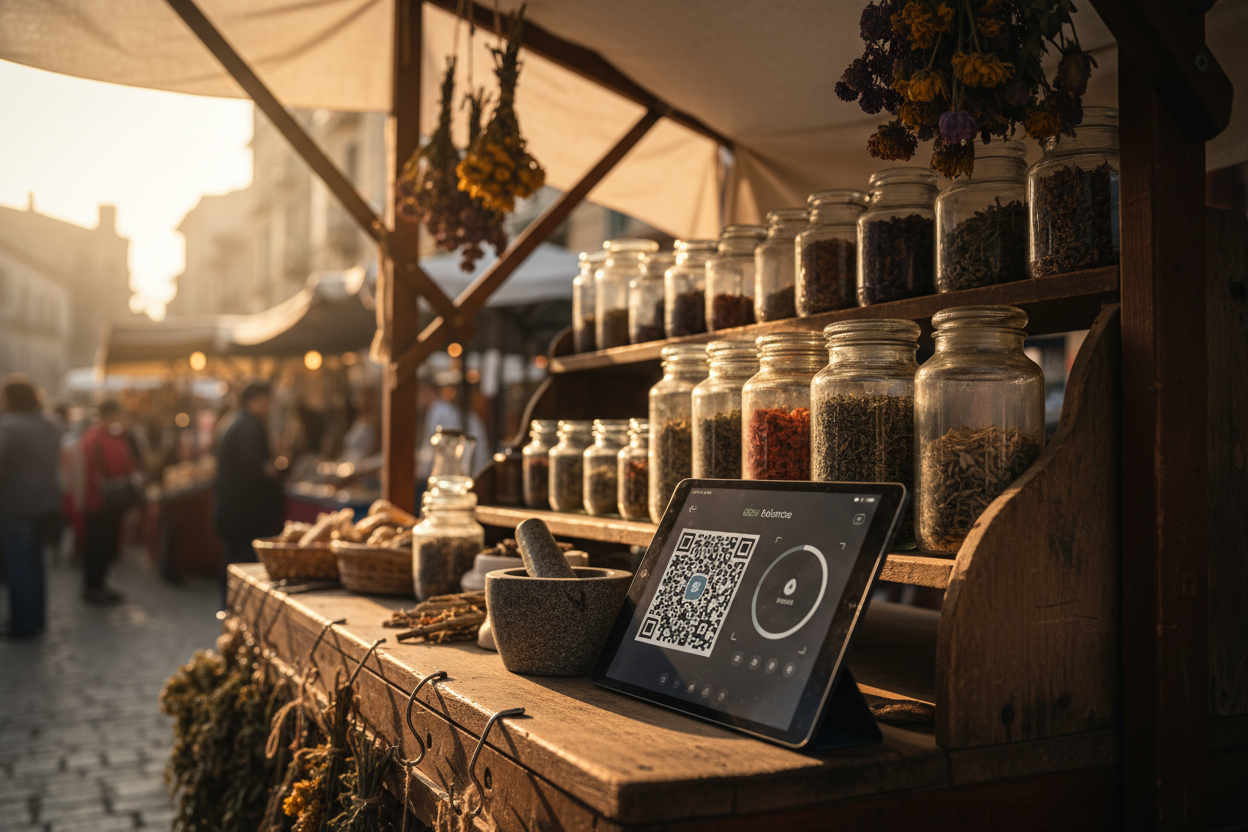
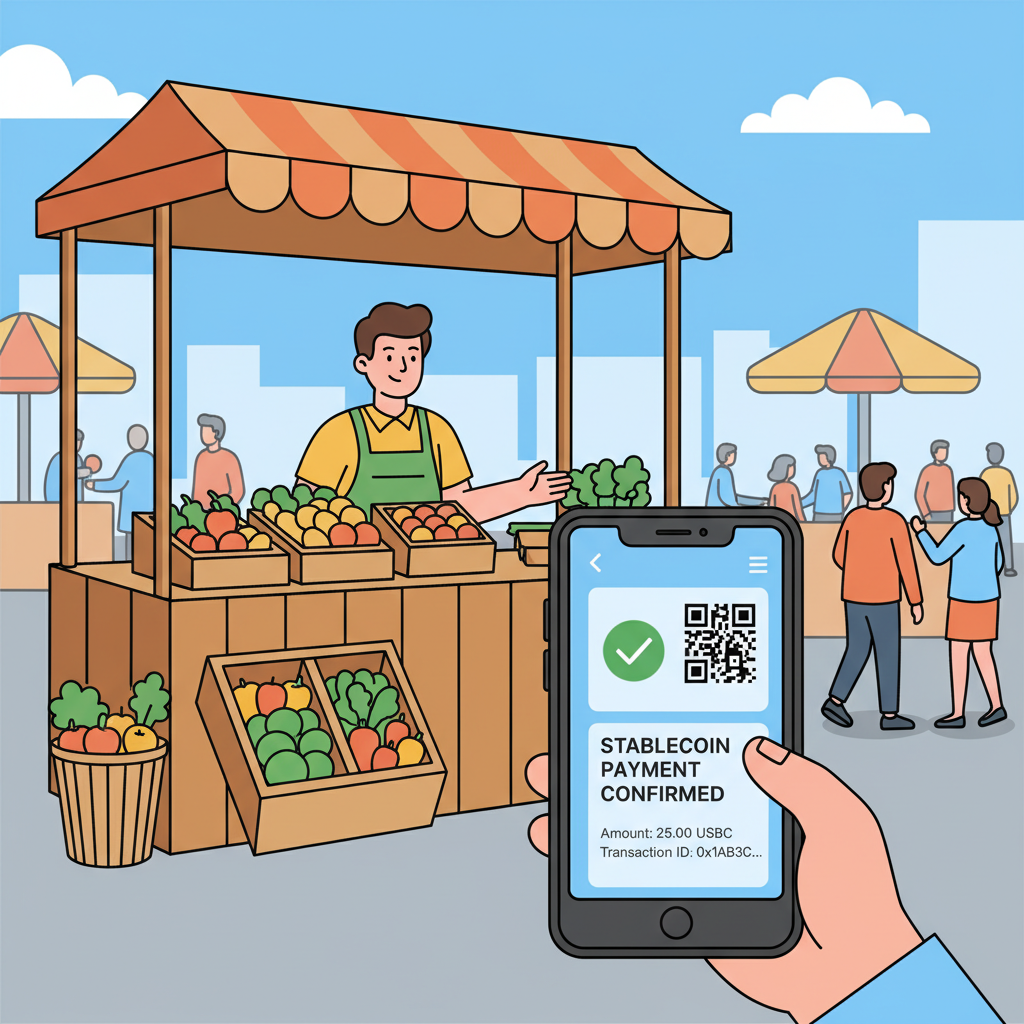
In bustling street markets from Buenos Aires to Singapore, offline merchants are quietly revolutionizing their payment systems with stablecoin QR codes. Imagine a vendor selling fresh produce or handmade crafts, generating a simple QR code for USDT or USDC payments that works even without internet access. As local currencies falter amid inflation, these USDT QR payments for street vendors and USDC POS no internet solutions offer stability pegged to the dollar. USDT holds steady at $1.00 USD, while USDC trades at $0.01897228 USD as of February 15,2026, with an intraday high of $0.01912244 USD and low of $0.01876612 USD. This isn’t hype; it’s pragmatic adaptation in regions where banking infrastructure lags.

Street Markets Turning to Stablecoins Amid Economic Pressures
Consider Argentina and Venezuela, where hyperinflation has eroded trust in fiat. Grocery stores and supermarkets now accept USDT and USDC via QR codes. The Central Market of Buenos Aires partnered with Tether and KriptonMarket, enabling seamless USDT payments at stalls. In Venezuela, similar setups address cash shortages, letting vendors receive value that doesn’t depreciate overnight. I advise caution here: while stablecoins mitigate volatility, merchants must verify wallet balances post-transaction to avoid disputes.
El Salvador pushes further, with McDonald’s and Starbucks integrating USDT and USDC through processors like Strike and Bitfinex. QR scans at counters bridge crypto to everyday commerce. Brazil’s PIX system now folds in stablecoins, converting USDT or USDC to Brazilian real instantly via QR codes. This leverages PIX’s popularity for frictionless transfers. Singapore’s OKX Pay and StraitsX launched SGQR support for USDC and USDT in September 2025, expanding to GrabPay merchants. These cases prove stablecoin QR codes for offline merchants aren’t fringe; they’re scaling globally.
Stablecoins like USDT at $1.00 USD provide the dollar exposure merchants crave without capital controls.
Technological Backbone: Offline-Capable QR Systems
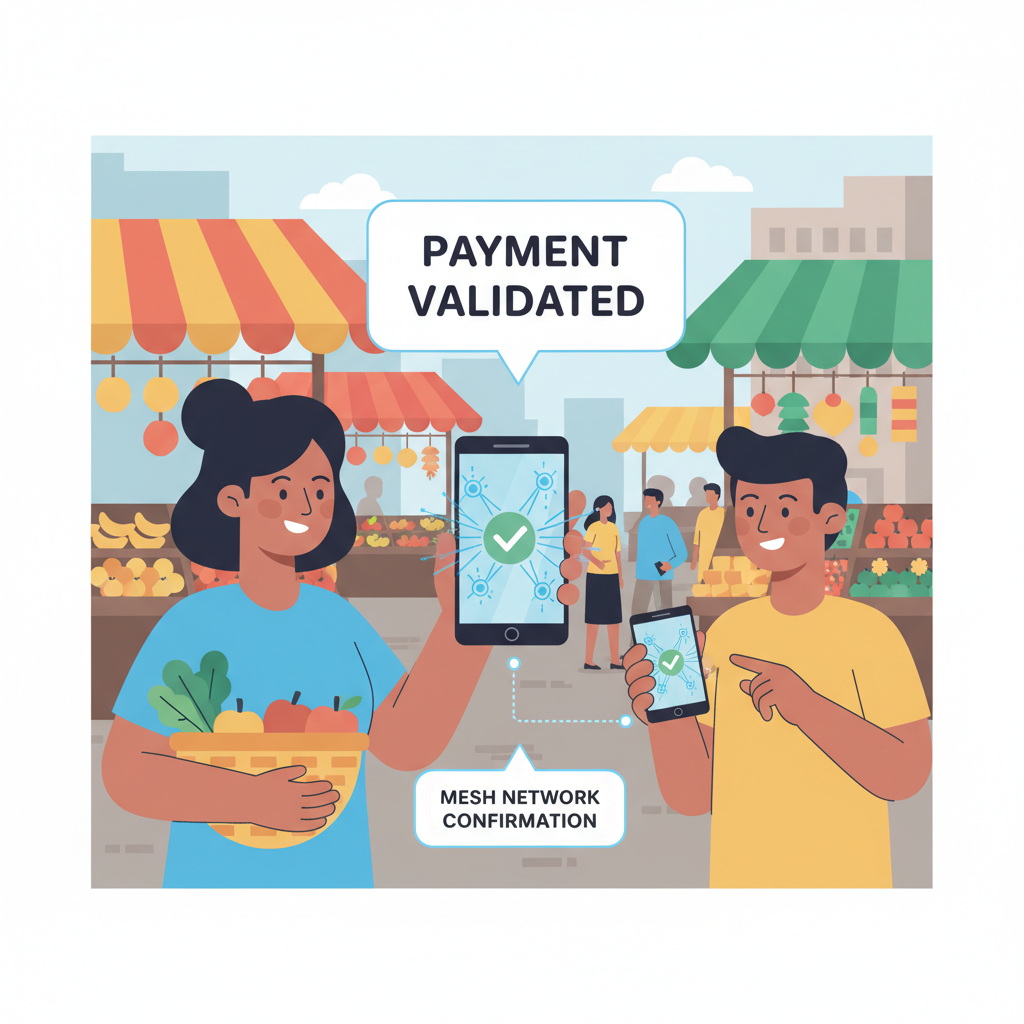
Core to this shift are platforms like StablecoinMerchant and USD1street. com, designed for no-internet scenarios. StablecoinMerchant offers checkout systems supporting USDC and USDT, using local mesh networks for offline transactions. Instant settlement and inventory tools make it merchant-friendly. USD1street. com targets street payments with QR or NFC for USD1 stablecoins, handling dynamic pricing and receipts without connectivity.
From a risk manager’s view, these demand rigorous testing. Offline QR generation embeds payment details; customers scan via mobile wallets, signing transactions that sync later. Real-time exchange engines convert stablecoins to local fiat at scan time, crucial as USDC fluctuates slightly to $0.01897228 USD. Platforms like WalletConnect and DeCard extend this to trusted terminals, scanning QR for USDC or USDT. Polygon Labs unlocks this for 150 million users, while XA30P converts scans to local currency directly.
Yet, authority tempers enthusiasm. Regulatory compliance looms; Brazil’s PIX integration shows governments grafting blockchain onto national rails, as in Vietnam’s VietQR with USDT. LADT notes this as the ‘last mile’ for crypto. For vendors, offline stablecoin payment links slash fees versus cards, settle faster, and shield from devaluation. A street seller in El Salvador pays 1-2% fees instead of 5%, pocketing more from each USDC sale at $0.01897228 USD equivalent.
Practical Setup for Street Vendors Using QR Generators
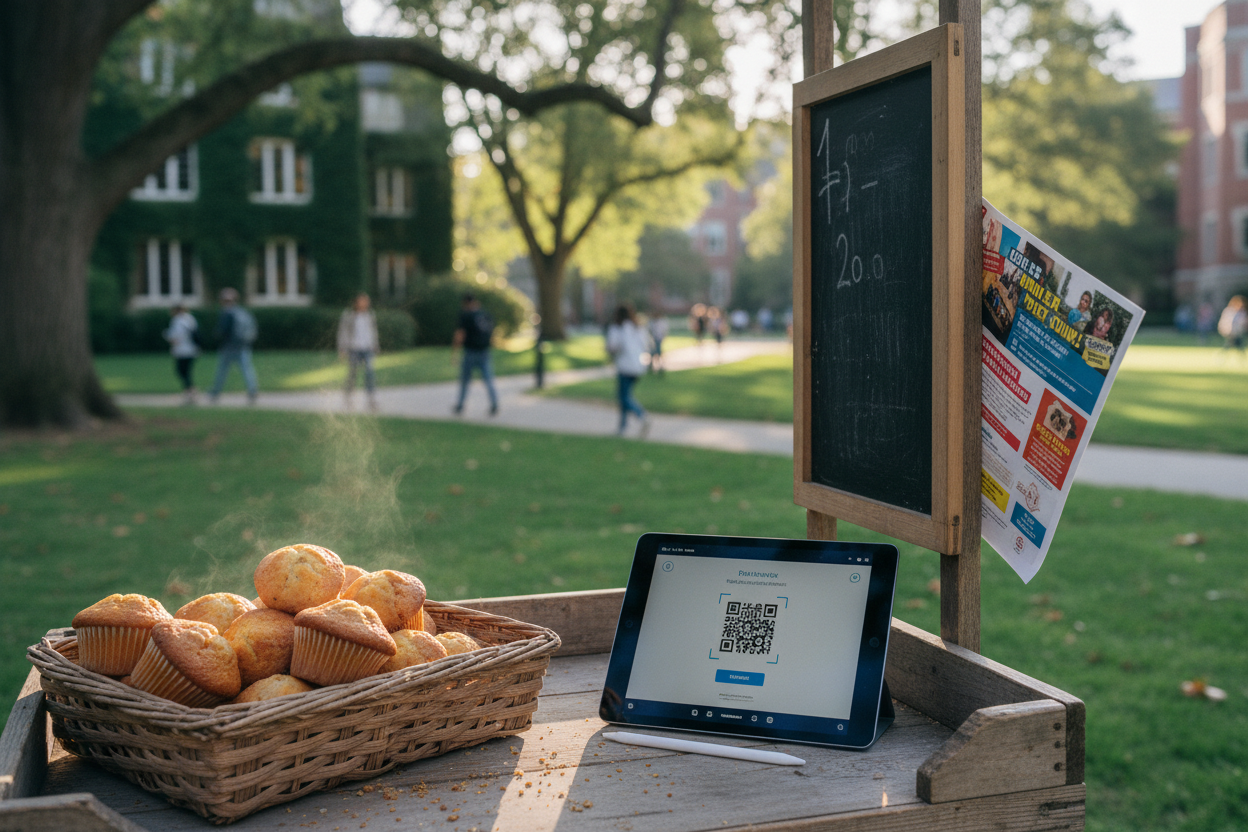
Generating these codes is straightforward with tools like QR code generator for merchants USDC USDT at StableQRPay. com. Merchants input amount, stablecoin type, and optional expiration; the platform spits out a scannable QR or link. No app needed on POS; print or display on phone. Customers scan, confirm in wallet like Phantom or Trust, and pay. Offline mode relies on customer’s device having recent chain data or Bluetooth mesh for validation.
Tether (USDT) Price Prediction 2027-2032
Stability Outlook for Offline Merchant QR Code Adoption and Mainstream Payments
| Year | Minimum Price | Average Price | Maximum Price | YoY % Change (Avg) |
|---|---|---|---|---|
| 2027 | $0.97 | $1.00 | $1.02 | 0.0% |
| 2028 | $0.98 | $1.00 | $1.03 | 0.0% |
| 2029 | $0.99 | $1.01 | $1.05 | +1.0% |
| 2030 | $0.995 | $1.02 | $1.07 | +1.0% |
| 2031 | $0.998 | $1.03 | $1.09 | +1.0% |
| 2032 | $1.00 | $1.05 | $1.12 | +1.9% |
Price Prediction Summary
Tether (USDT) is projected to sustain its $1.00 peg with enhanced stability driven by widespread offline merchant adoption via QR codes in emerging markets. Early years reflect bearish risks from regulatory pressures (min $0.97), while bullish demand from payment integrations pushes averages to a $1.05 premium by 2032. Ranges narrow over time as infrastructure matures.
Key Factors Affecting Tether Price
- Booming merchant adoption in Argentina, Venezuela, El Salvador, Brazil, and Singapore via QR systems
- Integrations with national rails like PIX and SGQR for seamless stablecoin payments
- Offline tech innovations (StablecoinMerchant, USD1street) enabling internet-free transactions
- Regulatory progress supporting stablecoin commerce amid currency volatility
- Heightened demand reducing depeg risks and enabling slight premiums
- Competition from USDC (currently ~$0.019) and market cycles influencing supply/demand
Disclaimer: Cryptocurrency price predictions are speculative and based on current market analysis.
Actual prices may vary significantly due to market volatility, regulatory changes, and other factors.
Always do your own research before making investment decisions.
I’ve seen businesses thrive by starting small: test with low-value transactions, track USDT at $1.00 USD inflows. Challenges persist, user education tops the list. Train customers on scanning; explain why USDC’s $0.01897228 USD price holds value. Compliance requires KYC-light setups, avoiding full banking hurdles. Volatility? Minimal for stables, but monitor pegs vigilantly.
Merchants who’ve adopted these systems report tangible gains. A Venezuelan fruit seller shared how USDT QR payments stabilized income during blackouts, converting to local currency at scan without banks. Singapore’s GrabPay network, now QR-enabled for USDC at $0.01897228 USD, processes thousands daily. But as a risk manager with two decades in the trenches, I stress due diligence: audit platforms for peg reliability, since USDC dipped to $0.01876612 USD intraday. StableQRPay. com stands out, generating offline stablecoin payment links that embed exact amounts in USDT or USDC, syncing via Bluetooth or later connectivity.
Risks and Mitigation Strategies for Offline Stablecoin QR Payments in Street Markets 🛒💰
| Risk ⚠️ | Mitigation Strategy ✅ |
|---|---|
| Transaction finality in offline mode 📡 No internet to confirm blockchain settlement, risking double-spends |
Provisional receipts with mesh validation & NFC backups (e.g., USD1street.com) for later reconciliation 🚀 |
| Regulatory uncertainty 🌍 Varying laws in regions like Argentina, Venezuela, El Salvador, Brazil |
KYC-optional start with local counsel; comply via platforms like StablecoinMerchant 👨⚖️ |
| Stablecoin volatility 💸 USDC at $0.01897228 USD (intraday high $0.01912244, low $0.01876612) |
Diversify to USDT at $1.00 USD; real-time fiat conversion like XA30P or PIX 🛡️ |
| High fees comparison 💰 Potentially higher than cash or local QR like VietQR/SGQR |
Under 1% fees with instant settlements via WalletConnect, DeCard, or OKX Pay ⚡ |
| User friction with wallets 📱 Street vendors/customers unfamiliar with scanning USDT/USDC QR |
Education campaigns, fiat fallbacks, and simple scan-to-pay like GrabPay network 🏪 |
Global traction builds momentum. WalletConnect integrates stablecoins into trusted terminals; Polygon Labs’ DeCard targets 150 million for USDT scans. Vietnam’s VietQR grafts USDT liquidity onto national networks, per Bitget insights. Restaurants experiment too, wallet-to-wallet USDC transfers skipping banks, as TableTalkAI observes. Crypto POS like OxaPay fits mobile booths perfectly.
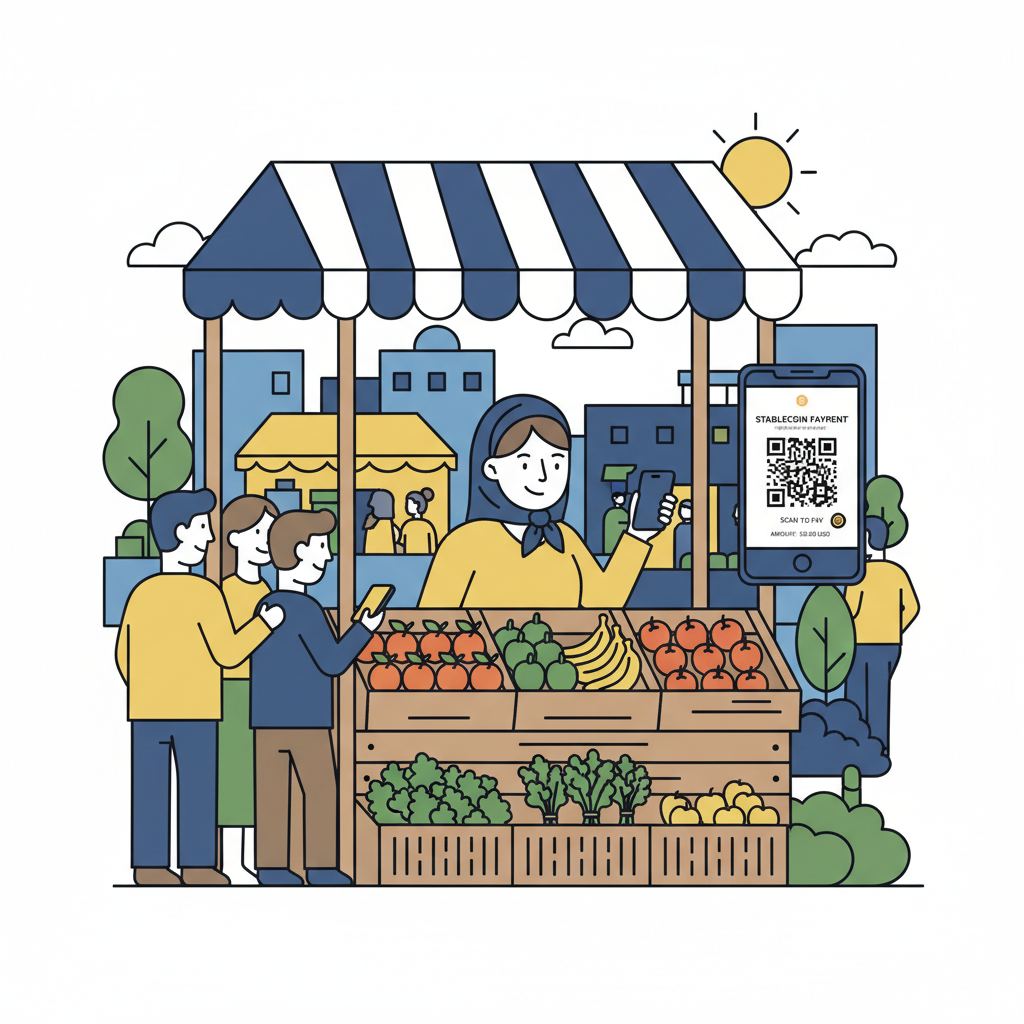
Offline Stablecoin QR Guide: Accept USDT/USDC at Street Markets


Merchant Success Metrics and Scaling Tips
Quantify impact: Brazilian PIX-stablecoin users see 20% sales uplift from crypto buyers, per LADT. Argentina’s markets cut remittance costs, funneling USDT at $1.00 USD directly. Track metrics like conversion rates, peg holds (USDC steady near $0.01897228 USD), and dispute ratios under 1%. Scale by inventory-linking QRs; StablecoinMerchant imports stock for dynamic pricing.
Benefits for Offline Merchants
-
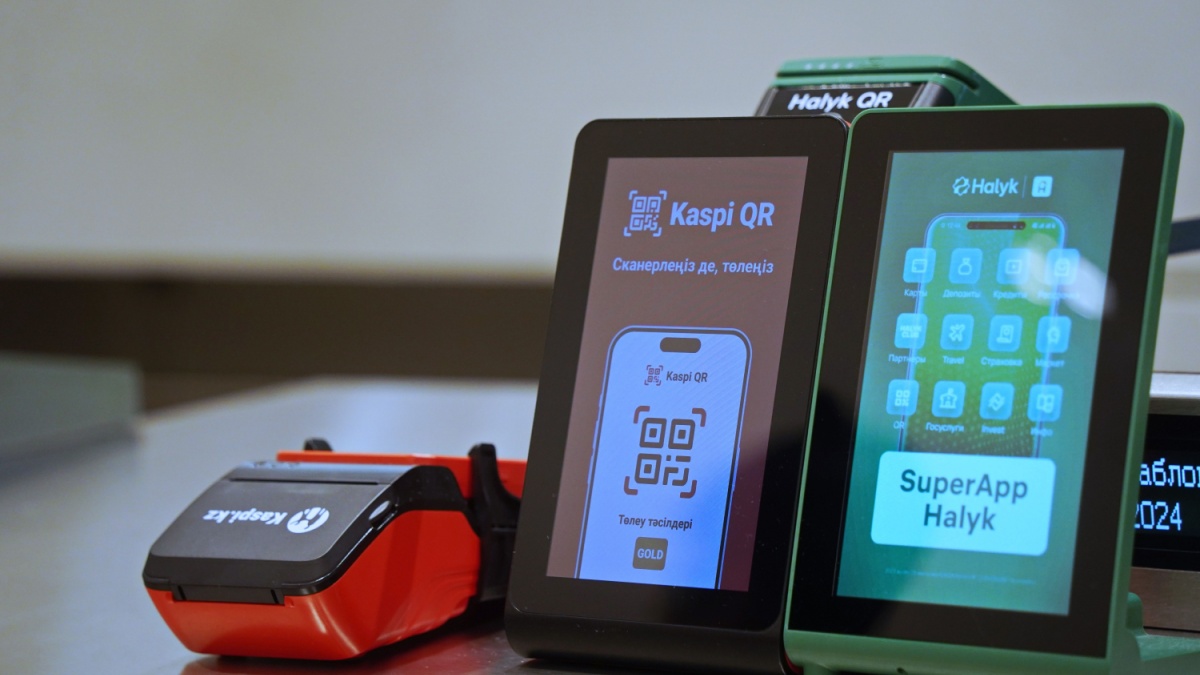
No internet needed: Use mesh networks like StablecoinMerchant for offline QR payments with USDT/USDC.
-
Low fees under 1%: Vs. 5% card fees, stablecoin transactions via platforms like USD1street.com minimize costs for street vendors.
-
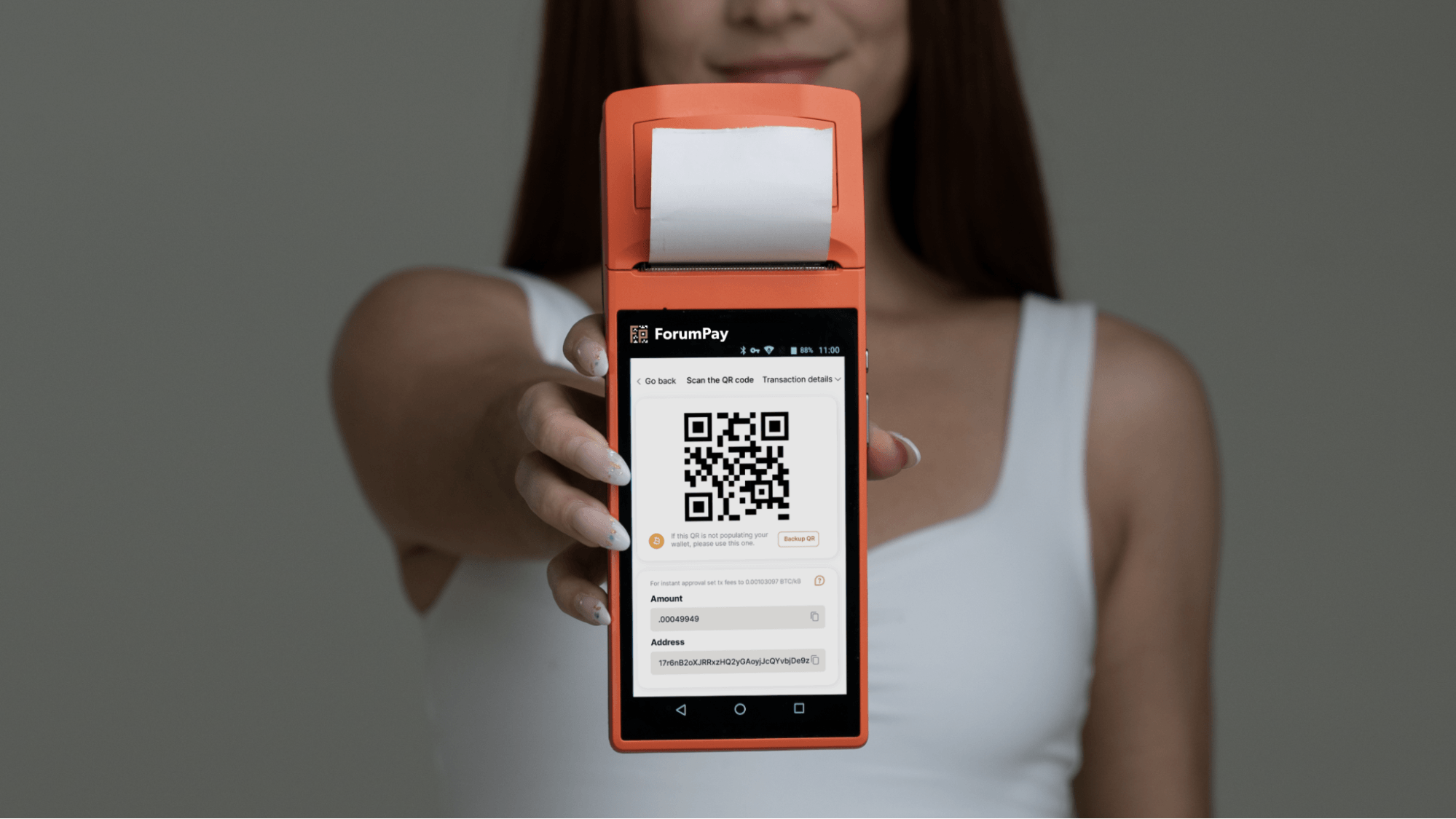
Instant $1.00 USDT settlements: Real-time confirmation without banks, as seen in El Salvador’s QR systems with Bitfinex.
-
Inflation hedge: USDC pegged at $0.01897228 provides stability amid local currency volatility, per current market data.
-
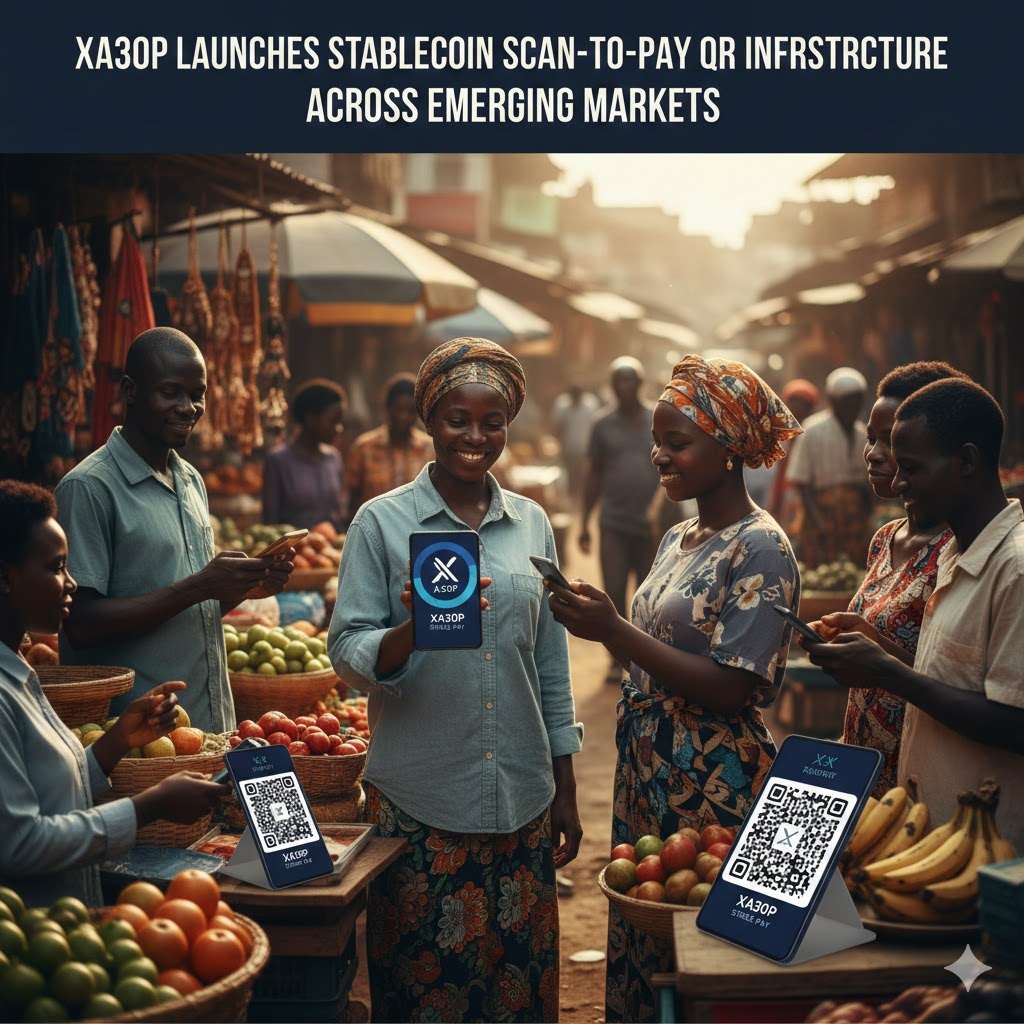
Global tourist reach: Accept USDT/USDC from international visitors scanning QR codes, expanding markets like in Singapore’s SGQR.
-
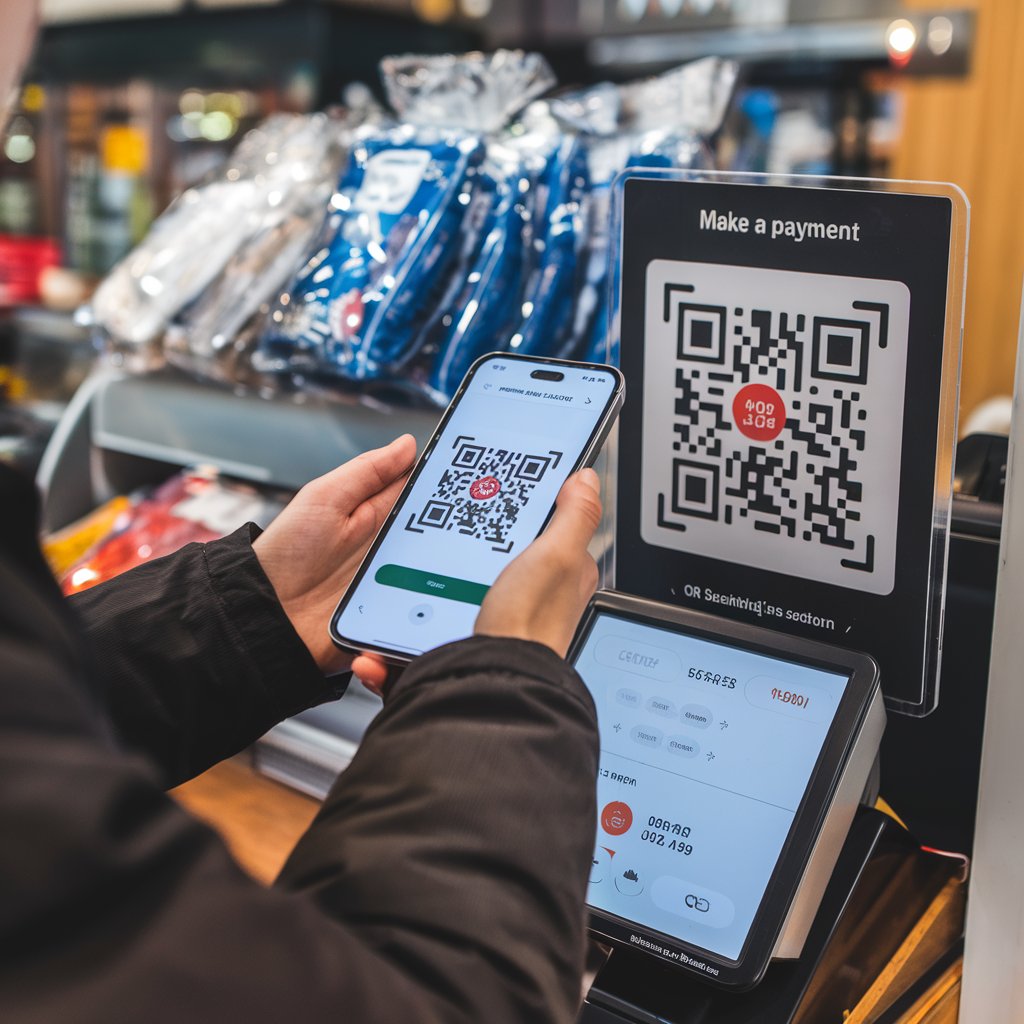
Receipts & dynamic tips: Platforms like USD1street.com generate receipts and support tip adjustments offline.

Forward-looking, 2026 forecasts stablecoin volume exploding in emerging markets. Technical engines, like MPChat’s real-time converters, ensure fiat parity at payment. Cards from Lisk providers bridge further, but pure QR shines for low-tech POS. Vendors, prioritize audited platforms; I’ve vetted StableQRPay. com for its conservative offline protocols.
Risk managed is opportunity gained. Street markets wielding USDT QR payments for street vendors and USDC POS no internet setups aren’t just surviving; they’re outpacing legacy systems. With USDT locked at $1.00 USD and USDC resilient around $0.01897228 USD, this wave carries merchants through volatility into reliable growth.