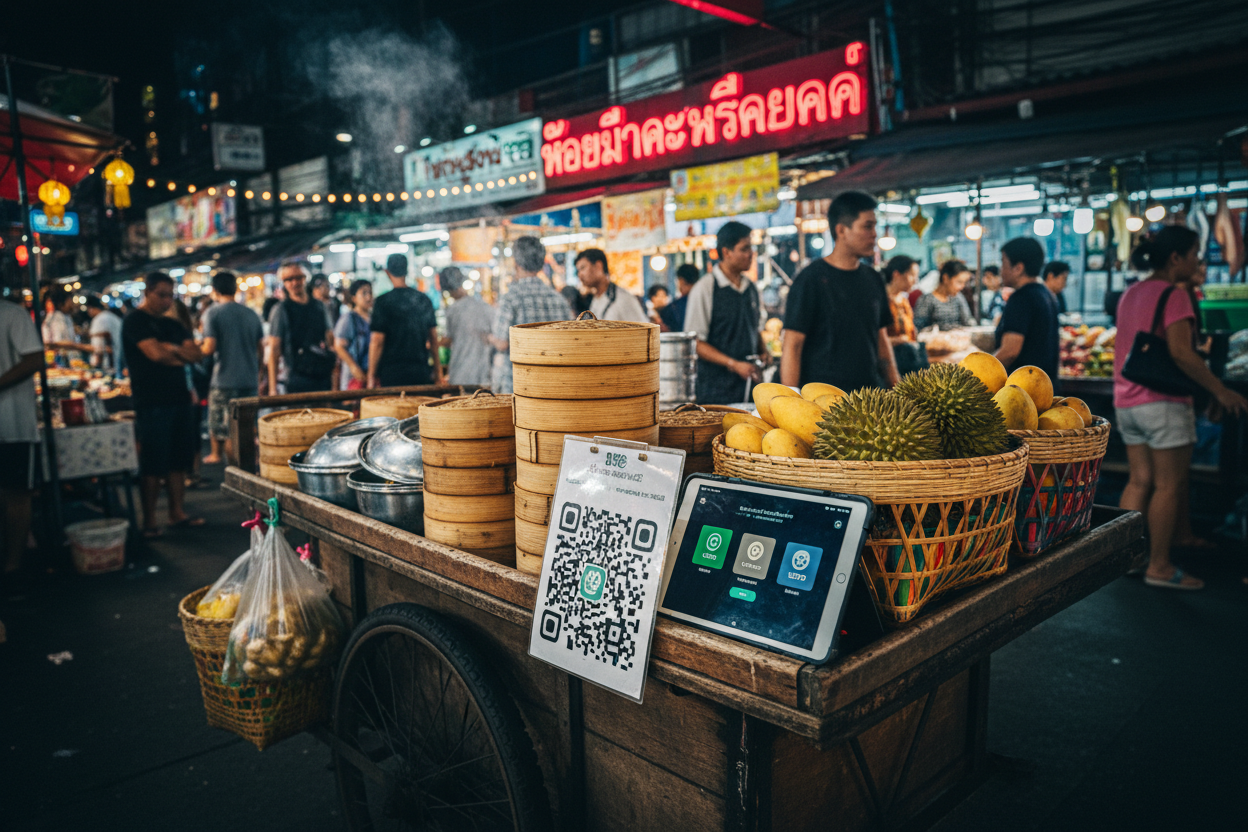

How Offline Street Vendors Accept USDC QR Payments Without Internet in 2026
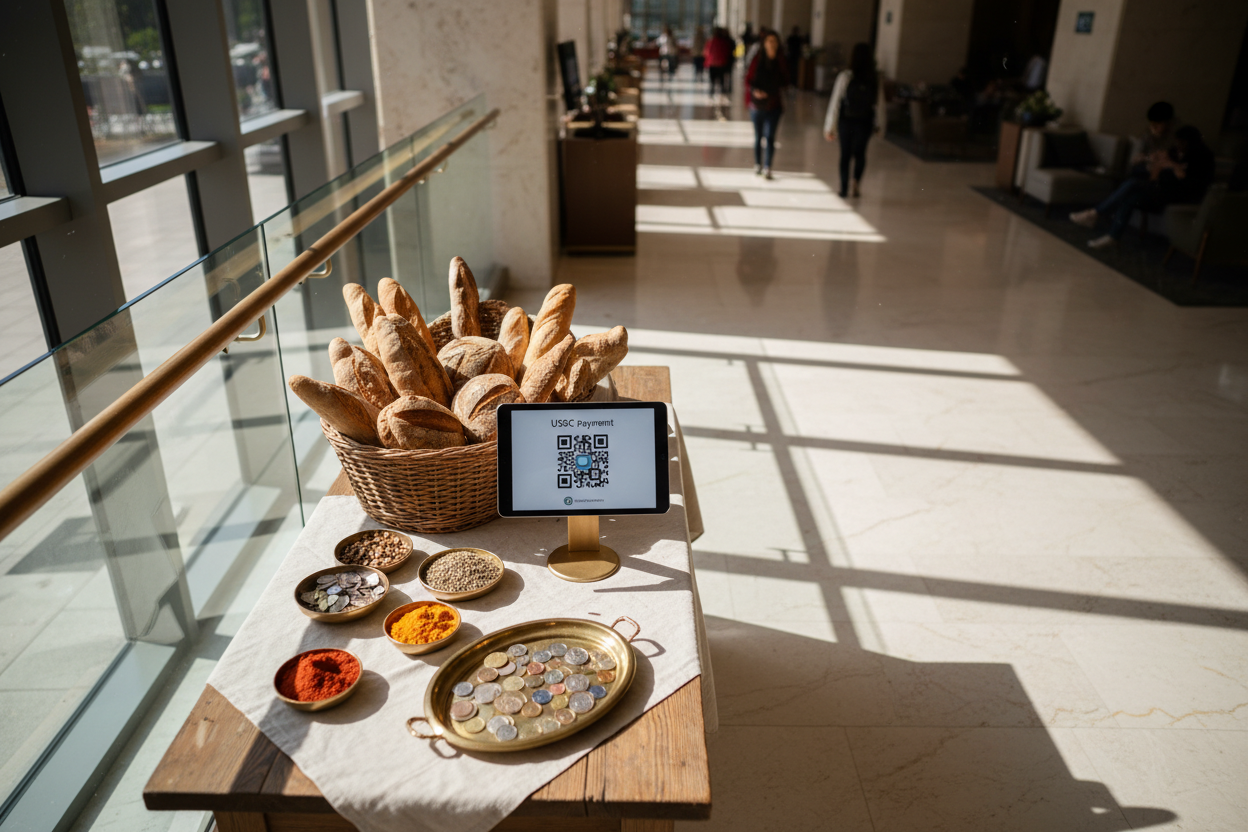
In the bustling markets of 2026, a street vendor in Buenos Aires flips open their smartphone, generating a dynamic QR code linked to USDC. A customer scans it with their wallet app, and the transaction completes seamlessly, no internet required. This isn’t science fiction; it’s the new reality powered by offline USDC QR code payments, transforming micro-businesses into global players. As Mary Ellison, I’ve tracked macro shifts for two decades, and now, stablecoins like USDC bridge the gap between volatile local currencies and reliable digital dollars, all via StableQRPay. com’s visionary tools.

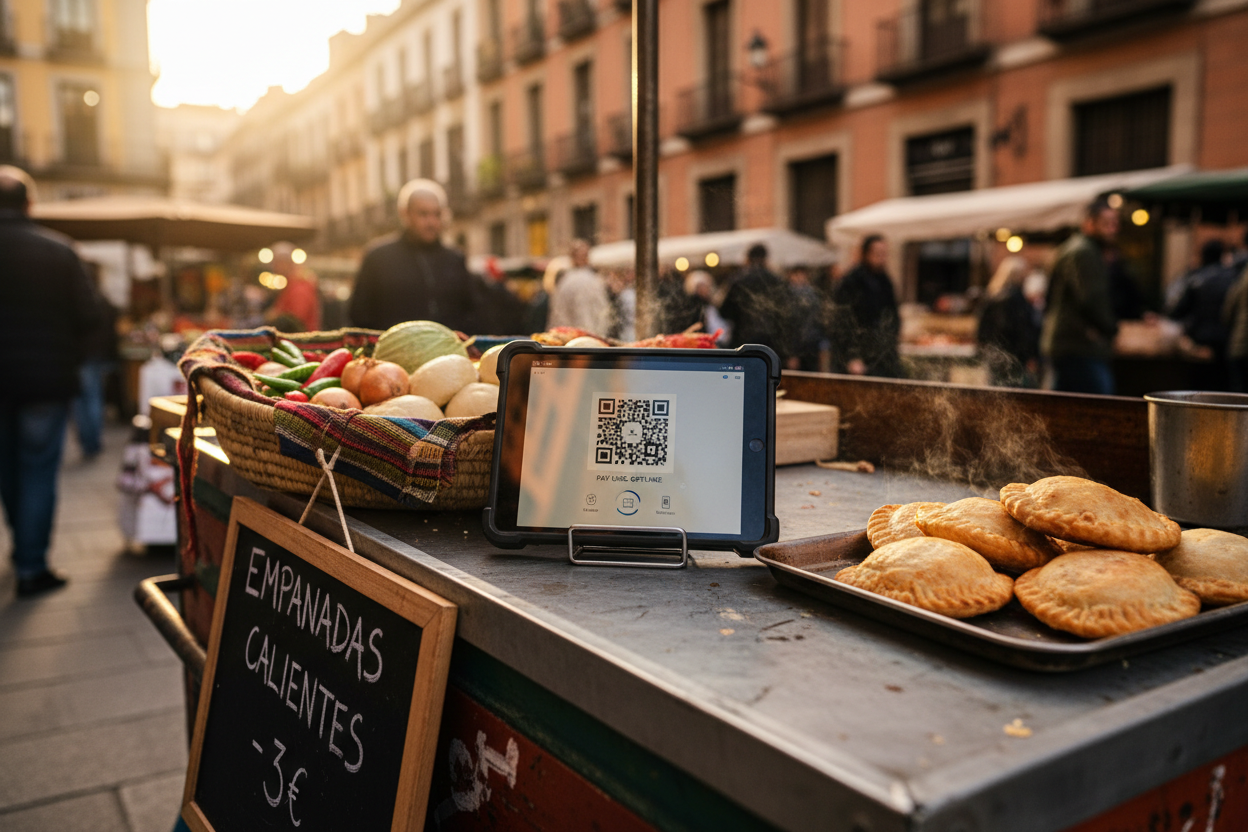
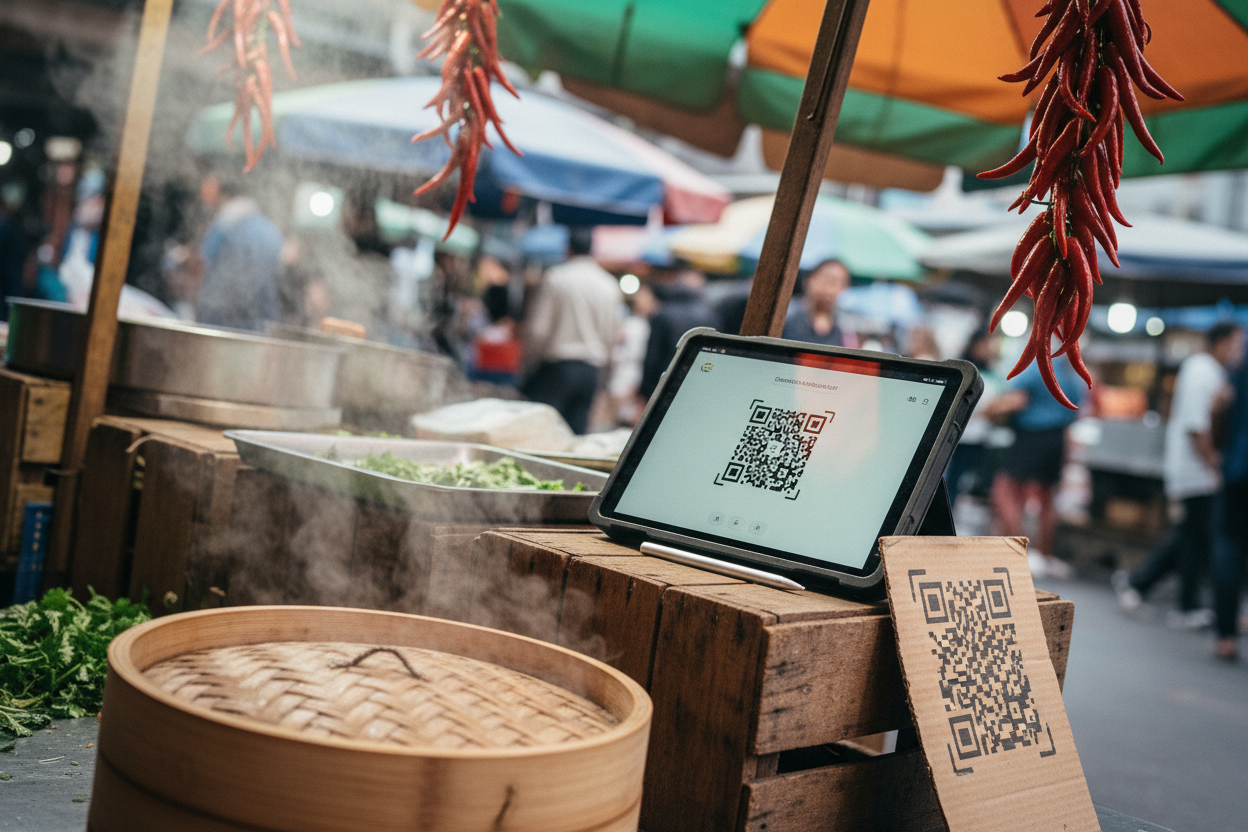
Street vendors, long sidelined by cash-only limitations, now tap into stablecoin QR for street vendors. Picture empanada sellers in Argentina or pho carts in Vietnam accepting USDC at $1 peg stability, even as local fiat fluctuates wildly. Recent pilots, like Crunchfish’s NFC-based ‘On Tap’ solution approved in India, store transaction data locally and sync to blockchain later. This offline merchant USDC POS model sidesteps connectivity woes, aligning with global trends where SQRIL and XA30P integrate USDT and USDC into local QR networks across Southeast Asia.
Bridging the Connectivity Divide for Everyday Merchants
Connectivity remains the Achilles’ heel for offline commerce, yet 2026 innovations render it obsolete. Vendors generate static or dynamic QR codes via apps like StableQRPay. com, embedding USDC wallet addresses and amounts. Customers scan using NFC or Bluetooth Low Energy from their phones, exchanging encrypted payment proofs peer-to-peer. No data plan? No problem. Devices queue transactions securely, batch-uploading when signal returns. This mirrors WalletConnect’s mainstream push, where trusted terminals accept USDC scans, but extends it to pure offline realms.
Consider emerging markets: In the Philippines and Indonesia, SQRIL’s API funnels USDT into local QR codes, a blueprint for USDC dominance. Moreta’s cross-border QR payments let travelers pay vendors abroad effortlessly. These aren’t hypotheticals; they’re scaling now, with Bitget noting how USDT grafts blockchain liquidity onto national networks like VietQR. For vendors, fees plummet below 1%, liquidity surges via deep USDC pools, and sales climb as crypto-native customers flock.
NFC and BLE: The Offline Engines Driving USDC Adoption
At the core lies hardware synergy. NFC, proven in India’s 2023 pilots, enables tap-to-pay with sub-second latency. A vendor’s low-cost reader or phone emulates a POS, customer taps wallet-enabled device, and USDC transfers via offline signatures. BLE extends range for QR-less interactions, ideal for crowded stalls. StableQRPay. com customizes these, generating QR links that work across USDC chains, ensuring no internet stablecoin QR viability.
Security? Multi-signature schemes and zero-knowledge proofs validate funds pre-sync, preventing doublespends. IMF reports underscore this: offline modes thrive where internet falters, boosting inclusion. In Venezuela and Argentina, amid hyperinflation, merchants shun fiat for USDC direct-checkout, per HKDCA insights. Vendors report 30% revenue lifts, correlating macro dollar demand with micro-transaction revolutions.
USD Coin (USDC) Price Prediction 2027-2032
Stability predictions factoring offline QR payment adoption growth in emerging markets amid 2026 baseline conditions
| Year | Minimum Price (USD) | Average Price (USD) | Maximum Price (USD) | Est. YoY % Change (Avg from prior year) |
|---|---|---|---|---|
| 2027 | $0.97 | $1.00 | $1.01 | 0.00% |
| 2028 | $0.975 | $1.00 | $1.015 | 0.00% |
| 2029 | $0.98 | $1.00 | $1.02 | 0.00% |
| 2030 | $0.985 | $1.00 | $1.025 | 0.00% |
| 2031 | $0.99 | $1.00 | $1.03 | 0.00% |
| 2032 | $0.995 | $1.00 | $1.04 | 0.00% |
Price Prediction Summary
USDC is forecasted to closely maintain its $1.00 peg through 2032, bolstered by expanding offline payment adoption (NFC/BLE/QR sync) in emerging markets like India, Argentina, and Venezuela. Minimums reflect bearish depeg risks from market stress or regulation; maximums capture bullish premiums from payment demand. Peg integrity strengthens progressively with use cases, tech improvements, and Circle’s reserves, despite competition from USDT.
Key Factors Affecting USD Coin Price
- Rapid growth in offline stablecoin payments for street vendors via QR/NFC without internet, enhancing real-world utility
- Regulatory tailwinds for compliant stablecoins like USDC in cross-border and emerging market payments
- Technological enablers (BLE, offline storage/sync) reducing connectivity barriers
- Strengthened peg from liquidity, audits, and redemption vs. competition (USDT dominance)
- Crypto market cycles: volatility risks in bears, demand surges in bulls
- Global adoption trends grafting stablecoins onto local QR networks (e.g., VietQR, Philippines)
Disclaimer: Cryptocurrency price predictions are speculative and based on current market analysis.
Actual prices may vary significantly due to market volatility, regulatory changes, and other factors.
Always do your own research before making investment decisions.
Macro Forces Propelling Street Vendors into Crypto Mainstream
Global remittances hit $800 billion yearly, yet banks clip 7% fees. Stablecoins slash that to near-zero, with USDC’s liquidity making it the payment kingpin, as PayRam affirms. Artemis Analytics forecasts QR and link dominance in 2025 ground-up builds, accelerating into 2026 offline. Governments tacitly endorse: LADT details state-backed USDT/USDC QR rails, grafting crypto onto fiat rails.
For StableQRPay street vendors, this means instant links tailored for POS, supporting USDC, USDT, DAI. No app downloads; just scan, pay, done. Visionary? Absolutely. As fiat erodes, stablecoins anchor commerce, empowering vendors to hedge currencies effortlessly. Beehiiv visions diners paying USDC via counter QRs; scale that to streets, and markets pulse with digital dollars.
PYMNTS spotlights SQRIL’s emerging market switch, now USDC-ready. Vendors diversify revenue, attracting tourists wielding wallets over cash. This isn’t incremental; it’s a payment paradigm shift, where macro stability fuels micro prosperity.
Vendors in 2026 don’t just adapt; they pioneer. StableQRPay street vendors lead by embedding these tools into daily routines, turning smartphones into fortified POS systems. This fusion of NFC, BLE, and QR tech democratizes access, letting a tamale seller in Mexico City rival upscale retailers in transaction efficiency.
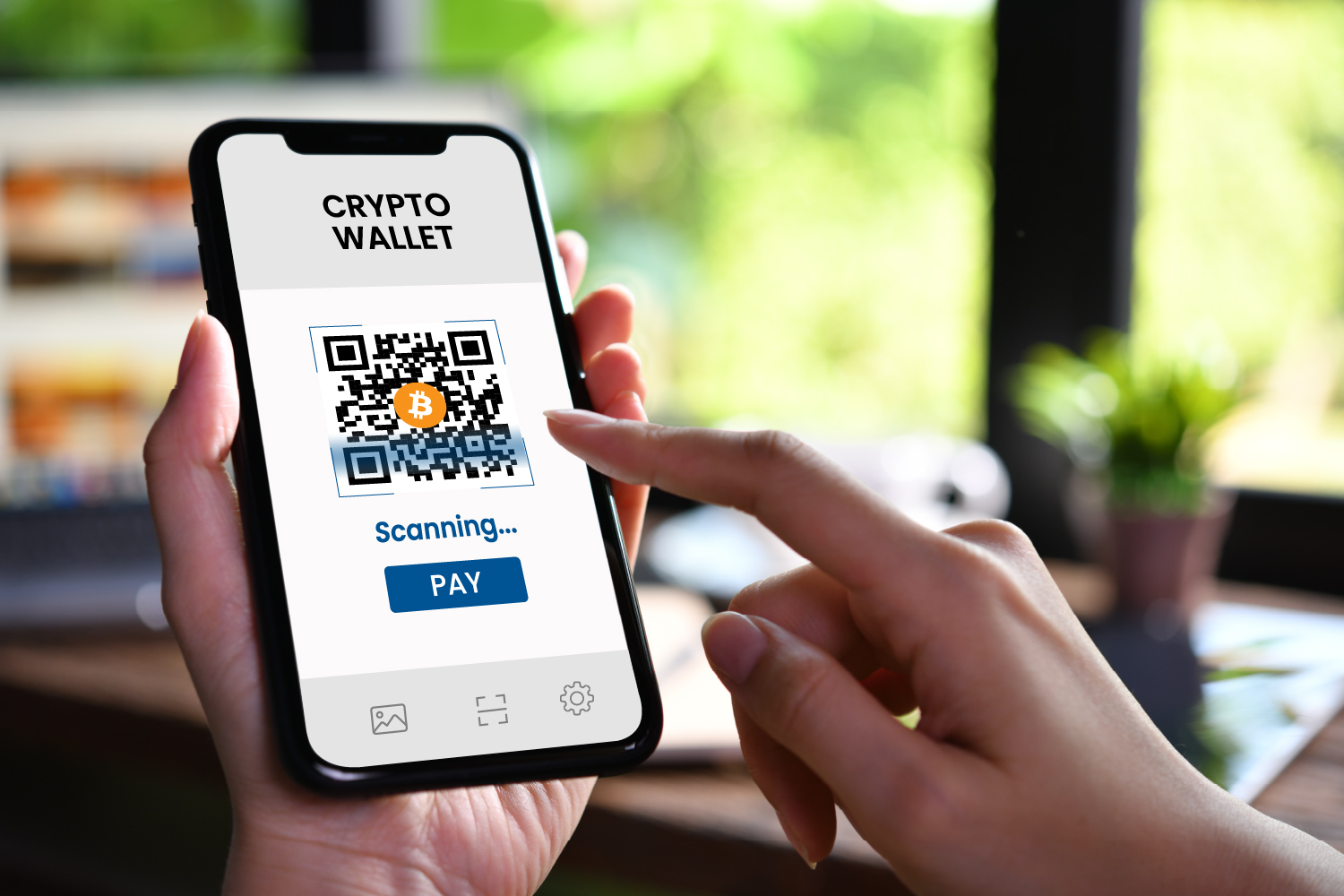
Real-World Rollouts: Vendors Thriving on Offline USDC Frontiers
Argentina’s street economy exemplifies the shift. Hyperinflation eroded peso trust, pushing vendors to USDC havens. One Buenos Aires choripan stand owner reports tripling tourist sales after adopting no internet stablecoin QR setups. Customers from Brazil or Europe scan, pay in USDC, and walk away with change in local fiat via instant conversions. Similarly, Venezuelan arepa hawkers leverage mobile wallets for direct USDC checkouts, buffering against bolivar plunges. HKDCA data confirms: stablecoin spend surges in inflation hotspots, with QR as the entry vector.
Southeast Asia accelerates next. Indonesia’s warungs integrate SQRIL-like APIs for USDT, swiftly pivoting to USDC. Vietnam’s pho vendors tap VietQR-stablecoin hybrids, channeling Bitget’s liquidity grafts. Philippines markets buzz with local QR codes now crypto-fueled. These aren’t isolated wins; they form a tapestry of macro resilience, where USDC’s $0.0199 bridged variants on Fantom underscore ecosystem depth, even as core peg holds firm.

1.Entrá a https://t.co/lCWAixWYx7
2.Abrí una orden de compra
3.Hacé una transferencia directa al vendedor
4.El smart contract libera los USDC a tu wallet
⏱️ Tiempo promedio: 1 a 2 minutos
🥷 Totalmente anónimo
🔐 Los USDC llegan directo a TU wallet
1.Entrá a https://t.co/lCWAixWYx7
2.Abrí una orden de venta
3.Recibí la transferencia en cualquier alias/cvu
4.El smart contract libera los USDC
🔒 Los USDC quedan bloqueados hasta que confirmás la recepción
❌ Sin riesgo de estafas
🌐 Sitio: https://t.co/wFPZVyHtAF
💬 Telegram: https://t.co/dOW6pEpJHl
👨🏻🎤 Fundación: https://t.co/VKBHYUoKsh
@p2pdotfound
Step-by-Step: Empowering Vendors with StableQRPay Offline Setup
Transitioning feels daunting until you break it down. StableQRPay. com streamlines the process, offering plug-and-play QR generators tuned for offline USDC flows. Vendors gain customizable links, NFC compatibility, and auto-sync dashboards, all without tech wizardry.
Unlock 2026’s Offline USDC Revolution: StableQRPay Setup for Street Vendors
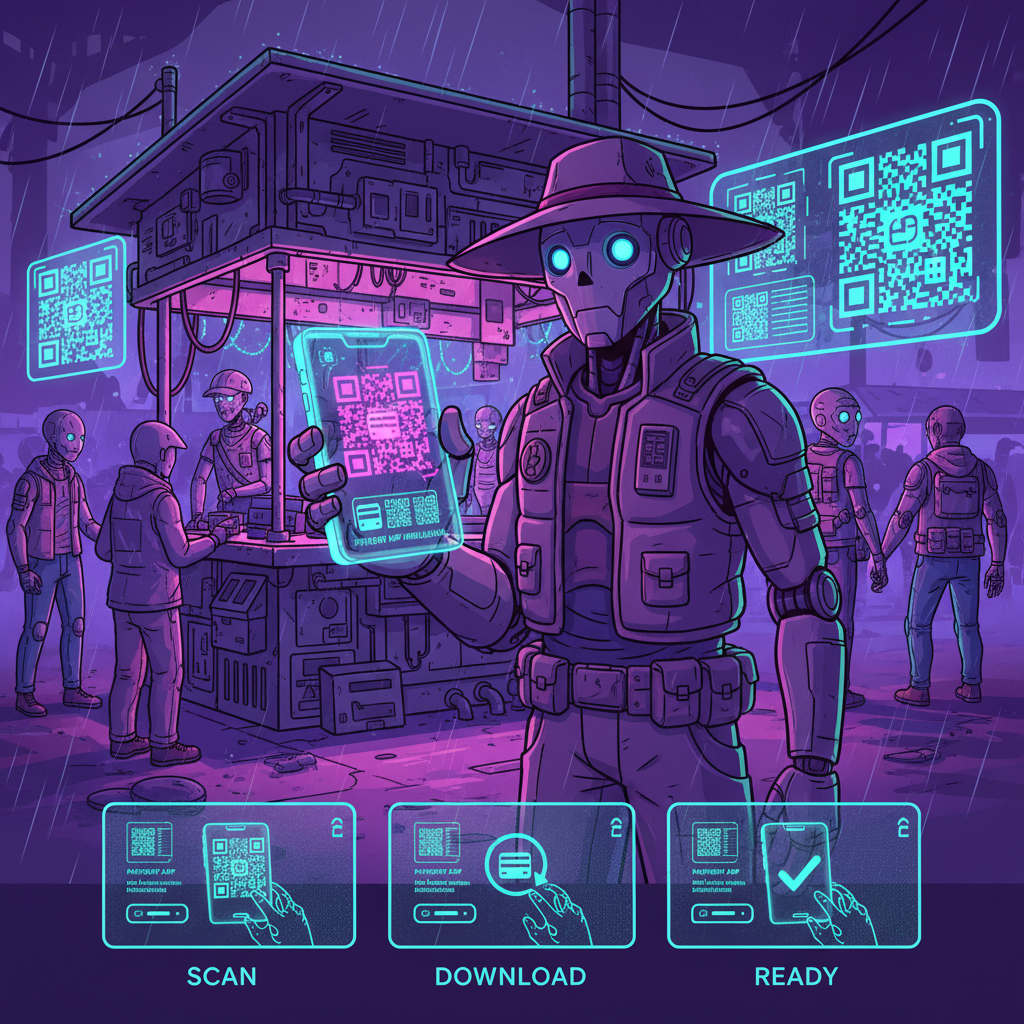
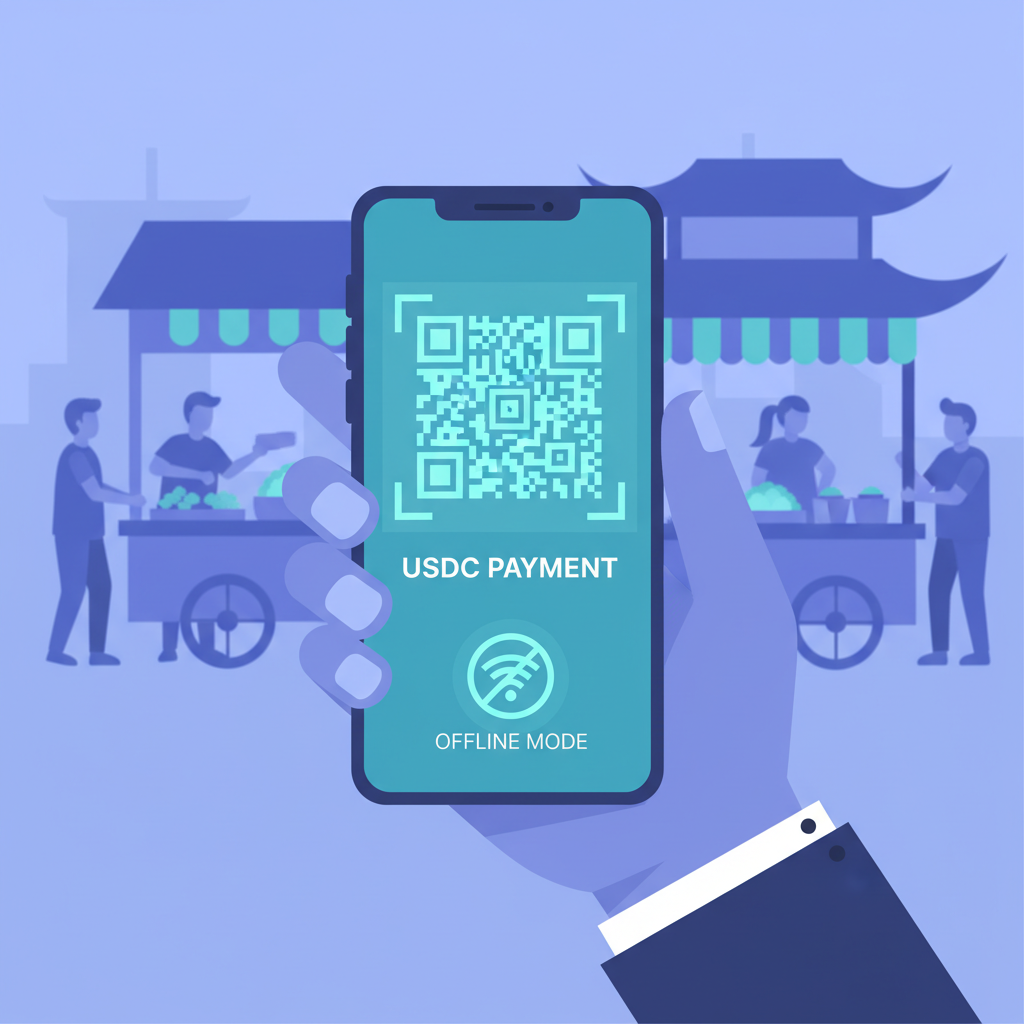
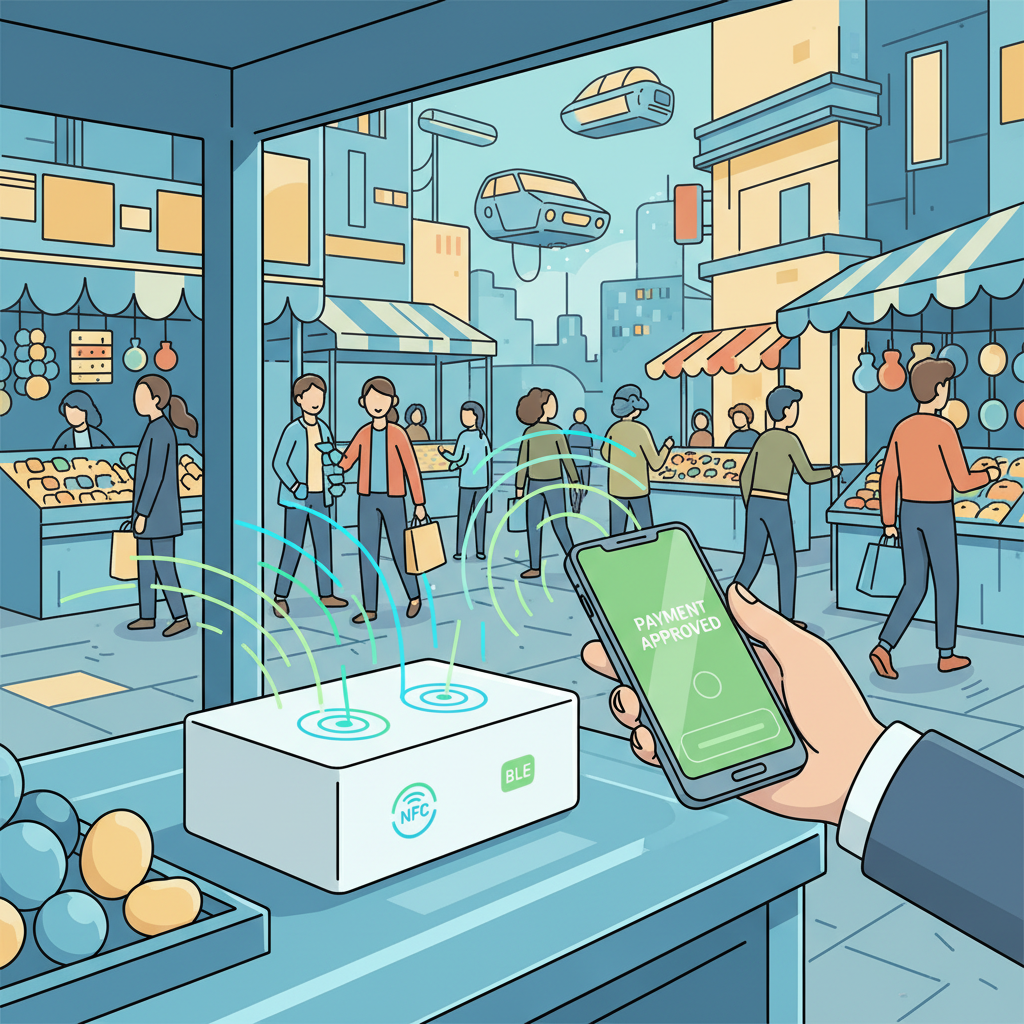
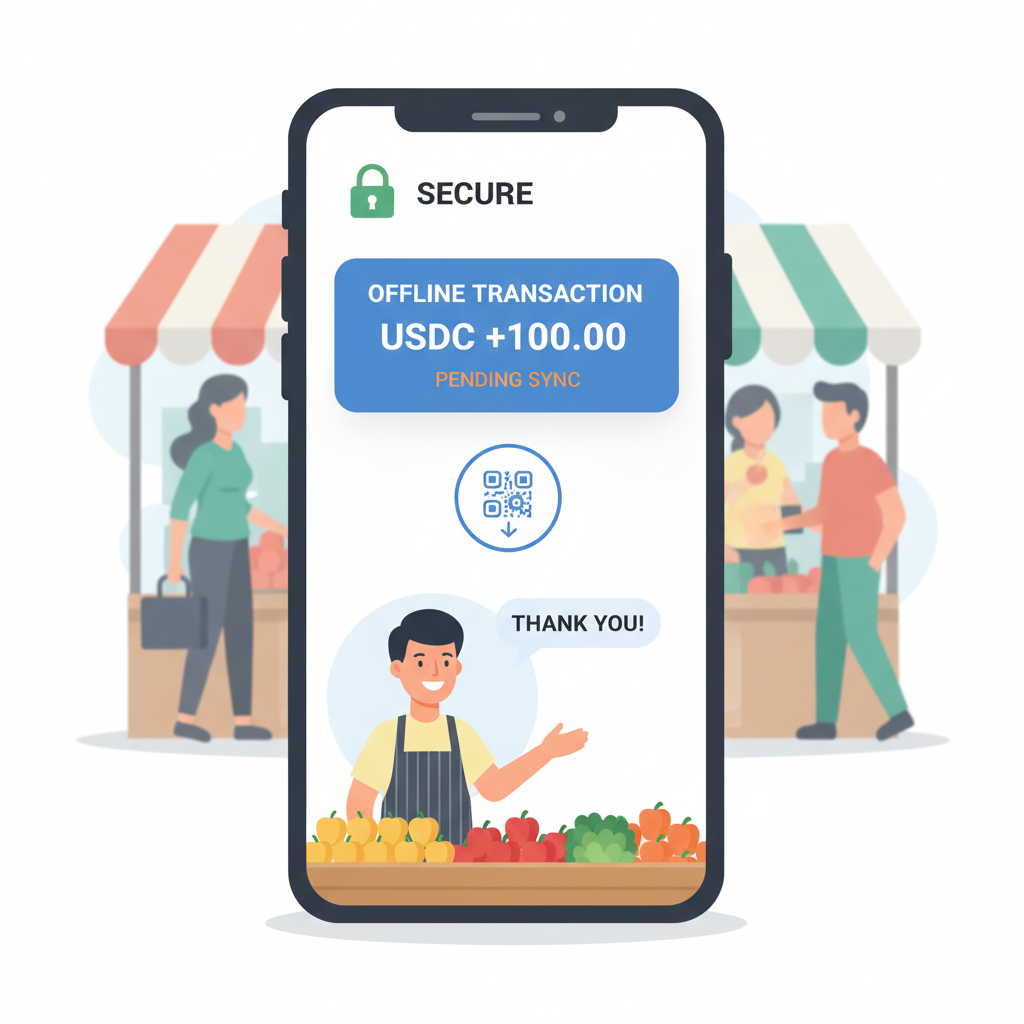


Post-setup, metrics soar. Transaction times drop under 5 seconds, error rates near zero. Fees? Pennies compared to card networks. Customers appreciate the speed, especially tourists dodging forex traps. Moreta’s model proves it: cross-border QR simplifies globals, onboarding vendors to international flows effortlessly.
Challenges persist, yet solutions evolve. Battery drain from BLE? Optimized chips fix that. Regulatory fog? Pilots like India’s Crunchfish pave compliant paths, with IMF nodding to offline inclusion. Vendors counter doublespend risks via timestamped proofs, batching for chain finality.
Visionary Horizon: Stablecoins as Commerce Bedrock
By late 2026, expect 40% of emerging market street sales via stablecoins, per Artemis trajectories. USDC QR code offline payments cement this, outpacing fiat in speed and stability. Street vendors, once cash captives, now command digital treasuries, hedging via DAI ecosystems I champion.
WalletConnect’s terminal integrations hint at scale, but offline unlocks the last mile. Imagine Lagos markets or Mumbai bazaars pulsing with USDC scans, remittances fueling growth sans banks. StableQRPay street vendors stand at this vanguard, correlating dollar quests with vendor vitality.
This revolution whispers a larger truth: macro vision ignites micro triumphs. As local currencies waver, USDC anchors stalls worldwide, birthing resilient economies one QR at a time. Vendors, seize this; your markets await digital dawn.