
Offline USDC QR Codes for Street Vendors: Instant Stablecoin Payments Without Internet

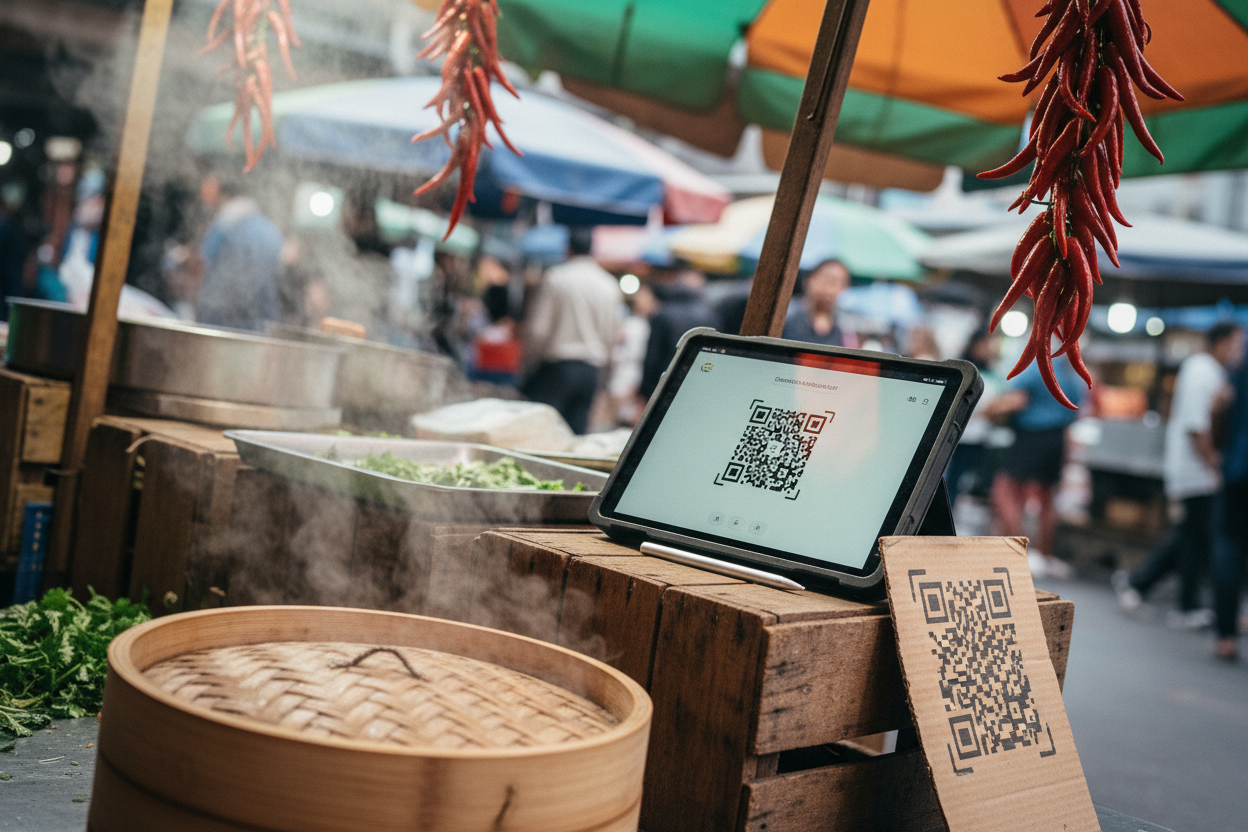
Picture a bustling street market in Hanoi, where vendors sling fresh pho and tropical fruits under colorful tarps. A customer pulls out their phone, scans a simple QR code taped to the stall, and sends USDC instantly. No cash change, no internet signal needed from the vendor’s side. This is the reality of offline USDC QR codes transforming stablecoin payments for street vendors. As a risk management expert with 14 years in the field, I’ve seen volatile crypto trends come and go, but stablecoins like USDC offer a conservative path to digitizing payments without the pitfalls of traditional cards.

Why Street Vendors Demand Offline-Capable Stablecoin Solutions
Street vendors operate in the margins – literally and figuratively. Spotty internet, high card fees, and chargeback risks erode thin profits. Enter USDC QR codes offline, a method where vendors generate static QR codes linked to exact USDC amounts via platforms like StableQRPay. com. Customers scan with their wallets, broadcasting transactions on-chain even if the vendor’s device stays offline. This asymmetry empowers merchants in low-connectivity zones, from Vietnam’s night markets to Brazil’s favela stalls.
Recent data underscores the shift: Vietnamese street vendors have embraced QR payments with an 85% surge, per VnExpress reports. Platforms like Gate Pay now support USDC QR in Vietnam and Brazil, bridging crypto to daily commerce. No hardware, no monthly fees – just a phone or printed code. My FRM background warns against hype, yet this model’s low volatility and irreversibility eliminate chargebacks, a plague for pop-ups accepting cards.
Street vendors are increasingly adopting offline USDC QR code payments to facilitate instant stablecoin transactions without the need for internet connectivity.
Decoding the Mechanics of No-Internet USDC Transactions
At its core, an offline USDC QR code encodes a payment request: recipient address, amount in USDC, optional memo. Generated once via StableQRPay. com’s tools, it’s scannable indefinitely. Customer’s wallet app decodes it, prompts confirmation, and submits to the blockchain. Vendor verifies later via block explorer or wallet sync – proof-of-payment etched immutably. This beats dynamic links needing servers; static QRs are fire-and-forget.
Consider Solana-based apps touted on Reddit: scan, approve, $0.02 fees, no logins. Or PEXX in Vietnam pioneering stablecoin QR as a ‘bank’. Risks? Smart contract vulnerabilities or phishing QRs. That’s why I advocate audited platforms and hybrid tactics: pair with cash for high-value sales. ‘Risk managed is profit gained’ – my motto holds as vendors cut fees from 3% cards to near-zero stablecoin rails.
Market Momentum: Stablecoins Closing the Last Mile for Vendors
The convergence isn’t theoretical. Bitget visions cafes flashing ‘USDC Accepted’ signs; Polygon Labs’ DeCard unlocks 150M and merchants for USDC/USDT. Ripe. Money connects non-custodial wallets to existing QR ecosystems. LADT calls it the ‘last mile’ transformation. In pop-ups, this means boosted sales: customers pay precisely, no awkward change-making in humid markets.
USDC Price Prediction 2027-2032: Peg Recovery Amid Street Vendor Adoption
Forecasts for USD Coin stability and recovery from bridged variant depeg ($0.0199 baseline in 2026), driven by offline QR code payments and real-world use cases
| Year | Minimum Price | Average Price | Maximum Price | Avg YoY % Change |
|---|---|---|---|---|
| 2027 | $0.05 | $0.12 | $0.20 | +500% |
| 2028 | $0.15 | $0.30 | $0.50 | +150% |
| 2029 | $0.40 | $0.65 | $0.90 | +117% |
| 2030 | $0.80 | $0.95 | $1.05 | +46% |
| 2031 | $0.95 | $1.00 | $1.02 | +5% |
| 2032 | $0.98 | $1.00 | $1.01 | 0% |
Price Prediction Summary
USDC is expected to progressively recover to its $1 peg by 2030, fueled by explosive growth in street vendor adoption of offline QR payments (e.g., 85% surge in Vietnam), improved bridging liquidity, and regulatory support. Post-2030, prices stabilize tightly around $1 with minimal volatility in bullish adoption and bearish regulatory scenarios.
Key Factors Affecting USD Coin Price
- Massive street vendor adoption of offline USDC QR codes, enabling instant payments without internet in emerging markets
- Technological advancements in bridging solutions to restore liquidity and peg stability from current $0.0199 levels
- Favorable regulatory developments for stablecoins, reducing depeg risks
- Market cycles and increased transaction volume from daily commerce boosting demand
- Competition from USDT and other stablecoins, pressuring USDC to maintain peg and utility
- Broader crypto infrastructure improvements, including low-fee networks like Solana and Polygon for vendor payments
Disclaimer: Cryptocurrency price predictions are speculative and based on current market analysis.
Actual prices may vary significantly due to market volatility, regulatory changes, and other factors.
Always do your own research before making investment decisions.
Gate Pay’s expansion signals enterprise buy-in, while Shopify’s USDC via Coinbase hints at scalability. For vendors, it’s pragmatic: low-fee, borderless, resilient to outages. Yet caution prevails – peg slips like Multichain Bridged USDC (Fantom) at $0.0199 remind us to stick to primary issuers. StableQRPay. com tailors these for POS, ensuring DAI/USDC links sans custody risks.
Real adoption stories abound. A Solana app lets vendors accept USDC instantly; diners send digital dollars via counter QRs. Payin. com turns phones into POS-free crypto terminals. This isn’t disruption for disruption’s sake – it’s conservative evolution, fitting my hybrid strategies for low-risk crypto ingress.
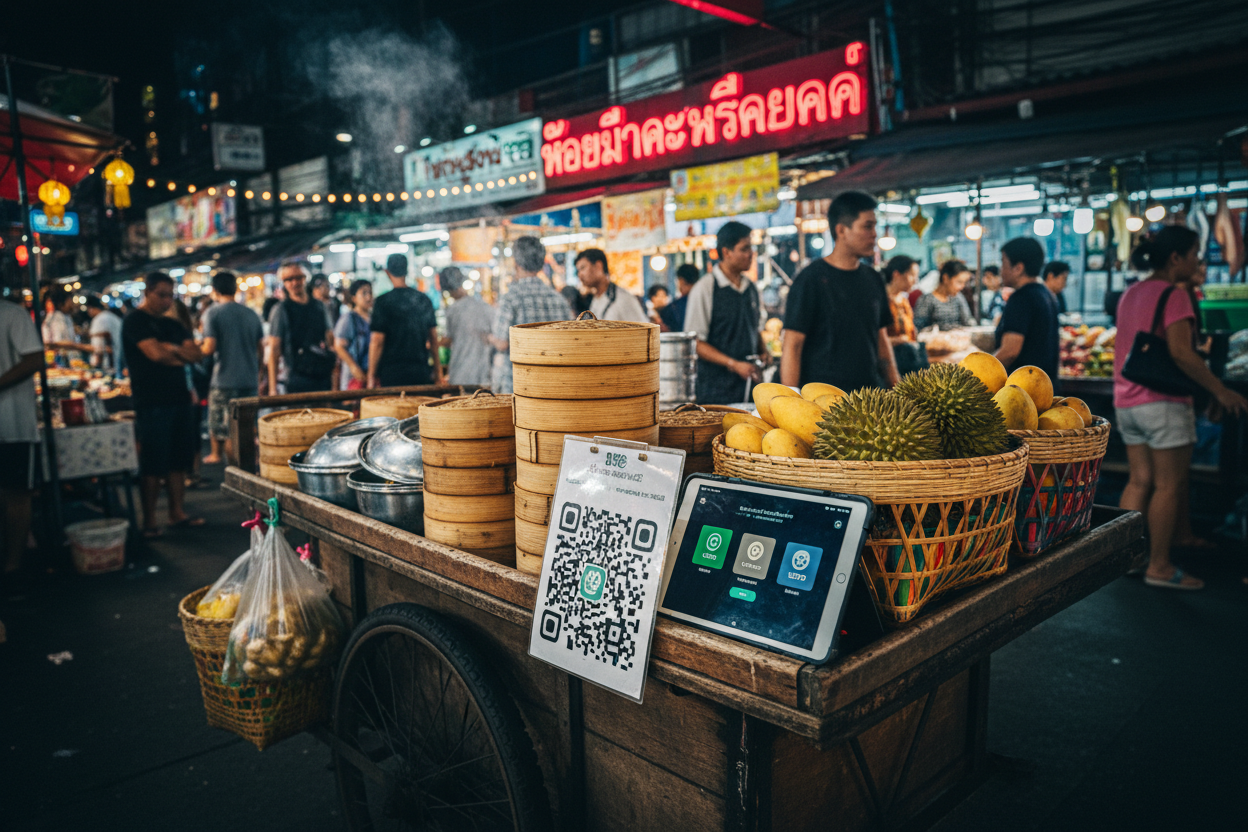
Street vendors eyeing this shift should prioritize platforms vetted for security, like StableQRPay. com, which crafts stablecoin links for markets no internet requires. These tools output QR codes pegged to USDC or DAI, printable on cheap paper or displayed on battered phones. The appeal lies in simplicity: no app updates mid-rush hour, no battery drain from constant polling.
Hands-On Setup: Generating Your First Offline QR for USDC Payments
Vendors often underestimate the ease of entry. With StableQRPay. com, input your wallet address, set the USDC amount – say $5 for a pho bowl – and download the QR. Print it laminated for weatherproofing, or screenshot for digital display. Customers scan; their wallet handles the rest. Later, sweep funds offline via a synced device. This QR code crypto POS for vendors sidesteps merchant processors entirely.
Generate Offline USDC QR Codes: Secure Payments for Street Vendors
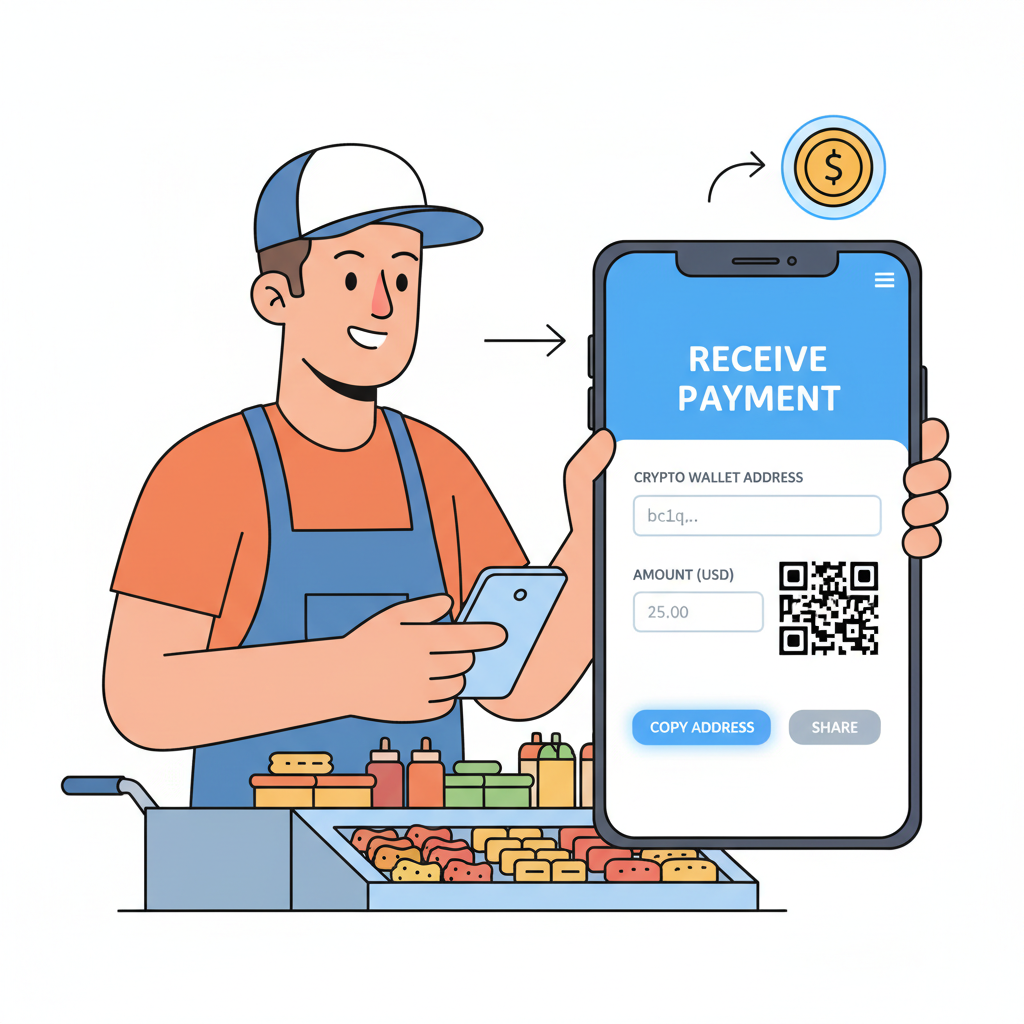
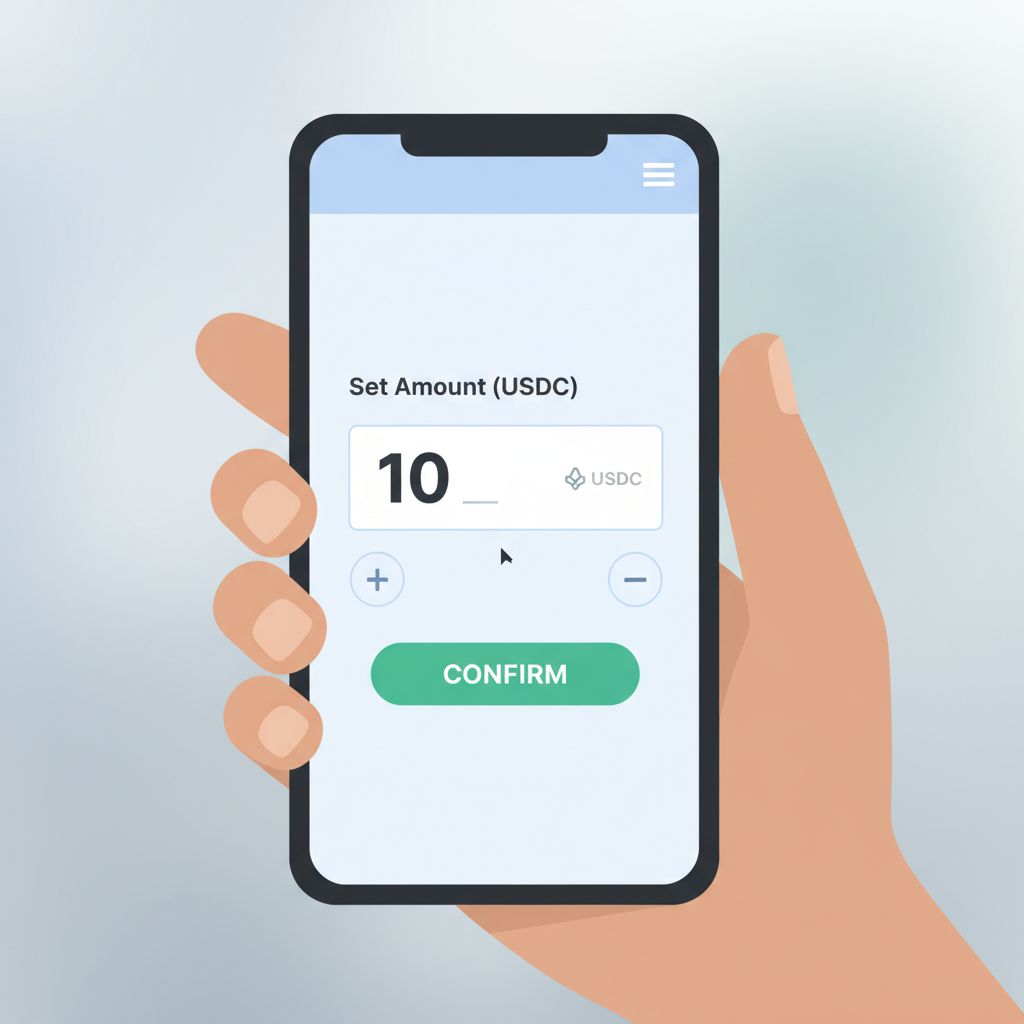

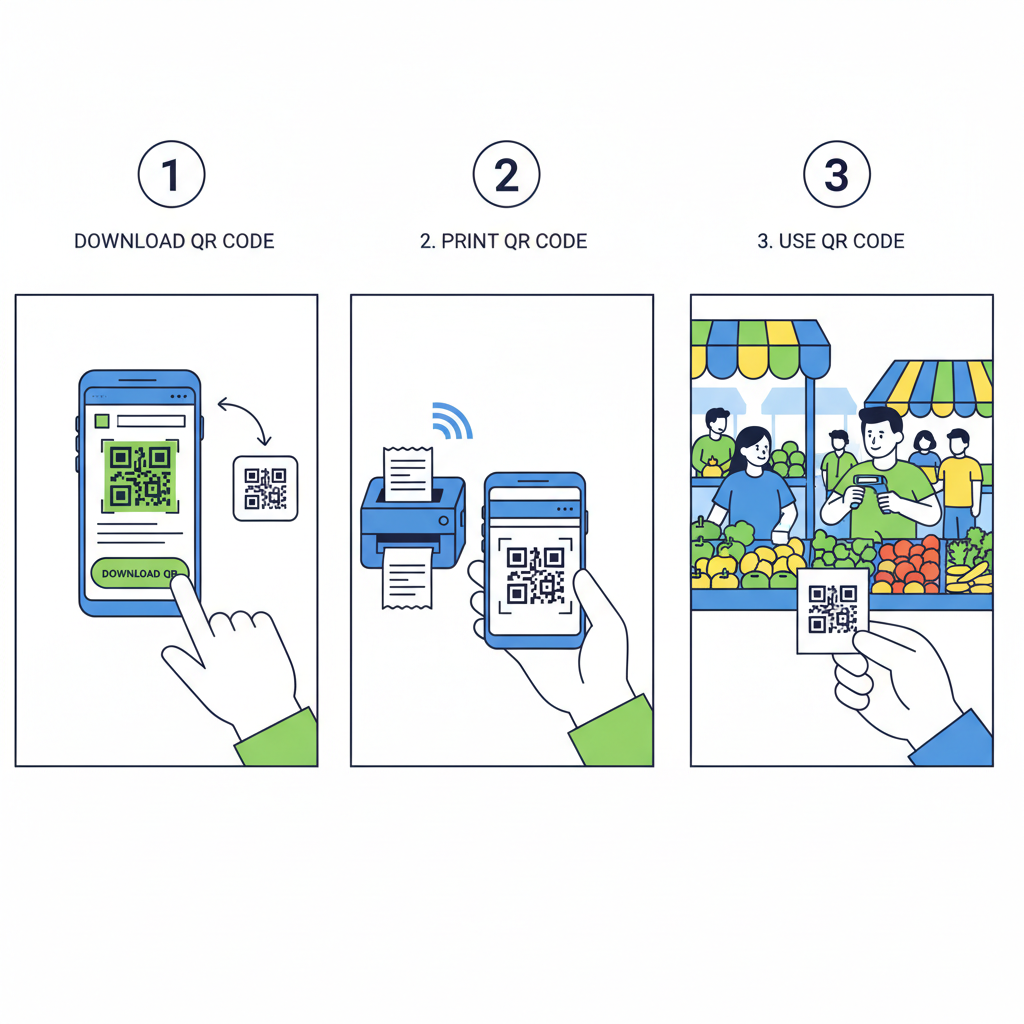

I’ve advised pop-ups transitioning this way: start small, track first 50 transactions manually. Fees? Pennies on Solana or Ethereum L2s, versus 2-5% card cuts. And with Multichain Bridged USDC (Fantom) holding at $0.0199, even bridged variants show peg discipline amid 0.1473% daily flux – high $0.0200, low $0.0174. Conservative choice: native USDC on Ethereum for utmost liquidity.

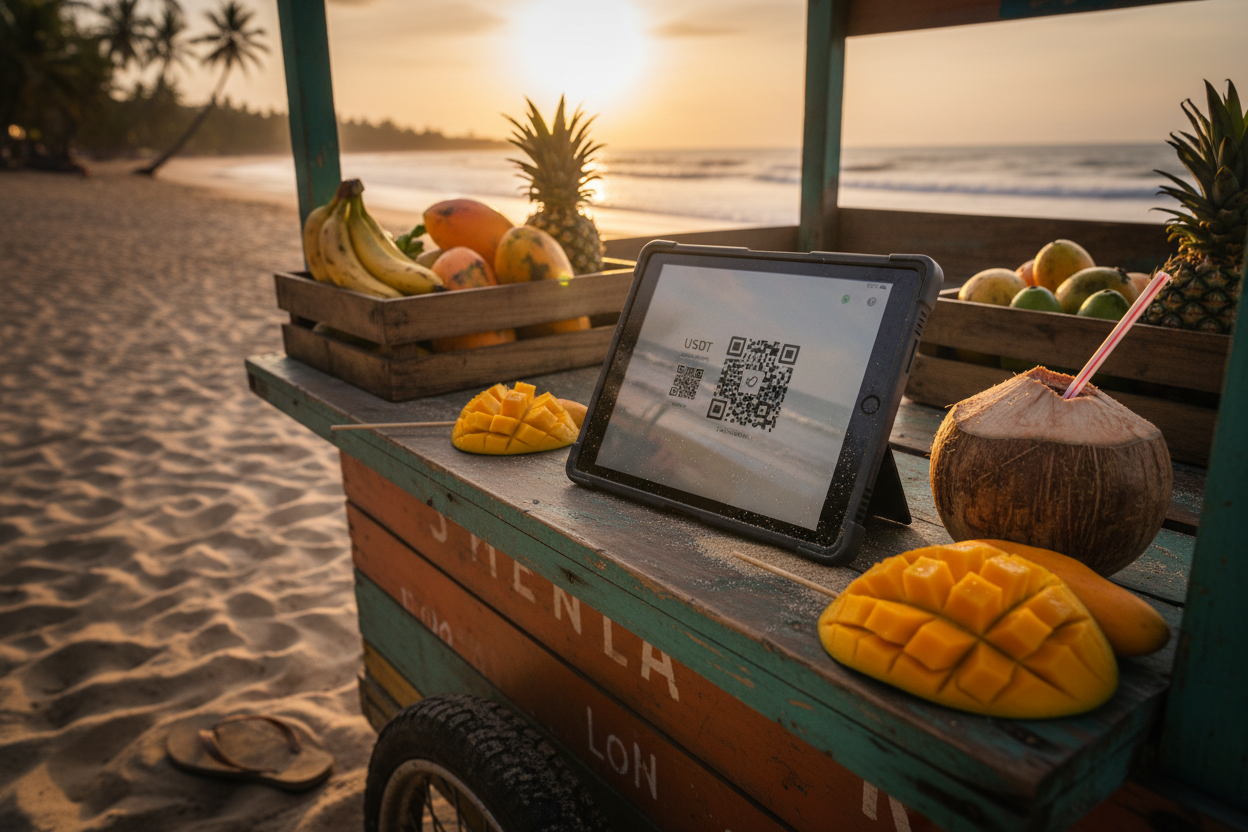
Benefits stack up for stablecoin payments street vendors crave. Instant settlement kills chargeback ghosts haunting card users. No currency conversion headaches for tourist-heavy spots. In Vietnam’s 85% QR boom, vendors report 20% sales lifts from crypto-fluent buyers. Brazil’s Gate Pay echoes this, folding USDC into favela commerce. Yet my FRM lens spots pitfalls: wallet mismatches, or customers sending USDT instead. Solution? Clear signage: ‘USDC Only’ and amount-specific QRs.
Risk Mitigation: Hybrid Tactics for Prudent Stablecoin Adoption
Blind crypto leaps invite regret. I counsel hybrids: QR for under $50 sales, cash above. Use multi-sig wallets for sweeps, audited generators like StableQRPay. com. Monitor pegs rigorously – that $0.0199 bridged USDC? Fine for micro-payments, but core holdings demand Circle’s USDC. Phishing? Educate customers on official wallet scans. Outages? Blockchain’s eventual consistency trumps POS downtime.
Platforms like PEXX and DeCard prove stablecoins scale to 150 million merchants, but vendors thrive on tailored, low-risk tools.
TableTalkAI envisions diners paying exact USDC via counter codes; Ripe. Money wires non-custodial wallets to QR norms. Host Merchant Services nods Shopify’s plug-and-play USDC. For offline USDT merchants, similar logic applies – though USDC edges on transparency. Cobo’s 2025 guide flags QR ubiquity in stablecoin 101.
Vendors I’ve coached in pop-ups see profits climb: fewer fees mean more reinvestment in stock. A Hanoi fruit seller confided doubling crypto volume post-QR. Beehiiv tales of digital dollars at counters ring true. This USDC QR codes offline wave isn’t fad; it’s infrastructure hardening against cash’s decline. StableQRPay. com equips you with DAI links eliminating custody woes, fitting my ‘risk managed is profit gained’ ethos.
As markets evolve, street vendors hold the edge – agile, unburdened by legacy systems. Print that QR, watch the scans roll in, and build resilience one stablecoin transaction at a time. Your stall becomes a node in blockchain commerce, secure and sovereign.