
Offline Stablecoin QR Codes for Street Vendors: Accept USDT USDC Payments Without Internet
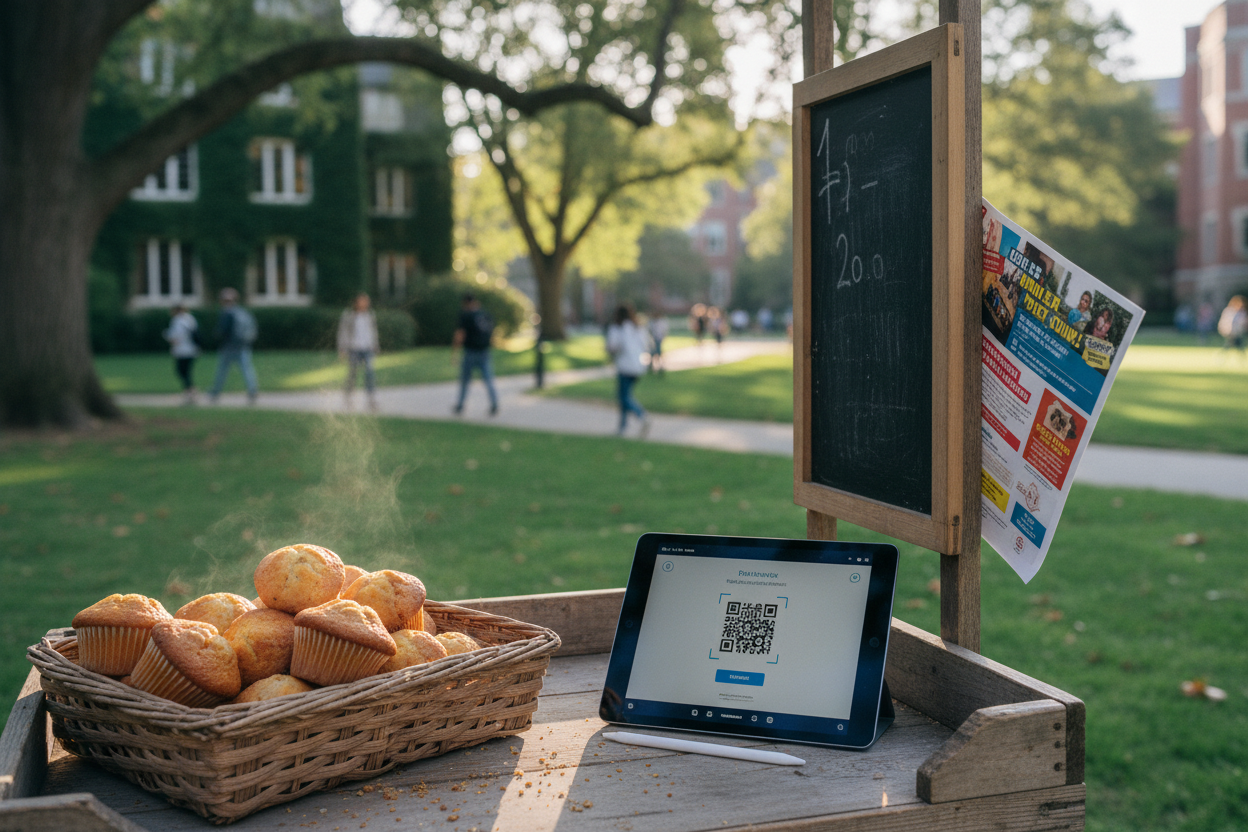
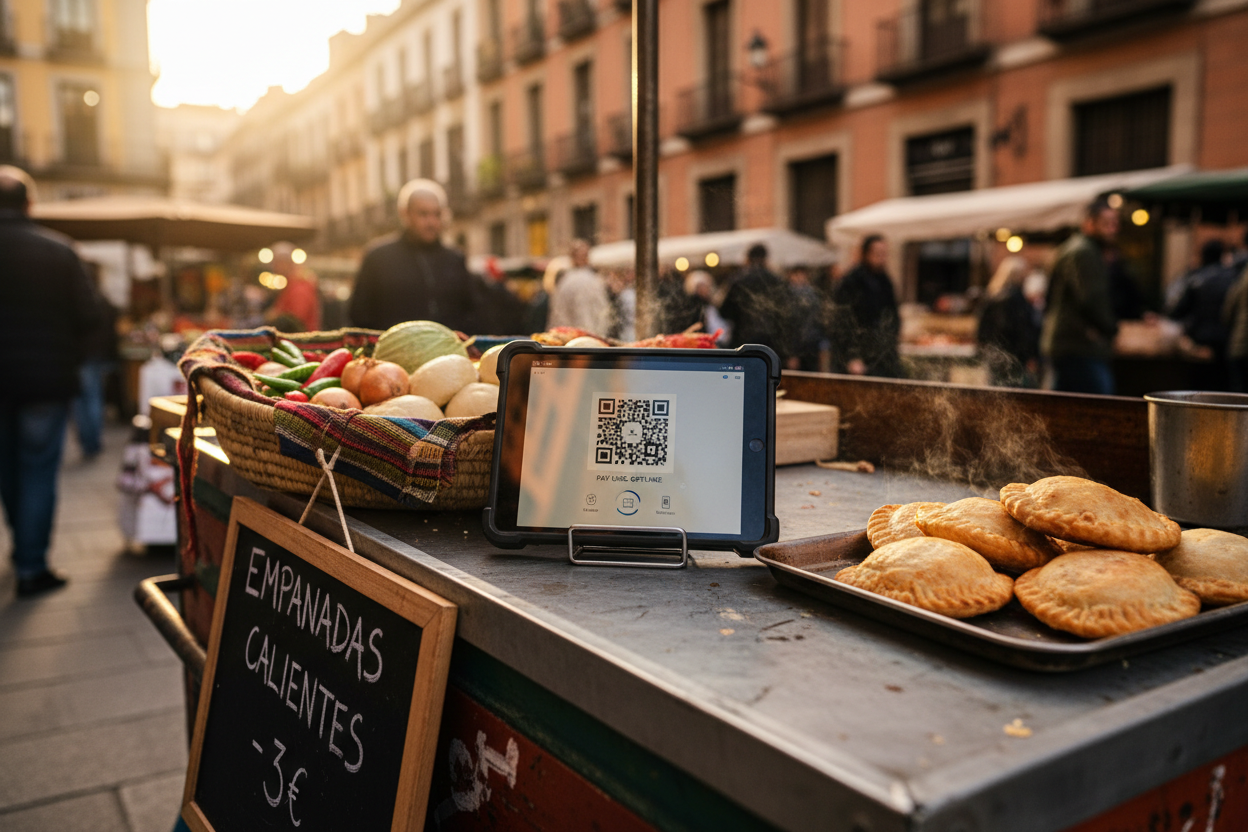
In the bustling streets of Buenos Aires or the vibrant markets of Hanoi, a street vendor flips open their phone, generates a simple QR code, and watches as a customer scans it to pay with USDT or USDC-no internet required. This isn’t science fiction; it’s the emerging reality of offline stablecoin QR codes, a game-changer for micro-merchants operating in cash-heavy, connectivity-challenged environments. As global currencies wobble and inflation bites, stablecoins offer a lifeline, and platforms like StableQRPay. com are making it effortless to deploy these tools at the point of sale.

Street vendors, from taco stands in El Salvador to fruit sellers in Venezuela, face daily hurdles: handling fistfuls of depreciating cash, dodging high card fees, or waiting for spotty mobile data to process digital payments. Enter stablecoin payments for street vendors: pegged 1: 1 to the dollar, USDT and USDC deliver the stability vendors crave without the volatility of Bitcoin or Ethereum. Recent experiments, like a 30-day USDT-only lifestyle in Vietnam across 106 scenarios, prove these digital dollars work for everything from street food to taxis. Meanwhile, SQRIL and PEXX are wiring USDT into local QR networks in Southeast Asia, where over 700,000 merchants already embrace QR tech.
Stablecoins Conquer the Last Mile of Payments
The convergence of stablecoins and QR codes is reshaping payment infrastructure from the ground up. In regions battered by hyperinflation, like Argentina and Venezuela, vendors are ditching local fiat for USDT via QR scans. The Central Market of Buenos Aires teamed up with Tether and KriptonMarket for seamless USDT acceptance, while Villa Crespo grocery stores leverage Binance Pay QR codes. Even in El Salvador, where Bitcoin gets the headlines, chains like McDonald’s and Starbucks process USDT and USDC through Strike and CoinGate-processors that support offline QR generation.
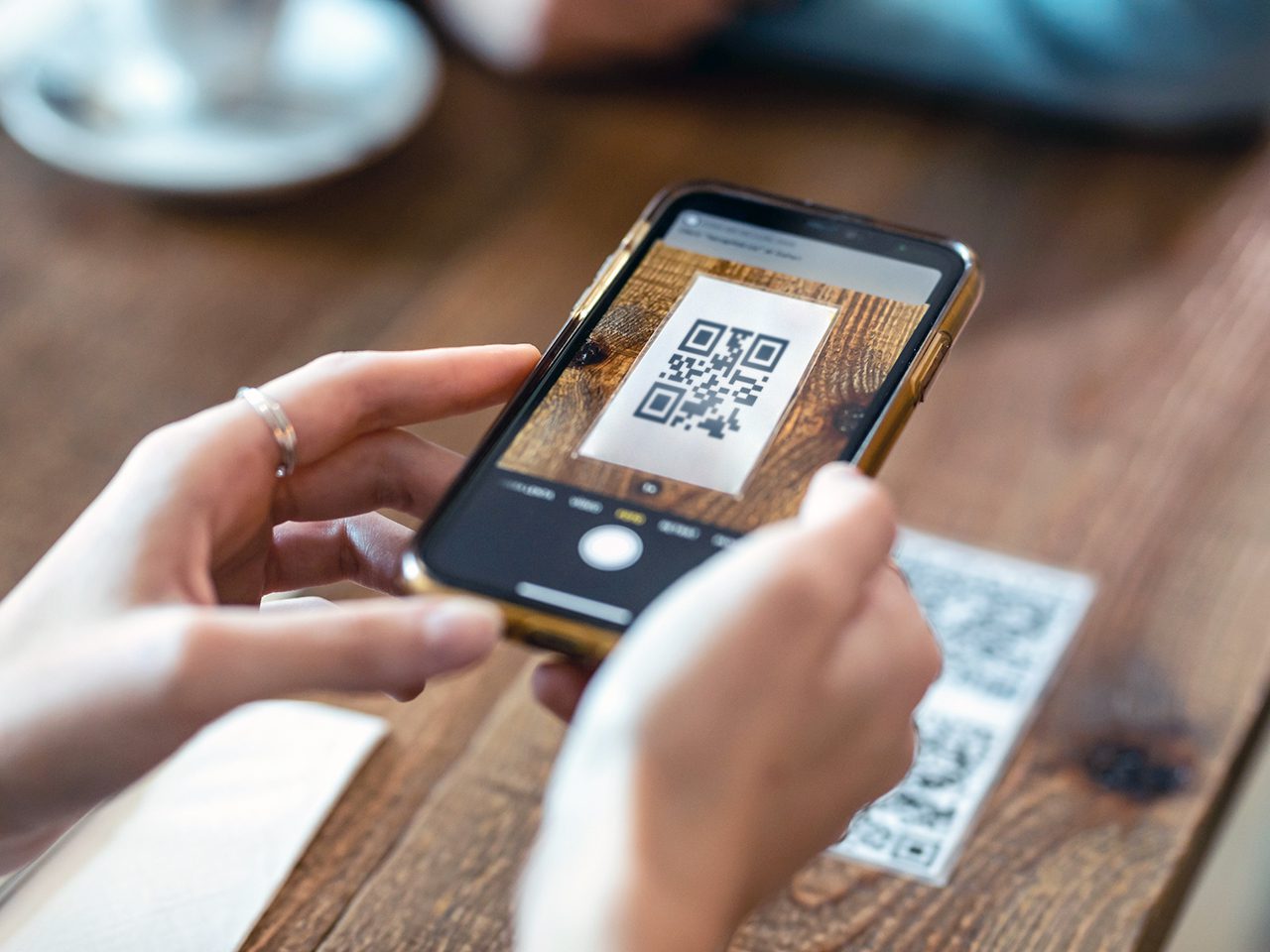
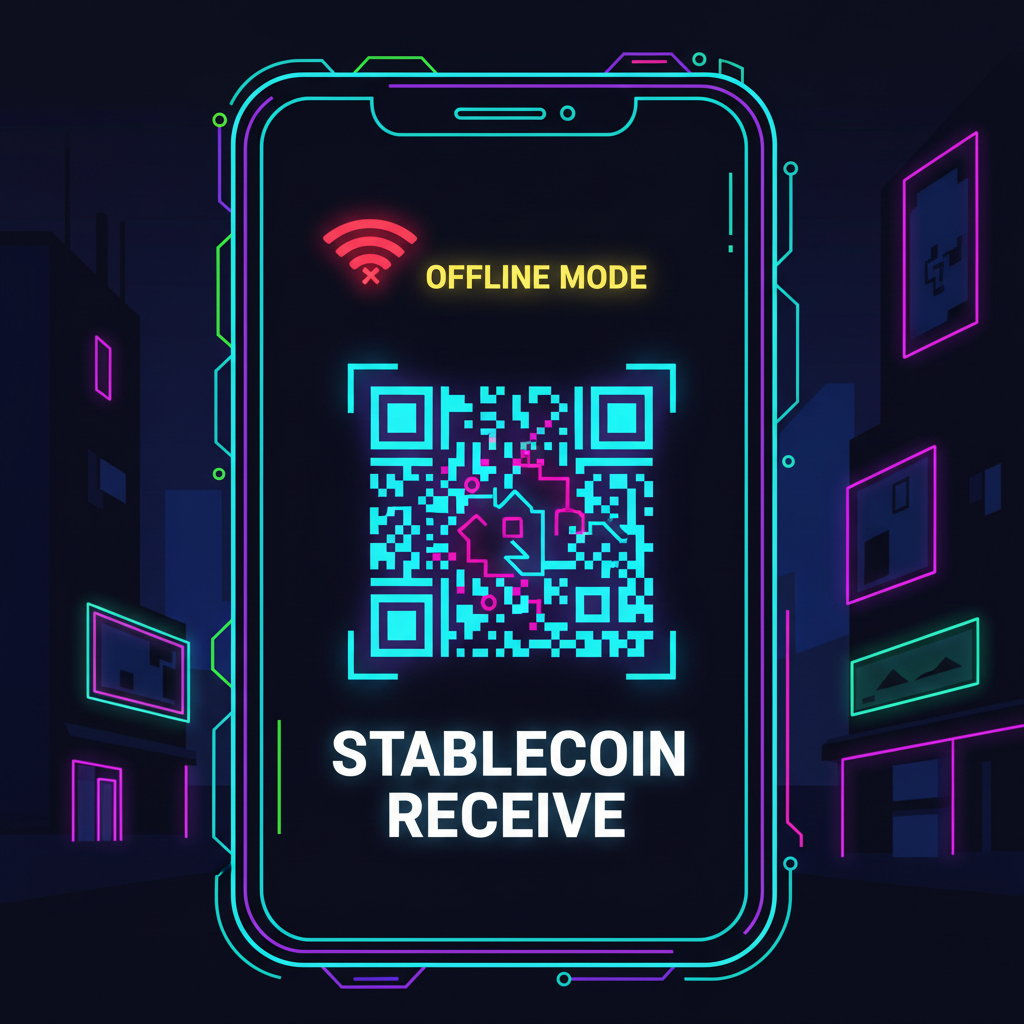
This isn’t just adoption; it’s a macro shift. Stablecoins graft blockchain liquidity onto everyday commerce, bypassing banks and their fees. For QR code crypto POS offline systems, vendors print or display static QR codes linked to their wallet addresses. Customers’ wallets handle the on-chain settlement later, even if the vendor’s spotty 2G connection drops the ball. StableQRPay. com pioneers this with customizable, instant QR links for USDC, USDT, and DAI, tailored for POS without the web dependency.
Why Offline QR Unlocks Low-Fee Stablecoin Markets
Imagine tallying sales at an open-air market with low fee stablecoin markets in mind-no 3-5% card cuts or remittance gouges. Offline QR systems shine here: generate once, reuse indefinitely. Tools like those from ledger1. ai add offline tally support and instant split payouts, perfect for vendor groups. In the Philippines, Indonesia, and Vietnam, SQRIL’s API bridges USDT to local QR rails, blending crypto speed with fiat familiarity.
Offline USDT QR Benefits
-

No Internet Required: Generate and display QR codes offline, empowering street vendors in markets like Buenos Aires’ Central Market to accept USDT seamlessly.
-
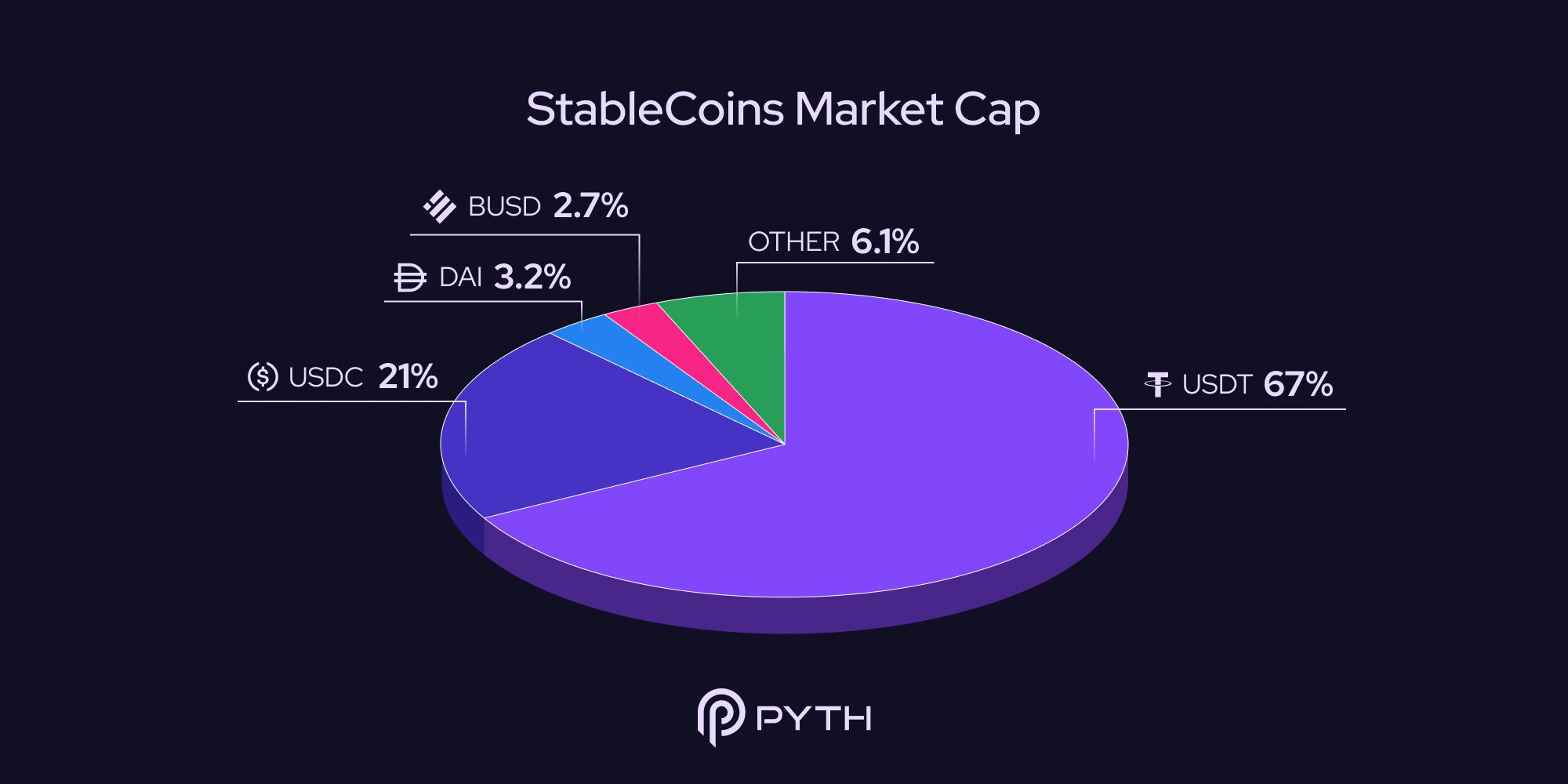
Price Stability: Combat hyperinflation in regions like Venezuela and Argentina with USDT/USDC pegged to USD, future-proofing vendor earnings.
-
Ultra-Low Fees: Under 1% transaction costs vs. traditional 3-5%, slashing expenses for high-volume street sales.
-
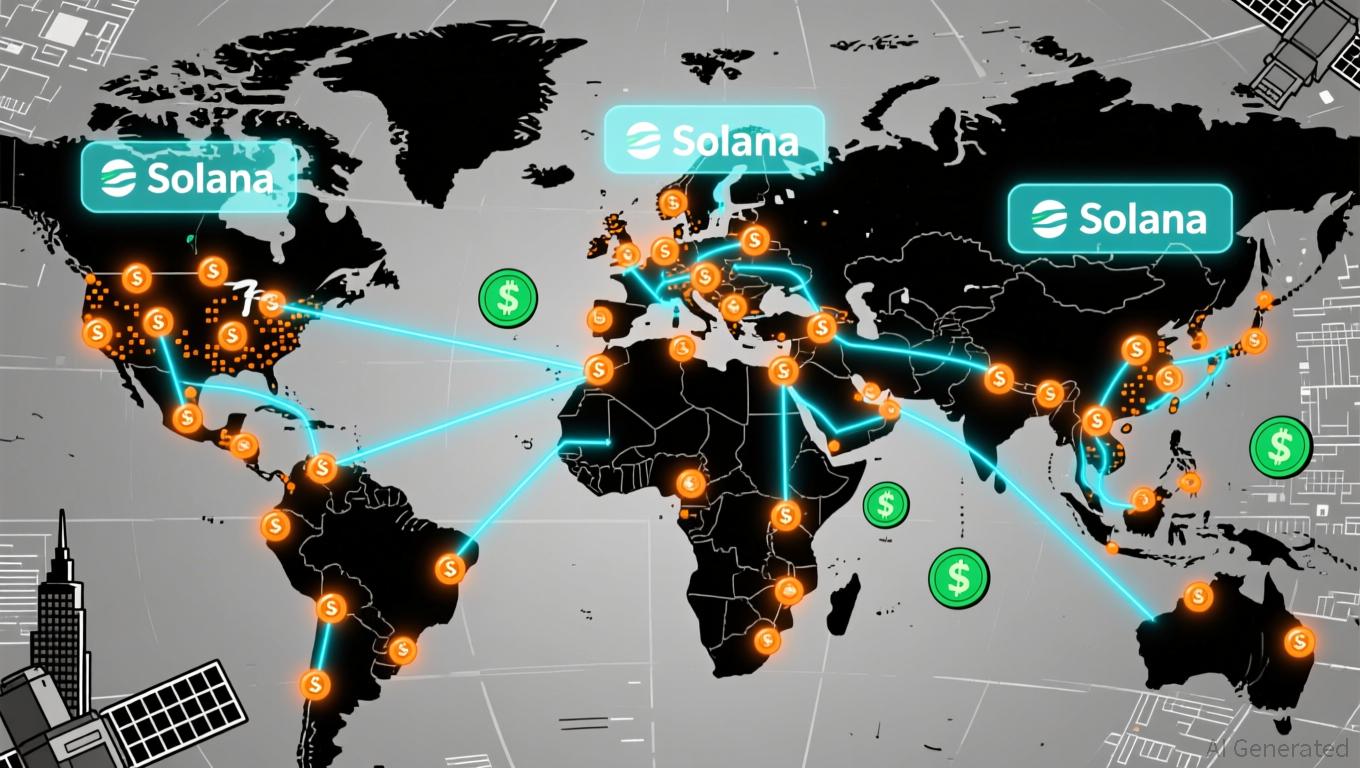
Instant Global Remittances: Enable borderless, real-time payouts via blockchain, revolutionizing cash flow for vendors worldwide.
-

Easy Setup: Quick integration via established apps like Binance Pay, Strike, or CoinGate for El Salvador-style adoption.
USDT edges out in liquidity and trader trust, per 2026 comparisons, while USDC wins on transparency audits-both thrive in USDC payment links merchants crave. Vendors in high-inflation zones hedge by converting sales to stablecoins daily, preserving value as pesos or bolivars evaporate. Lightspark’s stablecoin invoicing vision extends this to B2B, but for street-level ops, QR is the killer app.
Real-World Deployments Fueling the Revolution
El Salvador’s ecosystem exemplifies scalability: Subway and Wendy’s QR menus accept USDC alongside cash, powered by Chivo and Bitfinex. In Vietnam, Bitget notes USDT on VietQR tracks injecting blockchain into national finance. PYMNTS reports explosive growth, with stablecoins moving from trading tools to daily drivers. These cases validate offline USDT QR code viability; vendors report 20-30% sales boosts from crypto-savvy tourists and locals fleeing fiat woes.
StableQRPay. com positions offline merchants at this frontier, correlating macro trends-dollar dominance via stablecoins-with micro-business survival. As DAI’s ecosystem grows, tying it to QR unlocks DeFi yields for vendors’ idle funds. The strategic play? Deploy now, before stablecoin QR becomes as ubiquitous as contactless cards.
Visionary merchants grasp this: stablecoins aren’t just payments; they’re a hedge against macroeconomic storms brewing in 2026. With USDT’s liquidity fortress and USDC’s audit-backed fortress, street vendors wield tools once reserved for hedge funds. StableQRPay. com democratizes this edge, generating USDC payment links merchants embed in POS flows or print on receipts, bridging the offline chasm where traditional finance falters.
Mastering Offline QR Deployment: A Vendor’s Playbook
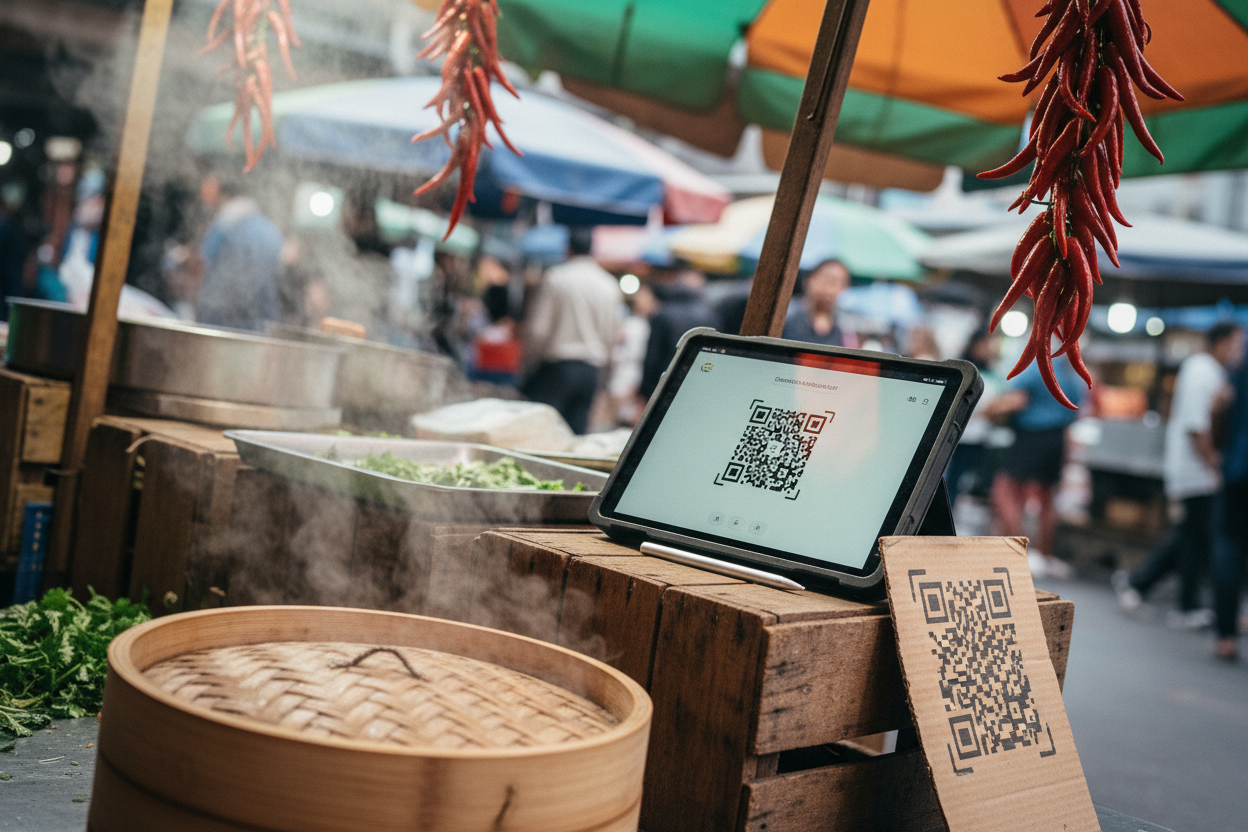
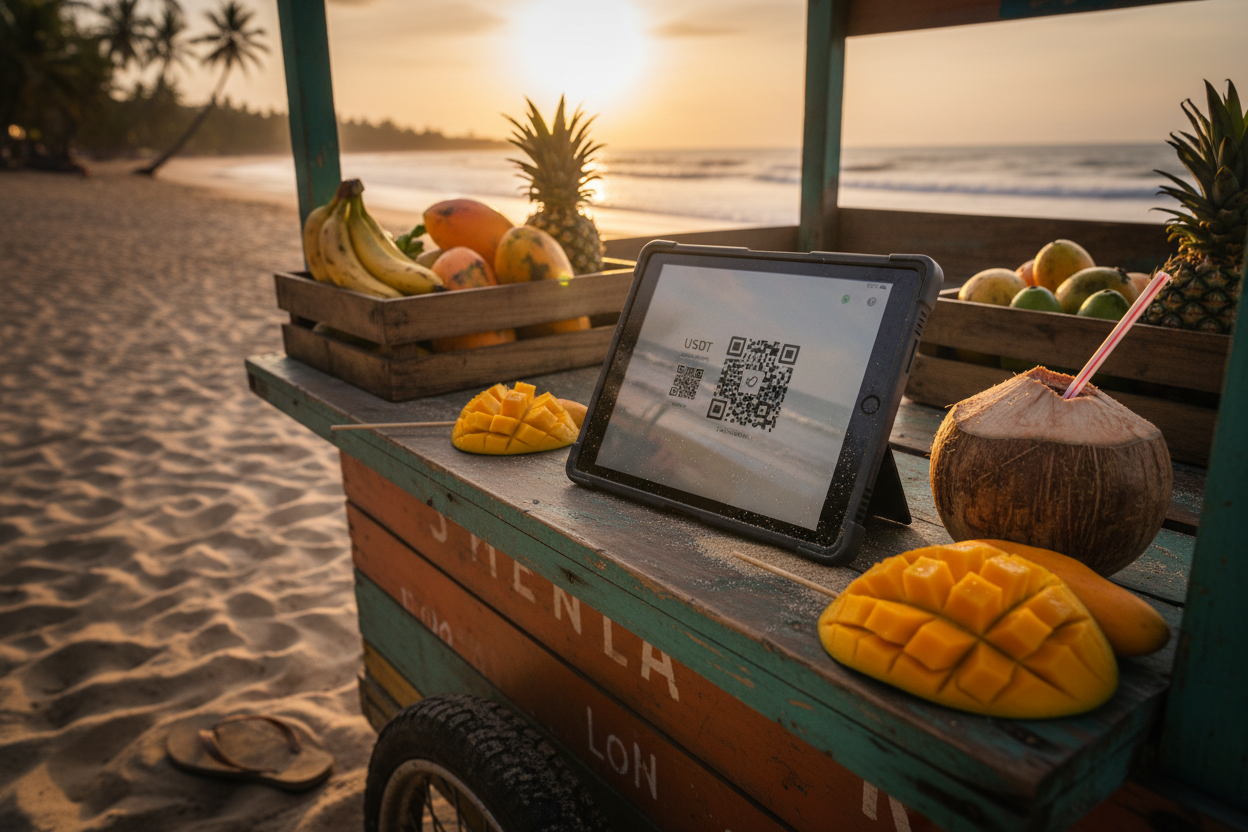
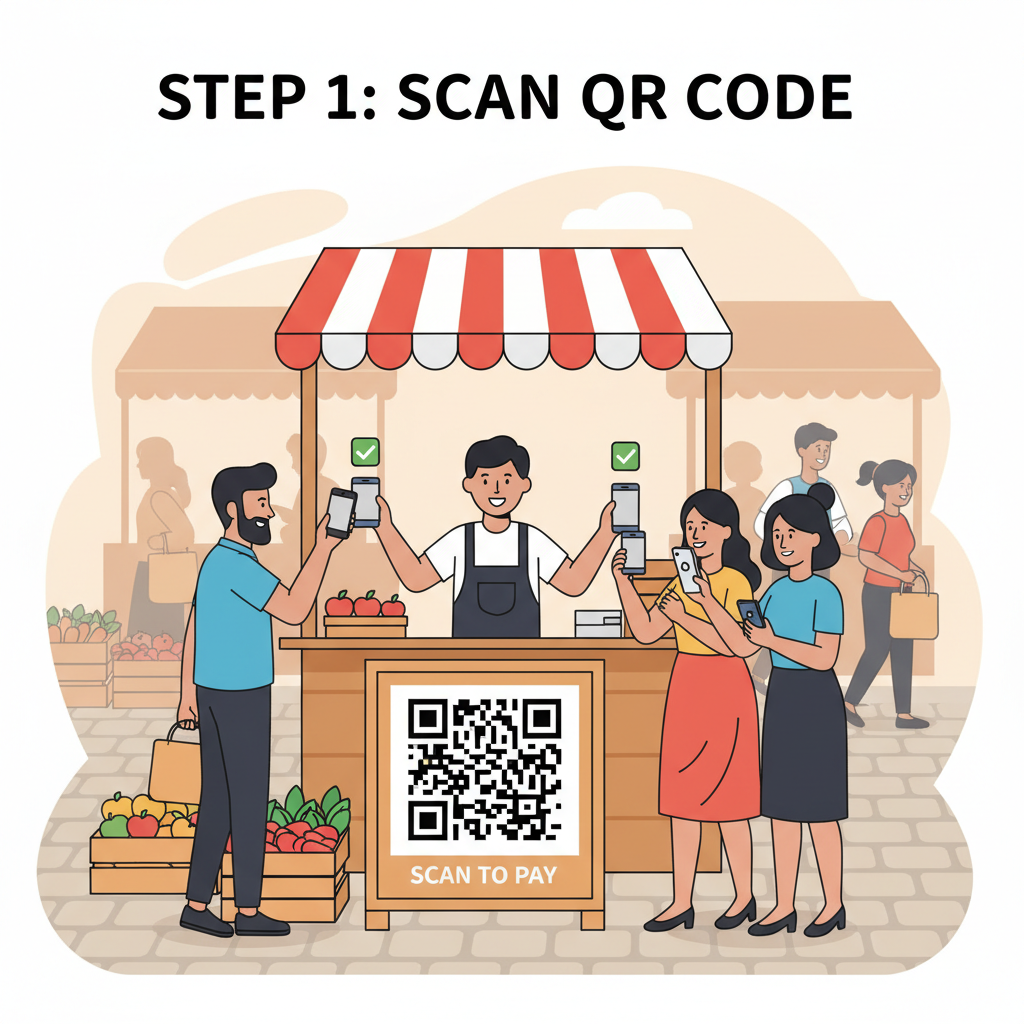
Picture a fruit seller in Caracas or a pho cart in Ho Chi Minh City: no Wi-Fi, yet crypto flows freely. Offline QR thrives because wallets on the customer side confirm transactions asynchronously. Generate a static QR once via StableQRPay. com-linked to your USDT address-and reuse it across shifts. Fees? Pennies on the dollar, unlocking low fee stablecoin markets that swallow card processors whole. This isn’t incremental; it’s exponential, scaling micro-transactions into global liquidity pools.
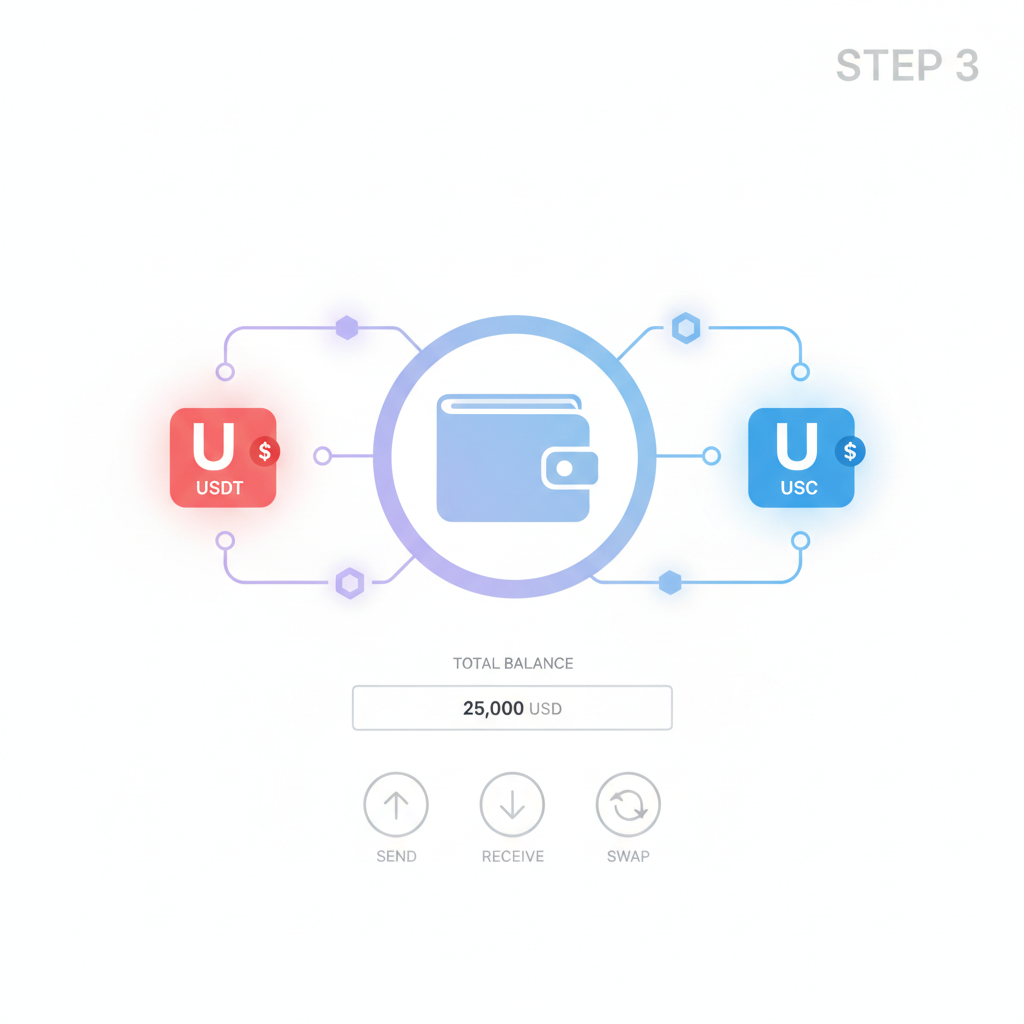
Unlock Offline Crypto Power: 5-Step QR Setup for Street Vendors
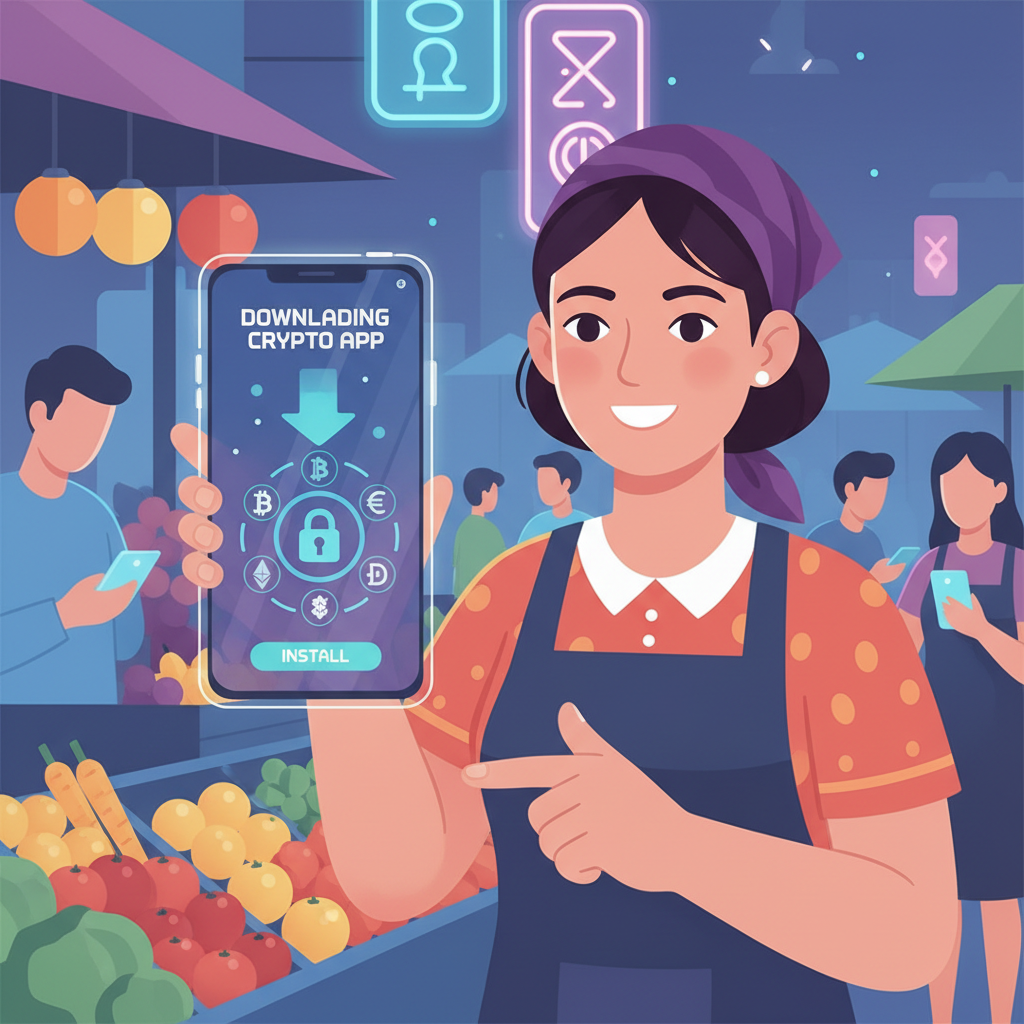
Opinion: Too many vendors cling to cash’s false security, blind to its erosion. Embrace QR code crypto POS offline now, and watch remittances to family abroad settle in seconds, not weeks. Platforms like those in El Salvador’s Strike ecosystem prove it: offline generation, on-chain finality.
Case Studies: Vendors Who Conquered Chaos
In Villa Crespo, Buenos Aires grocers swapped volatile pesos for Binance Pay QR USDT, reporting 25% margin gains amid 200% inflation spikes. Vietnam’s 30-day USDT trial spanned street eats to rideshares, succeeding in 90% of cases despite patchy networks. PEXX’s QR rollout hit 700,000 and merchants there, grafting USDT onto VietQR rails. El Salvador’s fast-food giants-McDonald’s QR menus via Chivo-handle USDC surges from tourists, blending Bitcoin buzz with stablecoin steadiness.

Despues vas a la opcion links de pago -> crear link de pago:
1 Elegis motivo
2 Si es un pago unico o multiples (link se puede usar varias veces)
3 Elegis monto (opcional)
Confirmas y se lo envias el link al cliente https://t.co/GOGsCTSWel
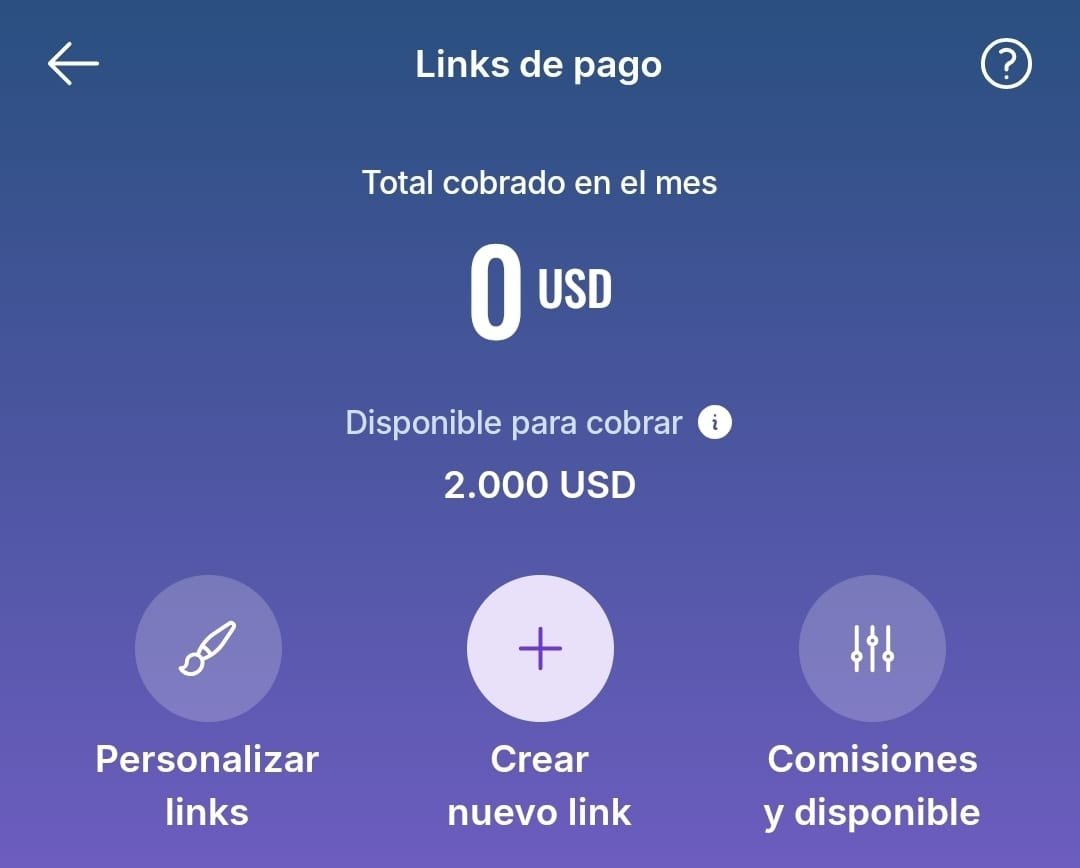
Recibis el dinero en menos de 5 minutos en tu cuenta de @TakenosApp (no te hacen esperar 15 dias como otras apps de mierda)
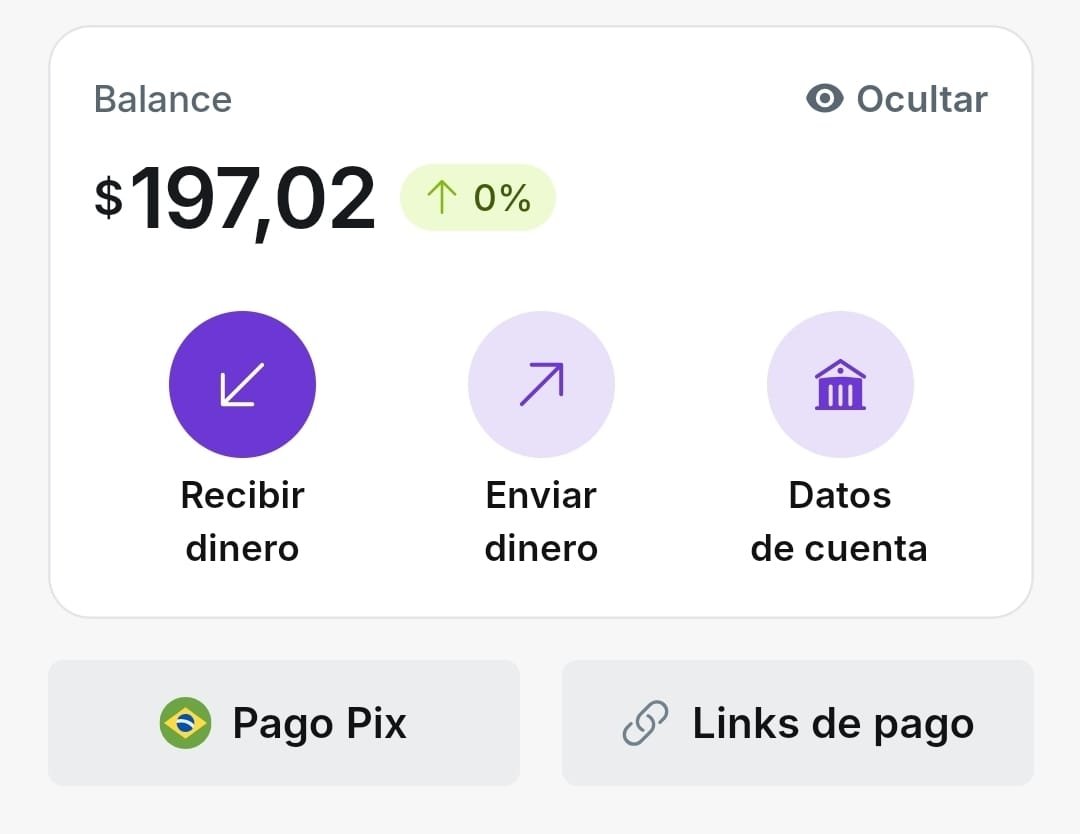
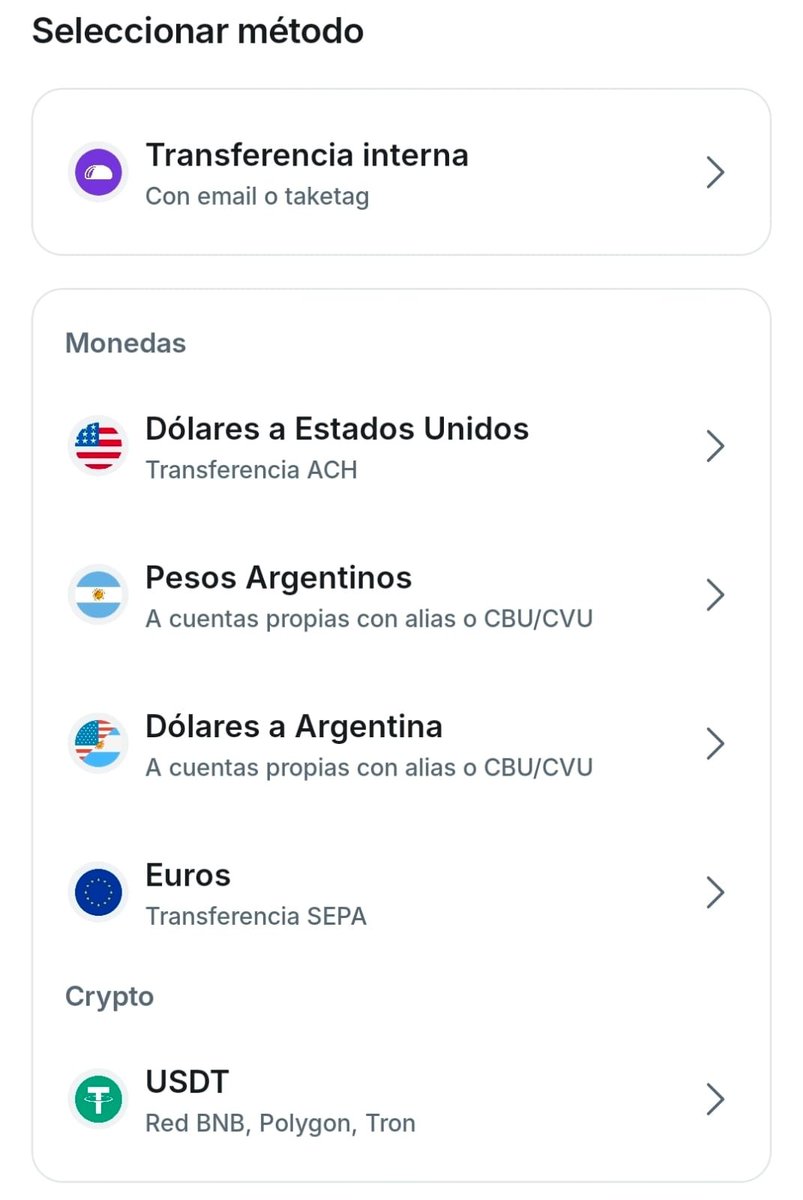
Y lo podes retirar directo a USDT (o a pesos si sos medio boludo) https://t.co/b2dWMNv0Qg
Pones la wallet y algun nombre para guardarla y listo
Llega instantaneo a tu wallet (como mucho 5min)
Con el code CHESI tenes descuento en retiros de USDT al 1% (sino es al 3%)
Ideal si laburas con clientes afuera y te https://t.co/qxyB9tqh7c

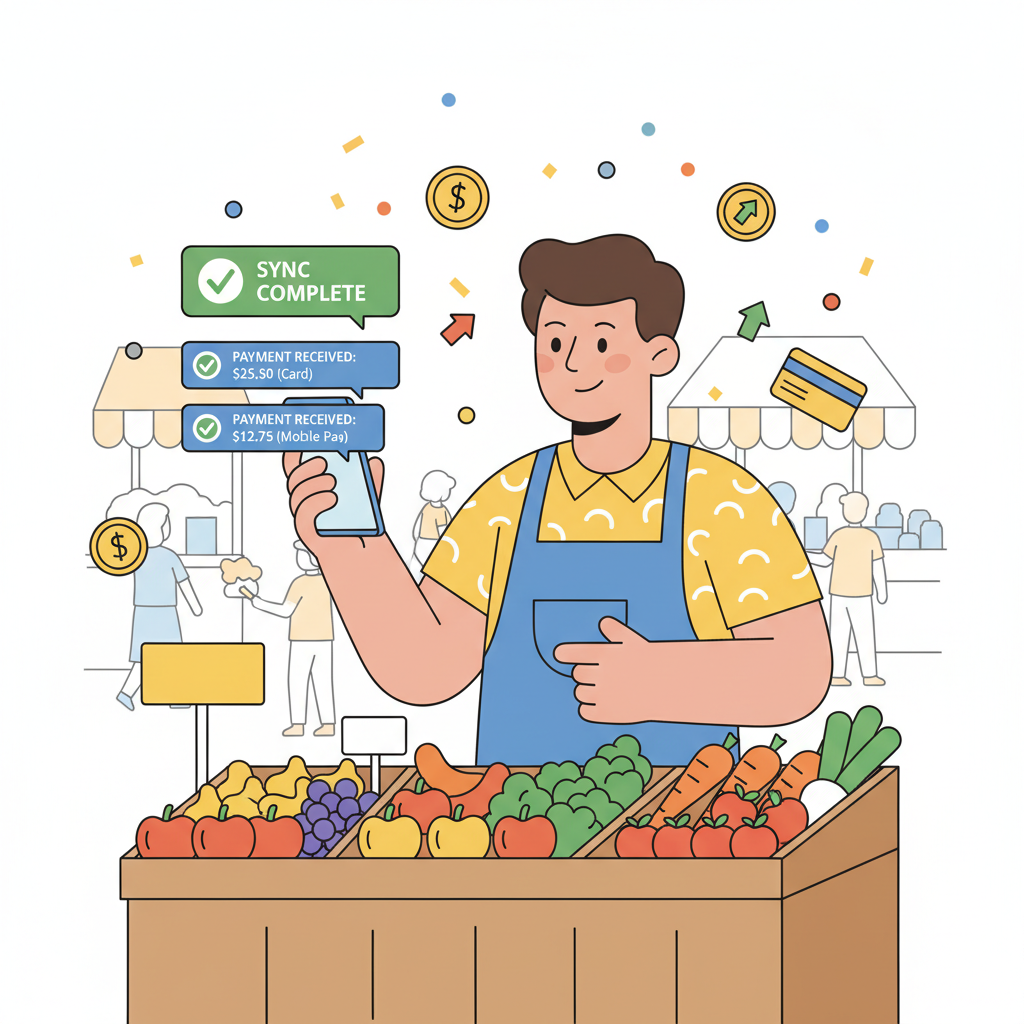
These aren’t anomalies; they’re blueprints. Ledger1. ai’s market stall tools tally offline sales, split payouts instantly upon reconnect-perfect for vendor collectives. Bitget’s analysis nails it: stablecoins fuse blockchain with national QR grids, igniting the last mile.
Strategically, DAI’s growth adds yield farming to the mix-vendors park earnings in collateralized pools, earning 4-6% APY while sleeping. Correlate this with macro tides: as dollar hegemony digitizes via stablecoins, offline merchants become frontline players in the new financial order. Street-level ops, once macro footnotes, now dictate payment evolution.
The pivot point arrives. Tools like StableQRPay. com arm you with stablecoin payments street vendors need: instant, resilient, visionary. Deploy offline USDT QR code systems today, harvest tomorrow’s liquidity revolution, and position your stall as the nexus of tomorrow’s commerce.