
How Offline Street Vendors Accept USDT QR Payments Without Internet in 2026

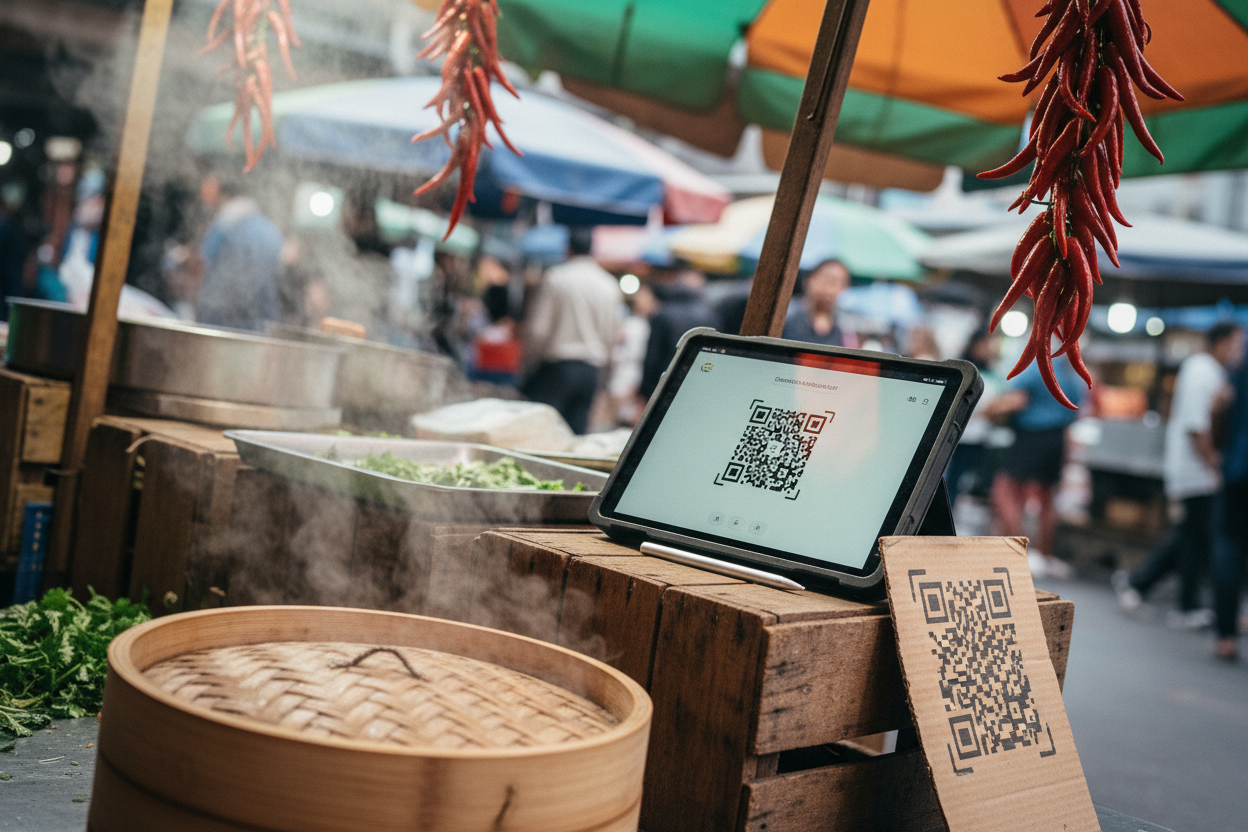
In the vibrant chaos of a 2026 Southeast Asian night market, a street vendor flips open his smartphone to display a simple QR code. A customer scans it with their wallet app, confirms a USDT payment for a steaming bowl of noodles, and walks away satisfied – all without a flicker of internet connectivity. This scene, once futuristic, now powers everyday commerce for offline street vendors accepting USDT QR payments without internet. Stablecoins like USDT bridge the gap between digital assets and tangible goods, offering resilience in connectivity-scarce environments where traditional banking falters.


Over 80% of merchants in Southeast Asia already embrace QR-based e-wallets, transforming stablecoins into practical cash equivalents. Platforms like SQRIL now route USDT through local QR codes in the Philippines, Vietnam, and Indonesia, settling in fiat for vendors. Meanwhile, WalletConnect integrates USDC and USDT into trusted POS terminals, where users scan to pay seamlessly. These shifts reflect a conservative pivot: small businesses prioritizing low-fee, borderless transactions over volatile crypto or cumbersome cards.

Technologies Powering Offline USDT QR Acceptance
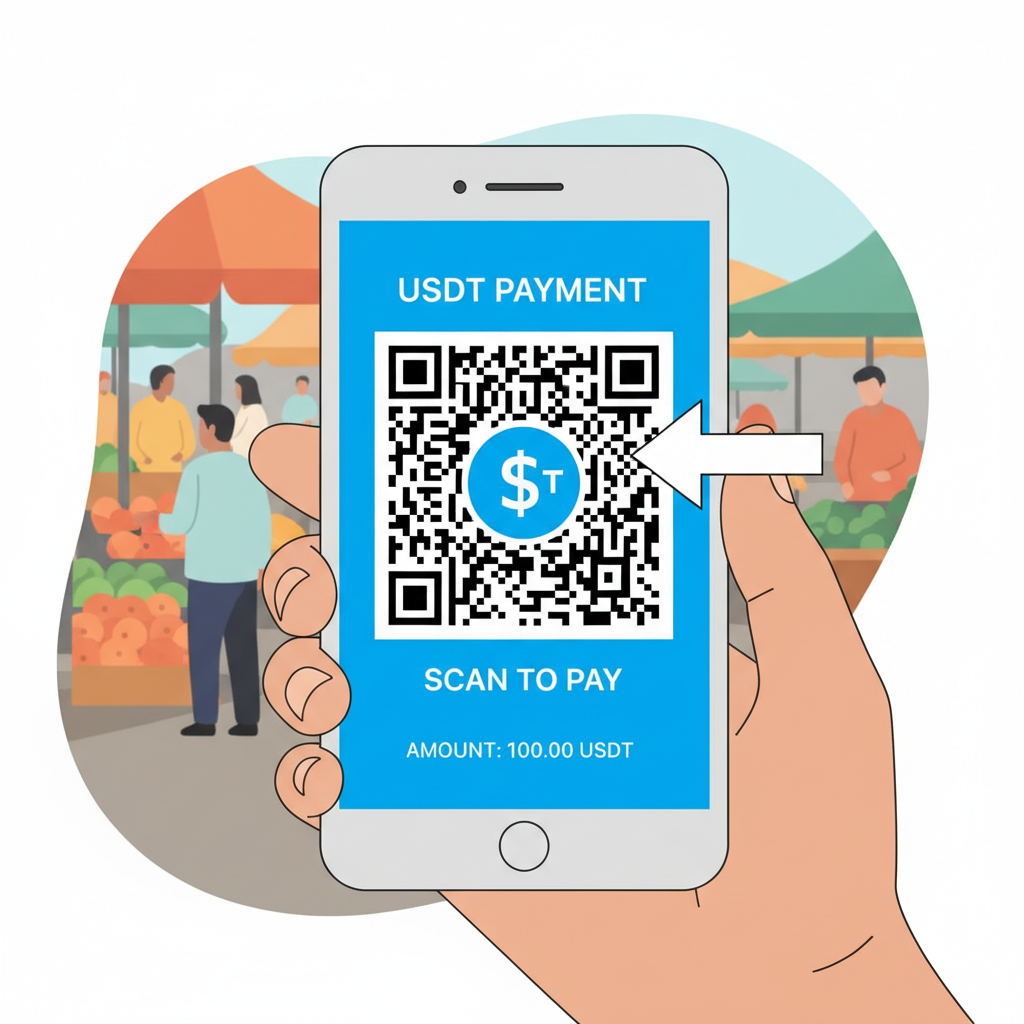
Core to this evolution are offline-capable protocols that decouple transaction signing from real-time blockchain confirmation. Vendors generate static QR codes embedding USDT addresses, amounts, and merchant details via tools like StableQRPay. com. Customers scan and sign transactions locally on their devices; settlement occurs later upon reconnection, often within minutes via batched confirmations on efficient networks like TRC20.
Crunchfish’s ‘On Tap’ exemplifies this, piloting NFC and QR for offline stablecoin flows. It stores transaction data on-device, syncing when possible – ideal for markets where spotty signals prevail. SQRIL’s API grafts USDT liquidity onto national QR rails, like VietQR, paying out local currency instantly to vendors despite blockchain’s asynchronous nature. Ingenico’s WalletConnect Pay further equips existing terminals for compliant stablecoin intake, minimizing hardware upgrades for stablecoin QR codes street vendors rely on.
Advantages Driving Vendor Adoption
Key Benefits for Street Vendors
-
No internet needed: Offline solutions like Crunchfish On Tap enable QR-based USDT payments without connectivity.
-
Low or zero fees: Platforms like NOWPayments offer zero network fees on USDT TRC20 for new merchants.
-
Instant stablecoin utility: USDT acts as digital cash for everyday spending via QR scans.
-

Expanded customer base: Attracts crypto holders; over 80% of SE Asia merchants accept QR e-wallets.
-

Secure bearer transfers: USDT functions like cash with direct wallet-to-wallet security.
From my vantage in long-term investment analysis, this model fosters conservative growth. Street vendors sidestep 2-5% card fees and currency conversion losses, retaining more from each sale. USDT’s pegged value shields against inflation eroding thin margins, while global reach attracts tourists wielding crypto wallets. Projections peg QR payments at $3 trillion globally by 2025, a trajectory accelerating into 2026 with stablecoin integrations.
Step-by-Step Setup for Offline USDT QR
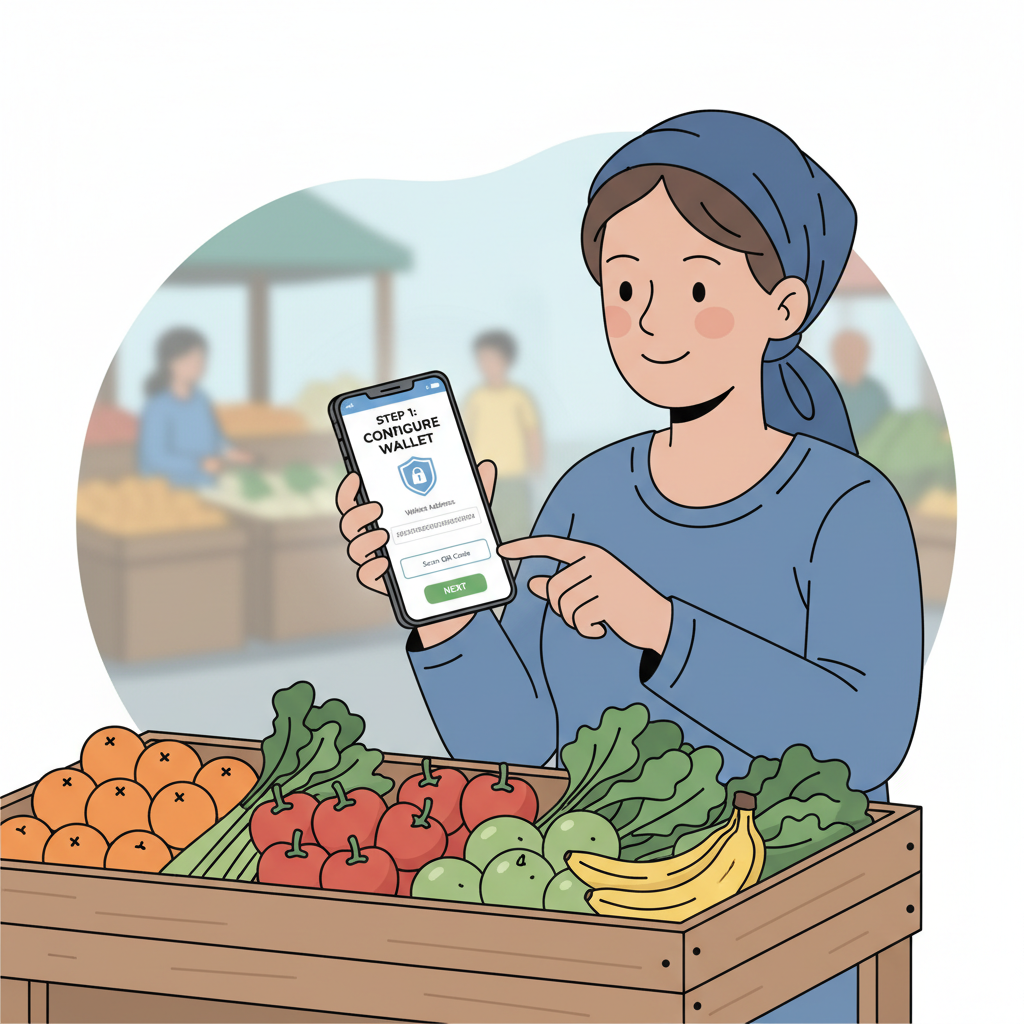
Getting started demands minimal tech savvy. First, vendors select a platform like StableQRPay. com to craft customizable QR codes for USDT on preferred chains – TRC20 for speed, ERC20 for security. Input sale amount, description, and expiry; the system outputs a scannable code or payment link printable for POS displays.
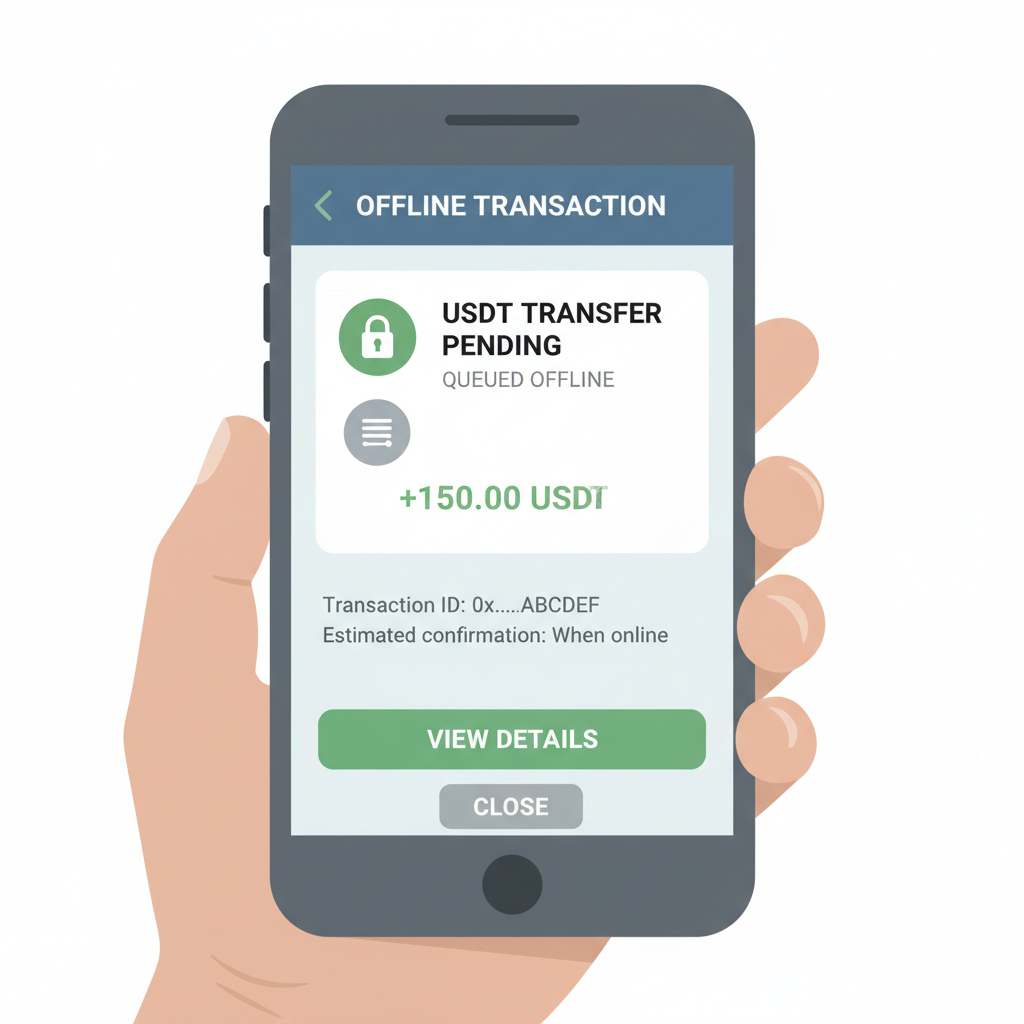
Customers approach, scan via apps supporting offline signing – think WalletConnect-enabled wallets preloaded with USDT. The app verifies funds locally, generates a signed transaction, and prompts confirmation. No internet? No problem; the transaction queues for broadcast. Vendors log codes manually or via simple apps, reconciling later against blockchain explorers.
This frictionless loop boosts sales velocity. In emerging markets, where 80% QR adoption reigns, offline merchant USDT links extend to cross-border buyers, unhindered by banks. SQRIL’s expansion to bank transfers in Malaysia and Thailand underscores regional momentum, blending blockchain with legacy rails.
Vendors report up to 20% sales lifts from crypto-accepting customers, many tourists or locals holding USDT as a hedge against local currency swings. This stablecoin POS for markets setup mirrors digital cash: immediate, verifiable, and low-trust, contrasting fiat’s delays and disputes.
Navigating Challenges in Offline USDT Flows
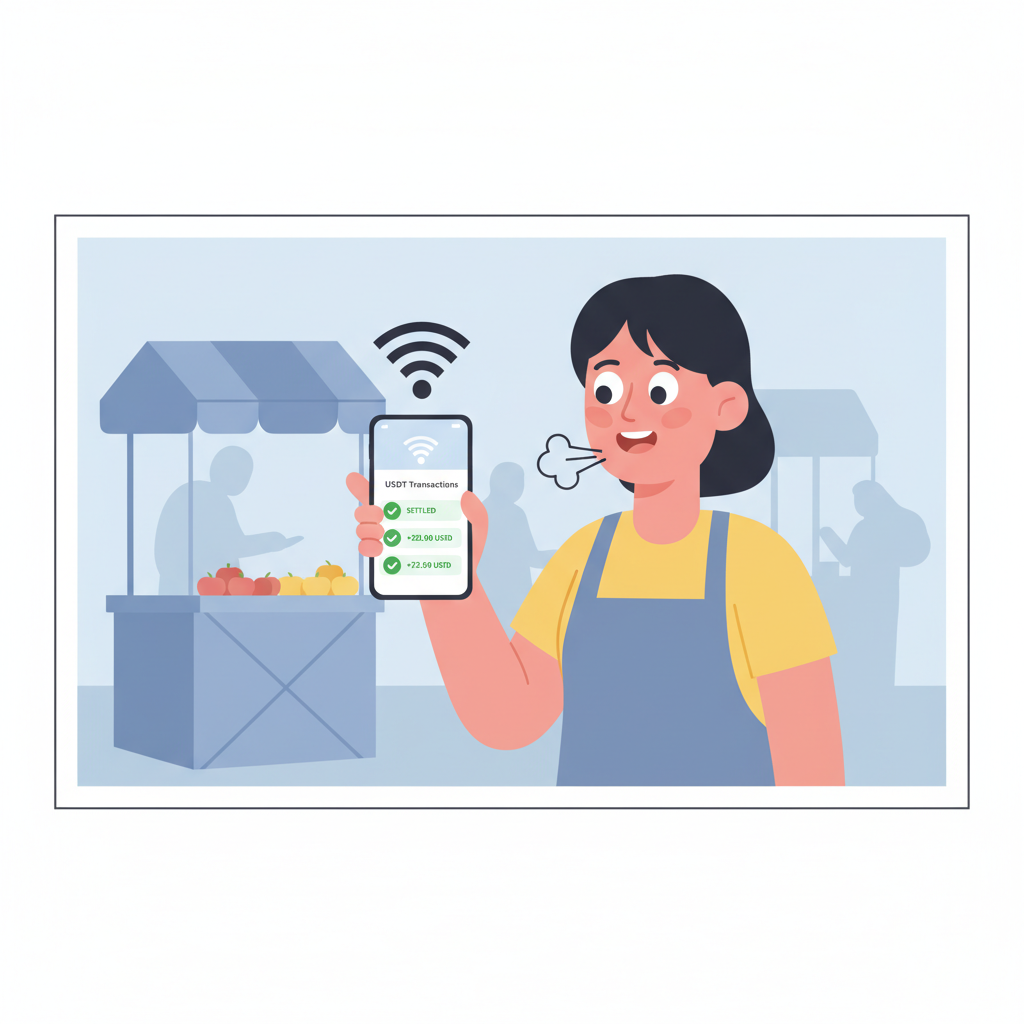
Connectivity gaps pose risks, yet solutions abound. Double-spending threats diminish with time-locked QR codes and wallet-side checks; most platforms enforce one-time use via unique hashes. Reconciliation relies on vendors checking explorers like Tronscan post-reconnect, a routine as familiar as balancing a cash drawer. Regulatory hurdles vary – Southeast Asia leads with SQRIL’s compliant QR switches, while broader adoption awaits clearer stablecoin guidelines elsewhere.
From an investment lens, these frictions pale against upsides. Stablecoins’ fixed peg delivers predictable revenue, unlike volatile alts or eroding fiat. NOWPayments’ zero-fee TRC20 introals lure newcomers, slashing barriers for USDC payment QR no internet scenarios. Bitget’s VietQR fusion illustrates liquidity grafting: USDT inflows fund instant local payouts, stabilizing vendor cash flow amid blockchain’s finality delays.
Offline USDT QR Mastery: Vendor Guide for 2026

Scalability hinges on chain choice. TRC20’s sub-cent fees suit micro-transactions like $2 skewers; ERC20 offers deeper liquidity pools. Hybrid models, as in Ingenico’s terminals, blend NFC taps with QR for fallback, ensuring uptime in rainy markets or remote stalls.
Real-World Momentum and Vendor Stories
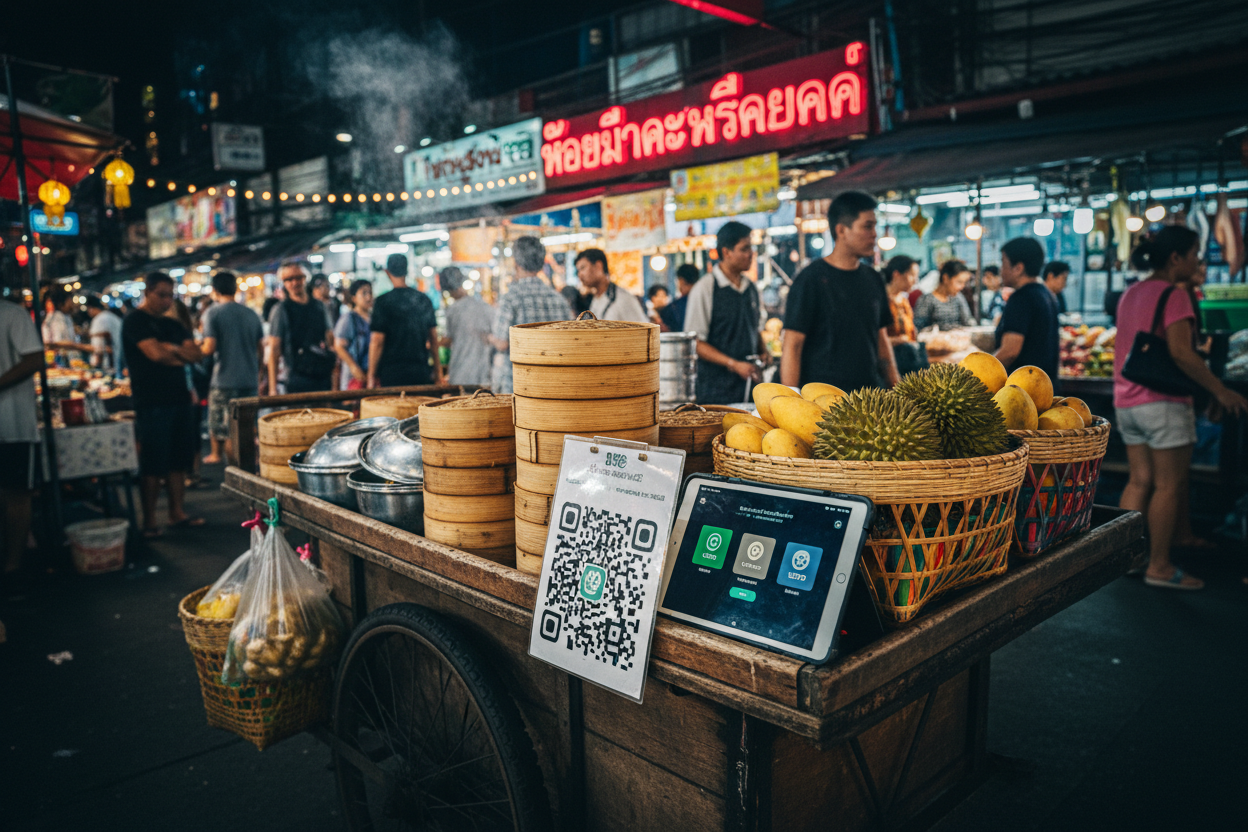
In Manila’s night bazaars, vendors using SQRIL convert USDT scans to PHP within seconds via QR rails, no wallet custody needed. A Thai fruit seller shared how offline QR codes captured remittance-heavy buyers, boosting evenings by 30%. WalletConnect’s mainstream push equips 80% QR-savvy merchants with USDT/USDC, per Ripe. Money data, turning stablecoins into everyday spend.
PayRam’s analysis underscores stablecoins as bearer assets: transfer complete on signing, settlement aside. This empowers USDT QR payments offline, sidestepping banks’ cut. BVNK notes gateways’ cross-border prowess, vital for markets drawing global footfall.
Critics cite volatility risks, yet USDT’s trillion-dollar peg endures, backed by reserves. For small operators, it’s resilience incarnate – no chargebacks, global utility, inflation-proof. Projections from Treasury Today forecast $3 trillion QR volumes, with stablecoins claiming a slice via offline innovations.
Embracing this demands measured steps: test small, track via explorers, diversify chains. Platforms like StableQRPay streamline with one-click codes, expiry timers, and analytics. As CFA-trained eyes scan horizons, stablecoins fortify small businesses against economic tides, QR by QR. Street vendors, once cash-bound, now command digital flows, their stalls beacons of prudent crypto integration in 2026’s connected-yet-spotty world.