The 2026 shift to instant stablecoin settlement
The landscape of digital payments is undergoing a structural reset. In 2026, stablecoins are no longer just speculative assets held on exchanges; they have become utilitarian settlement rails for global e-commerce. This shift is driven by the convergence of mobile-first QR code interfaces and the underlying blockchain infrastructure that enables near-instant finality.
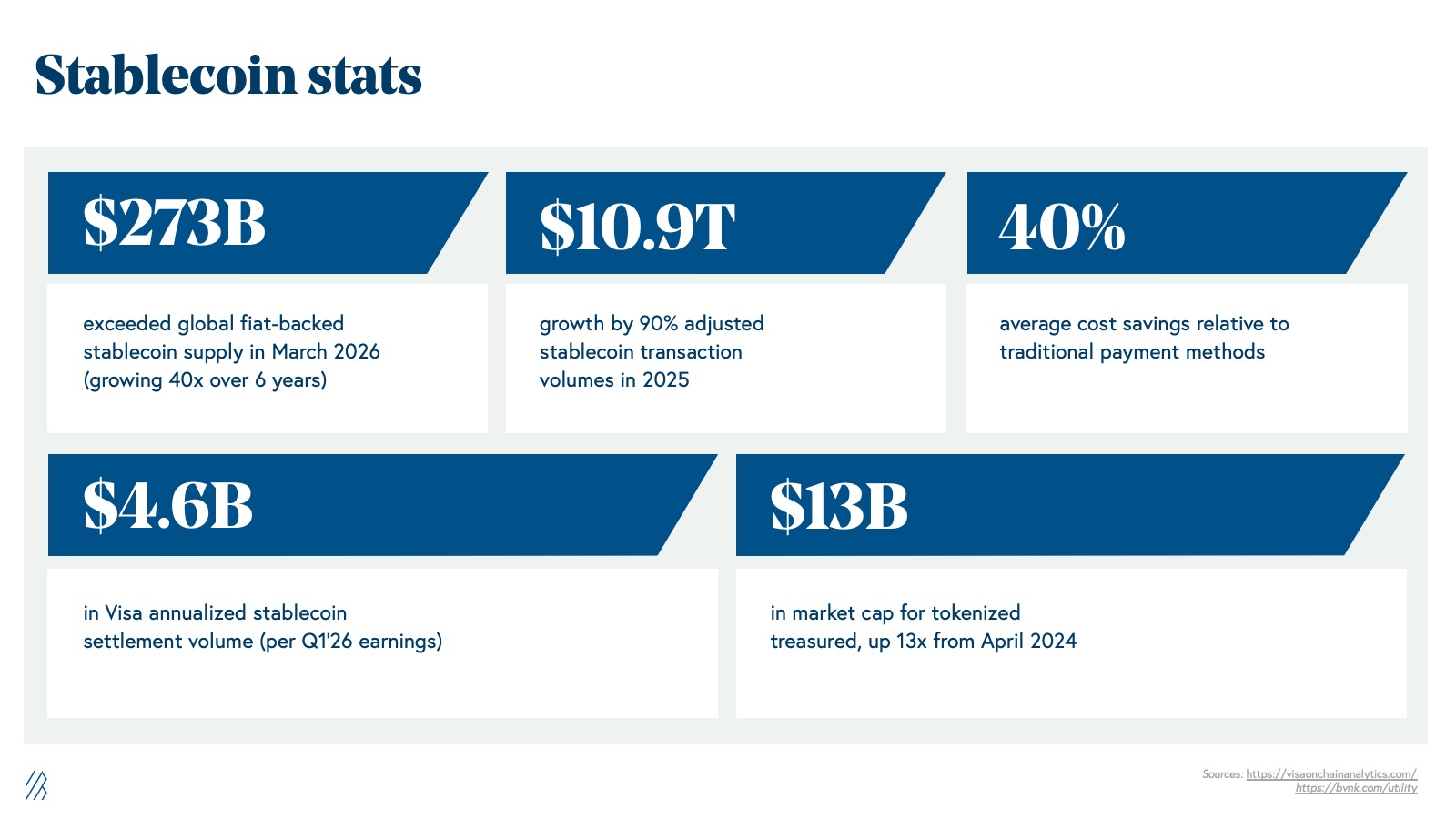
For merchants and consumers alike, the friction of traditional cross-border payments—high fees, multi-day settlement times, and currency conversion losses—is being replaced by stablecoin transactions. By pegging digital currency to fiat values like the US Dollar, stablecoins offer the price stability of traditional money with the speed of crypto. This utility is particularly transformative for international trade, where QR codes serve as the universal bridge between mobile wallets and merchant systems.
The technical backbone of this transition relies on the stability and volume of major stablecoins. To understand the current market dynamics, we can look at real-time performance data.
This chart illustrates the tight peg and trading volume of USDT against USDT, a proxy for stablecoin liquidity. When liquidity is high and the peg remains stable, merchants can accept payments with confidence that the value received matches the value quoted. This reliability is what turns a speculative token into a daily business tool.
Major payment processors are now formalizing this integration. Stripe, for example, has expanded its stablecoin payment capabilities, accepting payments in over 70 countries and settling them directly to USDC on networks like Solana, Ethereum, and Polygon. This infrastructure allows merchants to receive funds instantly, bypassing the traditional banking clearinghouse delays that have long hindered global commerce.
The result is a payment ecosystem where QR codes act as the entry point, and blockchain networks act as the settlement layer. This combination is not just an incremental improvement; it is a fundamental rethinking of how value moves across borders. As 2026 progresses, we expect this model to become the standard for high-volume, low-margin e-commerce transactions.
QR Codes as the Global Payment Rail
The global financial infrastructure is undergoing a structural shift where QR codes have moved beyond simple merchant tools to become the dominant interface for digital payments. This transition is most visible in emerging markets, where QR standards are replacing card networks and cash as the primary settlement layer. By standardizing the visual interface for transactions, these regions are bypassing legacy banking friction, creating a unified rail that connects consumers, merchants, and stablecoin infrastructure.
Vietnam illustrates the speed of this adoption. Data from the State Bank of Vietnam shows that QR code payment transaction volumes increased by 61.63% in the first nine months of 2025 alone. This surge is not driven by new hardware but by the ubiquity of the standard on existing smartphones and merchant displays. The QR code acts as a universal translator for value, allowing different banking apps and wallets to settle transactions instantly without relying on traditional card interchange fees. The visual simplicity of the code has effectively lowered the barrier to entry for digital finance, turning every smartphone into a bank branch.
Thailand is pursuing a similar trajectory, expanding QR acceptance for tourists while simultaneously exploring a local currency-backed stablecoin. The Bank of Thailand has signaled plans to hold public hearings on stablecoin proposals by the end of 2026, aiming to integrate digital assets into the existing QR payment rail. This dual approach—maintaining broad QR acceptance while testing tokenized currency—suggests that the future of this rail is hybrid. It will likely support both fiat-linked transactions and programmable stablecoins, all initiated through the same simple scan.
The market reflects this institutional pivot. The global QR code payment market is projected to grow from $18.49 billion in 2026 to $81.15 billion by 2034, expanding at a compound annual growth rate of 20.31%. This growth is not merely about transaction volume; it represents the consolidation of payment rails into a single, standardized protocol. As QR codes become the default interface for value transfer, they provide the necessary layer of abstraction for instant stablecoin settlements to operate seamlessly in the real world.
Cross-border friction and the 2026 solution
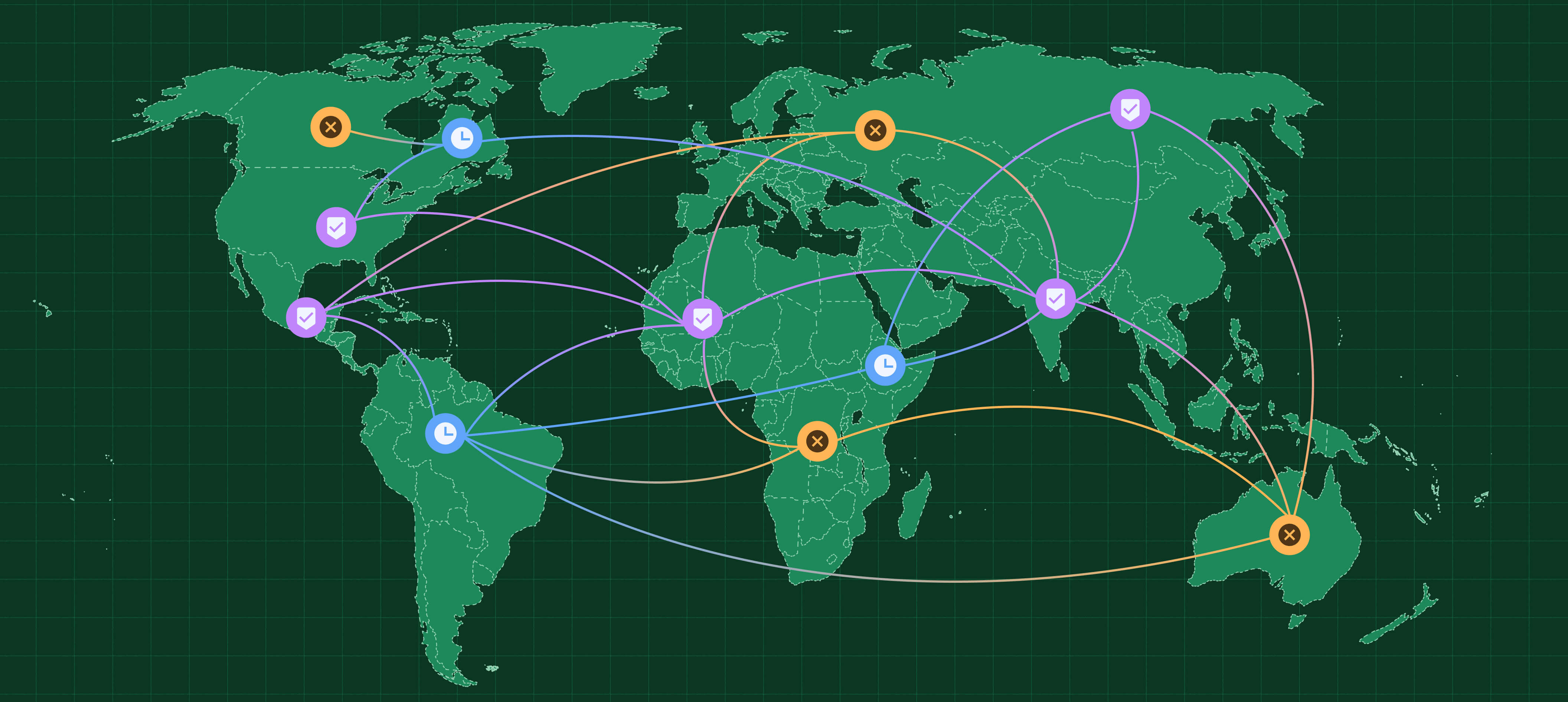
Traditional cross-border payments are plagued by high fees, slow settlement times, and foreign exchange risk. The introduction of stable QR payments in 2026 addresses these issues by leveraging interoperable standards and blockchain technology to create a more efficient payment infrastructure.
How Stable QR Payments Solve Traditional Issues
Stable QR payments utilize stablecoins, which are cryptocurrencies pegged to stable assets like the US dollar, to facilitate instant settlements. This approach eliminates the need for multiple intermediary banks, reducing both the cost and time associated with cross-border transactions.
Key Benefits of Stable QR Payments
- Instant Settlements: Transactions are settled in seconds rather than days.
- Lower Fees: Reduced intermediary costs lead to lower transaction fees.
- FX Risk Mitigation: Stablecoins pegged to stable assets minimize foreign exchange volatility.
Real-World Application: Indonesia-China Pilot
A notable example of stable QR payments in action is the Indonesia-China pilot program. Launched on April 30, 2026, this initiative allows users from both countries to pay for goods and services using their local QR codes, with transactions settled in stablecoins. This pilot demonstrates the potential for stable QR payments to streamline cross-border commerce and enhance financial inclusion.
Comparison: Traditional SWIFT vs. Stable QR Payments
| Feature | Traditional SWIFT | Stable QR Payments |
|---|---|---|
| Settlement Time | 2-5 days | Instant |
| Transaction Fees | High | Low |
| FX Risk | High | Low |
| Intermediaries | Multiple | None |
The table above highlights the significant advantages of stable QR payments over traditional SWIFT transfers. By eliminating intermediaries and leveraging stablecoins, this model offers a more efficient and cost-effective solution for cross-border payments.
Future Implications
The success of the Indonesia-China pilot suggests that stable QR payments could become a standard for cross-border transactions. As more countries adopt this technology, we can expect to see a reduction in the friction associated with global e-commerce, leading to increased trade and economic growth.
Merchant adoption and fiat-to-crypto checkout
The biggest hurdle for global e-commerce has never been technology; it is the friction of moving value across borders. Stable QR payments solve this by allowing merchants to accept digital currency while receiving stable fiat. This shift transforms the checkout experience from a multi-step currency conversion into a single, instantaneous settlement.
Major payment gateways are already bridging this gap. Stripe, for example, allows merchants to accept stablecoin payments from customers in over 70 countries. When a customer scans a QR code to pay with USDC, the gateway handles the blockchain interaction in the background. The merchant receives the payout in their local bank account, insulated from the volatility of the underlying asset.
This seamless fiat-to-crypto conversion is critical for adoption. Merchants do not need to manage digital wallets or monitor crypto markets. They simply integrate the updated payment SDK, and the gateway ensures that the value received matches the value invoiced. This removes the primary risk factor for traditional retailers who are hesitant to touch volatile assets.
The result is a unified checkout flow. Whether the customer pays with a local bank transfer, a credit card, or a stablecoin via QR scan, the merchant sees one clean transaction. The settlement happens in seconds, not days, improving cash flow and reducing the administrative burden of cross-border reconciliation.
No comments yet. Be the first to share your thoughts!