What stable QR pay actually means
Stable QR pay merges the speed of stablecoins with the simplicity of scannable codes. It replaces the traditional card network with a direct blockchain settlement, offering immediate finality for merchants and users alike.
Traditional QR payments often rely on card rails or bank transfers that can take time to clear. Stable QR pay uses pegged assets like USDC or USDT to eliminate volatility while keeping the interface frictionless. The QR code simply initiates the transaction; the blockchain handles the rest.
This intersection creates a distinct payment layer. While standard QR codes facilitate rapid information exchange, stable QR pay ensures the value transferred is predictable and settled on-chain. This distinction is critical for offline commerce where speed and certainty matter.
How merchant settlement works
When a customer scans a QR code to pay with a stablecoin, the process happens in three rapid stages. First, the customer’s wallet signs the transaction and broadcasts it to the blockchain. Second, a payment processor or merchant gateway listens for the confirmation. Third, the merchant receives the value, either as the original stablecoin or converted into local fiat currency.
This flow eliminates the traditional banking delay. In a standard card transaction, funds can take one to three business days to settle because they pass through multiple intermediaries like the card network, the issuing bank, and the acquiring bank. Stablecoin QR payments bypass most of this chain. The blockchain acts as the single source of truth, verifying the transaction in seconds rather than days.
Merchants have two primary options for receiving funds. They can hold the stablecoin, treating it as a digital dollar equivalent, or they can use a payment processor to auto-convert the payment into fiat. Providers like Trust Wallet and RedotPay offer instant conversion, allowing merchants to receive local currency directly into their bank accounts. This flexibility lets businesses avoid cryptocurrency volatility while still leveraging the speed of blockchain technology.
The cost difference is significant. Traditional credit card processing fees typically range from 1.5% to 3.5% per transaction, plus fixed monthly fees. Stablecoin settlements often cost a fraction of a cent per transaction, regardless of the amount. This makes stablecoin QR payments particularly attractive for small-ticket items or high-volume retail where margins are thin.
To understand the stability required for this model, it helps to look at the asset itself. Stablecoins are designed to maintain a 1:1 peg with a fiat currency, usually the US dollar. Unlike Bitcoin or Ethereum, their value does not swing wildly, making them practical for everyday commerce.
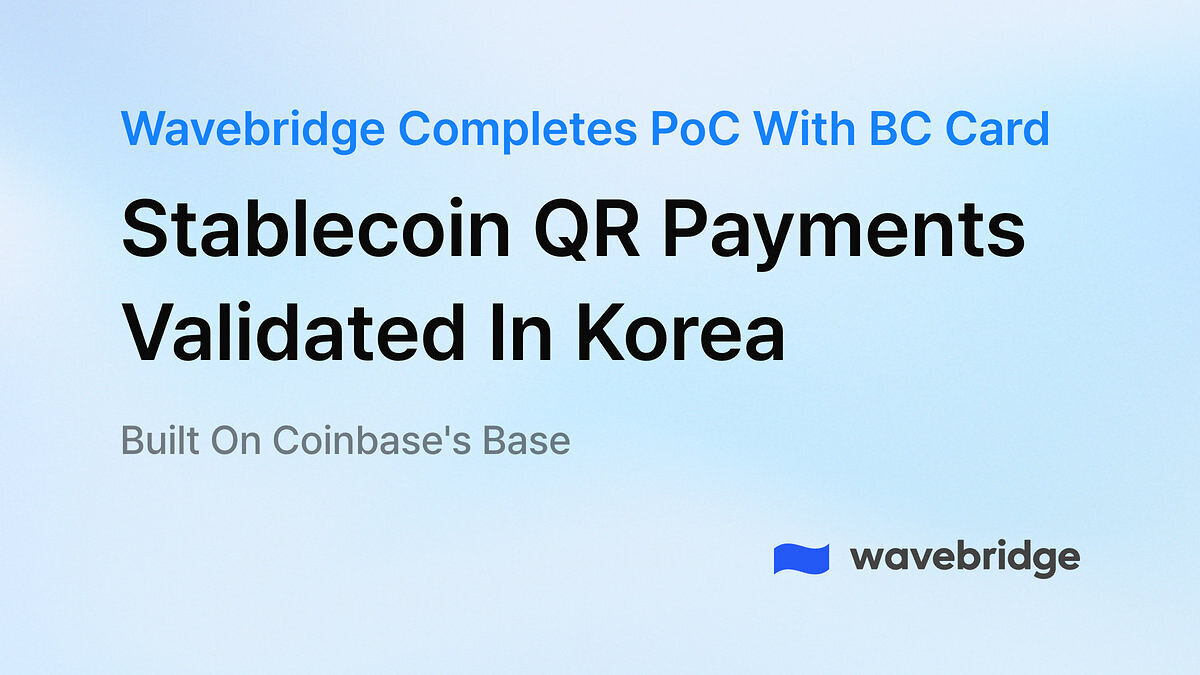
The image below shows a recent proof-of-concept deployment in Korea, where overseas wallets could pay via stablecoin QR codes. Such integrations demonstrate how the technology bridges traditional payment rails with blockchain infrastructure.
Comparing stable QR pay providers
Choosing the right stable QR pay provider depends on where you travel, which chains you hold, and how much you pay in fees. The market currently features three distinct approaches: self-custodial wallets, prepaid virtual card issuers, and YC-backed fintech apps. Each handles merchant settlement and regulatory compliance differently.
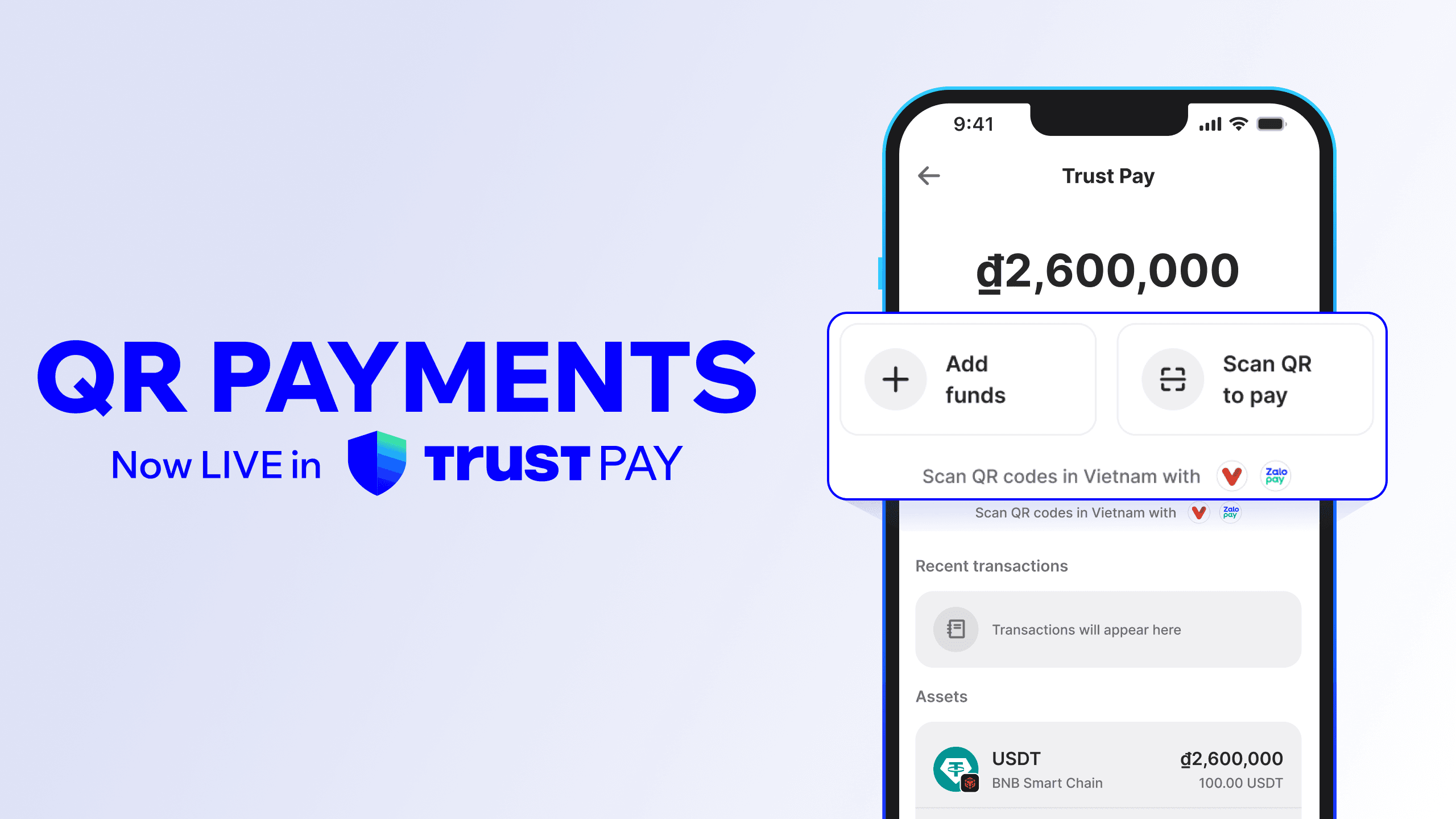
Trust Wallet operates as a self-custodial gateway. Users scan merchant codes directly from their wallet, and the app converts USDT or USDC into local fiat for the merchant instantly. This model keeps funds in your control until the moment of transaction, appealing to those prioritizing privacy and non-custodial security. However, it requires the merchant to have specific QR standards enabled, which limits acceptance compared to card networks.
RedotPay takes a card-integration approach. It issues a prepaid Visa card funded by stablecoins. When you scan a QR code at a merchant accepting VietQR or QRPh, RedotPay settles the transaction through its card network infrastructure. This method is robust for regions with mature QR standards but introduces a middleman layer. You are not paying the merchant directly from your wallet; you are spending a prepaid balance that RedotPay manages.
Moreta, backed by Y Combinator, focuses on cross-border utility for travelers. It simplifies the payment flow for international users by handling the conversion and settlement logic in the background. While less transparent about its underlying technical stack than open-source wallets, it offers a smoother experience for users who want to pay abroad without managing multiple wallets or understanding gas fees.
| Provider | Model | Fees | Supported Chains | Best For |
|---|---|---|---|---|
| Trust Wallet | Self-Custodial | Network gas only | ETH, BSC, Polygon | Global, tech-savvy users |
| RedotPay | Prepaid Card | FX spread + withdrawal | Multi-chain (USDT, USDC) | Southeast Asia (VietQR, QRPh) |
| Moreta | Fintech App | Variable FX fees | Primarily USDT | International travelers |
The decision often comes down to convenience versus control. If you are in Southeast Asia and need to pay local merchants who only accept QRPh or VietQR, RedotPay’s card integration is currently the most reliable path. For users outside these specific markets who want to maintain full custody of their assets, Trust Wallet’s direct QR scanning is the superior option, provided the merchant supports the necessary crypto payment standards.
Security and fraud risks
Crypto QR payments move money with finality. Once a transaction is confirmed on-chain, it cannot be reversed. This speed is efficient for merchants but unforgiving if a mistake or scam occurs. Understanding the specific risks helps you protect your funds while using offline commerce tools.
Wallet and phishing threats
The primary vulnerability is often the user, not the protocol. Scammers may replace a merchant’s legitimate QR code with a fraudulent one, a tactic known as QR code skimming. Because crypto addresses are long strings of characters, verifying the destination before confirming a payment is essential. Always check the first and last few characters of the address displayed in your wallet app against the merchant’s official signage.
Using a dedicated wallet for daily transactions limits exposure. If that wallet is compromised or used on a malicious site, your main savings remain untouched. Avoid storing large sums in wallets connected to public Wi-Fi or unverified dApps. For a broader view of how crypto assets are performing, which can influence your risk appetite, check the current market data:
Irreversibility and chargebacks
Unlike credit cards, blockchain transactions do not offer a chargeback mechanism. There is no central authority to reverse a payment sent to the wrong address or a known scammer. This reality shifts the burden of due diligence entirely to the payer. Merchants benefit from lower fraud rates since they do not face false chargebacks, but they also face higher scrutiny from customers worried about security.
To mitigate this, some stablecoin platforms are integrating identity verification layers or offering limited insurance funds for verified merchants. However, these are exceptions rather than the norm. For technical traders analyzing market volatility during these security transitions, monitoring price action is critical:
Southeast Asia leads stablecoin QR adoption
Thailand is rolling out expanded QR payment systems specifically designed for tourists, aiming to streamline cross-border transactions for visitors. This initiative pairs with the Bank of Thailand's ongoing work on cross-border payment linkages, which serve as a low-cost, fast alternative to traditional methods. The country is also exploring a baht-pegged stablecoin to further boost digital tourism infrastructure.
The momentum extends across the region. Vietnam and the Philippines are similarly integrating QR standards that allow seamless payments between different national currencies. This interoperability means a traveler can scan a local merchant's code using a stablecoin wallet, bypassing expensive currency conversions and slow wire transfers.
This regional push creates a unified digital commerce layer. Merchants in Thailand, Vietnam, and the Philippines can accept stablecoins with minimal friction, while consumers enjoy the speed of blockchain settlements. The result is a practical, real-world application of crypto that works alongside existing banking rails.
Technical infrastructure supporting growth
The underlying technology relies on standardized QR codes that are compatible with multiple payment networks. This technical compatibility is crucial for cross-border functionality, allowing different financial institutions to communicate effectively without requiring each merchant to integrate separate crypto gateways.
Setting up stable QR pay for business
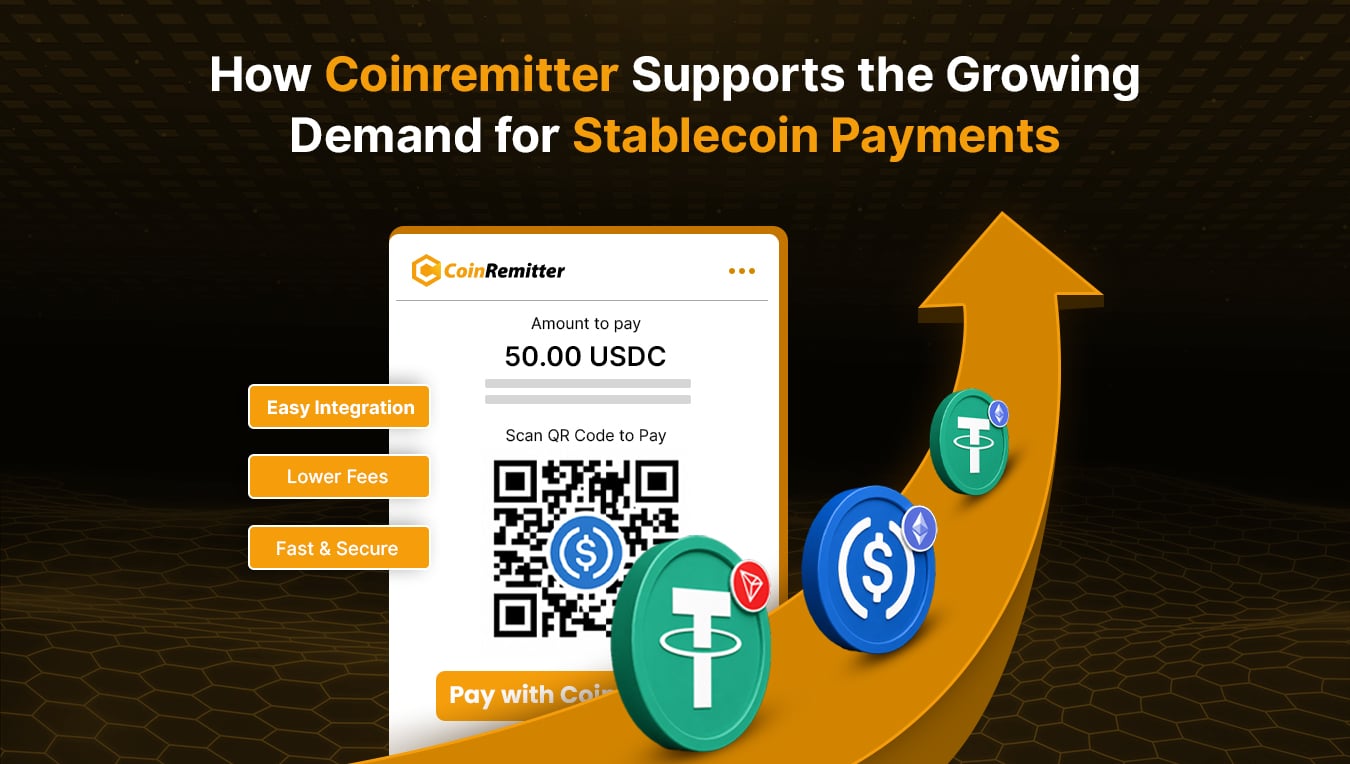
Accepting stablecoin QR payments requires a structured approach that balances technical integration with regulatory compliance. Merchants who follow a clear setup process can reduce processing costs and expand their customer base without the friction of traditional banking rails.
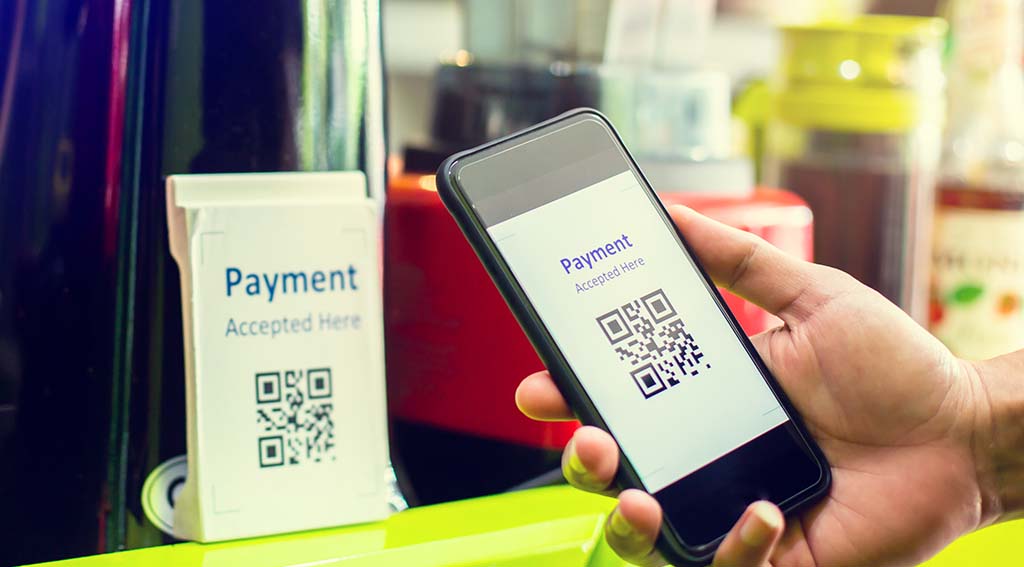
Select a provider that supports stablecoin settlement and operates within your local regulatory framework. Ensure they offer transparent fee structures and support for major stablecoins like USDC or USDT. Look for providers with established compliance protocols to mitigate regulatory risk.
Complete the Know Your Business (KYB) verification process by submitting business registration documents, tax IDs, and proof of address. This step is mandatory for most providers to prevent fraud and ensure adherence to anti-money laundering (AML) standards. Verification typically takes 24–48 hours.
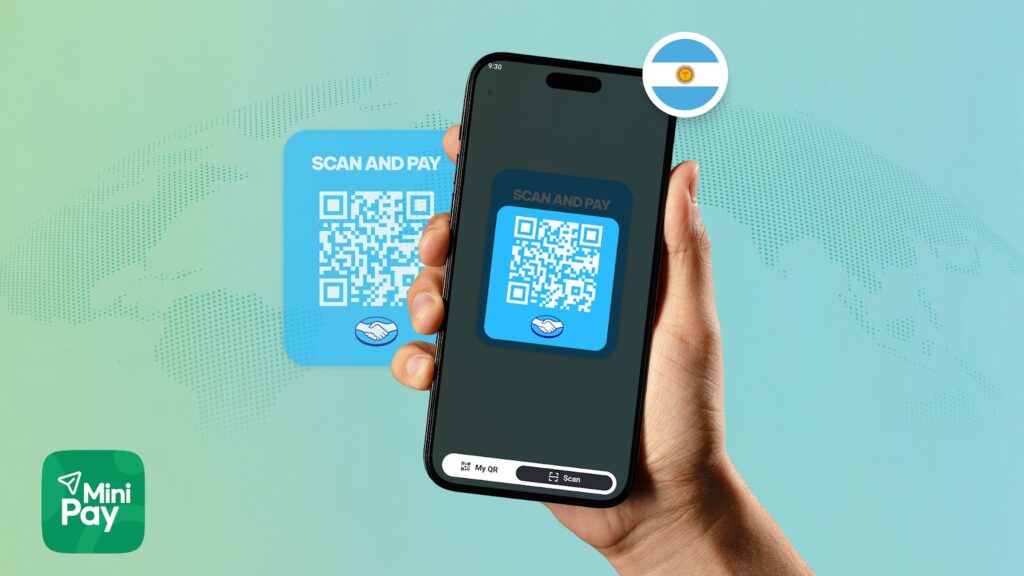
Install the provider’s SDK or use their hosted checkout page to generate dynamic QR codes for each transaction. Test the integration thoroughly using testnet environments to ensure codes update correctly with varying amounts. Ensure your point-of-sale system can display and scan QR codes reliably.
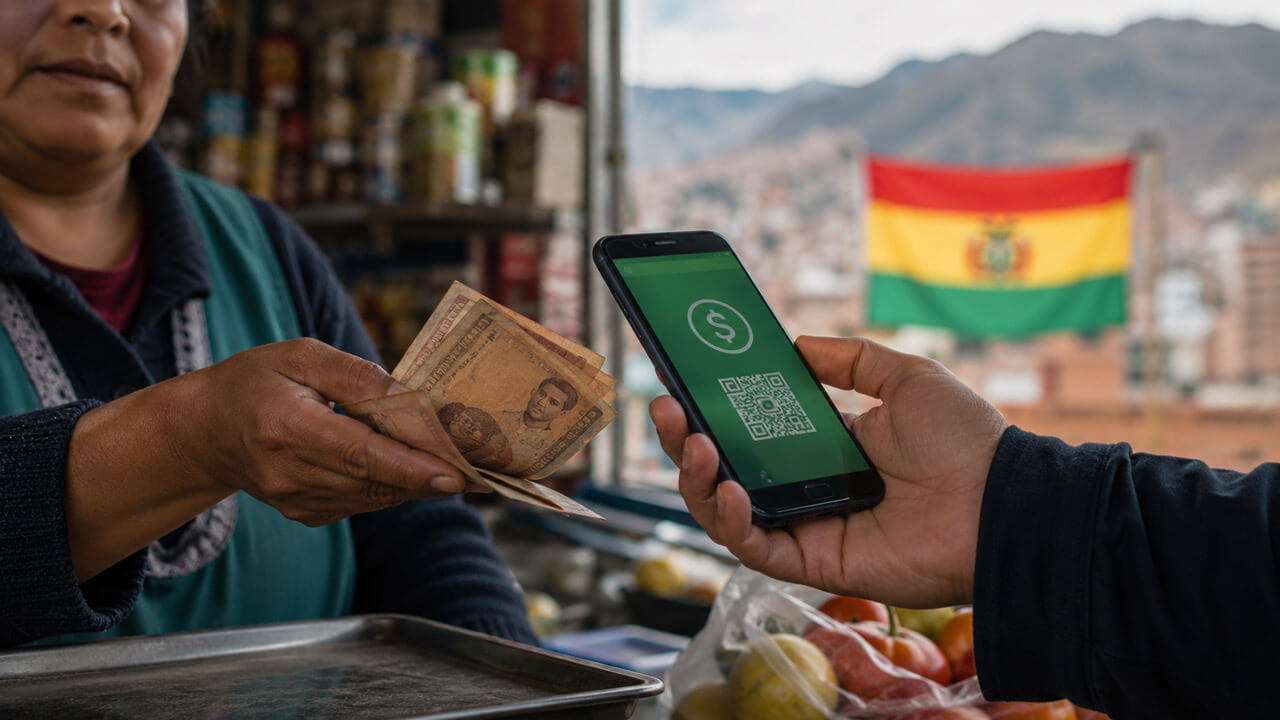
Process test transactions to verify that funds settle correctly and receipts are generated accurately. Monitor the transaction flow from customer scan to merchant wallet settlement. Once confirmed, switch to live mode and train staff on handling potential payment failures or network delays.
Common questions about stable QR pay
Is QR payment safe?
Stable QR payments are secure because they use tokenization and encryption to protect transaction data. Unlike physical cards, QR codes do not store sensitive card details, reducing the risk of skimming. The stablecoin component adds another layer of predictability by pegging the currency value, eliminating the volatility risk associated with other cryptocurrencies during the checkout process.
How to get paid from a QR code?
Merchants generate a unique QR code linked to their digital wallet address through a payment processor. When a customer scans the code with their mobile app, they enter the amount and confirm the stablecoin transfer. The funds settle almost instantly on the blockchain, and the merchant receives the notification and clears the transaction in their dashboard.
Who accepts QR code payments?
Adoption is growing across retail, food service, and peer-to-peer (P2P) transfers. Major payment processors like Stripe and Square now support QR-based settlements, enabling small businesses to accept crypto without complex hardware. Many digital wallets also allow users to pay friends or split bills using stablecoin QR codes, making it common in informal commerce.
How to set up QR pay?
Setting up stable QR pay requires a compatible digital wallet that supports the specific stablecoin (e.g., USDC or USDT) and a merchant account with a supporting payment gateway. Users simply link their bank account or exchange wallet to the gateway, generate a merchant QR code, and place it at the point of sale. No specialized hardware is needed beyond a smartphone camera or a low-cost QR scanner.
No comments yet. Be the first to share your thoughts!