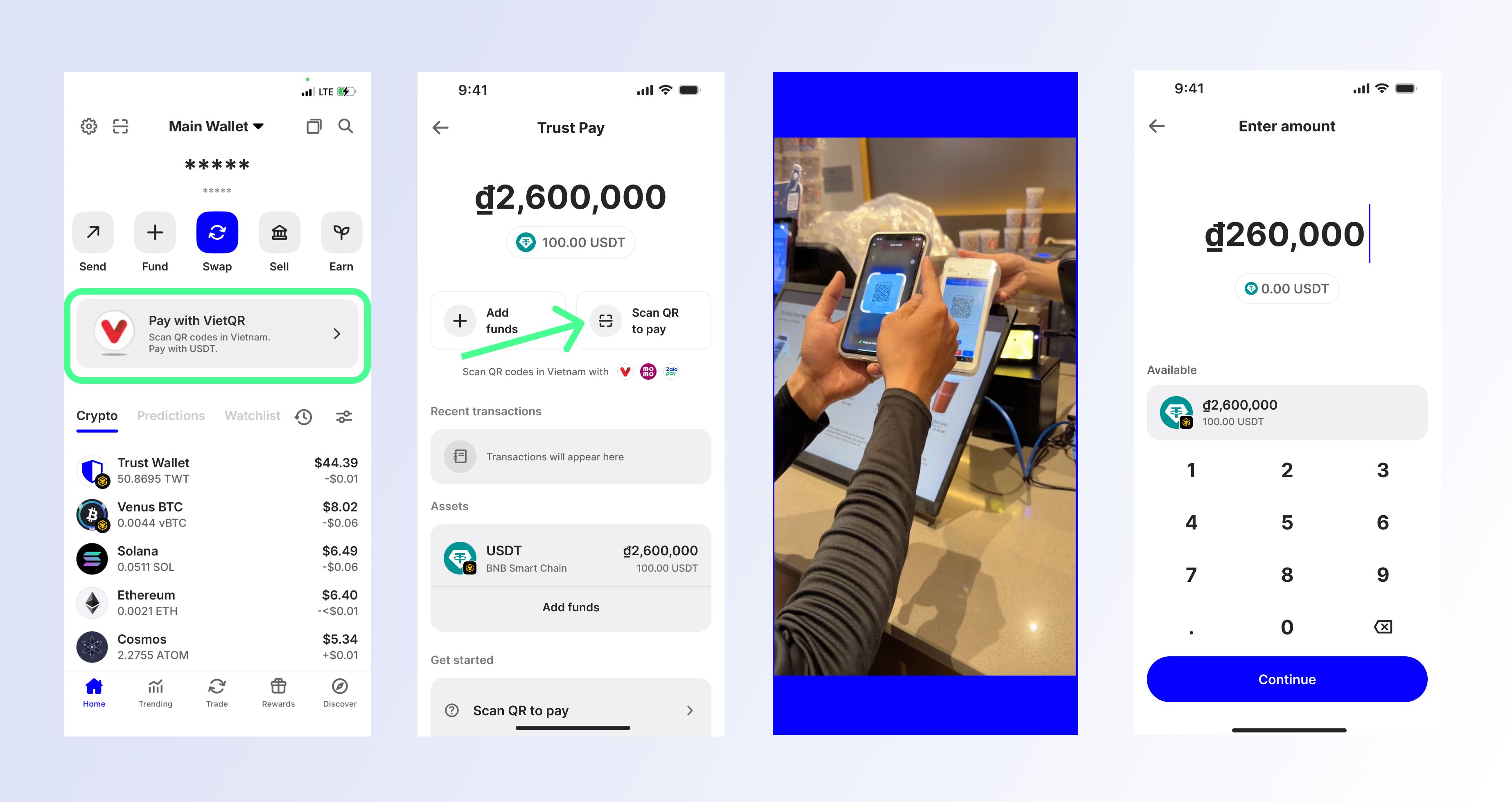
Get stable qr pay 2026 right
Before you launch a stablecoin QR payment system, you need to align three technical and regulatory layers. The market is moving fast—Juniper Research projects QR code spend in transportation alone to nearly triple by 2028—but speed means nothing if the settlement rails break or the merchant acquirer rejects the transaction. Getting the prerequisites right prevents costly integration failures later.
First, choose your stablecoin and network wisely. Not all stablecoins are accepted by every payment processor. USDC and USDT on low-fee networks like Solana or Polygon are currently the most compatible with modern QR payment gateways. Ensure your chosen stablecoin is supported by the acquirer you plan to use; a mismatch here causes immediate settlement failures. Check the acquirer’s official documentation for their current list of supported tokens and networks.
Second, verify regulatory compliance for both the issuer and the merchant. Stablecoin payments are treated as money transmission in many jurisdictions. You need a Money Transmitter License (MTL) or equivalent partnership with a licensed entity. Without this, your payment flow is illegal in most major markets. Consult your local financial regulator’s guidelines on virtual asset service providers (VASPs) to ensure your business model is compliant.
Third, test the end-to-end flow with small amounts. QR payments rely on precise URI formatting and network confirmation times. A failed test often stems from incorrect payload data or network congestion. Run live transactions with minimal value to confirm that the merchant receives the fiat equivalent and the customer gets a clear success receipt. This step is non-negotiable for high-stakes financial integrations.
Work through the steps
The to Stable QR Pay works best as a clear sequence: define the constraint, compare the realistic options, test the tradeoff, and choose the path with the fewest hidden costs. That order keeps the advice usable instead of decorative. After each step, pause long enough to check whether the recommendation still fits the reader's actual situation. If it depends on perfect timing, unusual access, or a best-case budget, include a simpler fallback.
Fix Common Stable QR Pay Mistakes
Even with instant settlement, stablecoin QR payments fail when merchants treat them like traditional card terminals. The friction comes from ignoring the specific mechanics of on-chain transactions. Below are the errors that cause failed settlements and how to correct them.
Ignoring Network Selection
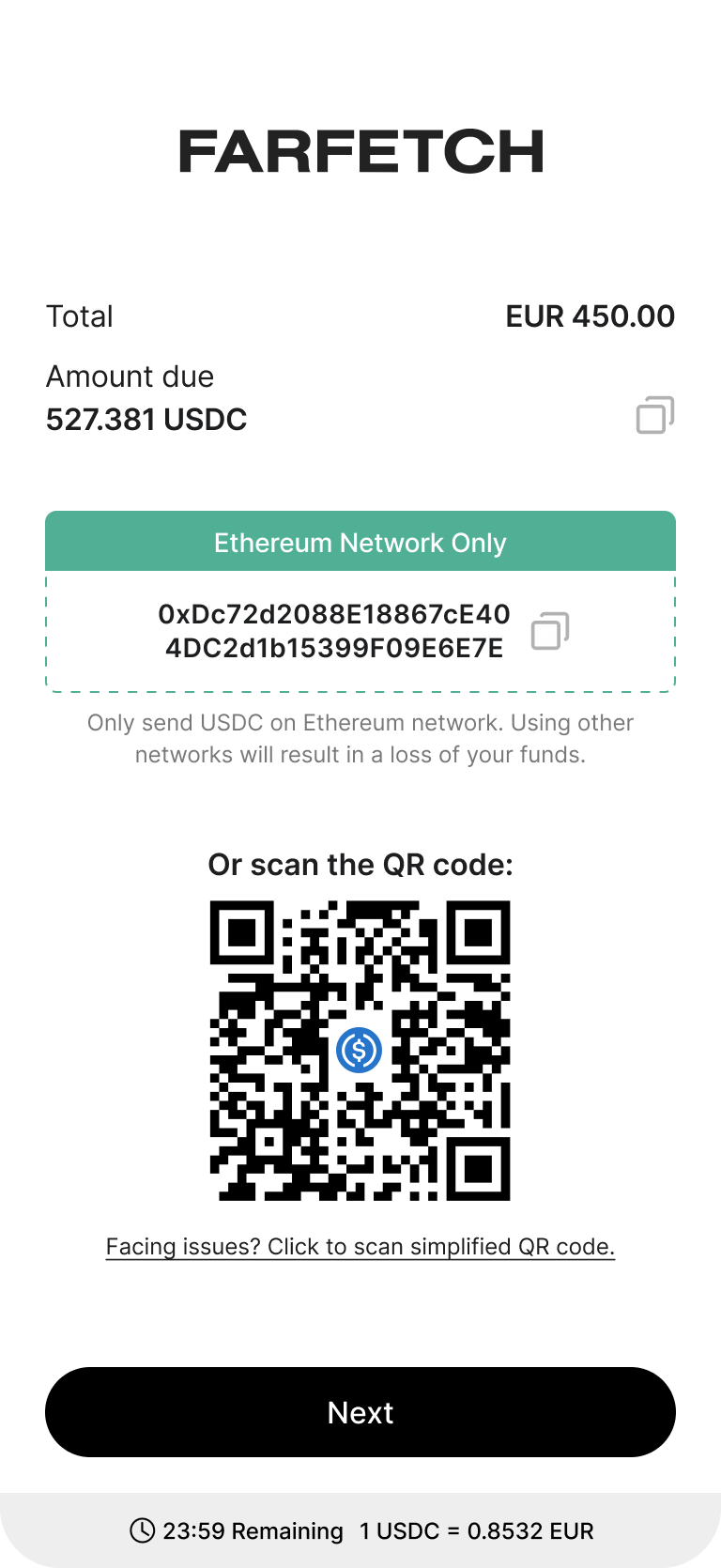
Scanning a QR code does not automatically select the correct blockchain. If a customer scans a USDT QR code using a wallet connected to Ethereum Mainnet, but the merchant expects Tron (TRC-20), the transaction will fail or result in lost funds. Always verify the network prefix in the QR data before scanning. Use wallets that display the network name clearly to prevent cross-chain errors.
Overlooking Gas Fees
Stablecoin transactions require native tokens for gas. A customer trying to send USDC on Ethereum needs ETH to cover the transaction fee. If their wallet holds only stablecoins, the payment will revert. Advise customers to maintain a small balance of the network’s native currency. For high-volume merchants, consider sponsoring gas fees or using Layer 2 solutions where fees are negligible.
Skipping Confirmation Checks
Unlike credit cards, blockchain transactions are irreversible. Mistakes happen when merchants accept a payment before it is confirmed on-chain. A "pending" status is not proof of payment. Wait for the required number of block confirmations defined by your payment processor. Integrate real-time webhook notifications to update order status only after the transaction is final, preventing chargeback-style disputes from failed states.
Using Static QR Codes for Large Amounts
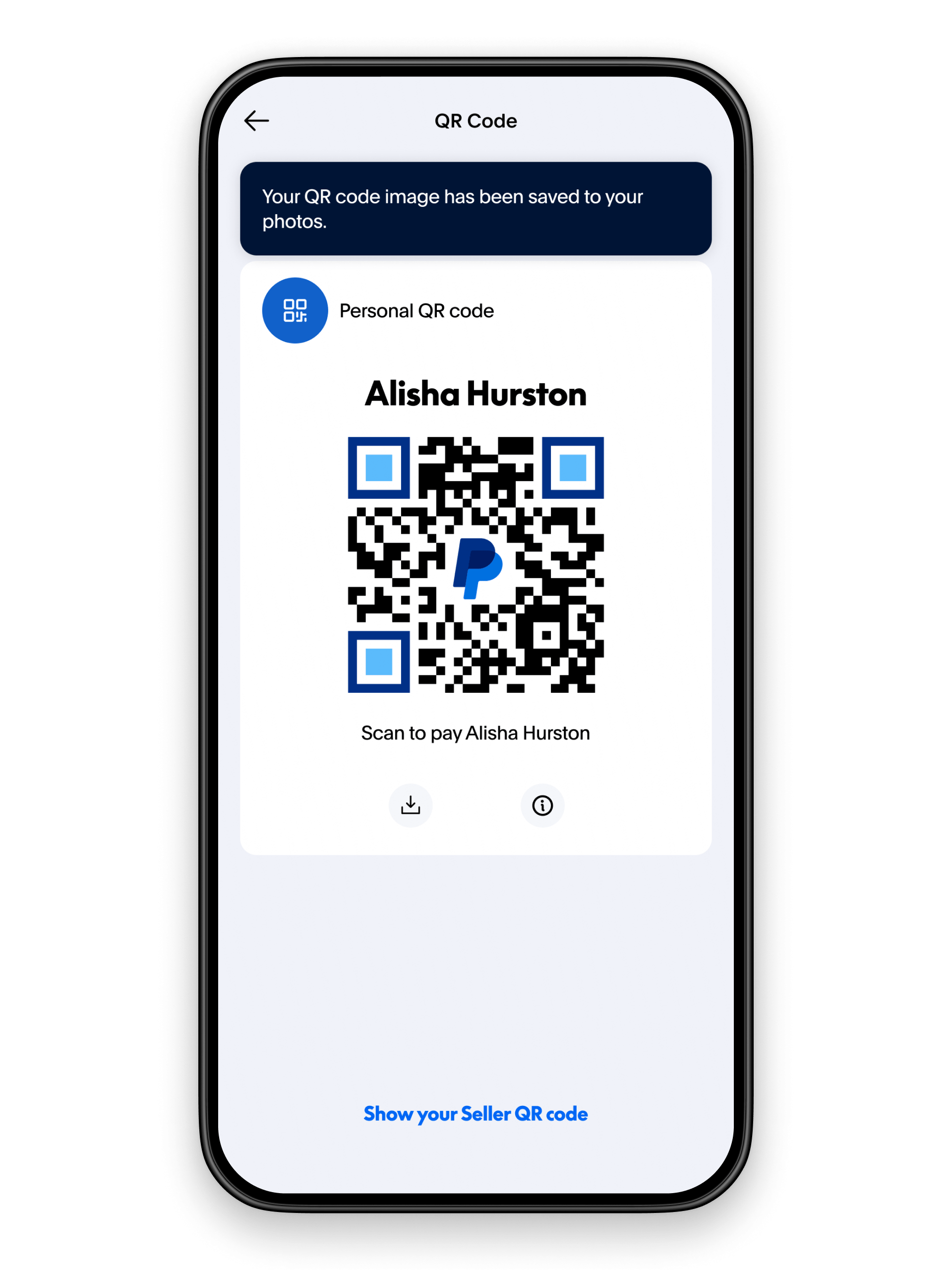
Static QR codes display a fixed wallet address. They do not embed the transaction amount or token type, forcing manual entry. This increases the risk of typos and phishing attacks where attackers swap the address. For amounts above a certain threshold, use dynamic QR codes generated at the point of sale. These codes include the exact amount and token, ensuring the customer sends the correct value to the correct destination.
Stable qr pay 2026: what to check next
Before switching to stablecoin QR settlements, it helps to understand the mechanics and limits that affect daily use. Here are the practical answers to the most common questions about how these payments work and where you can use them.
No comments yet. Be the first to share your thoughts!