Stable QR Pay in 2026
The shift from cash to stablecoin-based QR payments is moving from pilot programs to mainstream infrastructure. By 2026, the friction that once blocked adoption is being solved by interoperable QR standards. Systems like VIETQRGlobal now allow cross-border transactions to settle instantly, giving local merchants in places like Vietnam the ability to accept payments from Chinese tourists using Alipay. This isn't just about convenience; it's about reducing the foreign exchange risk and cash handling costs that eat into small business margins.
For merchants, the hardware requirement has dropped significantly. You no longer need expensive, proprietary card readers. A simple QR code printed on a counter or displayed on a tablet is often enough to process stablecoin payments, provided your point-of-sale (POS) system supports the underlying protocol. Modern POS systems in 2026 are designed to handle both traditional card swipes and these new digital wallet scans, making the transition seamless for staff who are already familiar with checkout flows.
However, the "stable" part of stablecoin payments is critical. Merchants are wary of the volatility that plagued early crypto-adoption phases. By pegging transaction values to fiat currencies like the USD or EUR, stablecoins offer the speed of blockchain without the price swings. This stability is what makes them viable for daily operations, from buying inventory to paying wages. The technology is ready, but the real test is whether merchants can trust the settlement speed and regulatory clarity that comes with it.
Stable qr pay 2026 choices that change the plan
Use this section to make the The QR Pay Revolution decision easier to compare in real life, not just on paper. Start with the reader's actual constraint, then separate must-have requirements from details that are merely nice to have. A practical choice should survive normal use, maintenance, timing, and budget. If a recommendation only works in an ideal situation, call that out plainly and give the reader a fallback path.
| Factor | What to check | Why it matters |
|---|---|---|
| Fit | Match the option to the primary use case. | A good deal still fails if it does not fit the job. |
| Condition | Verify age, wear, and service history. | Hidden condition issues erase upfront savings. |
| Cost | Compare purchase price with likely upkeep. | The cheapest option is not always the lowest-cost option. |
How to choose the right QR pay setup
Stablecoin QR payments are moving from pilot programs to daily operations, but the hardware you need depends on your current point-of-sale system. You generally do not need to replace your entire register to start accepting crypto-backed payments. Instead, most merchants can bridge the gap between legacy cash systems and modern digital wallets by selecting the right hardware tier.
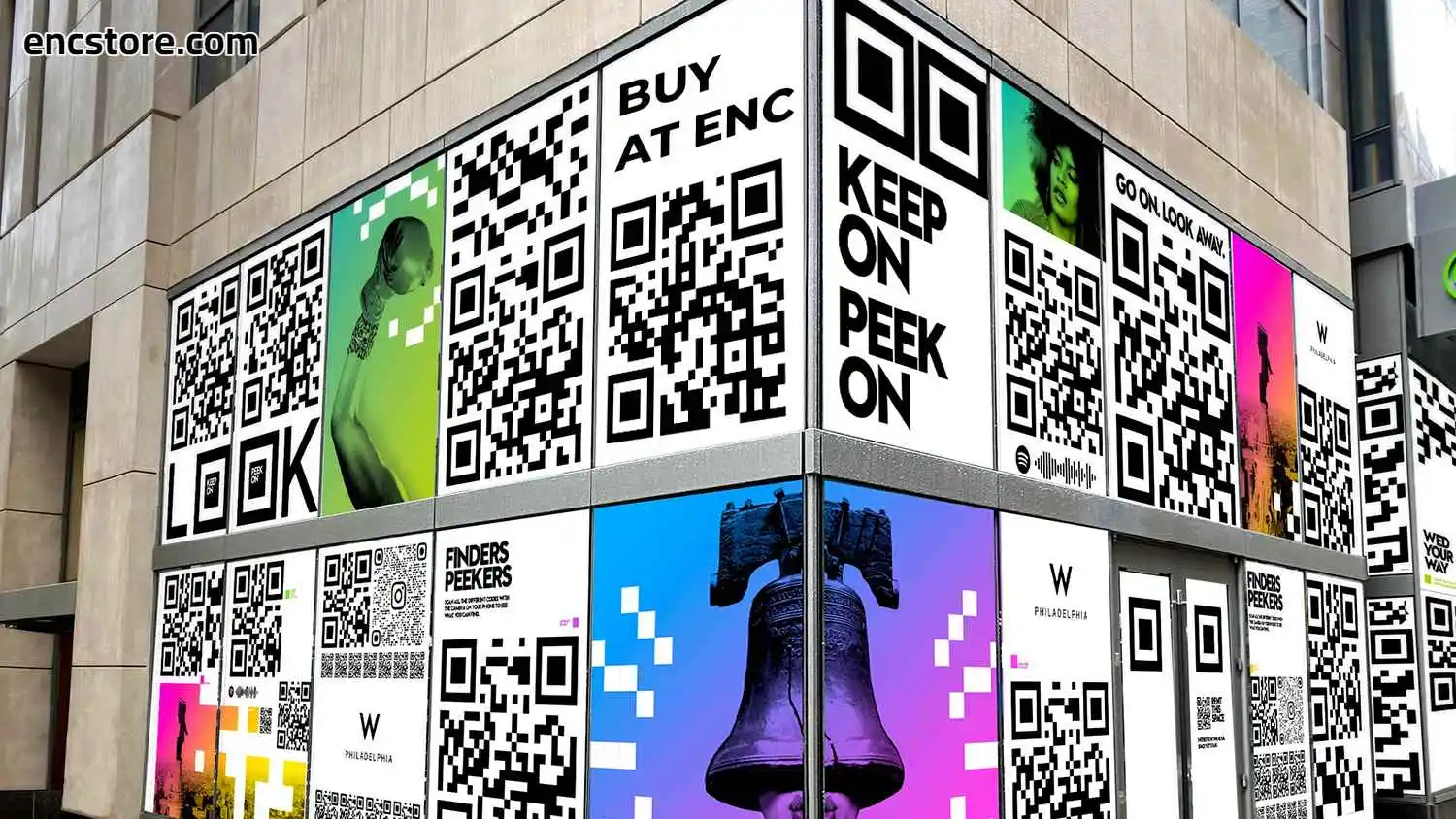
Before buying new gear, verify if your current POS terminal supports QR code scanning. Many modern systems already handle the visual data exchange required for mobile wallets. If your system can read a QR code, you may only need a software update or a compatible app to process stablecoin transactions without new hardware.
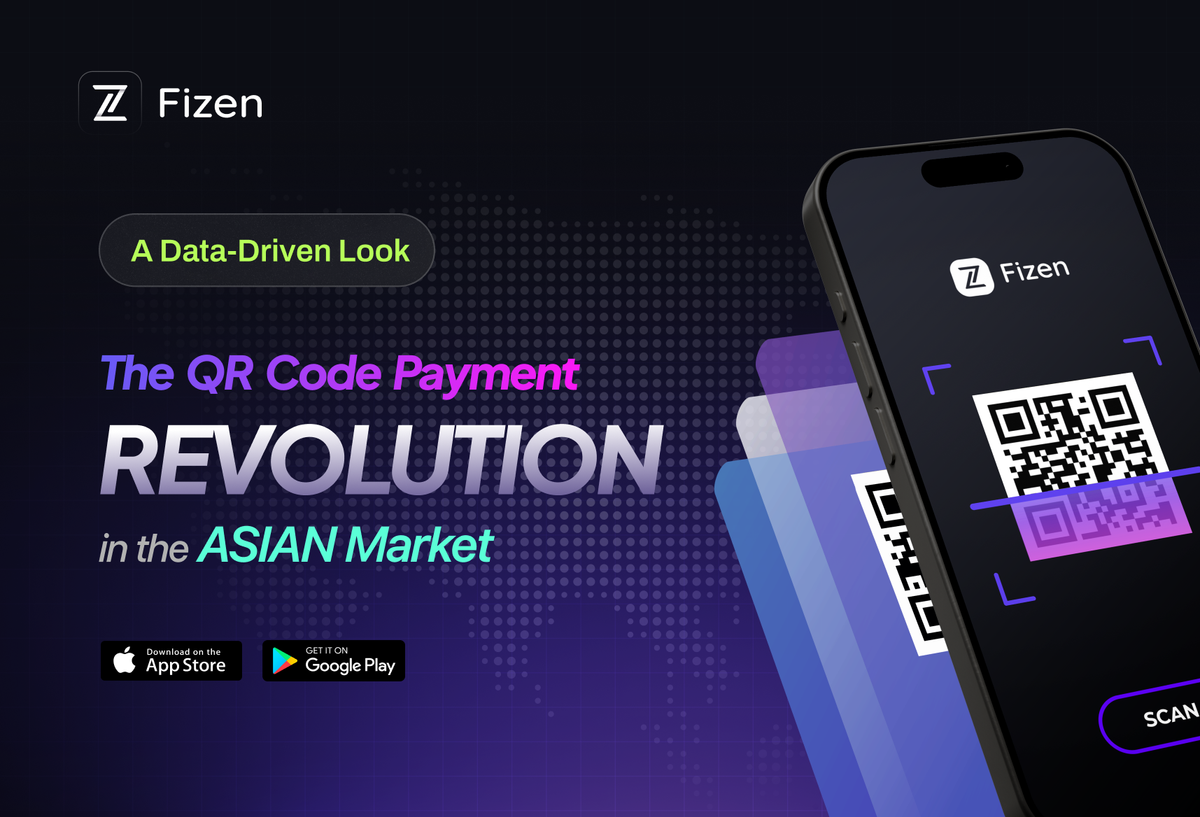
If your existing setup cannot read QR codes, a dedicated handheld or desktop scanner is the most cost-effective solution. These devices connect to your register and act as a bridge, allowing you to accept payments from apps like Alipay or specialized stablecoin wallets. Look for scanners with high-speed decoding to keep checkout lines moving.
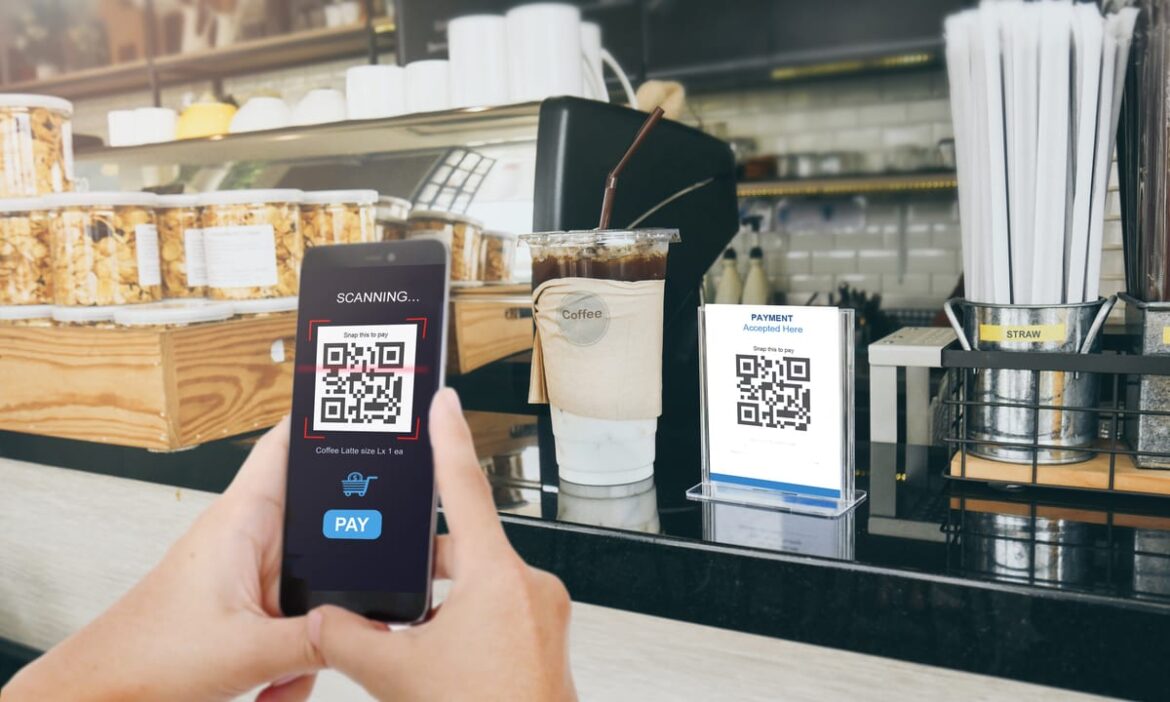
For a more professional look, consider adding a customer-facing display or tablet. This device shows the payment amount and the QR code for the customer to scan. It creates a clear visual confirmation for both parties, reducing disputes and improving the overall checkout experience compared to pointing a phone at a small piece of paper.
What to look for in merchant hardware
When evaluating specific devices, focus on connectivity and security. Your hardware must support stable internet connections to process blockchain transactions in real-time. Additionally, ensure the device is certified for financial use to protect against fraud and data breaches.
| Feature | Basic Scanner | Smart Terminal |
|---|---|---|
| QR Support | Yes | Yes |
| Internet Dependency | High | Medium |
| Setup Cost | Low | High |
Final steps before going live
Once you have selected your hardware, test the system with small transactions before opening for business. Verify that the stablecoin conversion rates are updating correctly and that your backend reporting matches your sales records. This final check ensures a smooth transition from cash to digital payments.
Spot the Weak Options in QR Pay Adoption
The shift to stablecoin QR payments looks clean on paper, but the reality for local merchants is often a patchwork of incompatible wallets and hidden fees. Many providers promise "seamless" adoption, yet they rely on legacy banking rails that delay settlement for days. This delay creates a liquidity trap: your cash is stuck in transit while your inventory sits on the shelf. Always verify the settlement cycle before signing up. If the provider doesn't explicitly state "T+0" or "T+1" settlement in their contract, assume it is slower.
Another common mistake is ignoring cross-border compatibility. A QR code that works for domestic tourists might fail for international visitors using Alipay or WeChat Pay. Some systems require merchants to register for multiple distinct merchant IDs, complicating your accounting. Look for unified gateways that aggregate these networks. Without a single view of all transactions, reconciling your daily sales becomes a manual nightmare.
Finally, beware of "free" QR generators that lock you into long-term contracts. These providers often lack the robust API support needed for automated inventory updates. Stick to established POS integrations that support OpenAPI standards. This ensures you can switch providers if rates rise, keeping your business agile and independent.
Stable qr pay 2026: what to check next
As stablecoin QR payments move from pilot programs to everyday merchant terminals, practical concerns replace abstract speculation. The technology is no longer experimental; it is operational in major financial hubs and expanding rapidly across Asia and Latin America. Understanding the mechanics helps local businesses evaluate whether the switch reduces friction or introduces new complexity.
No comments yet. Be the first to share your thoughts!