
Budget Fit: Stable QR Pay Budget
Choosing a stable QR pay setup requires balancing the cost of hardware against the convenience of transaction speed. Unlike traditional card terminals that demand expensive leasing and merchant account fees, QR-based systems often rely on lower-cost readers or even existing smartphones. This shift lowers the barrier to entry for small businesses, allowing them to accept digital payments without significant upfront capital.
However, "budget" does not mean "cheap" in terms of reliability. The most cost-effective solution is one that minimizes failed transactions and downtime. A flimsy reader that fails to scan in low light or bright sunlight can cost you more in lost sales than a premium device would have. Similarly, while some apps offer free QR generation, they may charge hidden fees for instant settlement or chargeback protection. Always factor in the total cost of ownership, including transaction rates and hardware durability, when evaluating options.
When comparing specific models, look for devices that support both static and dynamic QR codes. Dynamic codes allow you to update the payment amount on the fly, which is essential for retail environments where prices vary. Static codes are cheaper to produce but require manual entry of the amount by the customer, which can slow down checkout. For most merchants, a hybrid approach or a dynamic-capable reader offers the best balance of cost and efficiency.


As an Amazon Associate, we may earn from qualifying purchases.
The right choice depends on your volume and environment. High-traffic stores benefit from durable, dedicated scanners, while pop-up vendors might prefer a smartphone adapter. Always verify that the hardware is compatible with your chosen payment processor to avoid integration headaches later.
Best stable QR pay options for 2026
Stable QR pay bridges the gap between traditional card networks and crypto wallets. By scanning a code, customers pay with stablecoins that merchants instantly convert to local currency. This setup removes exchange rate volatility and offers lower fees than credit card processing.
We compared the leading tools to find the most reliable options for different business sizes. Each solution offers distinct advantages in security, integration, and cost.
Trust Wallet
Trust Wallet lets merchants accept stablecoins directly while keeping users fully self-custodial. The wallet handles the conversion to local currency instantly, so you never hold volatile assets. It is ideal for tech-forward businesses that want minimal infrastructure.
Stripe QR Codes
Stripe provides a familiar interface for established merchants. Its QR code solution integrates with existing POS systems, making it easy to add contactless payments without changing your workflow. It is best for businesses already using Stripe for online or in-person sales.
PayPal QR
PayPal’s QR system is widely recognized by consumers. It works seamlessly with existing PayPal accounts, reducing friction for customers who prefer not to set up new crypto wallets. This option is best for small vendors who want a low-cost, familiar checkout option.
Summary of top choices
| Product | Best For | Key Feature |
|---|---|---|
| Trust Wallet | Tech-forward merchants | Self-custodial & instant conversion |
| Stripe QR | Established POS users | Seamless POS integration |
| PayPal QR | Small vendors | Familiar consumer interface |
Inspect the expensive parts
QR payments look simple, but a single hardware failure can stop your entire checkout flow. Unlike traditional terminals that often have offline modes or fallback options, a QR setup relies on a continuous chain: your smartphone camera, the merchant’s internet connection, the QR code itself, and the payment gateway. If any link breaks, the transaction stalls. This section walks through the specific points where things usually go wrong so you can build a more resilient setup.
The most common failure point is the customer’s mobile data connection. QR payments require an active internet connection on the payer’s device to generate or validate the transaction. If you operate in areas with poor cellular coverage, consider offering a secondary payment method or ensuring your merchant gateway can handle occasional latency spikes without timing out.

Not all QR codes are created equal. A low-contrast or damaged code can confuse smartphone cameras, leading to failed scans. Print your static QR codes on matte, non-reflective materials and place them at eye level. If you use dynamic QR codes (which change periodically), ensure your printer or display system updates them correctly to prevent fraud or stale links.
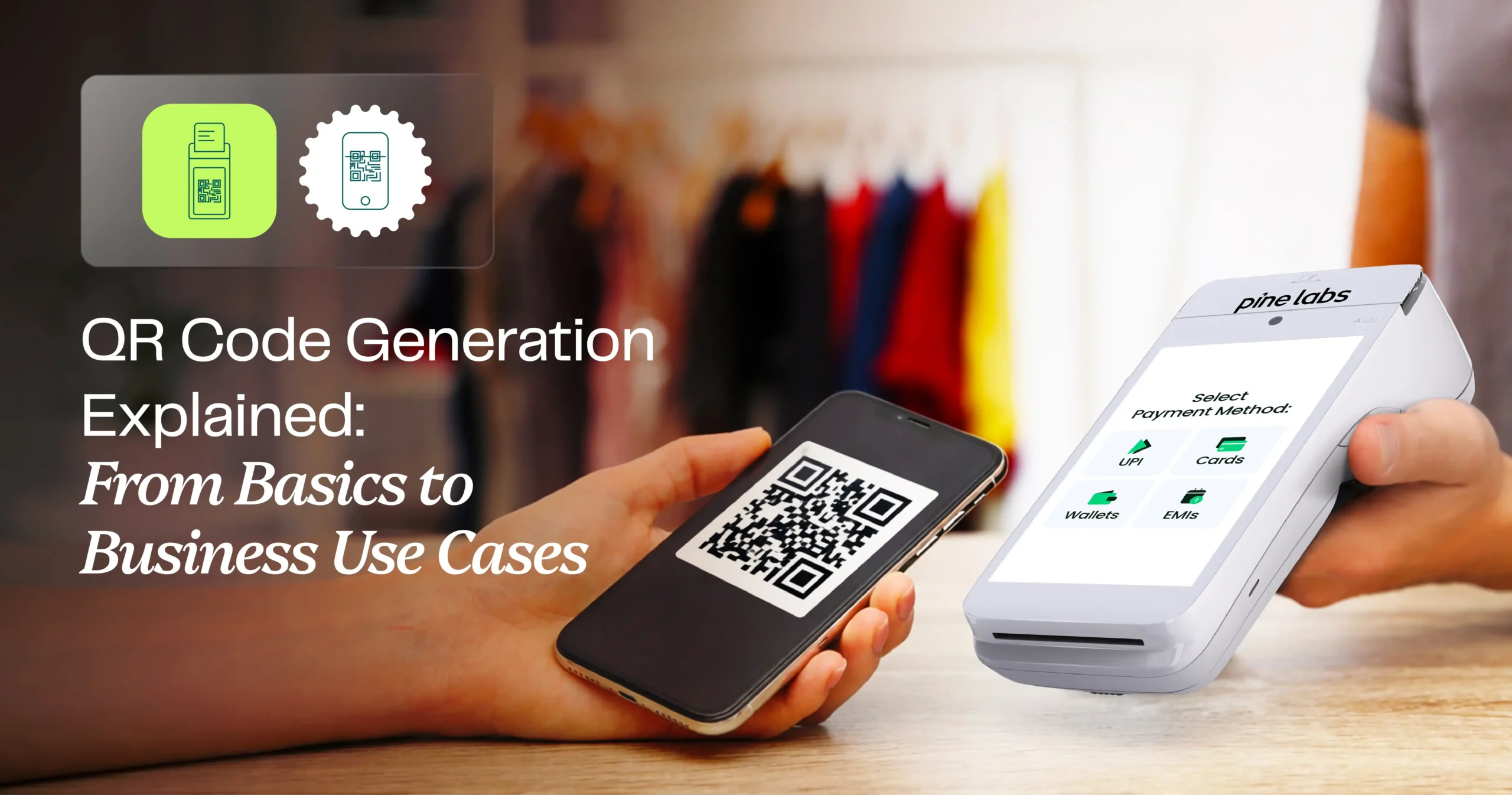
Your merchant account provider is the backbone of the transaction. If their API goes down, no amount of customer effort will complete the payment. Check their Service Level Agreements (SLAs) and past uptime records. Look for providers that offer redundant servers and real-time status dashboards so you can switch to backup methods immediately if the primary gateway fails.
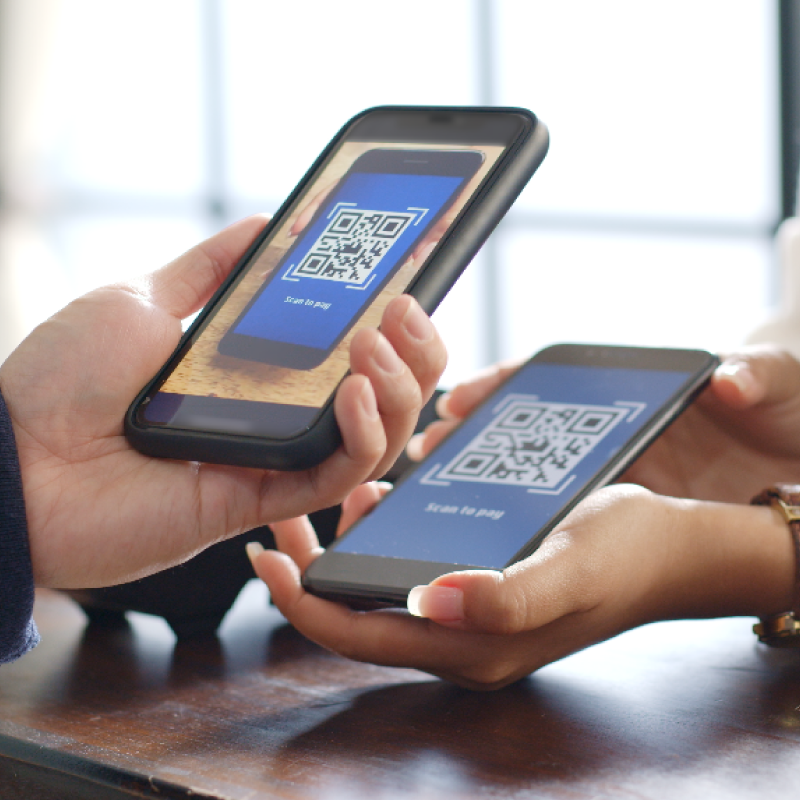
Stablecoin QR payments often involve currency conversion. Ensure your merchant gateway clearly displays the final amount in your local currency before the customer confirms. Hidden conversion fees or unfavorable exchange rates are a major source of customer friction and disputes. Review your provider’s fee structure to ensure it aligns with your profit margins and customer expectations.
Ownership Costs and Maintenance Surprises
The sticker price of a QR payment terminal is rarely the final bill. While stablecoin QR payments reduce transaction fees compared to traditional card networks, the hardware itself carries hidden costs that can erode margins if you aren't prepared. Cheap terminals often lack the ruggedness to survive daily retail environments, leading to frequent replacements or repair fees that add up over time.
The True Cost of "Cheap" Hardware
Many merchants start with low-cost Android-based scanners to test the waters. These devices are flexible but often suffer from poor battery life, slow processing speeds, and limited support for offline modes. When a terminal fails during a rush, the cost isn't just the device—it's the lost sales and customer frustration. Investing in a purpose-built QR scanner with a dedicated operating system can prevent these operational bottlenecks.
Maintenance and Support
Unlike traditional POS systems that often include service contracts, many standalone QR scanners are sold "as-is." You are responsible for software updates, battery replacements, and troubleshooting connectivity issues. Before committing to a specific model, check the manufacturer's support policy. A slightly more expensive device with a one-year warranty and accessible customer support often proves cheaper in the long run than a budget option that requires constant DIY maintenance.


As an Amazon Associate, we may earn from qualifying purchases.
Stable qr pay: what to check next
Stable QR payments bridge the gap between traditional card networks and the speed of crypto. By using stablecoins pegged to fiat currencies like the US dollar, these transactions offer the security of blockchain without the volatility of assets like Bitcoin. Merchants receive local currency instantly, while customers stay self-custodial, creating a frictionless checkout experience for both parties.
How does QR pay work?
QR payments digitize transaction information into a scannable code. Unlike traditional point-of-sale terminals that require physical card readers, QR codes enable contactless payments via mobile scan. The system uses the EMV QR standard, which can support payments directly linked to a card’s PAN or initiated through digital wallets. This flexibility allows small vendors to accept payments with minimal infrastructure, often using just a smartphone and a printed code.
Is QR payment safe?
Security relies on the underlying protocol and the user’s device. EMV QR standards provide a secure framework for encoding transaction data, while stablecoin implementations add blockchain transparency. However, safety also depends on avoiding phishing codes. Always verify the merchant’s QR code is displayed officially at the register and not pasted over by an attacker. Reputable wallets use encryption to protect your private keys, ensuring only you can authorize the transfer.
What is the disadvantage of QR code payment?
The primary drawback is infrastructure dependency. Unlike cash, QR payments require a smartphone with battery life and a stable internet connection. For merchants, switching costs can be high if they are already integrated with legacy POS systems. Additionally, while stablecoins reduce volatility, they still rely on the stability of the pegged asset. If a stablecoin de-pegs during a market crisis, the transaction value could fluctuate, introducing a unique risk compared to traditional fiat settlements.
How do I make a QR payment?
Making a payment is straightforward. Open your crypto wallet or banking app that supports QR payments. Tap the "Scan" feature and point your camera at the merchant’s QR code. The app will auto-fill the transaction details, including the amount and recipient. Review the information, confirm the payment, and wait for the blockchain confirmation. The merchant’s terminal will update instantly, completing the sale without the need for a physical card swipe.
No comments yet. Be the first to share your thoughts!