Stablecoin QR payment limits to account for
Stablecoin QR payments promise instant settlement, but they face specific friction points that traditional fiat systems do not. The core issue is not the speed of the blockchain, but the reliability of the off-ramp and the user experience of managing digital assets at the point of sale.
1. The Conversion Friction
For a merchant, accepting crypto means dealing with volatility or integration complexity. While stablecoins mitigate price swings, they still require a bridge to local currency. If the payment app does not automatically convert the stablecoin to fiat upon scan, the merchant bears the risk of exchange rate fluctuations between the scan and the settlement. This adds a layer of operational overhead that cash or card networks handle invisibly.
2. Security and Phishing Risks
QR codes themselves are static data; they do not include security measures. The app or platform processing the transaction handles security. This creates a vulnerability to "skimming" or substitution attacks, where a malicious actor replaces a legitimate QR code with their own. Unlike NFC, which requires proximity and encryption handshakes, a QR code can be copied or altered with minimal effort. Users must verify the recipient name and amount carefully before confirming, a habit that is often neglected in fast-paced retail environments.
3. Infrastructure and Compatibility
While QR technology is widely adopted, the underlying stablecoin infrastructure is not. Many point-of-sale systems are not yet configured to detect and process blockchain-based transactions. This requires merchants to install separate apps or hardware, fragmenting the checkout experience. Until major payment processors integrate stablecoin support natively into existing POS software, the "scan-to-pay" experience remains disjointed compared to the seamless tap-and-go of card networks.
Evaluating QR payment choices that change the plan
Stablecoin QR payments offer speed and lower fees, but they introduce new risks that traditional card networks absorb. To decide if this infrastructure fits your business, you must weigh technical reliability against user familiarity and regulatory clarity.
Transaction Speed and Settlement
Stablecoin QR payments settle on-chain, often within seconds, bypassing the multi-day settlement cycles of traditional banking rails. This immediacy improves cash flow for merchants and reduces the friction of waiting for funds to clear. However, this speed depends entirely on network congestion. During peak times, transaction finality can lag, creating uncertainty for both the buyer and seller regarding when the funds are truly safe.
User Experience and Accessibility
The primary barrier to adoption is user interface complexity. Traditional QR payments use static codes that are easy to scan with any camera app. Stablecoin implementations require users to hold specific wallets, understand gas fees, and select the correct blockchain network. If a user scans a code but sends USDC on the wrong chain, the transaction fails. This friction can lead to abandoned carts or confused customers who are not yet comfortable with self-custodial wallets.
Security and Chargeback Risks
QR codes themselves do not include security measures; the app or platform that processes the transaction handles security. This means merchants are vulnerable to phishing attacks where attackers swap legitimate QR codes for their own. Additionally, stablecoin transactions are irreversible. Unlike credit cards, there is no chargeback mechanism if a merchant fails to deliver goods or if a customer is scammed. This lack of consumer protection can deter hesitant users from adopting the technology.
Regulatory and Compliance Clarity
The regulatory landscape for stablecoins is still evolving, creating compliance headaches for merchants. While traditional payments operate under well-established frameworks like PCI-DSS, stablecoin QR payments may fall into gray areas depending on the jurisdiction. Merchants must ensure their payment processors are compliant with local anti-money laundering (AML) laws. Using established providers can mitigate this risk, but it adds a layer of complexity to integration.
| Factor | Stablecoin QR | Traditional QR/Card |
|---|---|---|
| Settlement Time | Seconds to minutes | 1-3 business days |
| User Complexity | High (wallet setup, gas fees) | Low (camera or tap) |
| Dispute Resolution | Irreversible (no chargebacks) | Chargeback available |
| Network Fees | Variable (network dependent) | Fixed % + flat fee |
How to evaluate a stablecoin QR payment system
Stablecoin integration moves QR payments beyond simple convenience into the realm of programmable commerce. However, not all implementations are equal. The difference between a seamless merchant experience and a compliance headache often comes down to infrastructure choices. This framework helps you assess whether a specific stablecoin QR solution fits your operational needs.

Before integrating, confirm the payment processor holds the necessary money transmitter licenses or e-money licenses in your jurisdiction. Stablecoin transactions often trigger anti-money laundering (AML) and know-your-customer (KYC) requirements. A compliant provider handles the regulatory burden, ensuring your business doesn't face sudden account freezes or legal penalties. Look for explicit statements of compliance on their documentation pages.
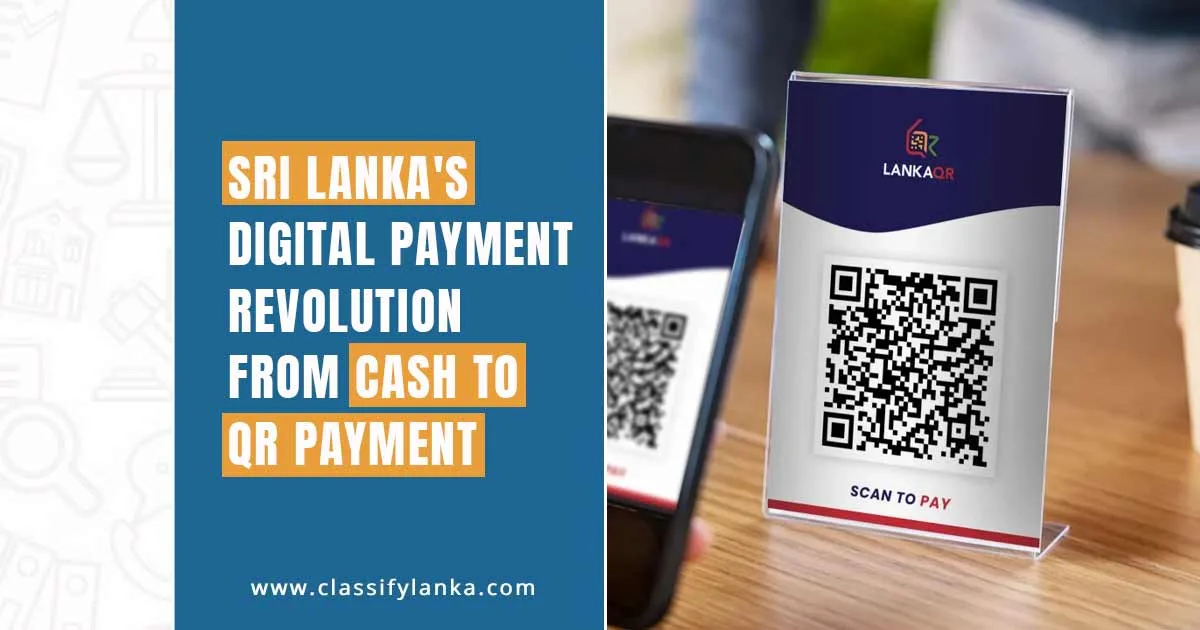
Traditional bank settlements can take one to three business days, introducing cash flow friction. Stablecoin QR payments typically settle on-chain in seconds or minutes. Evaluate whether the provider offers instant fiat off-ramping or if you must hold the crypto asset. For high-volume merchants, immediate settlement reduces the need for working capital reserves. Check the provider's documentation for average transaction finality times during peak network congestion.
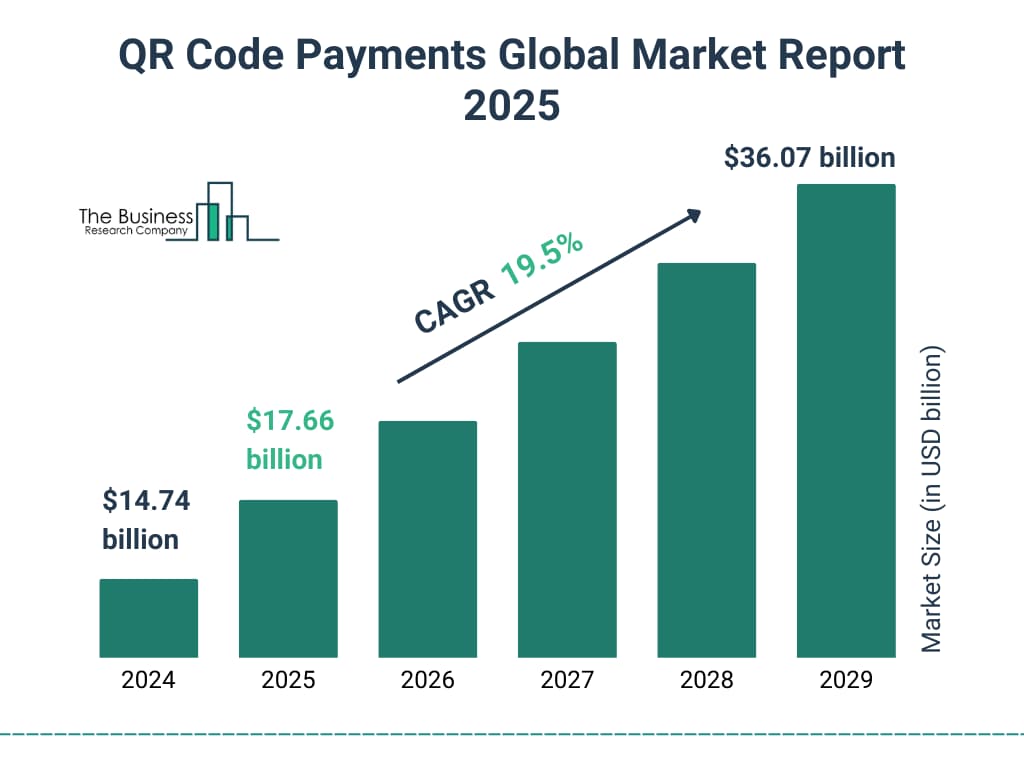
While transaction fees for stablecoins are often lower than credit card processing, hidden costs can erode margins. Look for integration fees, monthly platform costs, and withdrawal fees to your bank account. Compare the all-in cost against your current payment processor. Also consider the volatility risk if the stablecoin de-pegs, though this is rare for regulated issuers. A transparent fee schedule is non-negotiable for accurate financial planning.
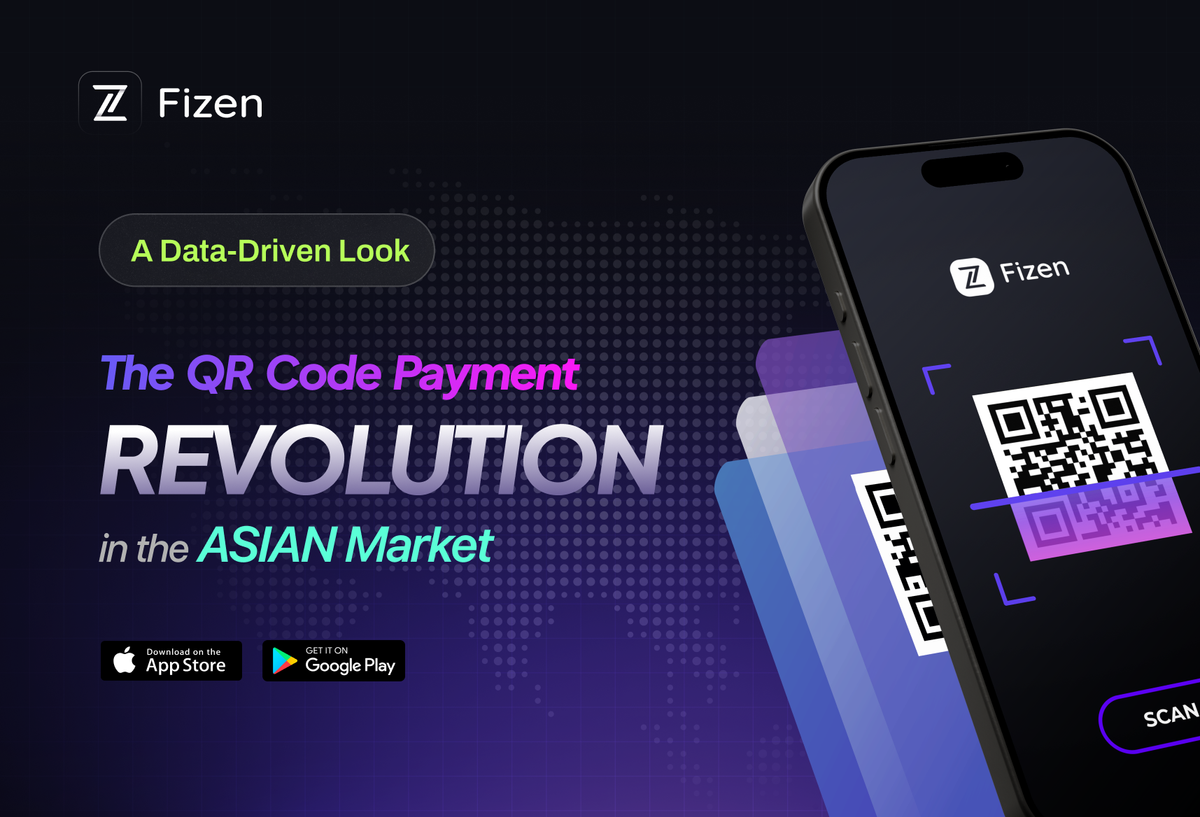
The technology is only as good as the user experience. Scan the QR code with your own wallet app to test speed, clarity, and error handling. Does the app confirm the amount before sending? Is the merchant name clearly displayed? For customers, simplicity is key; if they need to bridge assets or pay gas fees separately, adoption will stall. The best systems abstract away the blockchain complexity entirely.
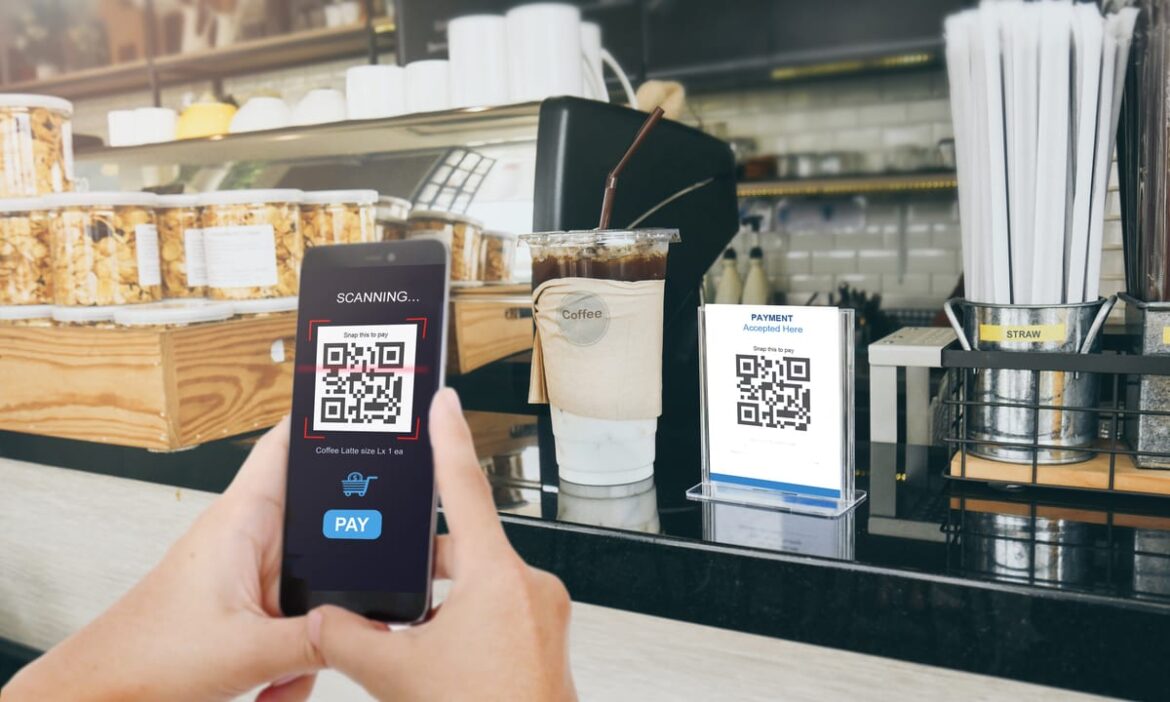
QR codes themselves are static data; they do not include encryption. Security depends entirely on the app processing the transaction. Ensure the provider uses secure, audited smart contracts for any on-chain logic. Verify that the system supports chargeback mechanisms if you sell physical goods, as blockchain transactions are generally irreversible. Without a robust dispute resolution process, you bear the full risk of fraud.
Spotting the weak options in stablecoin QR payments
Not every QR payment provider can handle stablecoins efficiently. Some platforms claim instant settlement but actually route transactions through multiple intermediaries, adding delay and cost. Others rely on older blockchain networks that struggle with high transaction volumes during peak hours. Understanding these limitations helps you avoid hidden friction in your checkout flow.
Common mistakes and how to fix them
Mistake: Ignoring network fees Many providers advertise zero fees but pass costs to merchants via unfavorable exchange rates or hidden withdrawal charges. Always check the total cost of a $10 transaction, not just the headline fee.
Mistake: Overlooking security risks QR codes themselves don't include security measures. The app or platform that processes the transaction handles security. If the provider doesn't support dynamic QR codes (which change with each transaction), they are vulnerable to static QR code swapping attacks. Always use providers that generate unique codes per purchase.
Mistake: Assuming universal acceptance Stablecoin QR payments are not yet universally accepted. Many merchants still use traditional QR systems that only support fiat. Ensure your target audience has the necessary wallets and that your payment gateway supports the specific stablecoins (USDC, USDT) your customers hold.
Proof checks before integration
-
Test with small amounts first Send $1 and $10 transactions to verify speed and finality. Check if the recipient sees the funds immediately or after a delay.
-
Verify regulatory compliance Ensure the provider is registered with relevant financial authorities in your operating regions. Non-compliant providers risk freezing funds during audits.
-
Check support responsiveness Test their customer support with a pre-sales question. Slow responses during a live transaction error can cost you sales.
The disadvantage of QR code payment
Security risks: QR codes themselves don't include security measures. The app or platform that processes the transaction handles security. This means you must trust the provider's infrastructure completely. Always choose providers with transparent security practices and regular audits.
Stablecoin QR payments: what to check next
Stablecoin integration is changing how we think about QR payments, but practical concerns remain. Here are the most common questions about security, costs, and adoption.
No comments yet. Be the first to share your thoughts!