What stable QR pay actually means
Stable QR pay merges the physical familiarity of scanning a QR code with the digital stability of fiat-pegged tokens. Instead of moving money through traditional banking rails, this system uses stablecoins—cryptocurrency tokens pegged 1:1 to currencies like the US dollar—to settle transactions instantly. For merchants and consumers, this means the speed and ubiquity of a QR scan without the volatility of Bitcoin or the delays of international wire transfers.
The primary advantage is the elimination of currency friction in cross-border scenarios. Consider a traveler in Vietnam or Thailand paying for a meal. Traditional credit card payments often trigger dynamic currency conversion fees, foreign transaction charges, and delayed settlement times. With stable QR pay, the merchant receives a QR code that accepts a stablecoin like USDC. The payment settles in seconds, and the merchant gets the exact value of the dollar, protected from exchange rate fluctuations during the transaction window.
This infrastructure bypasses the SWIFT network and correspondent banks that typically add layers of cost and time to international commerce. By leveraging blockchain technology for settlement while maintaining the user interface of a simple scan, stable QR pay offers a streamlined alternative for low-fee, high-speed cross-border commerce.
Why cross-border fees are collapsing
The economics of moving money across borders are undergoing a structural shift. Traditional cross-border payments rely on a fragmented chain of correspondent banks, clearinghouses, and local acquirers. Each node in this chain takes a cut, applies a foreign exchange spread, or charges a flat processing fee. For a traveler paying a small bill in Vietnam or Thailand, these fixed costs and spreads can consume 3% to 7% of the transaction value, making low-value cross-border commerce economically inefficient.
Stable QR pay changes this calculus by operating on blockchain rails. Instead of routing funds through multiple intermediary banks, the transaction settles directly between the payer and payee using stablecoins pegged to fiat currencies. This eliminates the need for pre-funded nostro/vostro accounts and reduces the marginal cost of each additional transaction to near zero. The friction that once made cross-border micro-transactions prohibitive is removed, allowing merchants to accept international payments without the overhead that typically accompanies them.
The market is responding to this efficiency gain. QR code payments are projected to hit $3 trillion in annual spending globally by 2026, driven largely by the adoption of these low-cost rails in emerging markets where traditional banking infrastructure is less dense [src-serp-7]. This growth is not just about convenience; it is about the fundamental reduction in the cost of trust and transfer. As Juniper Research notes, the value of QR payments is expected to grow by 50% globally from 2025 to 2029, signaling a broad move toward more efficient payment standards [src-serp-3].
How the payment flow works
Stable QR payments strip away the traditional banking rails that usually slow down and tax cross-border transactions. Instead of routing money through multiple correspondent banks, the system relies on a direct digital handshake between a customer’s wallet and a merchant’s settlement account. This shift turns a multi-day, high-friction process into a matter of seconds, regardless of where the buyer and seller are located.
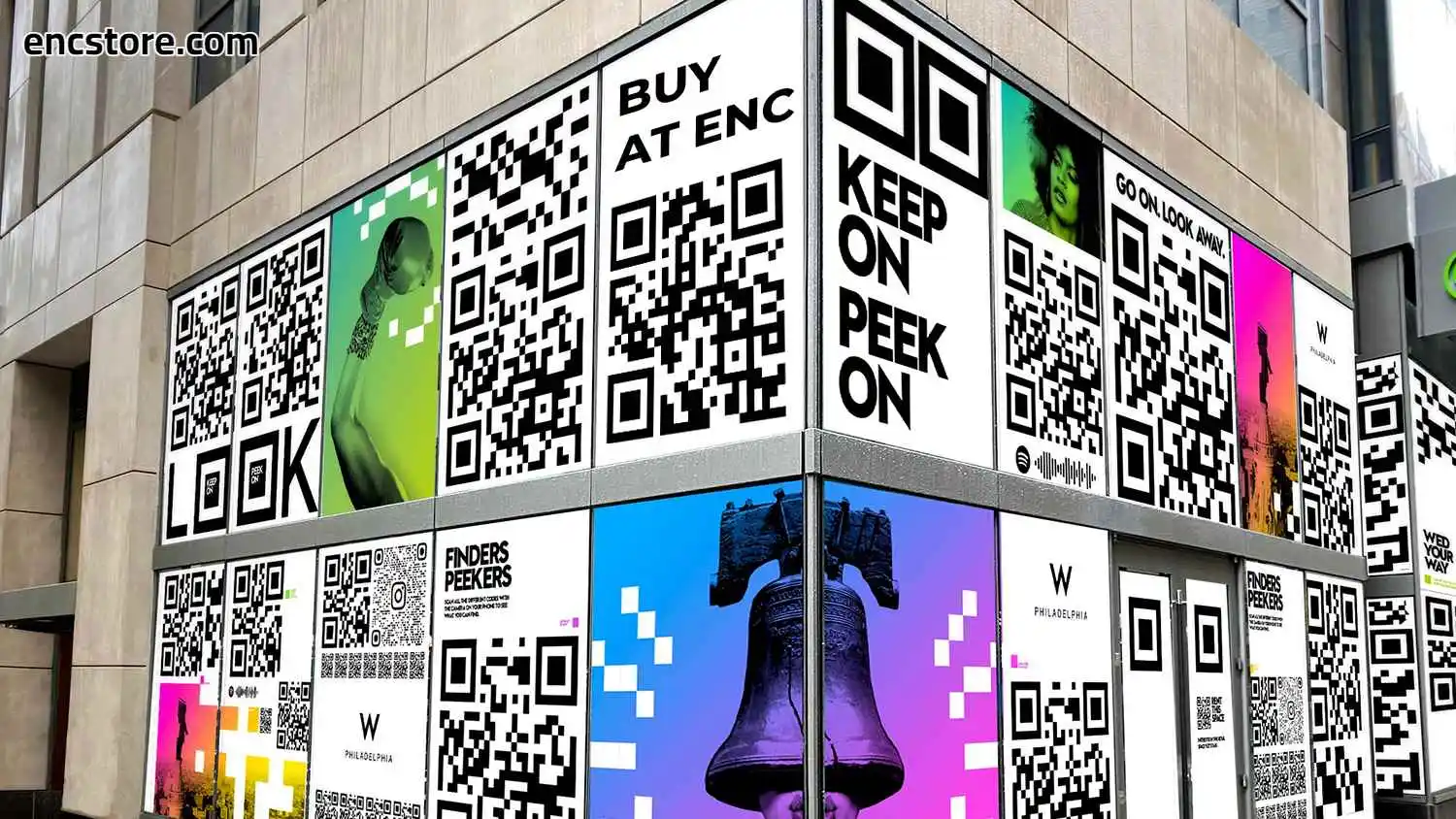
The process begins when a merchant generates a dynamic QR code. Unlike static codes that only hold a wallet address, these dynamic codes embed specific transaction details such as the exact amount and currency. For a traveler in Vietnam or Thailand, this might appear on a digital invoice or a printed receipt at a market stall, clearly stating the cost in the local currency while the underlying value is pegged to a stable asset.
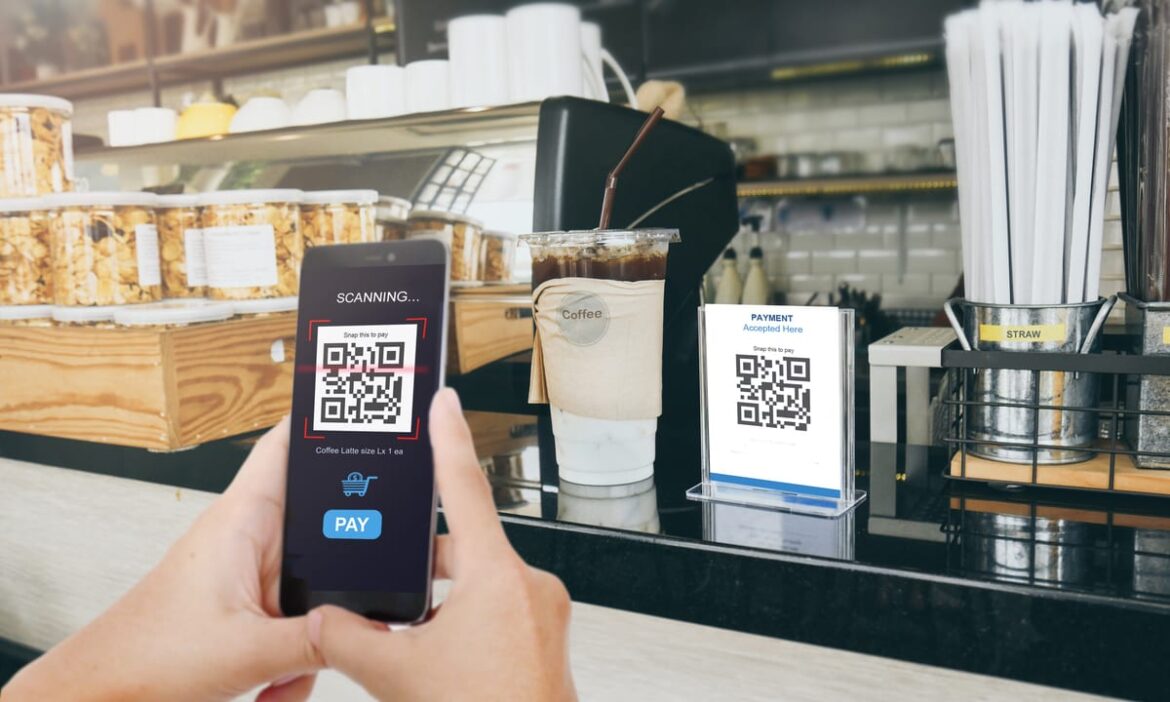
The buyer opens their digital wallet to scan the code. The wallet reads the transaction data and displays the amount in the customer’s preferred currency, often using real-time exchange rates. Because stablecoins are pegged to fiat currencies like the US dollar, the value remains predictable. The customer reviews the details and approves the transfer, much like confirming a standard bank transfer.
Once approved, the stablecoin moves across a blockchain network. This is the critical step where traditional friction disappears. There are no intermediary banks to hold funds for days or charge hidden correspondent fees. The transaction is broadcast to the network and verified by validators, ensuring the funds are locked and moving toward the merchant without the delays typical of international wire transfers.
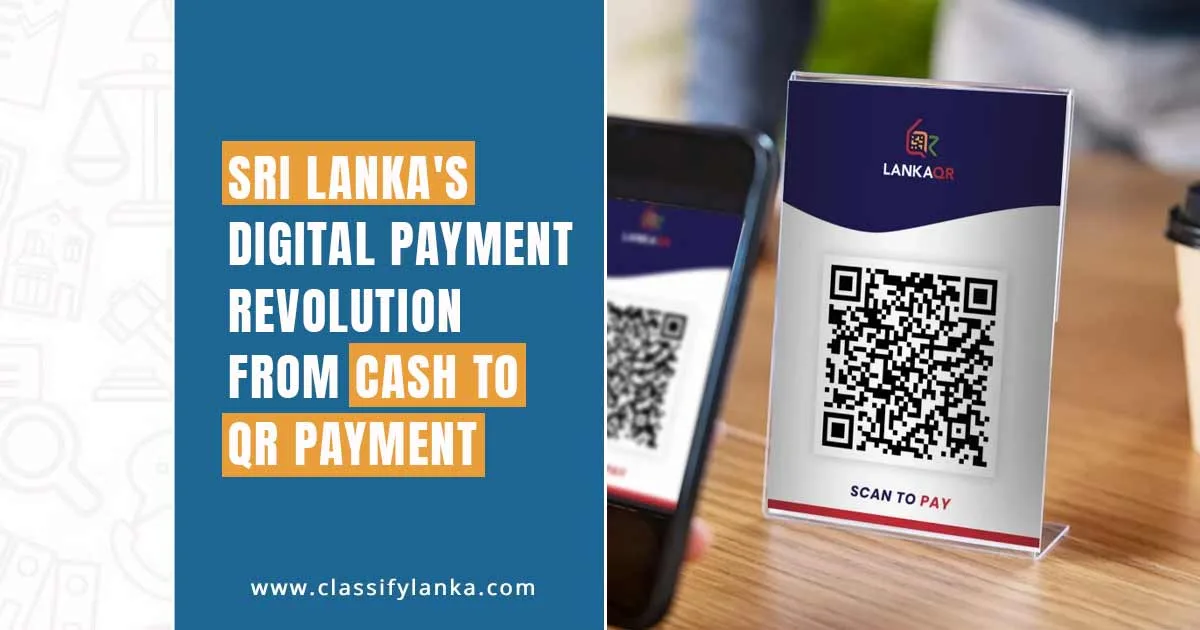
The final step is settlement. Depending on the merchant’s setup, the stablecoin is either received directly into their digital treasury or instantly converted into local fiat currency by a payment processor. This conversion happens in seconds, not days. The merchant receives the full value of the sale with minimal fees, while the customer avoids the foreign transaction charges that usually accompany cross-border spending.
This streamlined flow explains why stable QR payments are becoming the new standard for low-fee commerce. By removing the need for complex banking infrastructure, businesses can accept payments from anywhere in the world with the same ease as a local transaction.
Security and transaction limits
Stablecoin payments remove the friction of traditional banking intermediaries, but they also shift the responsibility for security directly to the user. Unlike credit card transactions, which offer chargeback protections and fraud reversal mechanisms, stablecoin transfers are irreversible. Once a payment is confirmed on the blockchain, it cannot be undone. This permanence is the primary reason why fee structures are so low; banks do not need to maintain complex dispute resolution teams or issue temporary credits while investigations are pending.
The trade-off for these lower fees is a higher burden of vigilance. When paying a merchant in Vietnam or Thailand, you must verify the wallet address and QR code before confirming. A single typo or a maliciously swapped address can result in the permanent loss of funds. To mitigate this risk, many modern payment interfaces now integrate real-time address verification, ensuring that the destination matches the intended merchant. However, users should never rely solely on automation; manual verification remains the best defense against phishing and social engineering attacks.
Transaction limits also differ significantly from traditional banking models. While a credit card might offer a daily spending cap based on creditworthiness, stablecoin transactions are often governed by wallet provider restrictions or local regulatory frameworks. For instance, some jurisdictions impose daily caps on on-ramp and off-ramp transactions to comply with anti-money laundering (AML) laws. These limits are typically lower than those for high-limit corporate cards but are designed to reduce risk exposure for smaller, peer-to-peer transactions.
Understanding these constraints is essential for smooth cross-border commerce. The speed and cost advantages of stablecoins are most evident in micro-transactions and remittances, where traditional banking fees would otherwise consume a significant portion of the value. For larger commercial payments, businesses often use dedicated treasury wallets with higher limits and multi-signature security protocols to balance efficiency with safety.
FAQ: Stable QR pay in 2026
KeyTakeaways items=["QR codes remain a dominant global payment rail, not a legacy technology.","The main trade-off is speed: QR is slower than NFC tap-to-pay.","Transaction limits vary by jurisdiction and wallet provider, not the QR format."]
No comments yet. Be the first to share your thoughts!