Stable qr pay 2026 limits to account for
Use this section to make the The QR Pay Revolution decision easier to compare in real life, not just on paper. Start with the reader's actual constraint, then separate must-have requirements from details that are merely nice to have. A practical choice should survive normal use, maintenance, timing, and budget. If a recommendation only works in an ideal situation, call that out plainly and give the reader a fallback path.
The simplest way to use this section is to write down the must-have criteria first, then compare each option against those criteria before weighing nice-to-have features.
Stable qr pay 2026 choices that change the plan
Integrating stablecoins with QR code infrastructure offers speed and lower costs for cross-border transactions, but it introduces distinct operational and technical risks. Before committing to a provider, evaluate these four concrete factors. The market is shifting rapidly, as evidenced by recent provider changes like Trust Wallet’s temporary suspension of QR payments in early 2026, which highlights the fragility of relying on single-point integrations.
Settlement Speed vs. Network Congestion
Stablecoins settle in minutes, unlike Swift’s 5-7 day cycle, making them ideal for urgent cross-border payments. However, this speed is contingent on the underlying blockchain. During periods of high network congestion, transaction times can drag, and fees spike. For merchants, this volatility in settlement time can complicate cash flow management. Always verify the specific blockchain’s performance metrics during peak hours before integrating.
Hardware Dependency and User Access
QR payments require a smartphone, a compatible app, and a stable internet connection. This creates a hard barrier for users with older devices, dead batteries, or poor reception. Unlike NFC, which works with simple tap cards, QR codes are less resilient in low-tech environments. For businesses in regions with inconsistent digital infrastructure, this dependency can lead to lost sales and frustrated customers.
Regulatory Compliance and Chargeback Limits
Stablecoin transactions are often irreversible, which removes the safety net of traditional chargebacks. While this reduces fraud risk for merchants, it increases liability for consumers who make errors or fall victim to scams. Regulatory frameworks in major markets are still evolving. Providers must navigate varying compliance requirements across jurisdictions, which can lead to sudden service restrictions or account freezes if regulations shift unexpectedly.
Provider Reliability and Interoperability
The QR payment ecosystem is fragmented. A provider that works seamlessly in one region may not interoperate with wallets in another. Recent disruptions, such as the Vietnam State Bank’s rapid adoption of QR rails contrasted with provider discontinuations elsewhere, show that stability is not guaranteed. Choose providers with multi-chain support and a track record of sustained operation, rather than those dependent on a single payment gateway.
| Factor | Stablecoin QR Pay | Traditional SWIFT | NFC Mobile Pay |
|---|---|---|---|
| Settlement Time | Minutes | 5-7 Days | Instant |
| Cross-Border Cost | Low ($0.01-$0.10) | High ($15-$30) | Low (Domestic) |
| Hardware Requirement | Smartphone + Internet | Bank Account | NFC-Enabled Device |
| Reversibility | Rare/Irreversible | High (Chargebacks) | High (Chargebacks) |
| Network Dependency | Blockchain + Internet | Bank Network | Local Terminal |
How to evaluate stablecoin QR payment solutions
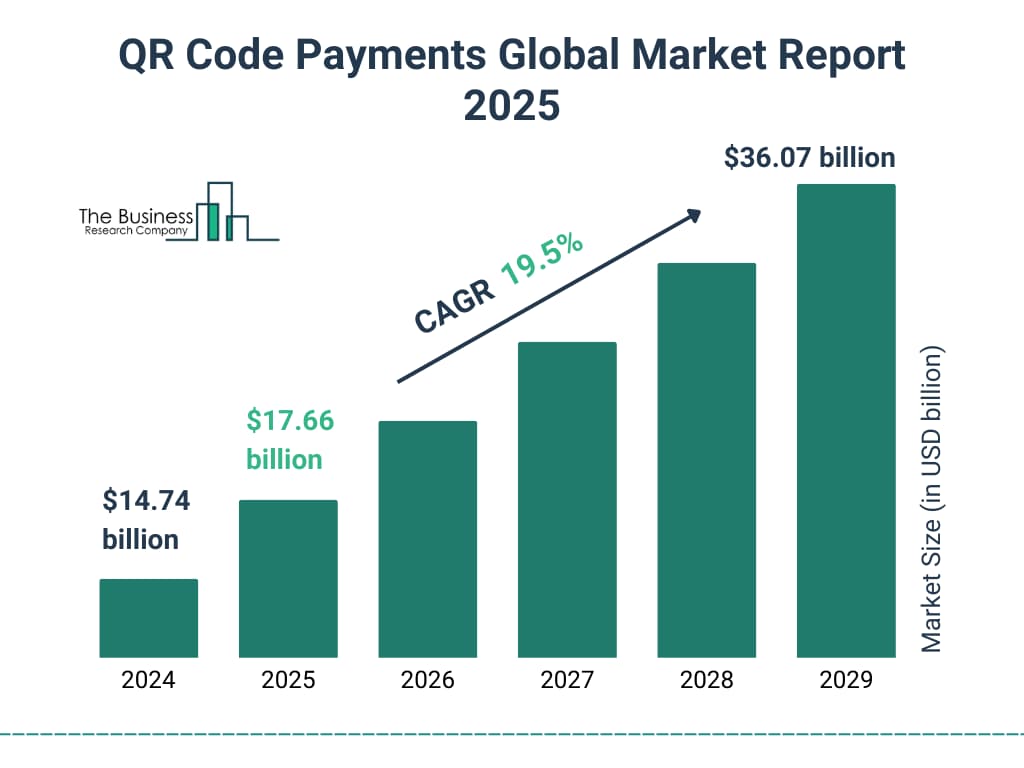
QR code payments are shifting from experimental marketing tools to a global rail for cross-border settlements. With Vietnam reporting a 61.63% volume increase in QR transactions in the first nine months of 2025, the infrastructure is maturing. However, the landscape is volatile; major platforms like Trust Wallet have already paused QR payment features due to provider changes. Choosing a solution requires looking beyond the QR standard itself to the stability and longevity of the underlying rails.
Stablecoin payments fail if users cannot easily enter or exit the ecosystem. Prioritize providers that maintain direct partnerships with licensed payment processors and local banks. This ensures that a QR scan in Manila can settle instantly in USD or PHP without requiring manual currency exchanges or third-party brokers. Check if the provider holds necessary money transmitter licenses in your target markets.
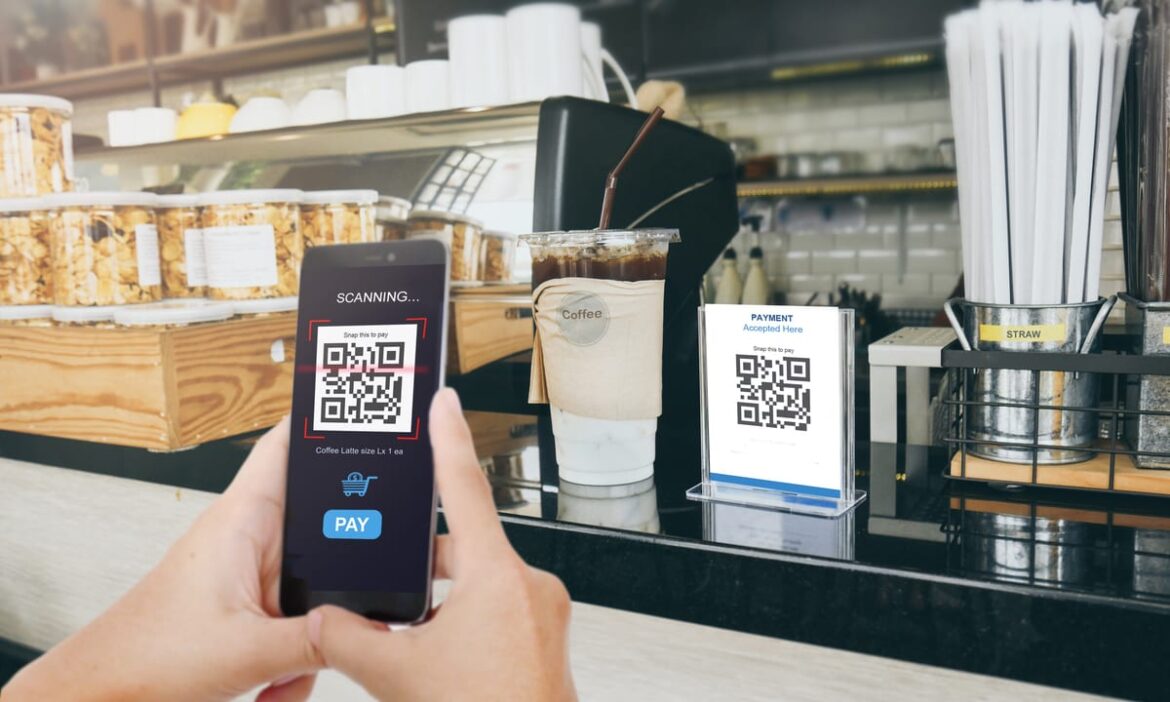
QR payments rely on real-time blockchain confirmation. A provider using a high-throughput, low-fee network (like Solana or Polygon) is essential for micro-transactions. Avoid platforms that have recently suspended services due to "payment provider changes." Look for Service Level Agreements (SLAs) that guarantee uptime for merchant-facing QR generation and consumer scanning.
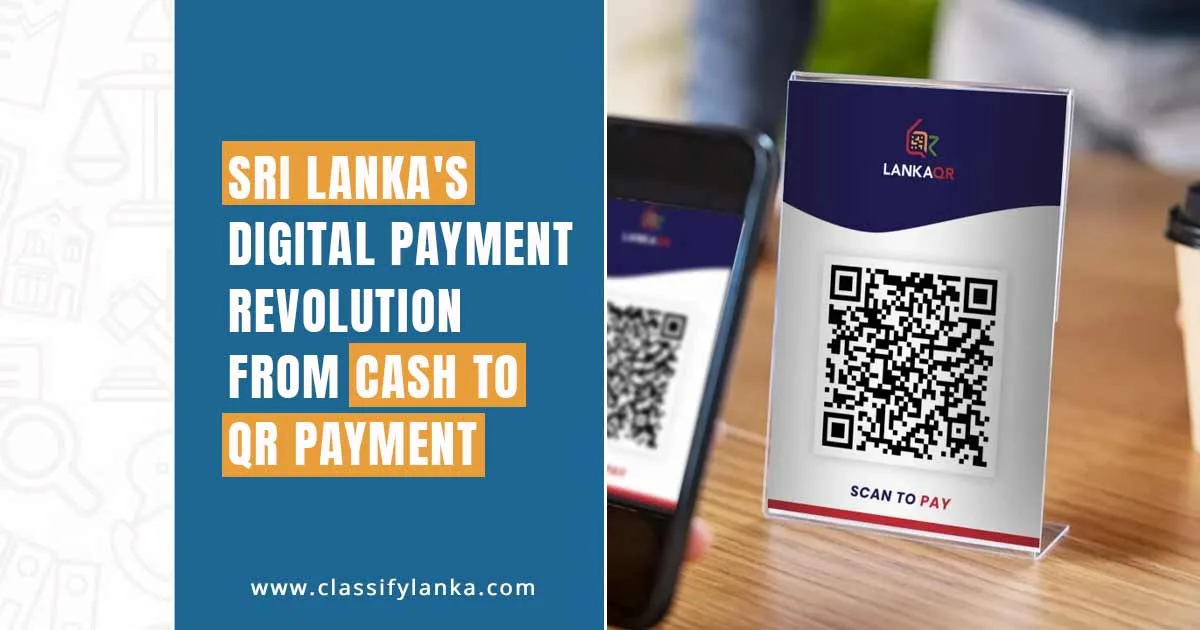
Unlike NFC, QR codes require a working smartphone, a compatible app, and an internet connection. Evaluate your target demographic: if you are serving regions with spotty connectivity or lower smartphone penetration, QR-only solutions may exclude significant portions of your customer base. Consider hybrid models that support both QR and NFC where hardware permits.
Run live transactions between different currencies to measure actual settlement times. While the QR scan is instant, the backend conversion from stablecoin to local fiat can take minutes or hours depending on the processor. Compare fee structures; some providers charge per transaction, while others take a percentage of the volume. For high-volume merchants, flat fees are often more sustainable.
Spotting Flawed QR Pay Integrations
As stablecoin adoption accelerates, several high-profile initiatives have stalled due to avoidable technical or operational errors. Identifying these weak options early helps you avoid costly integration mistakes.
Ignoring Offline Resilience
QR codes require a live internet connection to validate transactions. If a user’s battery dies or they enter a zone with poor reception, the payment fails. This is a significant disadvantage compared to NFC, which can sometimes process offline transactions. Always design fallback mechanisms for low-connectivity environments.
Overlooking Provider Dependencies
Relying on a single payment provider creates fragility. For example, Trust Wallet announced the temporary discontinuation of its QR payment feature in March 2026 due to provider changes. Such sudden shutdowns highlight the risk of tying your infrastructure to third-party APIs without contingency plans.
Assuming Universal Compatibility
Not all merchants or customers have the necessary hardware. A working smartphone and a compatible banking app are mandatory. In markets like Vietnam, where QR adoption surged by 61% in 2025, infrastructure gaps still leave many rural users behind. Ensure your solution supports legacy devices or alternative payment rails to avoid excluding customers.
Stable qr pay 2026: what to check next
Stablecoin integration is reshaping how QR codes function as a payment rail, but practical hurdles remain for merchants and consumers. Here are the answers to the most common questions about the current state of the technology.
The shift toward stablecoin-backed QR payments offers speed, but it demands reliable digital infrastructure. Merchants must weigh the efficiency gains against the need for consistent connectivity and compatible hardware.
No comments yet. Be the first to share your thoughts!