Scan stablecoins at the point of sale
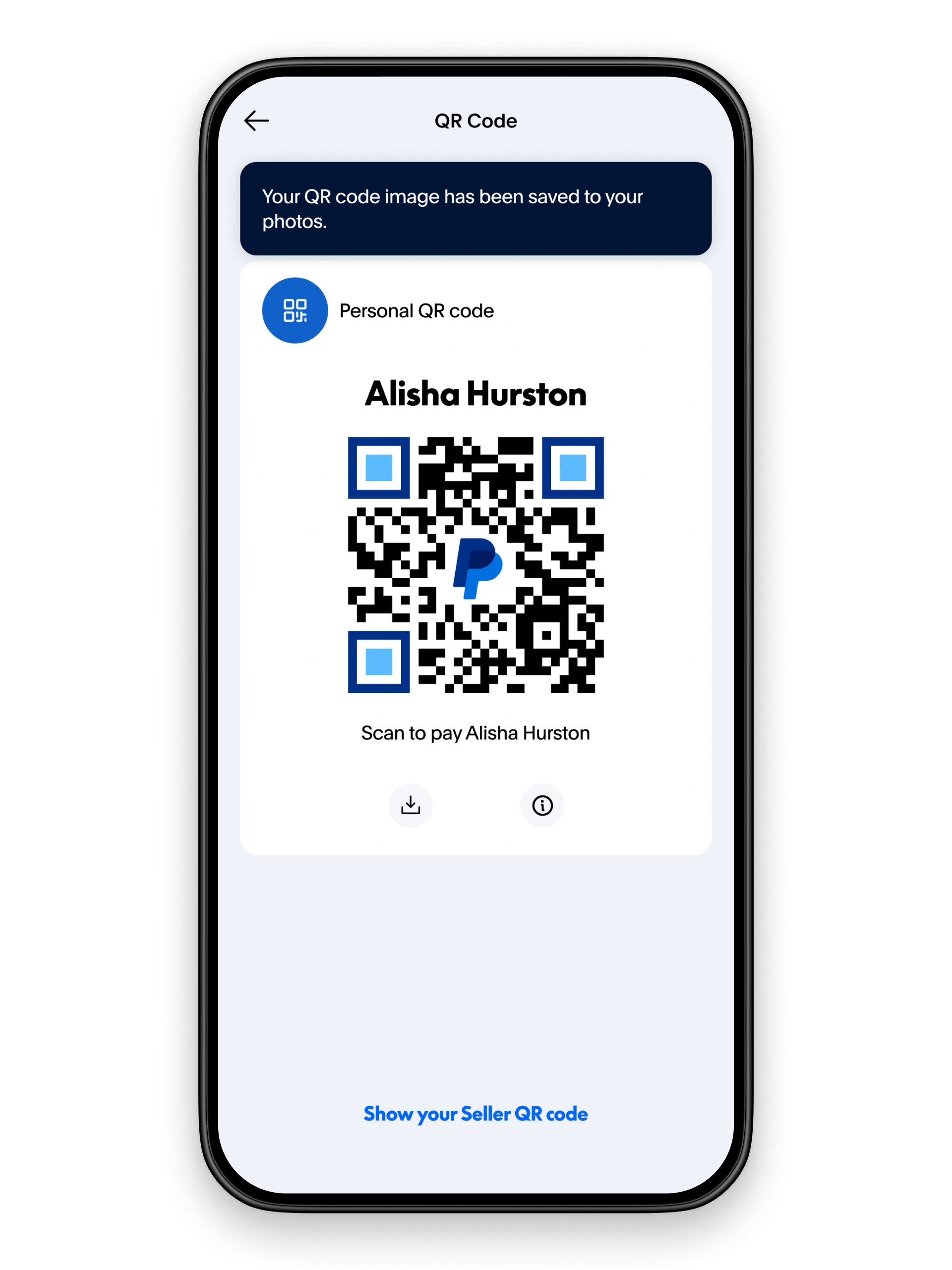
Stable QR pay turns a smartphone camera into a direct payment rail. The merchant displays a QR code on a screen or printed receipt. The customer opens their wallet app, scans the code, and confirms the payment in stablecoins. The transaction settles on-chain in minutes, bypassing the 5–7 day delays common with traditional cross-border rails.
This workflow replaces complex bank routing with a simple visual handshake. Because the payment occurs in stablecoins, the merchant receives the exact value agreed upon, without the currency conversion friction of legacy systems. The speed and low fees make it a practical alternative for small-ticket international transactions.
Note: Some major QR payment providers have temporarily discontinued services in early 2026. Verify your provider's current status before integration.
Configure your wallet for QR acceptance
Stable QR Pay for Cross-Border Transactions works best as a sequence, not a scramble through settings. Do the minimum first: confirm compatibility, connect the core hardware, update only when needed, and test the result before adding optional features. That order keeps the task understandable and makes failures easier to isolate. After each step, pause long enough for the interface to finish syncing. Many setup problems are timing problems disguised as configuration problems. If the same step fails twice, record the exact error, restart the smallest affected piece, and retry before moving deeper.



Integrate QR codes into your POS system
Stable QR Pay for Cross-Border Transactions works best as a sequence, not a scramble through settings. Do the minimum first: confirm compatibility, connect the core hardware, update only when needed, and test the result before adding optional features. That order keeps the task understandable and makes failures easier to isolate. After each step, pause long enough for the interface to finish syncing. Many setup problems are timing problems disguised as configuration problems. If the same step fails twice, record the exact error, restart the smallest affected piece, and retry before moving deeper.



Handle cross-border settlement and compliance
Start Stable QR Pay for Cross-Border Transactions with the constraint that matters most in real life: space, timing, budget, skill level, maintenance, or availability. That first constraint should shape the rest of the plan instead of appearing as an afterthought. Keep the first pass simple enough to verify. Compare the main options against the same criteria, remove choices that only work in ideal conditions, and save optional upgrades for later.
The simplest way to use this section is to keep the setup small, verify each change, and record the stable configuration before adding optional accessories.
Verify transaction security and finality
Stable QR Pay for Cross-Border Transactions works best as a clear sequence: define the constraint, compare the realistic options, test the tradeoff, and choose the path with the fewest hidden costs. That order keeps the advice usable instead of decorative. After each step, pause long enough to check whether the recommendation still fits the reader's actual situation. If it depends on perfect timing, unusual access, or a best-case budget, include a simpler fallback.
The simplest way to use this section is to keep the setup small, verify each change, and record the stable configuration before adding optional accessories.
No comments yet. Be the first to share your thoughts!