
Static codes fail at scale
Static QR codes embed a fixed URL. If copied, they enable replay attacks. Dynamic codes generate a unique transaction hash per scan.
The fundamental limitation of static QR codes is their permanence. A static code displays a fixed destination, which is acceptable for marketing or informational purposes but dangerous for financial transactions. When a merchant prints a static QR code for stablecoin payments, that code remains unchanged until the physical label is replaced. This creates a critical vulnerability: if a malicious actor overlays a new sticker containing their own wallet address, the customer’s payment is permanently redirected to the attacker.
Unlike static codes, a dynamic QR payment 2026 workflow generates a unique, one-time-use code for every single transaction. The code contains a temporary, encrypted link to the payment gateway. Once the customer scans and confirms the payment, that specific QR code is immediately invalidated. Even if a fraudster captures the image of the code, it cannot be reused for a subsequent transaction. This mechanism effectively neutralizes "sticker swapping" and replay attacks, which are the primary threats to cashless adoption in high-volume environments.
By 2026, the shift toward dynamic generation is no longer optional for merchants handling stablecoins. The technology now integrates with AI-enabled POS systems that automatically correct QR image quality and route payments in real time. While static codes offer simplicity, they lack the security infrastructure required to protect digital asset transactions at scale. Merchants must adopt dynamic generation to ensure that every scan results in a verified, unique, and secure payment instruction.
Static versus dynamic QR comparison
Merchants accepting stablecoin payments must choose between static and dynamic QR codes based on transaction volume and security needs. Static codes embed a fixed wallet address, while dynamic codes generate a unique, single-use identifier for each payment. This distinction determines how your infrastructure handles fraud prevention and transaction analytics.
Static codes are simple to implement but carry inherent risks for high-volume merchants. Because the address never changes, they are vulnerable to address substitution attacks, where malicious actors replace your printed code with their own. Also, static codes provide no real-time feedback on scan success or user behavior, making it difficult to reconcile stablecoin settlements with your internal records.
Dynamic QR codes solve these issues by linking to a backend server that verifies the transaction amount and generates a unique payment request. This approach is the standard for secure dynamic QR payment 2026 implementations. Each scan triggers a new cryptographic signature, preventing replay attacks and allowing you to track conversion metrics in real time.
The following table compares the operational differences between these two approaches.
| Feature | Static QR | Dynamic QR | Security |
|---|---|---|---|
| Address | Fixed wallet address | Generated per transaction | High |
| Fraud Prevention | None | Anti-replay & substitution | High |
| Analytics | None | Real-time scan tracking | High |
| Flexibility | Requires reprinting | Update destination anytime | High |
| Integration | Simple hardcoding | Requires API backend | High |
For merchants processing more than a few transactions daily, the overhead of integrating a dynamic QR backend is justified by the reduction in fraud risk and the ability to reconcile payments automatically. Static codes remain viable only for low-volume, fixed-amount scenarios where security risks are minimal.
Integrate dynamic QR into your POS
Static QR codes are a liability for stablecoin transactions. They encode a fixed wallet address and amount, meaning a single leaked image can drain your funds. In 2026, dynamic QR payment infrastructure solves this by generating a unique, time-bound code for every transaction. The code contains a transaction hash that resolves to a payment gateway, allowing you to verify the exact amount and currency before the customer confirms.
Integrating this into your existing point-of-sale system requires connecting your backend to a stablecoin payment processor. This process replaces the static display logic with an API-driven flow that updates the QR code in real-time. Follow these steps to configure the integration.
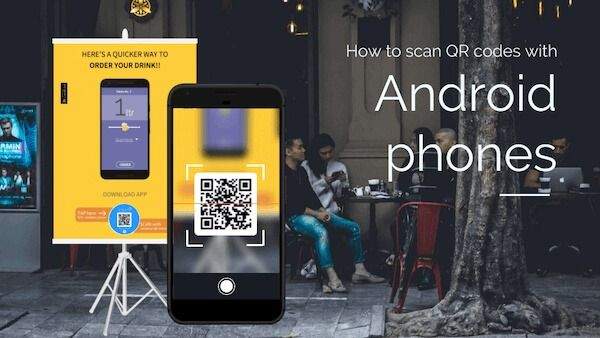
Identify a payment processor that supports ERC-20 or similar stablecoin standards and offers a robust API for dynamic QR generation. Ensure the provider supports the specific stablecoins you wish to accept (e.g., USDC, USDT). Look for providers that offer webhook support for payment confirmation, which is critical for automating order fulfillment without manual reconciliation.
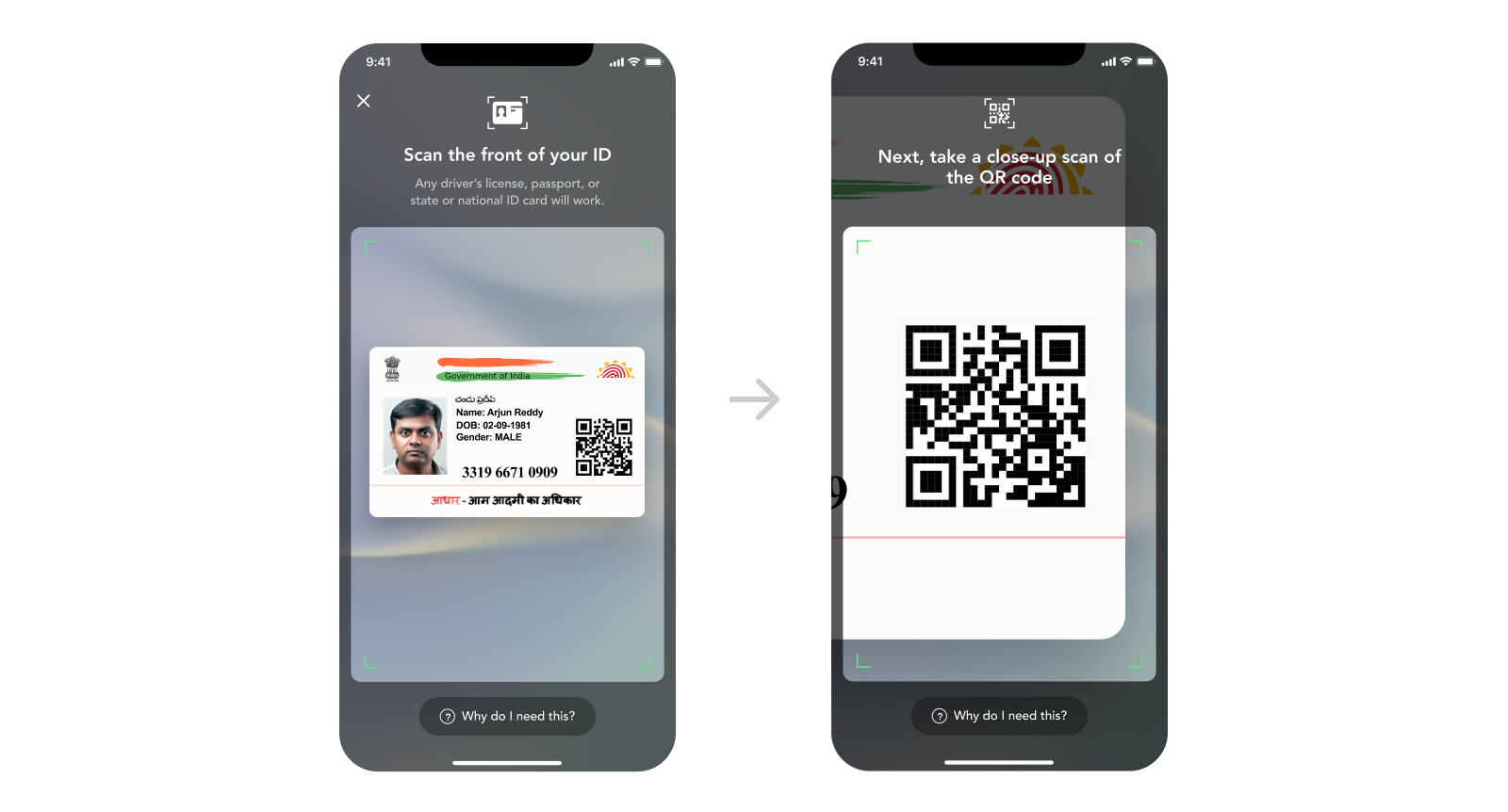
When a customer checks out, your POS system should send a request to the payment API with the order total, currency, and merchant ID. The API responds with a unique transaction hash and a payload object. This hash is the core of the dynamic QR payment 2026 model; it prevents replay attacks and ensures the payment is tied to a specific invoice. Store this hash in your database to track the transaction status.
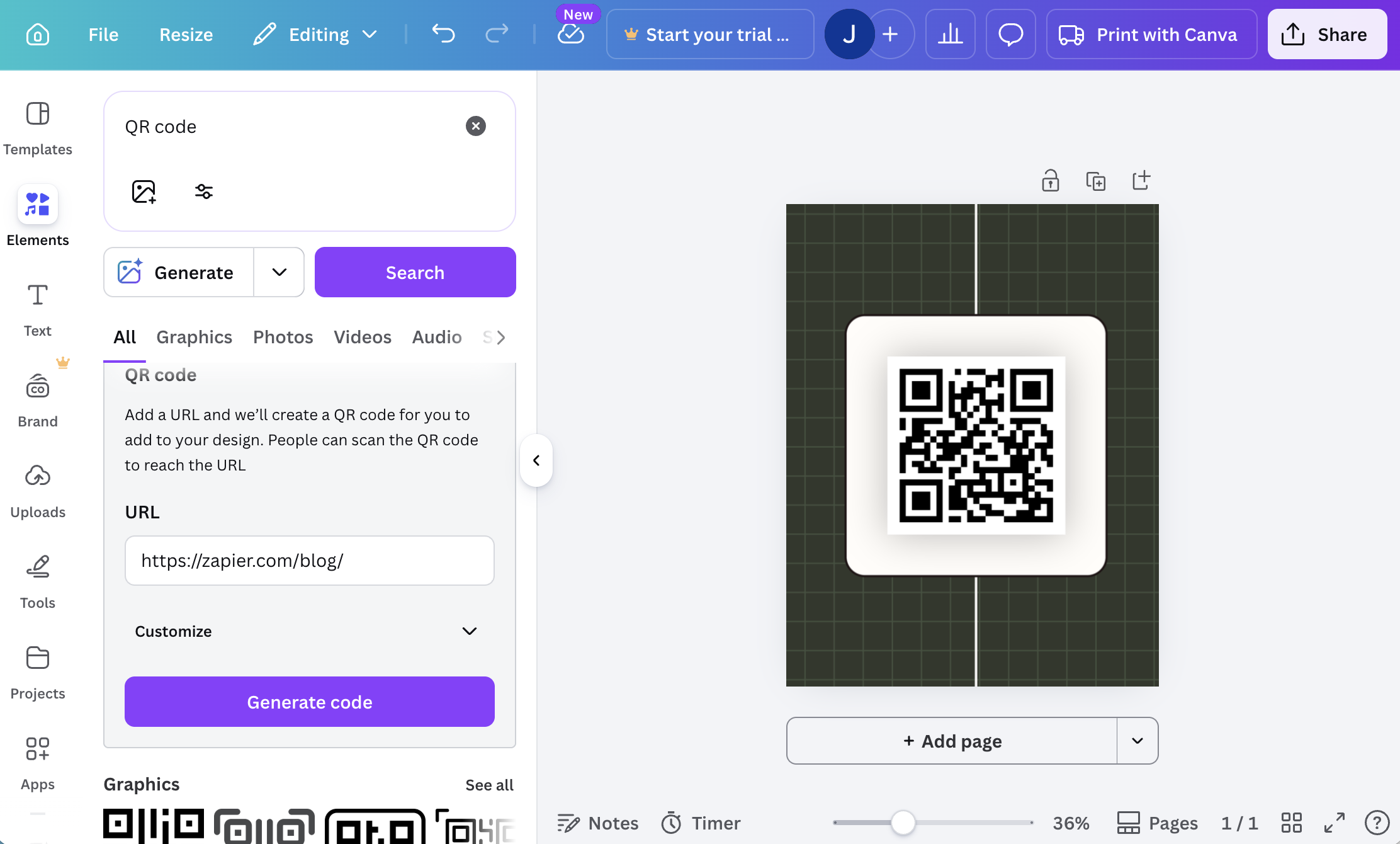
Use a QR code generation library to convert the payload URL or raw data into a scannable image. Display this image on your POS screen or a connected customer-facing display. Because the code is dynamic, it should include a countdown timer or an expiration timestamp. This visual cue encourages faster payment and alerts you if a code has been cached or reused by a malicious actor.
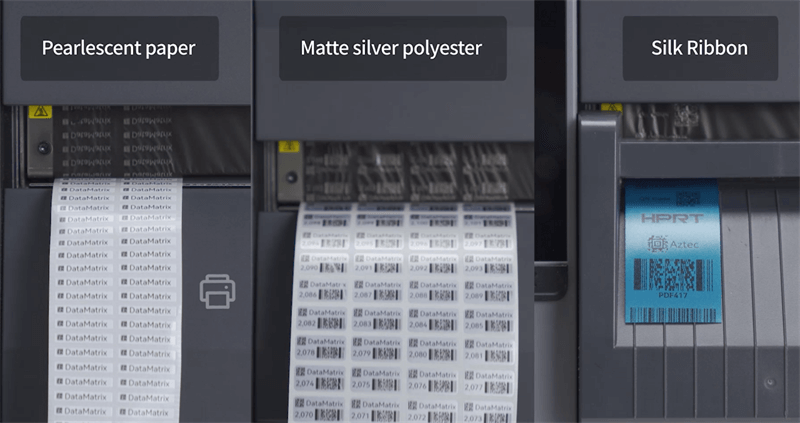
Do not rely on the customer showing a "success" screen. Instead, configure a webhook endpoint on your server to listen for payment confirmations from the blockchain or the payment processor. When the stablecoin transfer is detected and confirmed on-chain, the webhook will trigger, updating the order status to "Paid." This automated verification is the only reliable way to process crypto transactions securely.
Handle stablecoin settlement flows
Dynamic QR payment 2026 infrastructure solves the volatility and confirmation latency inherent in crypto transactions. Unlike static codes that lock a merchant to a single wallet address, dynamic codes generate a unique, time-bound transaction request for every scan. This approach allows the payment gateway to manage the settlement flow, ensuring the merchant receives the stablecoin value without exposure to price fluctuations.
The process begins when the customer scans the code. The merchant’s backend generates a JSON payload containing the exact amount, the specific stablecoin currency (e.g., USDC, USDT), and an expiry timestamp. This payload is encoded into the QR code. When the customer’s wallet scans it, the transaction request is pre-filled, reducing user error and speeding up the approval process.
Managing network fees and confirmations
Stablecoin transactions require network gas fees. In a dynamic flow, the system can automatically calculate the required fee based on current blockchain congestion and include it in the request. The customer sees the total cost upfront, including the fee, before signing the transaction. This transparency prevents failed transactions due to insufficient gas funds.
Confirmation times vary by blockchain. Ethereum-based stablecoins may take seconds to minutes, while Layer 2 solutions or alternative chains like Solana offer near-instant finality. The dynamic QR system should display a real-time status update to both the merchant and customer, indicating whether the transaction is pending, confirmed, or failed.
{
  "transactionId": "txn_9f8e7d6c5b4a",
  "amount": 150.00,
  "currency": "USDC",
  "chain": "polygon",
  "expiry": "2026-12-31T23:59:59Z",
  "recipientAddress": "0xMerchantWalletAddress123",
  "networkFee": 0.05
}
Integration steps for merchants
- Generate a unique QR code for each transaction using your payment gateway API.
- Display the code on your POS screen or printed receipt.
- Wait for blockchain confirmation via webhooks from your provider.
- Reconcile the payment in your accounting system once the status is "confirmed."
This structured flow ensures that stablecoin payments are as reliable as fiat transactions, leveraging the speed of blockchain while maintaining the security and accuracy merchants expect. By using dynamic QR codes, you eliminate the risk of sending funds to the wrong address or dealing with outdated exchange rates. The technology handles the complexity, allowing you to focus on the sale.
Prevent fraud and replay attacks
Static QR codes pose a significant risk in 2026 dynamic QR payment environments because they remain unchanged. Once a merchant prints or displays a static code, anyone can copy it and reuse it indefinitely. Attackers exploit this by initiating a transaction, copying the code, and then replays the same payment request to the same or different victim. This replay attack allows fraudsters to drain funds without the merchant’s knowledge.
To secure stablecoin transactions, implement short-lived tokens. Generate a new QR code for every single transaction. These codes should expire within seconds or minutes. This ensures that even if a malicious actor captures the code, it becomes useless almost immediately. The payment gateway validates the token against the current session, rejecting any stale requests.
Combine token expiration with multi-factor authentication (MFA). Require a second verification step, such as a biometric scan or a one-time password (OTP), before finalizing the stablecoin transfer. This adds a critical layer of security. Even if a replay attempt succeeds in presenting the code, the transaction cannot complete without the user’s active consent.
check your qr payment readiness
Before processing stablecoin transactions, verify that your hardware and software stack can handle dynamic QR payment 2026 requirements. Static codes cannot be updated once printed, making them vulnerable to tampering and unable to support real-time exchange rate adjustments. Dynamic codes resolve this by linking to a live URL that updates the destination and amount on the fly.
Ensure your POS system supports the necessary API integrations and that your scanners can read QR codes accurately under varying lighting conditions. AI-enabled POS systems now improve scanning accuracy and fraud detection, which is critical for crypto transactions.
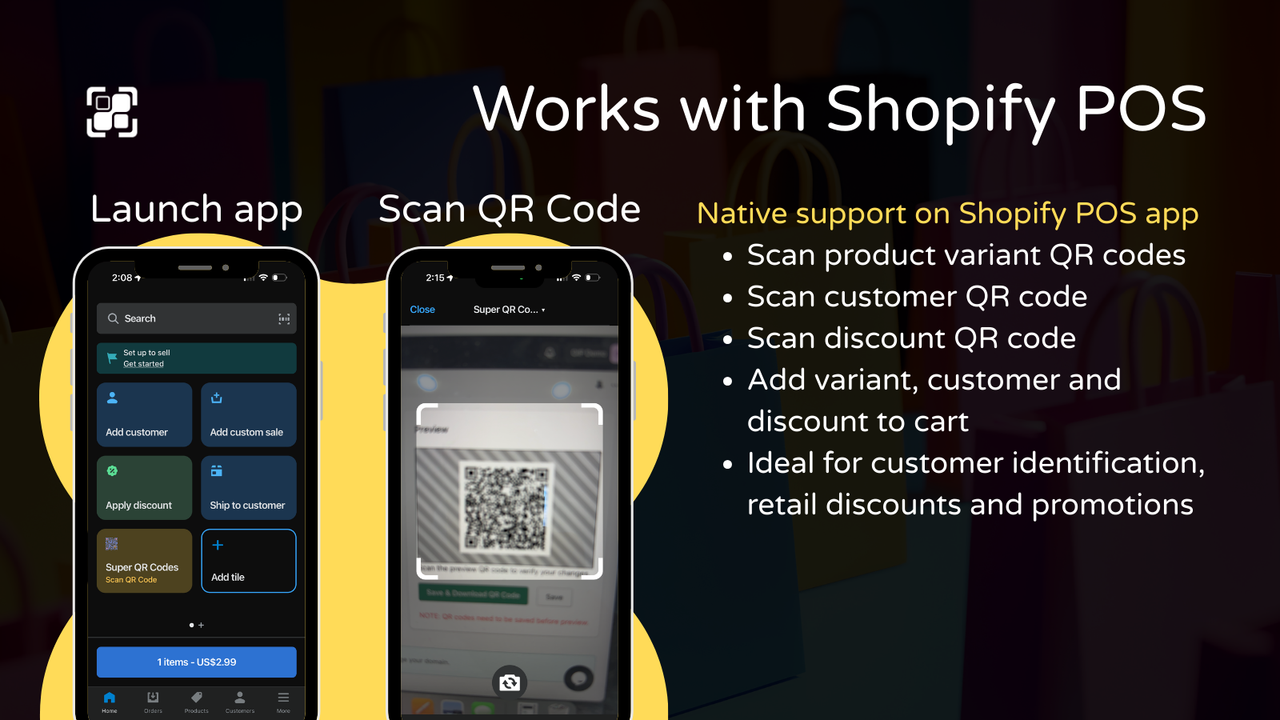
Use this checklist to confirm your infrastructure is ready for adoption:
Are QR codes still relevant in 2026?
Yes, especially for offline merchant payments. In 2026, brands routinely use QR codes to connect printed assets to fast, mobile-optimized experiences. The key shift is operational. Marketers and merchants expect to update destinations, refine messaging, and adjust timing without reprinting physical materials.
Are dynamic QR codes worth it? Dynamic QR codes let you update the destination anytime and track scans in real time. This flexibility and insight make dynamic QR codes a smarter choice for businesses that want to stay agile and data-driven. For stablecoin transactions, this means you can change wallet addresses or routing rules without replacing every printed receipt.
No comments yet. Be the first to share your thoughts!