Why stable QR pay matters now
The cross-border payment landscape has shifted. By 2026, stablecoins have stopped competing with consumer-facing apps and started embedding themselves into the infrastructure that moves money between businesses. This shift is critical for cross-border settlement, where speed and cost are the primary bottlenecks.
Legacy card rails were designed for domestic transactions, not global settlement. They rely on multi-day clearing cycles and layered intermediary fees that erode margins. Stable QR payments bypass this friction. They settle in seconds, not days, and operate on transparent, low-cost blockchain networks. This isn't just a convenience upgrade; it is a structural advantage for any business moving money across borders.
QR technology has matured beyond simple local convenience. According to Juniper Research, developing markets are driving significant growth in QR adoption, signaling a global standard shift Juniper Research. For cross-border settlements, this means your customers and partners are already adopting the interface. You just need to attach the right settlement layer.
Adopting stable QR pay now positions your business for the next phase of digital commerce. It eliminates the latency of traditional banking and reduces the risk of FX volatility by settling in stable assets. The technology is ready. The market is moving. The only question is whether you will build on the old rails or the new ones.
Choose your stablecoin and wallet provider
Setting up stable QR pay for cross-border settlements starts with picking a stablecoin and a compatible wallet. The right combination ensures fast settlement and broad merchant acceptance.
Pick USDC or USDT
USDC (USD Coin) and USDT (Tether) are the two main stablecoins for this use case. USDC is generally preferred for business settlements due to its regulatory clarity and transparency. USDT has wider global reach in some emerging markets but carries higher counterparty risk.
| Feature | USDC | USDT |
|---|---|---|
| Settlement Speed | Fast (1-3 mins) | Fast (1-5 mins) |
| Regional Acceptance | High in US/EU | High in Asia/LatAm |
| Regulatory Clarity | High | Moderate |
Select a compatible wallet
Your wallet must support QR code generation and scanning for the chosen stablecoin. Look for wallets that offer real-time settlement and low transaction fees. Avoid wallets that require complex manual confirmation steps, as this slows down the checkout process.
Generate and display your payment QR code
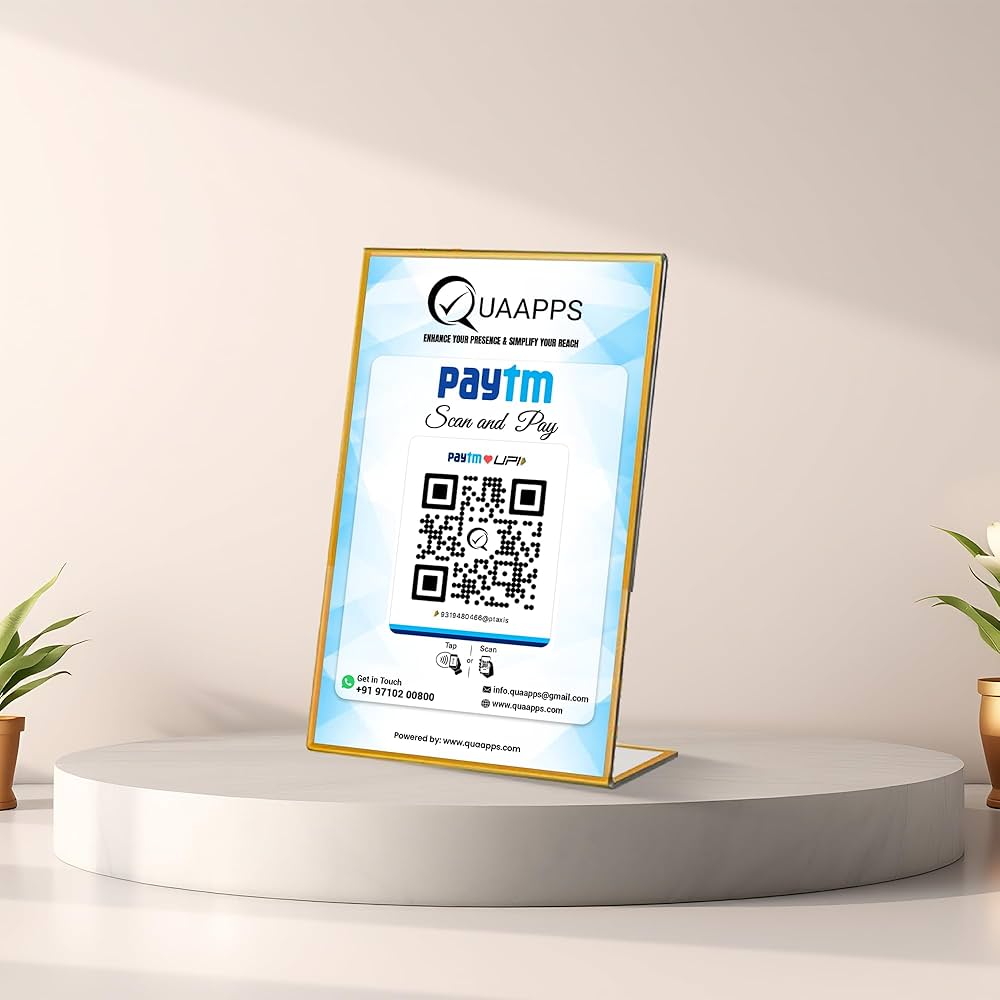
Creating a scannable QR code for cross-border stablecoin settlements requires encoding specific data fields into a standard format. The goal is to produce a dynamic code that mobile wallets recognize immediately, ensuring the amount, currency, and destination wallet address are parsed correctly without manual entry errors. This section walks through the technical steps to generate this code using a standard-compliant wallet or backend service.
Verify real-time settlement and compliance
Confirming that funds have settled on-chain instantly is the final checkpoint before you consider a cross-border QR payment complete. This step ensures the transaction is immutable and that the transfer meets the necessary KYC/AML requirements for international compliance. Without this verification, you risk reconciling against a pending or failed transaction.
Check on-chain settlement
After the payer scans the QR code and approves the transfer, the stablecoin moves through the blockchain network. You must verify that the transaction hash is confirmed on the ledger. Most stablecoin networks require a specific number of block confirmations to consider a transaction final. For high-value cross-border settlements, waiting for two to three confirmations is standard practice to prevent double-spending attacks.
You can verify the status using a block explorer or your payment provider’s API. Look for a status of confirmed or finalized rather than pending. If the transaction remains in a pending state for more than a few minutes, check the network congestion and gas fees. A stalled transaction may require a fee bump or resubmission.
{
  "txHash": "0x8a7...f3e",
  "status": "confirmed",
  "confirmations": 3,
  "blockNumber": 1849201,
  "timestamp": "2026-01-15T10:30:00Z"
}
Ensure KYC/AML compliance
Cross-border stablecoin payments must adhere to anti-money laundering (AML) and know-your-customer (KYC) regulations. Even though blockchain transactions are pseudonymous, the underlying stablecoin issuers and payment processors are regulated entities. They must verify the identity of both the sender and the recipient.
Your payment provider should automatically handle the initial KYC checks during onboarding. However, for larger transactions or unusual patterns, additional compliance checks may trigger. These can include source-of-funds verification or enhanced due diligence. Ensure your system logs the transaction details, including the wallet addresses and the purpose of payment, to satisfy regulatory audits.
The X9.150 standard, developed by the American National Standards Institute, is designed to make blockchain payments provable and compliant. It provides a framework for embedding compliance data directly into the QR code structure, allowing for seamless verification across different jurisdictions [src-serp-6]. By aligning with this standard, you reduce the friction of cross-border settlements and ensure that your QR pay setup remains robust against regulatory changes.
Common mistakes to avoid
Even with a solid QR pay setup, small errors can delay settlements or lose funds. The most frequent issues involve network mismatches and ignoring transaction costs. Check these areas before going live.
Wrong network selection
Stablecoins exist on multiple chains. Sending USDC on ERC-20 to a wallet expecting TRC-20 results in lost funds. Always verify the target network matches the sender’s chain. Use a network selector tool to confirm compatibility before initiating any cross-border transfer.
Ignoring gas fees
Network congestion spikes gas costs. A settlement that looks cheap during low traffic may become expensive or fail during peak hours. Check current gas prices on Etherscan or Tronscan before executing large transfers. Factor these costs into your settlement pricing to avoid unexpected deductions.
Skipping address verification
Crypto addresses are case-sensitive and irreversible. A single typo sends funds to a void. Always send a test transaction with the minimum amount first. Verify the recipient’s address character by character, especially the last four digits, before processing the full settlement.
Stable QR pay setup checklist
Before launching stable QR pay for cross-border settlements, verify these core requirements. This pre-flight list ensures your merchant account, POS infrastructure, and compliance measures are aligned with 2026 standards.
-
Merchant Account Verification: Confirm your crypto payment provider supports stablecoin settlement in your target jurisdictions. Check for any regulatory restrictions on cross-border flows.
-
POS System Integration: Ensure your point-of-sale system can generate and scan QR codes compliant with the X9.150 standard for blockchain provability.
-
Wallet Configuration: Set up a dedicated merchant wallet for receiving stablecoins. Enable automatic conversion to fiat if you wish to avoid crypto volatility.
-
Network Fee Strategy: Decide whether you or the customer covers network transaction fees. Most providers allow dynamic fee display at checkout.
-
Compliance Documentation: Update your terms of service to reflect digital asset acceptance. Ensure your KYC/AML procedures meet local cross-border payment regulations.
Completing these steps minimizes settlement errors and ensures a smooth customer experience.
Frequently asked: what to check next
Is QR payment the future?
Digital wallets and mobile payments have become embedded in daily life, offering faster, more convenient, and increasingly interoperable transactions. QR code-based systems are rapidly gaining popularity, with more merchants choosing this option to make payments safer and more accessible for customers.
Is QR payment better than credit cards?
QR payments offer contactless access and hygiene since customers only interact with their own device, eliminating the need for traditional swiping machines. However, high-volume businesses may find tap-to-pay credit cards faster than scanning QR codes, making the "better" option dependent on transaction volume and speed requirements.
How does QR pay work for cross-border settlements?
QR pay enables cross-border settlements by linking merchant and consumer wallets through standardized protocols. This allows for instant currency conversion and direct settlement, bypassing the slower, multi-party clearing processes typical of traditional international wire transfers.
No comments yet. Be the first to share your thoughts!