The shift to instant stablecoin settlements
The traditional credit card model operates on a delayed settlement cycle, typically T+2, where funds move through multiple intermediaries before reaching the merchant. This latency creates friction for businesses that need immediate liquidity. Stablecoin QR payments change this dynamic by offering near-instant settlement. When a consumer scans a QR code to pay with a stablecoin, the transaction is recorded on the blockchain, and the merchant receives the funds almost immediately, bypassing the multi-day clearing process.
This speed is anchored by the stability of the underlying asset. Unlike volatile cryptocurrencies, stablecoins are pegged to fiat currencies, ensuring that the value received is predictable. To understand how this stability functions in practice, it is useful to observe the trading pair of a major stablecoin against the US dollar.
The chart above shows the USDT/USDT (self-reference for stability verification) or typically USDT/USD pair, demonstrating how these assets maintain their peg. This stability allows merchants to accept digital payments without the risk of significant value fluctuation during the transaction window. The result is a payment method that combines the speed of digital transfers with the predictability of cash, directly addressing the inefficiencies of the legacy credit card infrastructure.
Stablecoin QR vs traditional card processing
Choosing between stablecoin QR payments and traditional credit card processing comes down to three variables: transaction fees, settlement speed, and infrastructure requirements. For merchants, the decision is not just about technology adoption but about protecting margins in an increasingly competitive market.
Traditional card networks have operated on a legacy model for decades. Merchants pay interchange fees and assessment fees that typically range from 1.5% to 3.5% per transaction. These costs are deducted before the funds reach the merchant's account, and settlement usually takes two to three business days (T+2 or T+3). This delay creates cash flow friction, especially for small businesses that need immediate liquidity to cover inventory or payroll.
Stablecoin QR payments operate on a different economic layer. By bypassing the traditional card network intermediaries, transaction fees drop significantly, often to under 1%. Settlement is near-instant. When a customer scans a QR code, the stablecoin transfer settles on the blockchain in seconds, making the funds available for the merchant to use immediately. This shift from delayed settlement to instant liquidity is a fundamental advantage for operational efficiency.
Cost and Speed Comparison
The following table outlines the structural differences between the two payment methods. These figures represent typical averages for small-to-medium enterprises and can vary based on volume and specific processor agreements.
| Metric | Credit Cards | Stable QR Pay |
|---|---|---|
| Transaction Fees | 1.5% - 3.5% | < 1% |
| Settlement Time | T+2 to T+3 days | Instant (Seconds) |
| Infrastructure | POS Terminal / Gateway | Smartphone / QR Scanner |
| Cross-Border Costs | High (FX + Wire Fees) | Low (Network Gas Fee) |
Infrastructure and Setup
Adopting stablecoin QR payments requires minimal hardware changes. Most modern smartphones can act as both the payment receiver and the point-of-sale terminal, provided they have a compatible wallet app. This lowers the barrier to entry compared to traditional card processing, which often requires leasing or purchasing dedicated POS terminals, payment gateways, and merchant accounts.
However, merchants must consider the learning curve for both staff and customers. While QR scanning is intuitive, it requires a basic understanding of digital wallets. Traditional card payments remain the default for many consumers, particularly in high-volume environments where tap-to-pay speed is prioritized over cost savings. For low-volume or niche merchants, the cost savings of stablecoin QR payments often outweigh the slight friction in customer adoption.
Merchant adoption and infrastructure readiness
The transition to stablecoin payments is no longer a theoretical exercise; it is a logistical reality driven by the convergence of modern point-of-sale (POS) hardware and instant settlement rails. By 2026, the friction that once defined digital currency adoption has largely evaporated. Merchants no longer need specialized crypto-wallets or complex private key management to accept stable QR payments. Instead, the infrastructure has been abstracted into standard payment terminals that process transactions in local fiat currency while settling in the background using stablecoins.
This shift is particularly transformative in developing markets, where traditional banking infrastructure has historically been sparse or expensive to maintain. In these regions, QR code payments are leapfrogging the credit card era entirely. A merchant with a smartphone and a basic QR code display can now accept payments with near-instant settlement, bypassing the multi-day clearing cycles and high interchange fees associated with Visa or Mastercard. The Federal Reserve’s exploration of QR code integrations within its FedNow service underscores this institutional pivot toward instant, code-based settlement layers that prioritize speed over legacy card network protocols FedNow QR Code Payments.

The hardware landscape has adapted to support this change. Modern POS systems now treat stablecoin QR codes as a first-class payment method, indistinguishable from a bank transfer or card swipe to the end-user. For the merchant, the benefit is immediate liquidity. Unlike credit card settlements, which can take two to three business days to hit a business account, stablecoin transactions settle on-chain in seconds. This cash flow velocity allows small businesses to manage inventory and payroll with greater precision, reducing the working capital gap that often plagues small enterprises.
However, the adoption curve is not uniform. While developing markets are racing to implement QR-based stablecoin solutions due to lower existing infrastructure costs, developed markets are moving more cautiously. In the US and Europe, incumbent payment processors are integrating stablecoin rails as an optional backend feature rather than a front-end replacement for cards. This hybrid approach allows merchants to offer the speed of stablecoins without alienating customers who are still accustomed to the chargeback protections and familiarity of traditional card networks. The result is a fragmented but rapidly maturing ecosystem where infrastructure readiness is less about new technology and more about integrating existing stablecoin rails into the tools merchants already use.
When stable QR pay makes sense for your business
Stable QR pay isn't a universal replacement for credit cards; it's a specialized tool for specific friction points. While traditional card networks dominate high-volume, low-friction domestic retail, stablecoin QR payments excel where cross-border complexity, high interchange fees, or slow settlement times erode margins. Understanding these distinctions helps merchants avoid over-engineering their payment stack.
Merchants with significant international revenue or those serving diaspora communities benefit most from stable QR pay. Traditional cross-border transfers often take days and incur fees of 3–7%. Stablecoin QR payments settle in seconds on-chain, bypassing correspondent banking networks. For businesses in Southeast Asia or Africa, this reduces treasury risk and improves cash flow predictability.
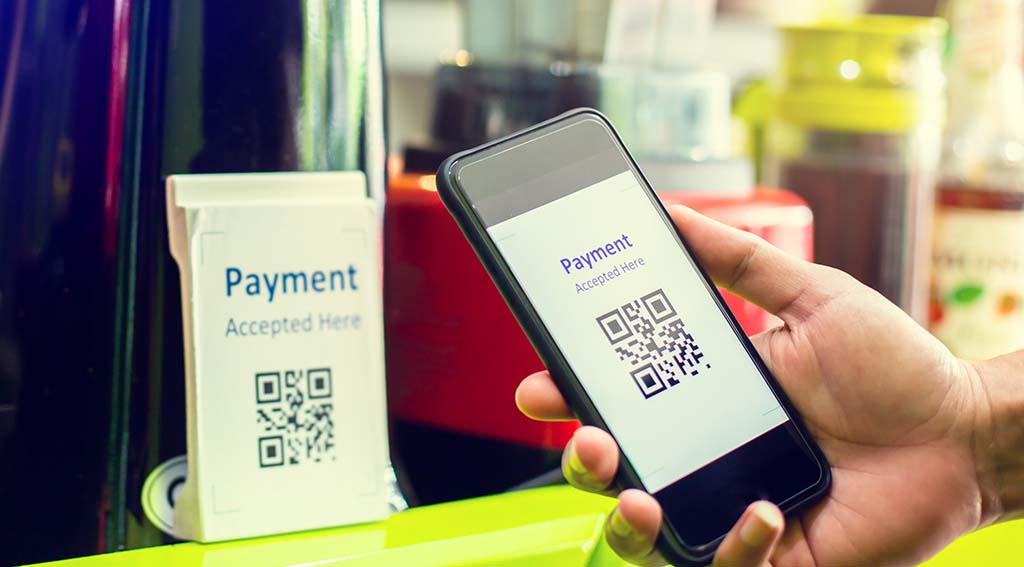
Retailers operating on thin margins, such as grocery chains or convenience stores, can find credit card interchange fees (1.5–3.5%) unsustainable for small-ticket items. Stable QR payments often cost a fraction of a percent, turning previously unprofitable micro-transactions into viable revenue streams. This model works best when the merchant has a tech-savvy customer base accustomed to digital wallets.
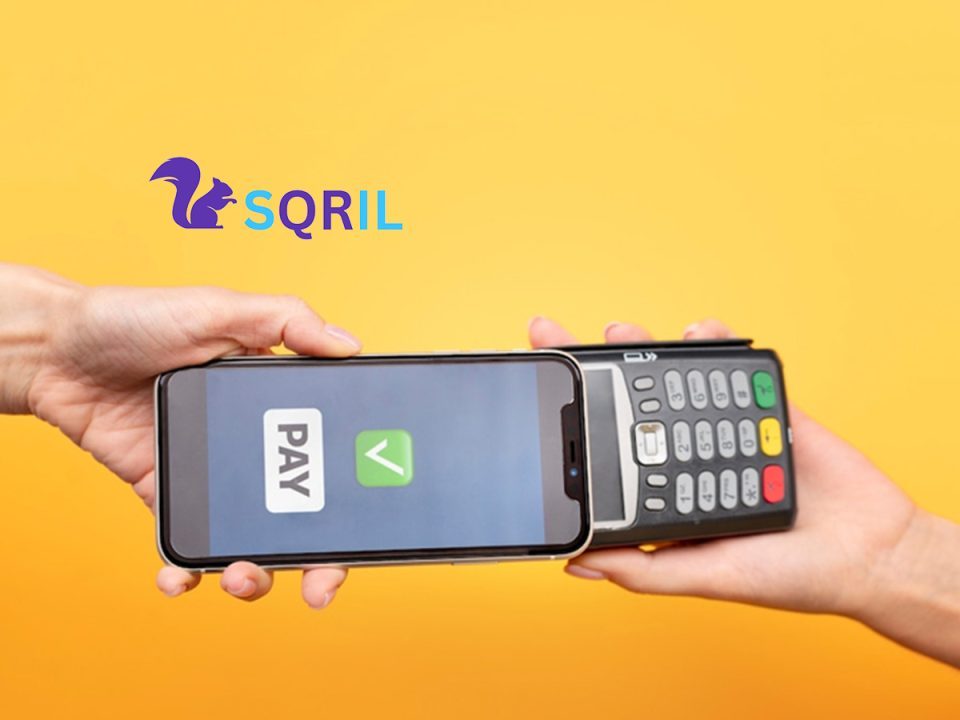
Many merchants need to accept crypto without holding volatile assets. Using stable QR pay allows customers to pay in digital currency while the merchant receives immediate fiat settlement via a payment processor. This bridges the gap between traditional accounting systems and the growing demand for crypto-native payment options, reducing regulatory and accounting complexity.
| Feature | Stable QR Pay | Credit Card |
|---|---|---|
| Settlement Time | Seconds to minutes | 1-3 business days |
| Typical Fee | 0.1% - 1% | 1.5% - 3.5% |
| Cross-Border Cost | Low | High |
| Best Use Case | Cross-border, micro-transactions | Domestic, high-volume retail |
The decision framework hinges on your customer geography and transaction size. If your revenue is primarily domestic and your customers prefer the familiarity and fraud protection of credit cards, stick with traditional processors. However, if you are expanding into emerging markets or selling digital goods globally, stable QR pay offers a structural cost advantage that compounds over time.
No comments yet. Be the first to share your thoughts!