Why stable QR pay matters now
Traditional card payments create a lag between the moment a customer scans and the moment a merchant sees the money. That 2-3 day settlement window ties up working capital and introduces chargeback risk. Stable QR pay removes that friction by settling transactions in seconds, not days.
The advantage goes beyond speed. When you use stablecoin QR payments, you bypass the interchange fees that typically eat 1.5-3% of every transaction. Instead, you pay a small network fee, often fractions of a cent. This margin shift is significant for low-ticket retail where traditional processing costs can outweigh profits.
Self-custody is the third pillar. With solutions like Trust Wallet’s QR integration, merchants can receive payments directly into their own wallets without routing funds through third-party processors. This means you control your funds immediately upon scan, reducing reliance on banking infrastructure and minimizing counterparty risk. The result is a payment flow that is faster, cheaper, and fully under your control.
Choose your payment infrastructure
Selecting the right provider is the foundation of instant stable QR pay. You need a platform that bridges local fiat QR standards—like VietQR or UPI—with stablecoin rails. This bridge allows you to accept payments in your local currency while settling in stablecoins, minimizing volatility risk.
When evaluating providers, focus on three core metrics: settlement speed, fee structure, and local QR compatibility. Not all providers support every regional standard, so verify that your chosen gateway can decode and route payments from the specific QR networks your customers use.
| Provider Type | Settlement Speed | Fees | Supported QR Standards |
|---|---|---|---|
| Aggregator (e.g., RedotPay) | Near-instant | ~1-2% | VietQR, UPI, PromptPay |
| Direct Stablecoin Gateway | Blockchain-dependent | Network gas + platform fee | Custom QR, ERC-20 |
| Traditional PSP with Crypto | T+1 to T+2 | Higher (2-3%+) | Limited or none |
Aggregators like RedotPay simplify this by handling the conversion between local fiat QR codes and stablecoin settlements automatically. This approach reduces the technical burden on your merchant account while ensuring customers can pay using familiar local methods. In contrast, direct stablecoin gateways require you to manage both the fiat on-ramp and the crypto off-ramp, which can complicate reconciliation.
Configure your merchant QR codes
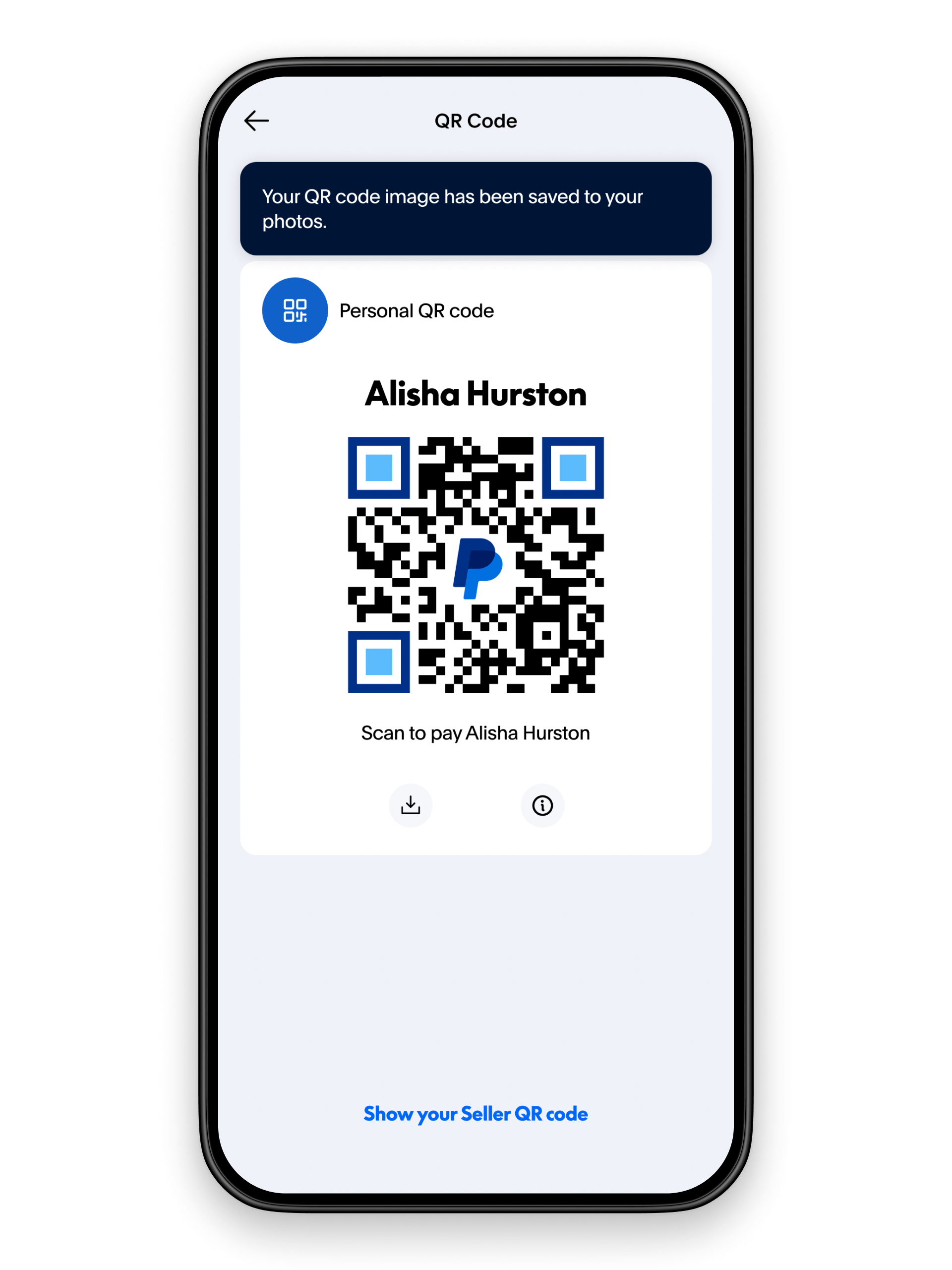
Generating stable QR pay codes requires choosing between static and dynamic formats based on your transaction volume and need for real-time control. Static codes embed a fixed payment address, making them suitable for fixed-price items like vending machines or donations. Dynamic codes, however, generate a unique, time-sensitive URL for each transaction, which is essential for variable amounts, instant settlement tracking, and fraud prevention.
Link these codes to your payment gateway ensures that every scan triggers an immediate verification with your processor. This connection allows you to monitor settlement status in real time and automatically reconcile transactions without manual entry. Most modern gateways provide API endpoints that return a signed QR payload, ensuring the data remains secure and tamper-proof during transmission.
Decide between static and dynamic QR codes. Use static codes for fixed amounts where settlement verification is secondary. Choose dynamic codes for variable transactions to ensure each payment is uniquely tracked and instantly verifiable by your gateway.
Connect your QR generation logic to your payment provider’s API. Use the provider’s SDK to request a unique payment token for each transaction. This token becomes the data payload inside the QR code, linking the physical scan directly to your digital ledger.

Display the generated QR code on your POS screen or printed materials. Perform test scans using multiple devices to verify that the payment intent loads correctly in the user’s wallet. Confirm that the settlement status updates immediately upon successful payment to ensure your system is truly instant.
Test the transaction flow
Before going live, run a live test transaction to verify that the customer scans, approves, and the merchant receives confirmation instantly. This end-to-end check catches network mismatches, gas fee errors, or UI glitches before real money moves.
Open your merchant dashboard and select the test mode. Generate a unique QR code for a small test amount (e.g., $1.00 in USDC). Ensure the code is visible and unexpired for at least two minutes. This code encodes the recipient wallet address, the stablecoin type, and the exact settlement amount.
Use a second device or a different browser profile to simulate a customer. Scan the QR code with a compatible wallet like Trust Wallet. The app should display the merchant name, the amount, and the network. Confirm the transaction details and approve the payment. The wallet will prompt for a signature, which acts as the customer’s authorization.
Watch your merchant dashboard. A successful test shows the payment status change from "Pending" to "Confirmed" within seconds, not minutes. Check the transaction hash on the blockchain explorer to confirm the block confirmation. Ensure the stablecoin balance updates in the merchant’s designated wallet immediately.
If the transaction stalls, check the network status. Common issues include insufficient gas fees for the signer or a mismatched network (e.g., sending on Ethereum Mainnet to an Optimism-only QR). Retry with a slightly higher gas limit if the first attempt fails. Document any error codes for your development team.
Once the test confirms instant settlement, you can confidently switch to production mode. This verification step is critical for maintaining trust, as customers expect their payments to clear immediately without manual reconciliation.
Handle common setup errors
Troubleshooting QR pay integration usually comes down to three configuration mismatches: network selection, gas availability, and chain routing. Fixing these ensures your stablecoin settlements settle instantly rather than stalling.
Verify the selected network matches the QR payload
Merchants must ensure the wallet or gateway is connected to the exact blockchain network the QR code targets. A mismatch between the user’s wallet network and the merchant’s settlement chain causes immediate rejection. Check the chainId in your QR payload against the active network in your payment processor’s dashboard. If they differ, the transaction fails before it reaches the blockchain.
Ensure sufficient gas for the settlement address
Even with stablecoins, the recipient wallet needs native currency (ETH, MATIC, BNB) to pay gas fees. If the settlement address is empty, the transaction hangs in the mempool. Fund the merchant’s receiving wallet with a small amount of the native token before going live. For user-facing QR codes, consider using ERC-4337 account abstraction if your provider supports it, which allows the payer to cover gas fees, removing friction from the setup.
Check for dynamic routing errors
Static QR codes are risky for high-volume settlements because they don’t adapt to network congestion. Use dynamic QR generation that includes tokenization and routing logic. This ensures the payment route adjusts if a specific chain becomes congested or if the stablecoin pair changes. Without dynamic routing, you risk failed transactions during peak hours, leading to customer support tickets and lost revenue.
Verify settlement and compliance
Before going live, you need to confirm that the funds actually land in your wallet and that your setup meets regulatory standards. Stablecoin QR payments move quickly, but the final step is ensuring the transaction is irreversible and compliant.
Confirm transaction finality
Unlike credit cards, stablecoin transactions on most networks are final once confirmed. You should verify that your payment gateway or wallet provider shows the transaction as "confirmed" or "settled" rather than just "pending." Check the block explorer to ensure the correct number of confirmations has been reached for your specific chain. For USDC on Ethereum, this might mean waiting for a few blocks; on Solana, it is often nearly instantaneous.
Check regulatory requirements
Accepting crypto payments triggers specific compliance obligations. You must determine if you need to register as a Money Services Business (MSB) with FinCEN in the United States or comply with local anti-money laundering (AML) laws in your jurisdiction. This often involves implementing Know Your Customer (KYC) checks for larger transactions or using a payment processor that handles compliance for you. Consult the official FinCEN guidelines for crypto assets to understand your specific reporting duties.
Audit your records
Set up a simple system to log every QR payment. Record the timestamp, the amount, the token type, and the transaction hash. This data is essential for accounting, tax reporting, and resolving any potential disputes. Without clear records, reconciling your crypto income with your fiat expenses can become a significant administrative burden.
Frequently asked: what to check next
Are QR payments reversible once settled?
No. Because stablecoin QR transactions settle instantly on-chain, they are irreversible by design. Unlike credit cards, there is no chargeback window. Always verify the recipient’s address and the final amount before confirming the transaction in your wallet. If you send funds to the wrong address, recovery is unlikely without the recipient’s cooperation.
How much do QR code payment fees cost?
Fees vary by payment processor and network, but they are generally lower than traditional card processing. Most stablecoin QR solutions charge a flat fee or a small percentage (often under 1%) per transaction. Always check your specific provider’s pricing sheet, as costs can change based on transaction volume and the specific blockchain used for settlement.
Is using stablecoins for QR payments safe?
Stablecoin QR payments are secure when you use reputable wallets and verified merchant codes. The transparency of the blockchain allows you to confirm the transaction status in real-time. However, security relies on your private keys. Never share your seed phrase, and always scan QR codes from trusted, official sources to avoid phishing attempts.
What happens if the network is congested?
During high network congestion, transactions may take longer to confirm or incur higher gas fees. Most modern QR payment processors handle this by routing transactions through optimized networks or layer-2 solutions to maintain speed. If a payment stalls, check your wallet’s transaction status; it will either confirm or fail automatically without losing funds.
No comments yet. Be the first to share your thoughts!