Why QR codes drive stablecoin adoption
In 2026, the QR code has become the primary interface for stablecoin payments, quietly replacing the card swipe for offline merchants. This shift isn't just about adopting new hardware; it is about leveraging an existing, universally understood visual standard to access the efficiency of blockchain settlement. By scanning a code, merchants and consumers bypass the friction of traditional card networks, gaining access to instant finality and lower processing fees.
The global momentum behind this technology is undeniable. QR codes processed approximately $3 trillion in global payments in 2026, establishing themselves as the most widely used payment method across many regions. Stablecoins are now capturing a growing share of this volume, particularly in cross-border transfers, remittances, and B2B settlements where immediate settlement is critical. The integration of stablecoins with regional QR networks allows for bank-to-bank-like experiences but with the speed and cost structure of digital assets.
For merchants, this means moving beyond the legacy payment rails that settle in days and charge significant percentages per transaction. Stablecoin QR payments offer a direct path to liquidity. The technology is no longer experimental; it is the practical backbone of modern digital commerce, enabling businesses to operate efficiently in a global economy that demands real-time financial infrastructure.
How the stablecoin QR payment flow works
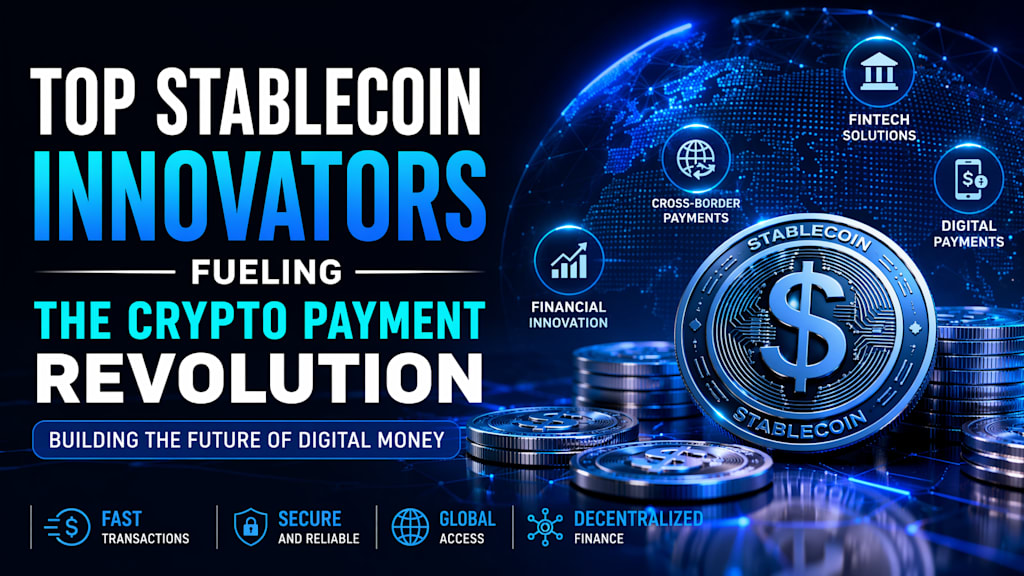
The process for accepting stablecoin payments is designed to mirror the familiarity of traditional card swipes, but it operates on a blockchain network. When a customer initiates a payment, the system handles the cryptographic signing and network settlement in seconds, ensuring the merchant receives immediate confirmation. This flow eliminates the multi-day settlement cycles associated with credit cards and avoids the currency conversion delays of cross-border wire transfers.
The transaction begins when the customer scans a dynamic QR code displayed on the merchant’s terminal or website. This code contains the payment details, including the recipient wallet address and the exact amount in USDC. The customer’s digital wallet—such as Phantom, MetaMask, or a dedicated crypto banking app—reads this data and prompts the user to review the transaction details before proceeding.

Once the customer confirms the payment, their wallet uses their private keys to cryptographically sign the transfer. This signature proves ownership of the funds without exposing sensitive account information to the merchant or the payment processor. The signed transaction is then broadcast to the blockchain network, where validators or validators nodes verify the signature and the available balance.
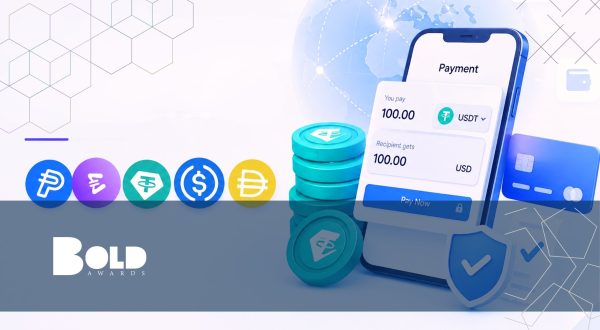
Unlike traditional banking rails that rely on intermediary banks and clearinghouses, stablecoin transactions settle directly on the blockchain. For USDC, this typically happens within seconds on networks like Solana or Ethereum Layer 2s. The funds move from the customer’s wallet to the merchant’s designated address, with the ledger updated in real-time. This immediacy allows merchants to reconcile accounts instantly, reducing the risk of chargebacks and fraud.
The merchant’s payment processor or wallet provider detects the on-chain confirmation and updates the merchant’s dashboard. Depending on the integration, the merchant can choose to hold the USDC or automatically convert it to fiat currency at the current market rate. Because the settlement is final and irreversible, the merchant can immediately release goods or services, improving cash flow and operational efficiency.
To ensure stability during this process, merchants often monitor the peg of the stablecoin being used. A stablecoin like USDC is designed to maintain a 1:1 value with the US dollar, but market conditions can cause slight deviations. The chart below shows the recent performance of USDC against the dollar, demonstrating its resilience as a payment rail.
This flow highlights why stablecoin QR payments are gaining traction among merchants seeking faster settlement times and lower transaction costs compared to traditional payment processors.
Settlement speed vs card networks
When a customer scans a QR code to pay with a stablecoin, the merchant sees the funds in their wallet within seconds. Traditional credit card processing operates on a different timeline entirely. Most card transactions settle in T+1 or T+2 business days, meaning the money is technically yours but not immediately available for use or withdrawal.
This delay creates a cash flow gap that can strain small businesses. During that waiting period, the funds are tied up in the clearinghouse network. For merchants with tight margins or seasonal inventory needs, waiting 48 hours for settlement is not just an inconvenience; it is a working capital constraint. Stablecoin QR payments remove this friction, allowing merchants to treat digital payments with the immediacy of cash.
The difference in settlement speed also impacts how merchants manage risk. Card networks have chargeback windows that can extend weeks or months after a transaction, leaving funds potentially reversible. Stablecoin transactions are final upon settlement. There is no chargeback window because the ledger is immutable. This finality protects merchant revenue from the reversal risks inherent in the card network model.
| Feature | Stablecoin QR Payments | Traditional Card Networks |
|---|---|---|
| Settlement Time | Seconds to minutes | T+1 to T+2 business days |
| Chargeback Risk | Final settlement (no chargebacks) | High (chargeback window applies) |
| Availability | Immediate liquidity | Delayed liquidity |
| Network Hours | 24/7/365 | Business hours only |
The economic advantage extends beyond speed. By bypassing the card network's multi-party settlement layer, merchants avoid the standard interchange fees that typically range from 1.5% to 3.5%. Stablecoin QR payments often settle for a fraction of that cost, directly improving the bottom line. As noted in recent industry analysis, stablecoins are increasingly becoming a global payment rail due to these immediate efficiency gains [1].
For merchants, the choice is no longer just about accepting digital currency; it is about optimizing cash flow. Instant settlement means instant reinvestment. Whether restocking inventory or paying staff, the ability to access funds immediately provides a significant operational edge over the delayed liquidity of traditional card processors.
[1] https://www.linkedin.com/pulse/stablecoins-2026-trends-opportunities-the-venture-network-by-lz-6ssef
Integrating stablecoin checkout systems
Adopting stablecoin payments no longer requires building custom blockchain infrastructure. In 2026, the most efficient path for merchants is to leverage existing payment processors that have baked stablecoin rails directly into their standard checkout flows. This approach allows you to accept USDC with the same ease as a credit card, while retaining the ability to settle in fiat or hold digital assets.
The integration process typically follows a straightforward sequence. First, verify that your current payment provider, such as Stripe, supports stablecoin settlements in your region. Stripe, for example, allows customers to scan a QR code or click "Pay with crypto" directly within the standard checkout interface, signing the USDC transfer from wallets like MetaMask or Phantom without leaving the merchant's page. This seamless handoff reduces friction and maintains the familiar user experience your customers expect.
Once the provider is enabled, configure your settlement preferences. You can choose to automatically convert incoming USDC into your local fiat currency to avoid volatility risk, or hold the stablecoins in your treasury for cross-border efficiency. For merchants already using established rails, this shift adds a new payment option rather than replacing your current stack, making the transition low-risk and immediately actionable.
Common mistakes in QR payment setup
Stablecoin QR payments promise instant settlement, but technical missteps can turn that promise into a liability. Merchants often rush integration without auditing the underlying infrastructure, leading to failed transactions or regulatory exposure. The most frequent errors involve network selection, wallet compatibility, and compliance oversight.
Choosing the wrong network
Selecting a blockchain that doesn't align with your transaction volume is a critical error. High-fee networks like Ethereum mainnet can erase thin margins on small-ticket retail purchases. Instead, prioritize layer-2 solutions or established stablecoin rails designed for payments, such as those supporting seamless 1:1 fiat to stablecoin settlement.
Ignoring wallet compatibility
A QR code is useless if the customer’s wallet cannot read it. Many merchants assume universal compatibility, but different stablecoins (USDC, USDT, PYUSD) often reside on different chains. Ensure your payment gateway supports dynamic QR codes that detect the user's wallet and suggest the correct network. This prevents "insufficient funds" errors caused by sending USDC to an Ethereum-only wallet.
Overlooking regulatory compliance
Stablecoins are not anonymous cash. Ignoring KYC/AML requirements can result in frozen funds or legal penalties. Verify that your payment processor is compliant with local financial regulations. Relying on unofficial or unregulated gateways exposes your business to sudden shutdowns. Always audit your provider’s license and data handling policies before going live.
Stablecoin payment: what to check next
Merchants adopting stablecoin QR payments often need clarity on how these systems fit into existing financial infrastructure. The following answers address common concerns about market trends and long-term viability based on current industry data.
No comments yet. Be the first to share your thoughts!