Why instant settlement payments matter now
Traditional card processing ties up merchant capital in T+2 or T+3 settlement cycles. For small businesses operating on thin margins, that delay is not just an inconvenience—it is a cash-flow constraint. Stablecoin QR payments shift this dynamic by enabling instant settlement, moving funds from customer to merchant wallet within seconds rather than days. This immediacy transforms how merchants manage liquidity, reducing the need for large cash reserves to cover operational gaps.
The financial urgency of this shift is clear. According to industry data, QR-based payments are expected to hit $3 trillion in annual spending by 2026, with over 102 million Americans scanning QR codes that year. This volume is not merely a trend; it is a structural change in how commerce is financed. Merchants who continue to rely on legacy card rails are effectively lending money to acquirers and processors for several days at a time, often while paying interchange fees that compound the cost of that delay.
Instant settlement allows merchants to reconcile transactions immediately. This means inventory can be restocked, payroll can be processed, and overhead can be paid without waiting for the banking system’s batch processes. In a high-stakes retail environment, that speed is a competitive advantage. It reduces the risk of chargebacks by closing the loop on the transaction instantly, and it provides real-time visibility into revenue. As QR payment values are projected to exceed $8 trillion by 2029, the infrastructure supporting instant settlement is becoming the standard for efficient commerce.
Choose a compliant stablecoin payment gateway
Selecting the right gateway is the most critical decision for merchants adopting stable QR pay 2026. Your provider acts as the bridge between blockchain volatility and your bank account. You need a system that handles regulatory compliance automatically and settles funds in fiat instantly.
Look for providers that are registered with relevant financial authorities in your operating regions. Compliance ensures you avoid frozen accounts and legal penalties. Simultaneously, verify that the gateway offers direct fiat off-ramps. This feature converts stablecoins to local currency immediately, protecting your revenue from crypto market fluctuations.
Compare providers based on fees, settlement speed, and supported stablecoins. Use the table below to evaluate the leading options.
| Provider | Fees | Settlement Speed | Supported Stablecoins |
|---|---|---|---|
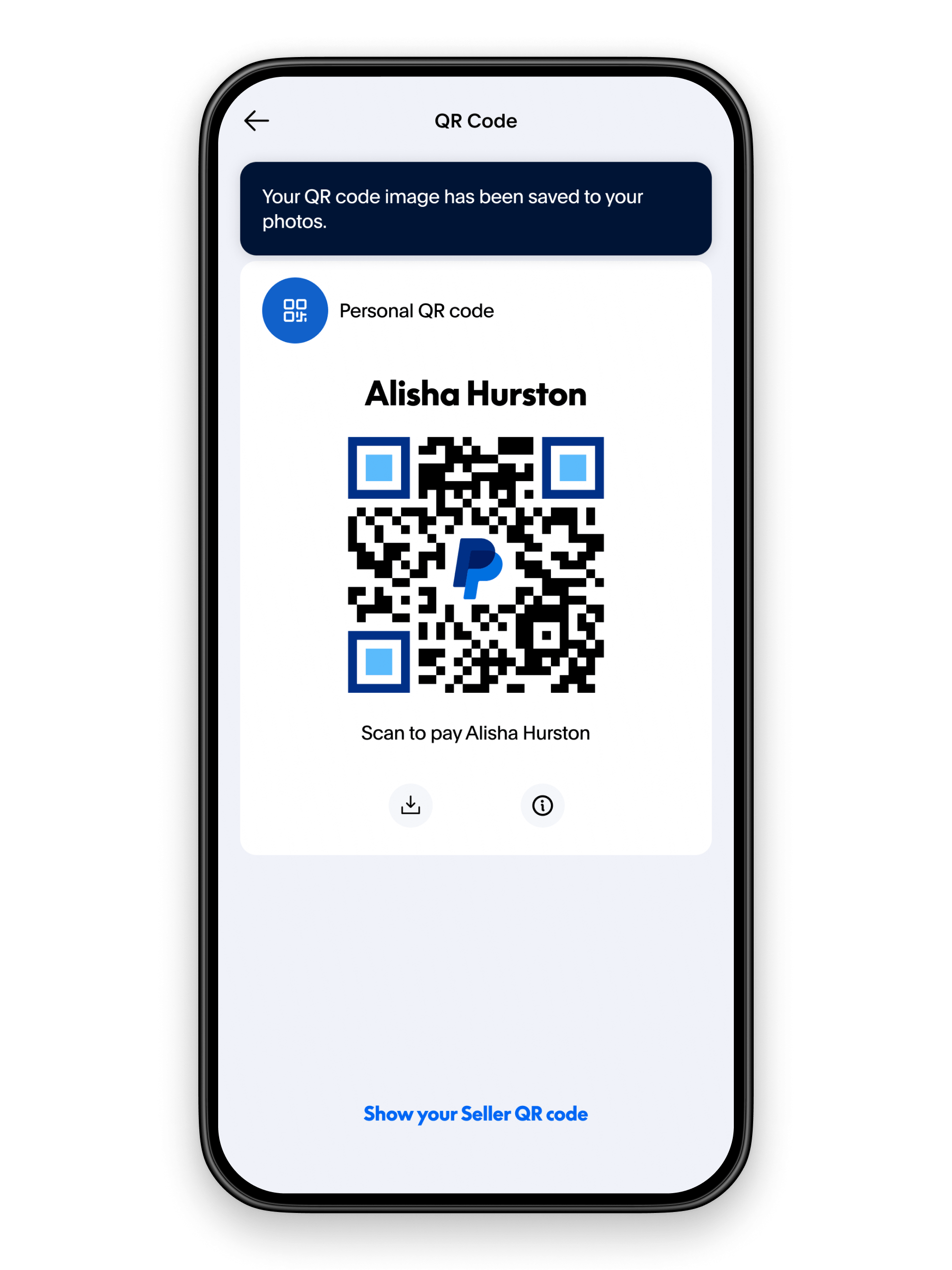
| PayPal | 2.9% + $0.30 | Instant to Bank | PYUSD, USDC, USDT |
| Trust Wallet | Variable by chain | Minutes | USDT, USDC, BSC-Pegged |
| Stripe | 1% + $0.30 | Next Day | USDC |
| Circle | 0.5% | Instant | USDC |
PayPal and Stripe offer the most familiar user experiences, integrating QR codes into existing merchant accounts. Trust Wallet provides deeper crypto-native features but may require more technical setup. Circle’s USDC infrastructure is built specifically for enterprise payments, offering lower fees for high-volume transactions.
Before signing a contract, test the onboarding process. Ensure your POS system can communicate with the gateway’s QR protocol. Most providers offer sandbox environments for this purpose. Verify that the settlement times match your cash flow needs, especially during peak holiday seasons.
Set up your POS for QR code crypto payments
Integrating stablecoin QR payments into your existing point-of-sale workflow is less about replacing your current hardware and more about layering a settlement bridge on top. The goal is to accept digital currency at the register and receive fiat or stable assets instantly, bypassing the volatility and settlement delays of traditional card networks.
Before you begin, verify that your POS system can trigger external payment links or display dynamic QR codes. Most modern systems allow this via plugins or API integrations. If you are using a mobile-based POS, you will likely use a dedicated wallet app that generates the QR code for the customer to scan.
Follow these steps to configure your setup for immediate, low-friction transactions.
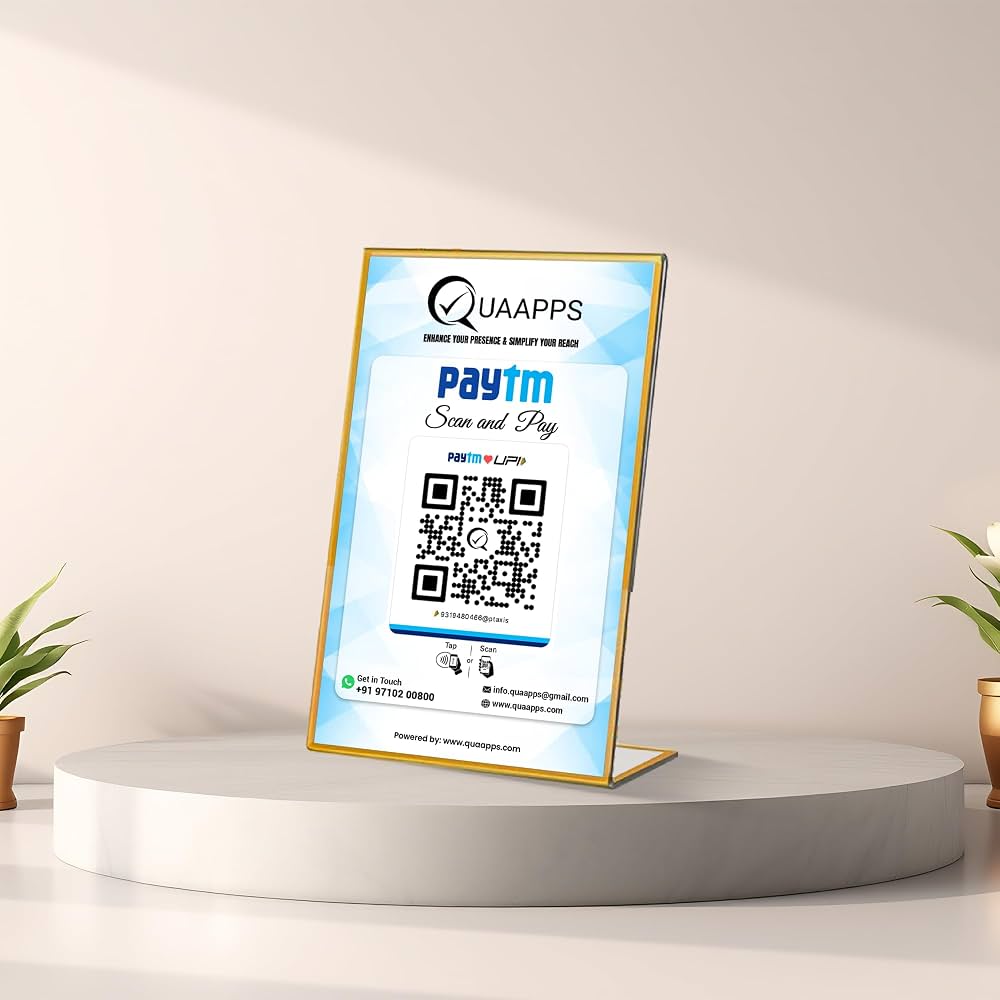
Access your POS admin dashboard and search for the stablecoin payment gateway provider you have chosen. Ensure you are installing the latest version compatible with your current POS software. This plugin acts as the translator between your sales ledger and the blockchain. After installation, verify the plugin appears in your active modules list and restart the POS terminal to apply the changes.
Open the plugin settings and connect your business wallet. Most providers offer a non-custodial option where you control the keys, or a custodial option where the provider holds the assets for easier accounting. Enter your preferred settlement address. If you choose to settle in stablecoins, ensure the wallet supports the specific tokens you intend to accept (e.g., USDC, USDT). Test the connection by generating a small QR code in the settings menu to confirm it displays correctly on a test device.
Define the minimum and maximum transaction amounts for QR payments. Setting a minimum helps avoid network fees that exceed the profit margin on small purchases. Configure automatic receipt generation to include the transaction hash for audit purposes. This step is critical for accounting and tax reporting, as blockchain transactions are immutable and publicly verifiable. Save these parameters to ensure consistency across all staff members.
Perform a live test with a small amount (e.g., $1.00) using a personal wallet. Scan the QR code generated by your POS and confirm the funds arrive in your connected wallet. Check your POS dashboard to ensure the sale is recorded as "Paid" and the inventory updates if applicable. If the transaction fails, check your internet connection and wallet balance. Once confirmed, you are ready to accept stable QR payments from customers.
Verify transaction security and limits
Stablecoin QR payments settle instantly, which means there is no built-in chargeback mechanism to reverse a mistake or fraud. Once the transaction is broadcast to the blockchain, it is final. You must treat every scan as a permanent transfer of funds.
Confirm the destination address
Before confirming any payment, verify the destination wallet address displayed on your screen matches the merchant’s registered ID. QR codes can be swapped by malicious actors in a "QR code swapping" attack. If the address on your device does not match the expected merchant wallet, cancel the transaction immediately. Do not rely on the merchant name label alone, as wallets often display generic identifiers.
Set and monitor daily limits
Configure your payment app to enforce daily transaction limits. This acts as a circuit breaker for potential compromise. If a hacker gains access to your device, a low daily cap prevents them from draining your entire treasury in a single session. Review your current limits weekly and adjust them based on your average daily volume.
Understand regional restrictions
Transaction limits and security protocols vary by jurisdiction and payment rail. For example, cross-border systems like the upcoming Indonesia-China QR initiative will have specific settlement rules that differ from domestic stablecoin transfers. Always check the latest regulatory guidance from your local financial authority or the payment processor you use.
Convert stablecoins to fiat without delay
Once a customer settles their bill via stable QR pay, the merchant’s final task is converting the received stablecoin into local currency. This step bridges the gap between digital transactions and operational reality, covering payroll, supplier invoices, and rent. Unlike traditional banking rails that often impose multi-day settlement windows, stablecoin conversions can settle almost instantly, regardless of the time of day or day of the week.
To ensure liquidity and compliance, follow this sequence to move funds from your digital wallet to your business account:
Log into your merchant dashboard and locate the pending stablecoin balance. Select the specific stablecoin asset (e.g., USDC, USDT) and choose your target fiat currency. Most modern processors allow you to set automatic conversion thresholds to prevent large crypto holdings from accumulating.
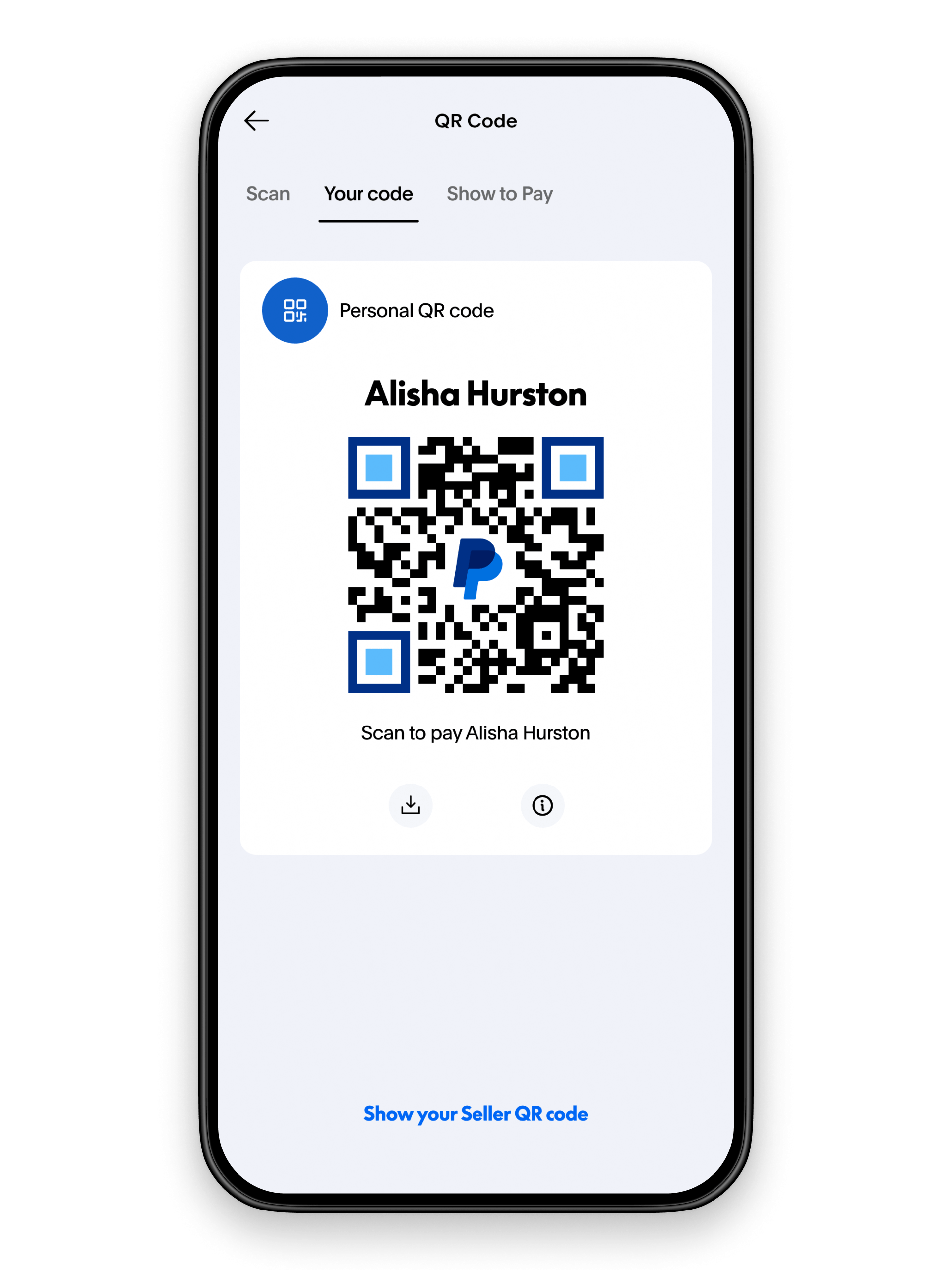
Before confirming, review the real-time exchange rate. Stablecoins are pegged to fiat, but liquidity pools can cause minor slippage during high-volume periods. Ensure the processor’s conversion fee is transparent and lower than the combined cost of ACH transfers and foreign exchange fees typical in traditional banking.
Finalize the transaction. The fiat currency is deposited directly into your linked business bank account. Because the settlement happens on the blockchain rather than through the slow ACH network, funds are often available immediately for disbursement, eliminating the cash-flow gaps that plague many small businesses.
This instant settlement capability transforms how merchants manage working capital. Instead of waiting for the "T+2" settlement cycle common in card processing, you gain immediate access to your revenue. This speed is particularly critical for industries with tight margins or high daily transaction volumes, where every day of delay impacts operational liquidity.
-
Verify total stablecoin volume matches QR scan logs
-
Confirm all conversions settled to the business bank account
-
Review exchange rate slippage against daily averages
-
Archive transaction receipts for tax and compliance records
Common questions about stable QR pay 2026
Stable QR pay 2026 simplifies merchant settlements by replacing traditional banking rails with instant blockchain-ledger updates. Below are direct answers to the most frequent questions from merchants and consumers.
Understanding these mechanics helps merchants avoid common pitfalls like network outages or irreversible errors during high-volume sales events.
No comments yet. Be the first to share your thoughts!