Why stable QR pay matters now
Small businesses operate on thin margins where every second and every basis point counts. Traditional card networks introduce friction that eats into those margins: settlement delays of two to three days tie up working capital, and interchange fees typically range from 1.5% to 3.5% plus fixed transaction fees. For a high-volume retailer or a service provider, these costs compound quickly, turning small transactions into net losses.
Stable QR payments change this equation by merging the ease of scanning a code with the speed of blockchain settlement. When a customer scans a QR code linked to a stablecoin wallet, the payment settles on-chain in seconds, not days. This instant finality means the merchant sees the funds immediately, eliminating the need to wait for clearing houses and reducing the risk of chargebacks or failed transactions.
The fee structure is equally transformative. While card networks route payments through multiple intermediaries—issuing banks, acquiring banks, and card schemes—stablecoin transactions often bypass this layered infrastructure. Settlement occurs directly between wallets, significantly lowering the cost per transaction. This efficiency is particularly valuable for micro-transactions or low-margin goods where traditional card fees would otherwise make the sale unprofitable.
To understand the current market context, it helps to look at the underlying assets. Stablecoins like USDT and USDC are designed to maintain a 1:1 peg with the US dollar, providing the stability required for everyday commerce without the volatility of other cryptocurrencies. The following chart shows the recent stability and trading volume of major stablecoin pairs, illustrating their reliability as a settlement layer.
Setting up merchant QR infrastructure
Accepting stablecoin payments requires bridging the gap between blockchain settlement and your existing point-of-sale system. Unlike traditional card networks that handle reconciliation in the background, stable QR pay demands that you configure both the digital wallet infrastructure and the physical scanning environment. The goal is to create a frictionless loop where customers scan, pay in stablecoins, and you receive immediate settlement without managing crypto volatility.
Choose a compliant QR payment processor
The foundation of your infrastructure is the payment processor that bridges your business account with the blockchain. You need a provider that supports ISO 20145-compliant QR codes and offers instant fiat settlement to your bank account. This removes the need to hold volatile assets. Look for processors that integrate with existing payment gateways like Stripe or Square, allowing you to accept stablecoins alongside traditional cards on the same terminal.
Generate and display your merchant QR code
Once your processor account is active, generate your unique merchant QR code. This code contains the payment routing information and the specific stablecoin contract address (usually USDC or USDT) you wish to accept. Display this code prominently at your checkout counter. Unlike static NFC tags, QR codes can be updated remotely if your processor changes the underlying wallet address for security reasons.
Test the transaction flow
Before going live, perform a live test transaction. Have an employee or customer scan the code using a supported wallet app. Verify that the payment confirms on-chain within seconds and that the settlement appears in your processor dashboard. This step confirms that your hardware (smartphone or dedicated QR scanner) and software integration are communicating correctly. Check that the receipt is generated automatically to close the loop.
Train staff on settlement verification
Your staff must understand that a "paid" status comes from the blockchain, not just a screen notification. Train them to look for the confirmation badge in your merchant app before handing over goods. Since stablecoin transactions are irreversible, verifying the on-chain confirmation prevents chargeback fraud and ensures the customer’s funds have actually left their wallet and arrived in your merchant account.
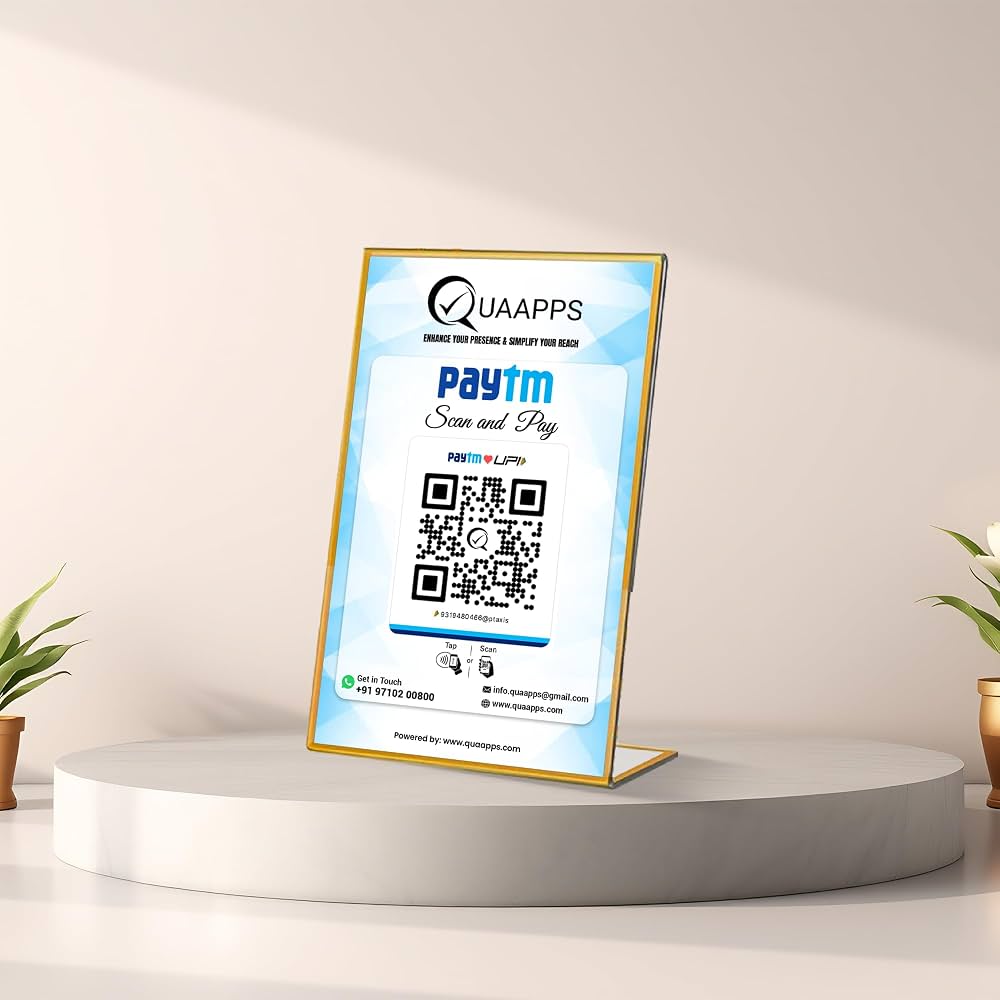
Compare providers based on settlement speed and fiat on-ramp capabilities. Ensure they support your local currency and offer direct bank transfers.
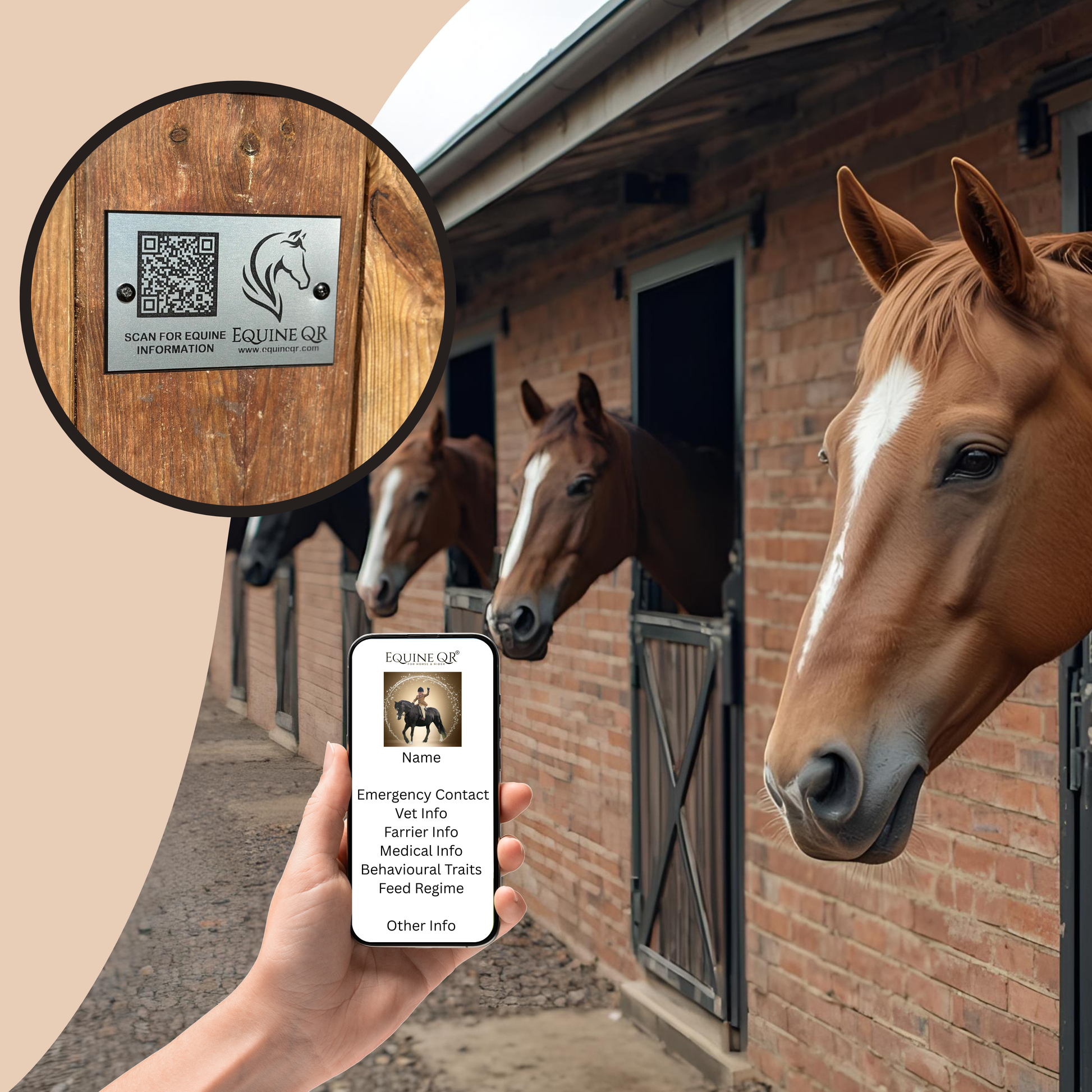
Link your business bank account to the processor. Generate your unique merchant QR code and download the merchant dashboard app.
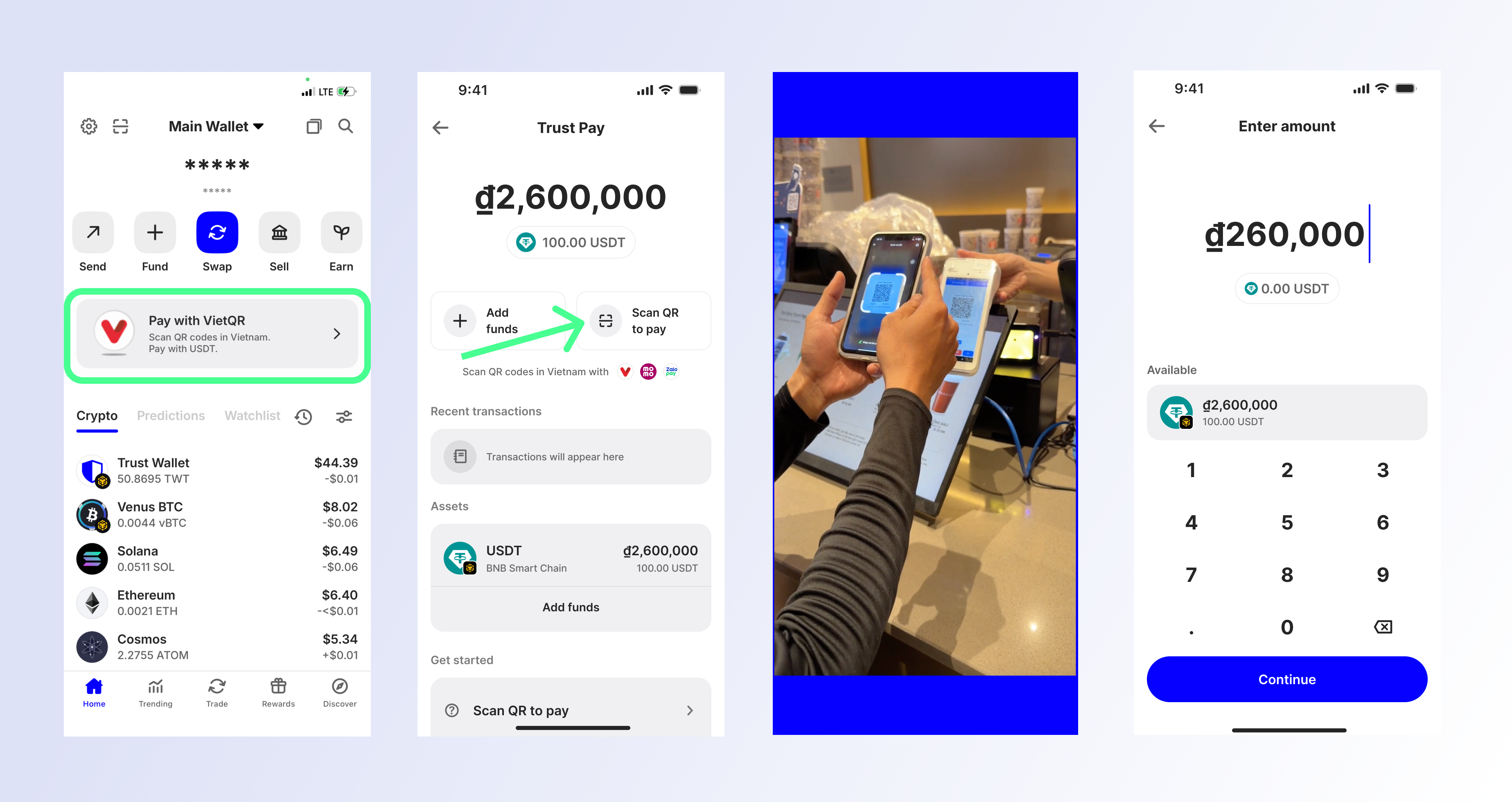
Place your QR code on counter stands or integrate it into your POS system. Ensure good lighting for customer scanners.
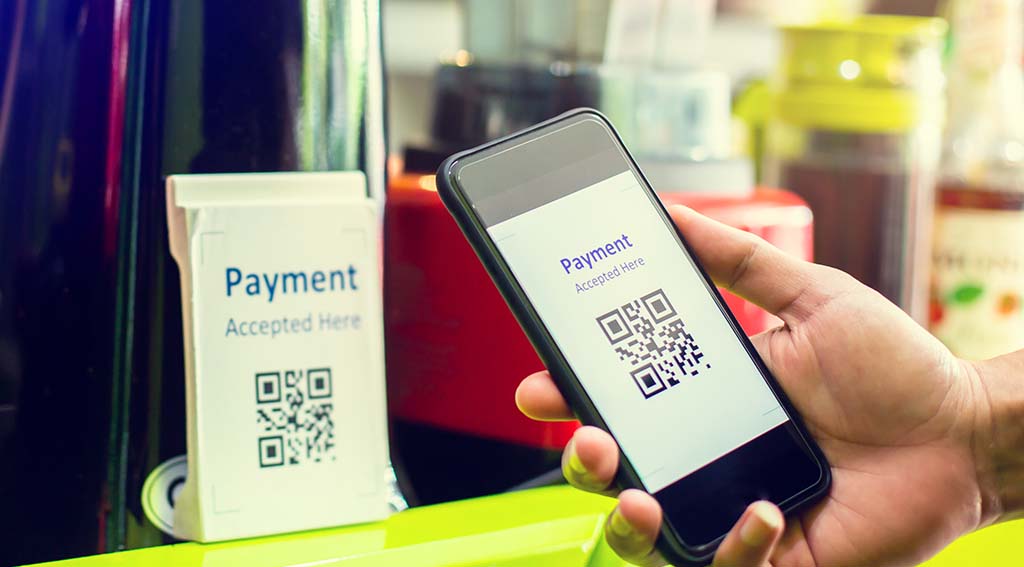
Execute small test transactions in both directions. Verify that the merchant app shows "settled" and that funds appear in your linked bank account.
Comparing settlement speeds and costs
The difference between traditional card processing and stable QR pay comes down to one variable: time. Credit card networks operate on a delayed settlement cycle, typically T+2, meaning funds are tied up for days. Stablecoin transactions settle in seconds, converting digital dollars into available cash almost instantly. This speed reduces friction for both the merchant and the customer.
Beyond speed, the cost structures diverge significantly. Card processors charge interchange fees that often range from 1.5% to 3.5% per transaction, plus fixed gateway fees. Stablecoin networks, particularly those optimized for low-cost transfers like Solana or Layer 2 Ethereum solutions, charge fractions of a cent. This efficiency allows small businesses to retain more revenue on every sale.
The table below contrasts these two payment methods across key operational metrics.
| Metric | Traditional Card Processing | Stable QR Pay |
|---|---|---|
| Settlement Time | T+2 (2 business days) | Seconds |
| Average Fee | 1.5% – 3.5% + fixed fee | < 0.5% (network dependent) |
| Cross-Border Capability | High fees, currency conversion delays | Native, instant, low cost |
| Chargeback Risk | High (up to 180 days) | Negligible (irreversible) |
| Cash Flow Impact | Delayed working capital | Immediate liquidity |
Navigating regulatory and security risks
Implementing stable QR pay introduces a complex web of compliance obligations that small businesses must navigate carefully. Unlike traditional card payments, stablecoin transactions often cross borders instantly, triggering anti-money laundering (AML) and know-your-customer (KYC) requirements that vary by jurisdiction. Merchants must ensure their payment processors are regulated and that they maintain adequate audit trails for every transaction.
Security is equally critical. While blockchain technology offers transparency, the irreversible nature of crypto transactions means errors or fraud can be costly. Merchants should prioritize platforms that offer real-time fraud detection and chargeback protection mechanisms where possible. Always verify that your payment gateway complies with local financial regulations to avoid legal penalties or frozen funds.
For businesses operating in markets like Thailand, where QR payment systems are expanding for tourists, staying updated on central bank guidelines is essential. The integration of QR codes with stablecoins represents a significant shift in payment infrastructure, offering speed and efficiency but demanding rigorous security hygiene. Merchants should consult with legal experts to ensure their operations align with current financial laws.
Adoption trends in Southeast Asia
Southeast Asia has emerged as the global epicenter for stable QR pay adoption, driven by high mobile penetration and a desire for instant, low-cost settlements. The region’s fragmented banking infrastructure made traditional cross-border payments difficult, creating a natural fit for stablecoin solutions that bypass legacy rails.
Vietnam leads this charge with widespread integration of VietQR codes. Merchants across the country now accept stablecoin payments for daily essentials, allowing users to settle transactions instantly without currency conversion delays or high fees. This grassroots adoption demonstrates how stable QR pay can function as a practical, everyday utility rather than just a speculative asset.
Thailand is following a similar trajectory, particularly targeting the tourism sector. The country has expanded its QR payment infrastructure to accommodate international travelers, enabling seamless payments at local stores using digital wallets. By focusing on tourists and cross-border commerce, Thailand is testing the waters for a broader baht-stablecoin integration that could redefine regional trade.
The momentum in these markets provides a blueprint for other emerging economies. As more merchants adopt stable QR codes, the network effect accelerates, making digital stablecoins a viable alternative to cash and traditional card payments. This shift is not just about technology; it is about financial inclusion and efficiency for millions of unbanked or underbanked individuals.
No comments yet. Be the first to share your thoughts!