Stable qr pay 2026 limits to account for
Use this section to make the The QR Pay Revolution decision easier to compare in real life, not just on paper. Start with the reader's actual constraint, then separate must-have requirements from details that are merely nice to have. A practical choice should survive normal use, maintenance, timing, and budget. If a recommendation only works in an ideal situation, call that out plainly and give the reader a fallback path.
The simplest way to use this section is to write down the must-have criteria first, then compare each option against those criteria before weighing nice-to-have features.
Stablecoin QR Pay Tradeoffs in 2026
Integrating stablecoins into QR payment networks promises instant cross-border settlement, but it introduces specific operational tradeoffs that merchants and consumers must weigh. The shift from traditional card rails to blockchain-backed QR codes changes the cost, speed, and risk profile of every transaction.
When evaluating this technology, focus on three concrete factors: settlement finality, currency volatility exposure, and regulatory compliance overhead. Unlike credit cards, which offer chargeback protections and delayed settlement windows, stablecoin QR payments settle on-chain in seconds. This speed eliminates counterparty risk but removes the safety net of dispute resolution for fraudulent transactions.
The following table compares the core tradeoffs between traditional card-based QR payments and stablecoin-integrated QR systems in 2026.
| Factor | Traditional Card QR | Stablecoin QR Pay |
|---|---|---|
| Settlement Time | 2-3 business days | Seconds to minutes |
| Cross-Border Fees | 3-5% + FX markup | 0.1-1% network gas |
| Chargeback Risk | High (consumer protection) | None (irreversible) |
| FX Volatility | Bank rate lock | Stablecoin peg risk |
| Regulatory Burden | Standard PCI-DSS | Travel Rule compliance |
Settlement speed is the primary advantage. Traditional QR systems often rely on legacy banking rails that delay merchant funding. Stablecoin QR payments settle directly on the blockchain, improving cash flow for businesses. However, this immediacy means merchants cannot reverse errors or fraud, requiring robust identity verification at the point of sale.
Currency risk also shifts. Traditional systems lock in exchange rates at the time of authorization, protecting both parties from short-term volatility. Stablecoin QR payments depend on the peg stability of the underlying asset. While stablecoins are designed to remain pegged to fiat currencies, de-pegging events or regulatory changes can introduce temporary volatility that merchants must hedge against.
Regulatory compliance is the most significant operational hurdle. Stablecoin QR transactions often trigger "Travel Rule" requirements, mandating the collection and transmission of sender and recipient data for transactions above certain thresholds. This adds complexity to the user experience compared to traditional card QR payments, which rely on existing merchant acquiring relationships.
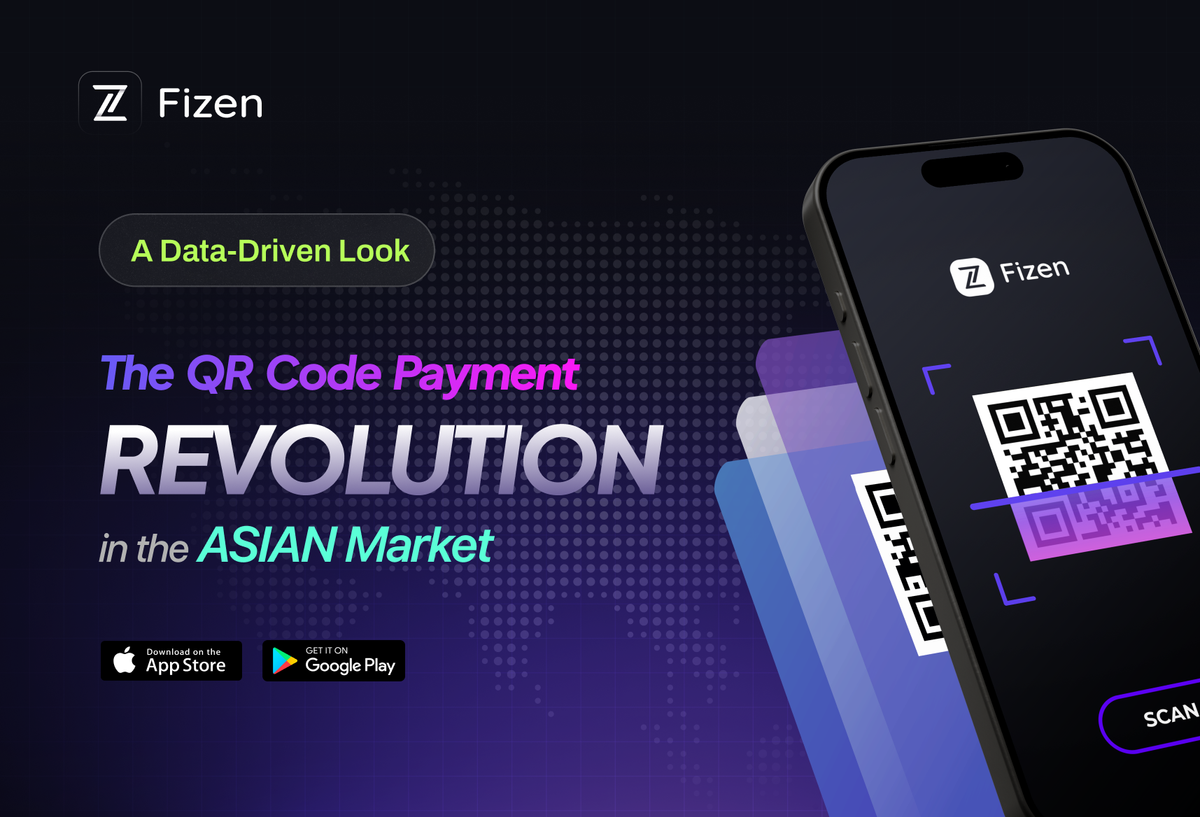
The market for these systems is expanding rapidly. Research indicates that QR code payment volume in leading Southeast Asian markets will grow significantly through 2028, driven by stablecoin integration. This growth reflects a broader shift toward instant, low-cost digital payments that bypass traditional banking infrastructure.
Choose the next step
The QR Pay Revolution works best as a clear sequence: define the constraint, compare the realistic options, test the tradeoff, and choose the path with the fewest hidden costs. That order keeps the advice usable instead of decorative. After each step, pause long enough to check whether the recommendation still fits the reader's actual situation. If it depends on perfect timing, unusual access, or a best-case budget, include a simpler fallback.

Spotting Weak QR Pay Options
Stablecoin integration promises speed, but the current market is crowded with misleading claims. Many platforms advertise "instant settlement" while relying on slow, non-optimized networks. This creates a false sense of security for cross-border transactions.
Common Mistakes and Fixes
- Ignoring Network Fees: Some providers hide fees in the exchange rate. Check the total cost, not just the headline rate.
- Overlooking Regulatory Limits: Many services impose low daily limits, making them useless for larger transactions. Verify limits before committing.
- Assuming Universal Acceptance: QR codes are not yet global. Confirm acceptance in both the sender and receiver countries.
Proof Checks
Before adopting, verify the provider's regulatory status. Look for clear documentation on how stablecoins are backed and settled. Avoid platforms that cannot provide transparent audit trails. This due diligence separates viable options from risky ventures.
Stable qr pay 2026: what to check next
Stablecoin QR payments merge mobile convenience with blockchain settlement. Below, we address the most common practical concerns about how these transactions function, their limits, and their limitations.
No comments yet. Be the first to share your thoughts!