Stable qr pay 2026 limits to account for
Stable QR pay 2026 faces a specific operational constraint: platform dependency. While the market for stablecoin-to-QR payments is projected to reach USD 19.81 billion this year, adoption relies entirely on individual wallet providers integrating specific payment rails. Users cannot simply scan any QR code with any crypto wallet; the feature exists only where the provider has established a partnership with a merchant network.
This fragmentation creates a unique friction point. If a wallet provider discontinues its QR payment service, users lose access to that spending channel overnight. For example, Trust Wallet temporarily disabled its QR payment feature in early 2026 due to changes with its payment provider. This highlights that stablecoin QR pay is not a universal standard but a bundled feature subject to third-party vendor decisions.
The tradeoff is clear. Stable QR pay offers immediate settlement without traditional banking delays, but it lacks the universal acceptance of Visa or Mastercard. Merchants must choose wallets that support their preferred stablecoin, and consumers must ensure their wallet app still supports the feature. Before relying on stable QR pay for cross-border e-commerce, verify that both the payer’s wallet and the merchant’s gateway are currently active on the same rail.
Stable qr pay 2026 choices that change the plan
Adopting stable QR payments in 2026 requires balancing speed against infrastructure costs and regulatory complexity. The market is projected to grow significantly, with Vietnam and Thailand leading adoption, but merchants must evaluate the concrete tradeoffs before integrating these rails. The decision hinges on transaction volume, target geography, and existing payment processor relationships.
Comparison of Payment Rails
Traditional cross-border methods often lag behind stable QR solutions in speed but may offer lower direct fees in specific high-volume contexts. The following table contrasts the primary operational differences.
| Feature | Traditional Wire/CC | Stable QR Pay | Direct Wallet Transfer |
|---|---|---|---|
| Settlement Time | 2-5 business days | Seconds to minutes | Seconds |
| Typical Fee Range | 1.5% - 3.5% + FX | 0.5% - 1.5% | Network gas fees |
| Regulatory Compliance | High (PCI/AML) | Medium (Provider-dependent) | Low (Self-custody) |
| Merchant Onboarding | Complex | Moderate | Simple |
Cost and speed choices that change the plan
Stable QR payments offer near-instant settlement, which improves cash flow for global e-commerce businesses. However, the cost structure varies by provider. While fees are generally lower than credit card processing, they are not always the cheapest option for every transaction size. Network congestion can occasionally increase gas fees for direct wallet transfers, making stable QR a more predictable alternative for mid-sized transactions.
Regulatory and Infrastructure Risks
The landscape is shifting rapidly. For instance, major wallets like Trust Wallet have temporarily discontinued QR payment features due to provider changes, highlighting the dependency on third-party infrastructure. Merchants must assess the stability of their payment providers. Regulatory frameworks, such as those being tested in Vietnam or planned in Thailand, may impose new requirements on stablecoin issuers and merchants, affecting long-term viability.
Geographic Acceptance
Adoption is not uniform. Southeast Asia, particularly Thailand and Vietnam, is expanding QR payment systems for tourists and locals. In contrast, Western markets may still rely heavily on traditional card networks. Merchants targeting global audiences should prioritize stable QR options in regions with high digital payment adoption.
How to choose the right stable QR pay setup
Stable QR pay works by converting digital dollars into a scannable code at the point of sale, bridging crypto wallets and traditional merchants. For global e-commerce, this eliminates currency conversion fees and settlement delays. However, the infrastructure is fragmented, and provider reliability varies. Use this framework to select the right integration based on your transaction volume, target markets, and risk tolerance.
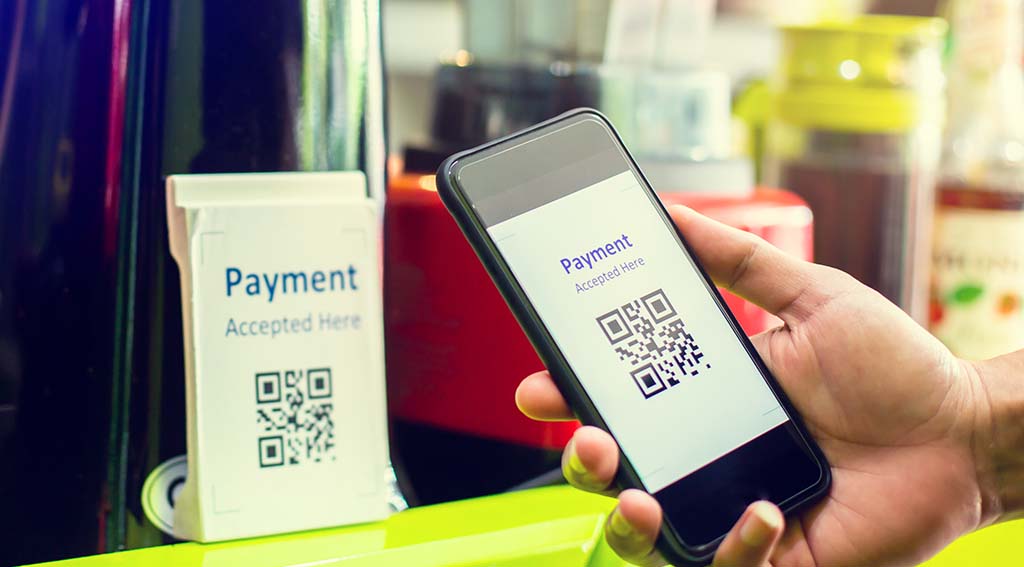
Regulatory status dictates which stablecoins you can accept. Markets like Vietnam and parts of Africa are actively testing stablecoin-to-fiat rails, while others ban crypto payments entirely. Check local central bank guidelines to ensure your chosen stablecoin (e.g., USDC, USDT) is permitted for consumer transactions. Non-compliance risks frozen funds and account termination.
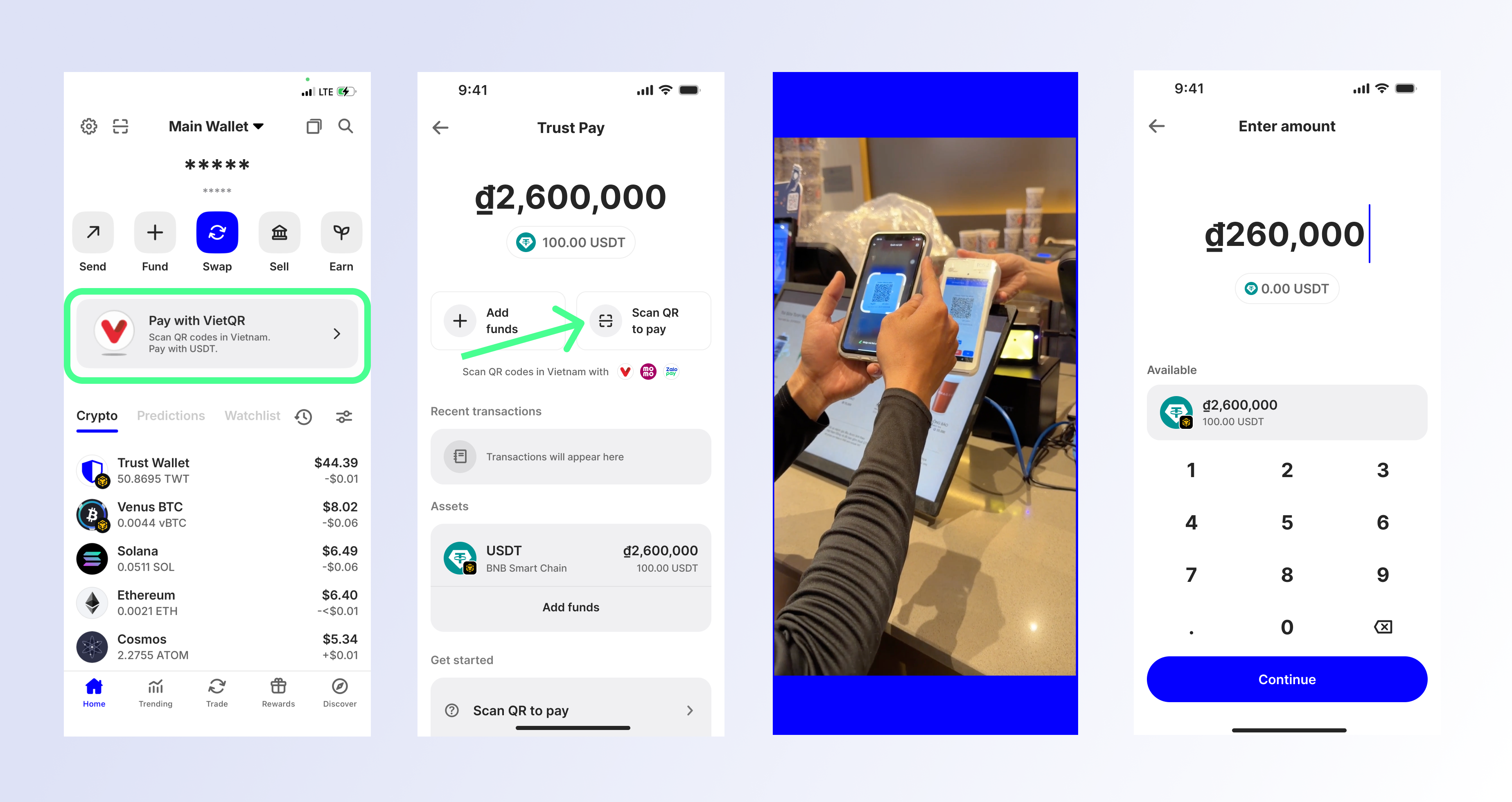
Provider stability is critical. Recent disruptions, such as Trust Wallet’s temporary QR payment discontinuation in early 2026, highlight the fragility of newer crypto-native integrations. Prefer providers with established banking partnerships or those integrated into existing payment gateways (like Stripe or Adyen) that have redundant infrastructure. Avoid experimental solo providers for high-volume stores.
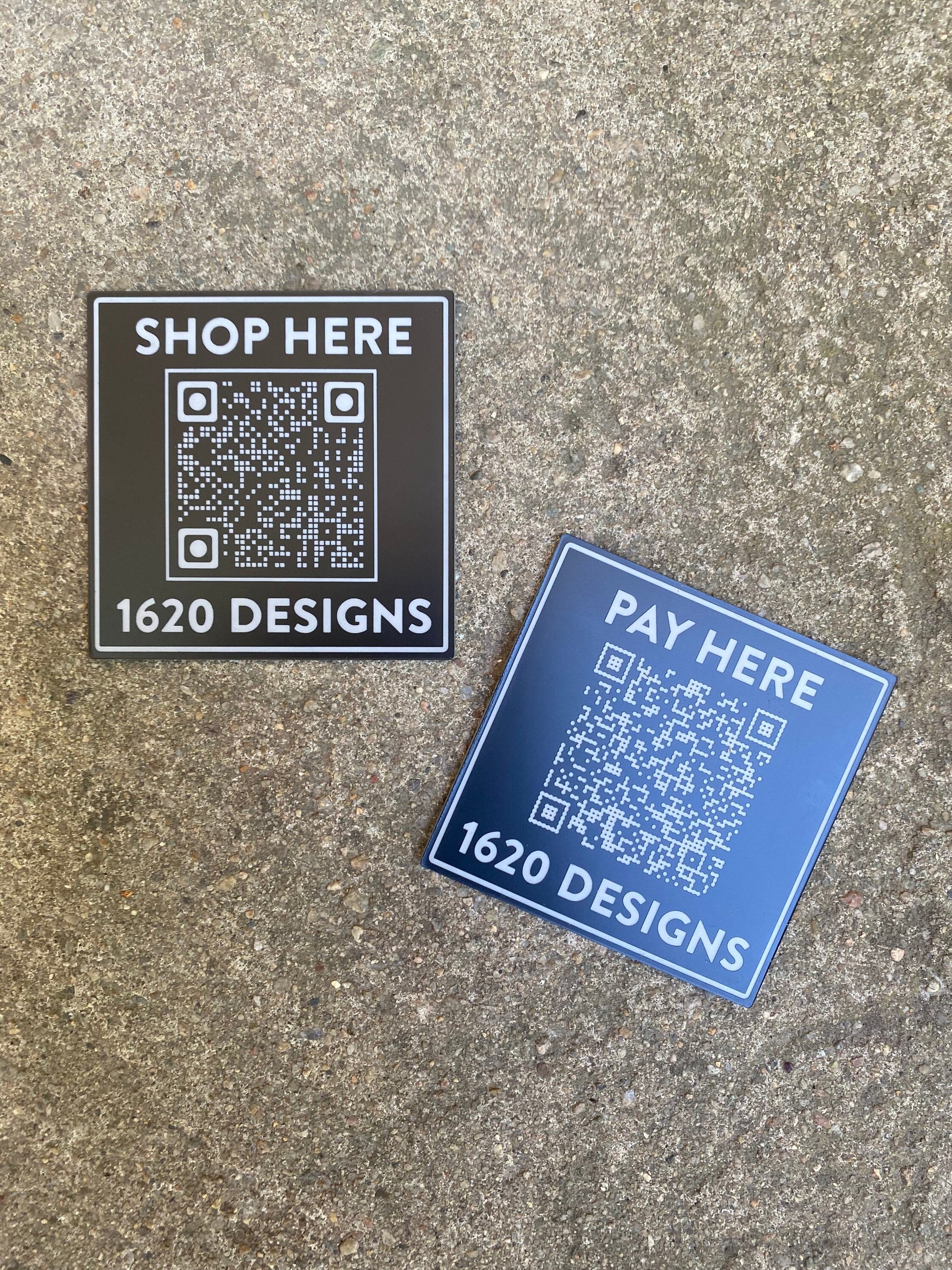
Compare fees beyond the headline percentage. Some providers charge 1-2% per transaction, while others offer flat fees for bulk settlements. Factor in withdrawal fees to fiat banks and network gas costs if settling directly on-chain. For cross-border e-commerce, the savings from avoiding traditional wire fees (often $15-50 per transaction) usually outweigh the 1-2% crypto processing fee.
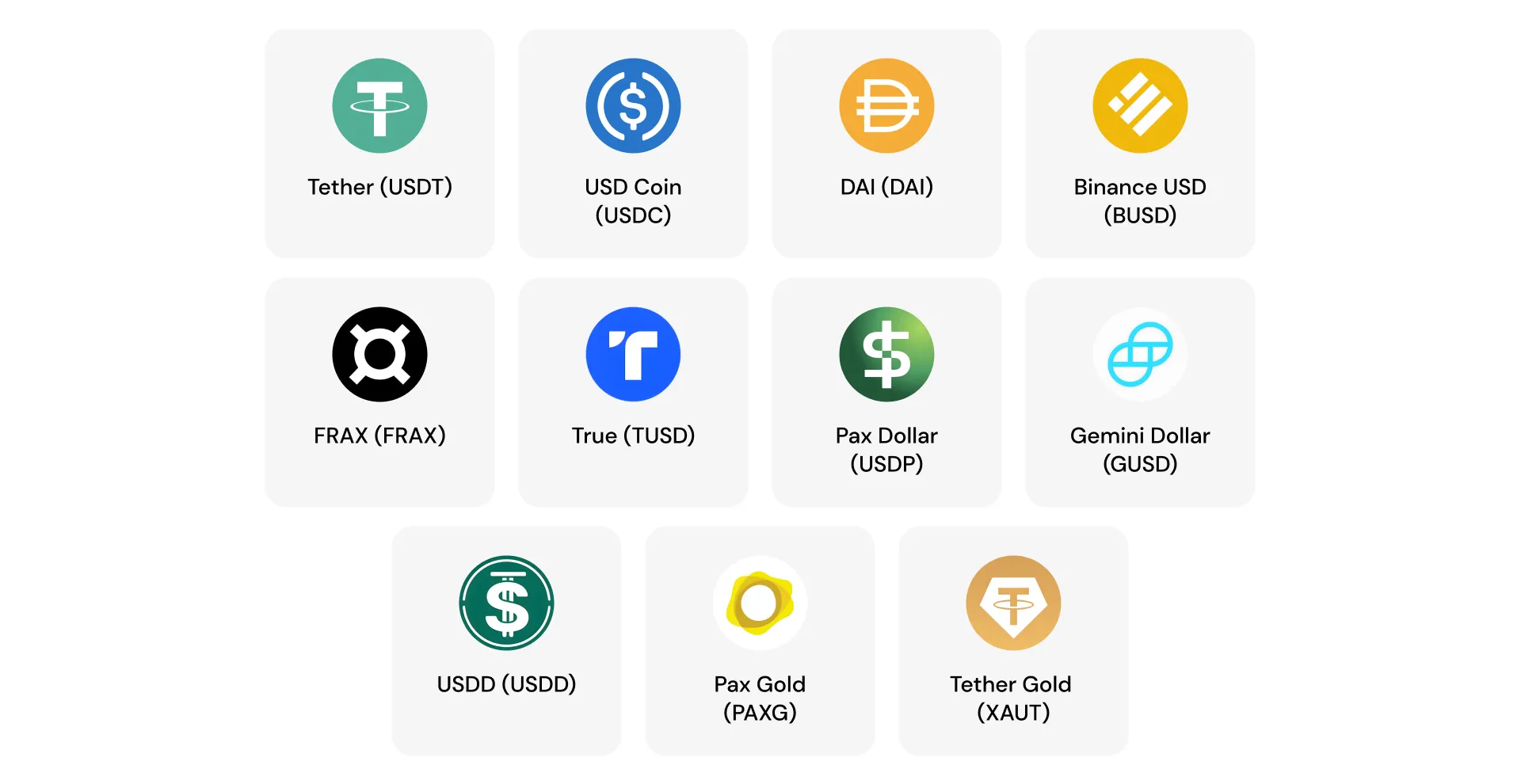
Seamless user experience drives adoption. The QR code should appear alongside credit card and PayPal options. Ensure your backend automatically converts stablecoin payments to fiat if you wish to avoid crypto volatility exposure. Test the flow on mobile devices, as most QR scans occur via smartphone cameras. Provide clear instructions for customers unfamiliar with crypto wallets.
| Use Case | Recommended Provider | Risk Level |
|---|---|---|
| High-volume global e-commerce | Established gateways (Stripe, Adyen) | Low |
| Niche crypto-first audience | Native crypto wallets (Trust Wallet, MetaMask) | Medium |
| Emerging market expansion | Local fintech partners | High |
Decision: For most global e-commerce businesses, the safest path is integrating stable QR pay through an existing payment gateway rather than a standalone crypto wallet. This approach leverages existing compliance frameworks and customer support, reducing operational friction while capturing the speed and cost benefits of stablecoin settlements.
Beware of weak or misleading stablecoin QR options
Stablecoin QR pay promises frictionless cross-border e-commerce, but the current landscape is fragmented and prone to misleading claims. Not every "QR payment" solution is built for global scale, and several popular options have quietly shuttered or imposed restrictive limits that break international workflows.
The QR Pay Reality Check
A common trap is assuming all QR codes are interoperable. Many legacy systems only support domestic fiat rails, meaning a merchant in one country cannot accept payments from a customer in another without expensive intermediary banking layers. True stablecoin QR pay requires a unified network that bridges wallets and merchants across borders without currency conversion delays.
Hidden Fees and Sudden Discontinuations
Some providers market "zero fees" but hide costs in spread or withdrawal limits. More critically, infrastructure is fragile. For example, major wallets have temporarily discontinued QR payment features due to provider changes, leaving merchants with unsupported codes and confused customers. Always verify the stability of the payment provider before integrating.
Limits That Break Global Sales
Low transaction limits are a silent killer for cross-border trade. If a platform caps QR transactions at $500, it is useless for high-value B2B e-commerce. Look for providers that support high-volume settlements on Layer 2 networks like Base or Polygon, which offer faster finality and lower costs than mainnet Ethereum.
How to Verify a Reliable Provider
Check if the provider supports major stablecoins like USDC and allows direct wallet-to-wallet transfers. Ensure the QR code generation is dynamic and supports real-time exchange rate updates. Avoid platforms that require KYC for every single small transaction, as this adds friction that defeats the purpose of instant cross-border pay.
Stable qr pay 2026: what to check next
Stablecoin QR payments are shifting from experimental pilots to standard e-commerce infrastructure. As traditional cross-border rails struggle with settlement delays, merchants are adopting direct crypto-to-fiat conversion to reduce friction. The following questions address the practical mechanics and limitations of this payment method in 2026.
No comments yet. Be the first to share your thoughts!