What stable QR pay looks like in 2026
Use this section to make the Stable QR Pay decision easier to compare in real life, not just on paper. Start with the reader's actual constraint, then separate must-have requirements from details that are merely nice to have. A practical choice should survive normal use, maintenance, timing, and budget. If a recommendation only works in an ideal situation, call that out plainly and give the reader a fallback path.
The simplest way to use this section is to write down the must-have criteria first, then compare each option against those criteria before weighing nice-to-have features.
Compare top hybrid payment gateways
Choosing the right infrastructure depends on your volume, target regions, and technical tolerance. The following comparison focuses on Stripe, 9Pay, and Eco, three providers that bridge traditional fiat rails with stablecoin settlement. Trust Wallet’s legacy merchant tools have largely been deprecated in favor of newer API-first solutions, so they are excluded from this direct comparison.
| Provider | Fees | Supported Stablecoins | Settlement | Key Regions |
|---|---|---|---|---|
| Stripe | 1.5% flat | USDC, USDT | Instant fiat payout | 70+ countries |
| 9Pay | ~0.5-1.0% | USDC, USDT, BUSD | T+1 or instant | Southeast Asia, LATAM |
| Eco | Variable (tiered) | USDC, DAI, USDT | Real-time crypto | Global, EU-focused |
Stripe remains the standard for global merchants who need a familiar interface. Its 1.5% flat fee is predictable, and it supports USDC and USDT across 70+ countries. The primary advantage is immediate fiat settlement, which removes volatility risk for merchants who do not want to hold crypto on their balance sheet.
9Pay is optimized for high-volume transaction markets in Southeast Asia and Latin America. Its lower fee structure (often 0.5-1.0%) makes it competitive for small-ticket QR payments. It supports a broader range of stablecoins, including BUSD, which is still relevant in certain emerging markets where Binance ecosystem adoption is high.
Eco provides a more decentralized infrastructure, appealing to merchants who want to retain control over their funds. While its fee structure is more complex and tiered, it offers real-time crypto settlement and supports DAI, which is preferred by privacy-conscious users. Eco is particularly strong in the EU market due to its compliance with MiCA regulations.
When selecting a gateway, prioritize settlement speed and regional availability over minor fee differences. For most global businesses, Stripe offers the lowest friction. For regional dominance in Asia or LATAM, 9Pay provides better margins. For full crypto-native control, Eco is the superior choice.
Set up stablecoin QR acceptance
Stable QR Pay works best as a sequence, not a scramble through settings. Do the minimum first: confirm compatibility, connect the core hardware, update only when needed, and test the result before adding optional features. That order keeps the task understandable and makes failures easier to isolate. After each step, pause long enough for the interface to finish syncing. Many setup problems are timing problems disguised as configuration problems. If the same step fails twice, record the exact error, restart the smallest affected piece, and retry before moving deeper.



Cross-border use cases and limits
Stable QR pay removes the friction of foreign exchange for travelers. Instead of waiting for bank transfers or paying high card network fees, tourists can scan a merchant’s QR code to pay in USDC or USDT. The merchant’s payment processor handles the settlement, often converting the stablecoin to local fiat instantly. This makes stable QR pay ideal for high-volume, low-value transactions like street food, taxis, and small souvenirs.
Thailand and Vietnam are leading this adoption. Thailand has expanded its QR payment infrastructure specifically for tourists, allowing visitors to pay with supported digital wallets. The country is also exploring a baht-pegged stablecoin to further streamline these cross-border flows. Similarly, Vietnam’s growing digital economy relies heavily on QR codes, creating a natural fit for stablecoin integration.
However, transaction limits still apply. While crypto networks allow for large transfers, local regulations and payment processors impose caps to prevent fraud and comply with anti-money laundering (AML) rules. These limits vary by provider and jurisdiction. For most tourists, standard daily limits are sufficient for everyday spending, but larger purchases may require traditional banking channels or multi-step verification.
The key advantage is speed and cost. A stablecoin transaction settles in seconds, not days. Fees are typically a fraction of a percent, compared to the 2-3% foreign transaction fees charged by credit cards. This makes stable QR pay a practical alternative for both consumers and merchants in cross-border scenarios.
Final checklist for hybrid adoption
Before going live with stable QR pay, verify your technical and compliance foundations. Use this sequence to ensure a smooth launch.
- Confirm gateway support: Ensure your payment processor (e.g., Stripe) accepts stablecoins and supports QR settlement in your region.
- Test the scan flow: Run a live transaction to verify QR generation, customer scanning, and fiat conversion accuracy.
- Check regulatory compliance: Confirm your stablecoin holdings meet local AML/KYC requirements and reporting standards.
- Train staff: Teach employees how to handle refunds, failed scans, and customer questions about crypto payments.
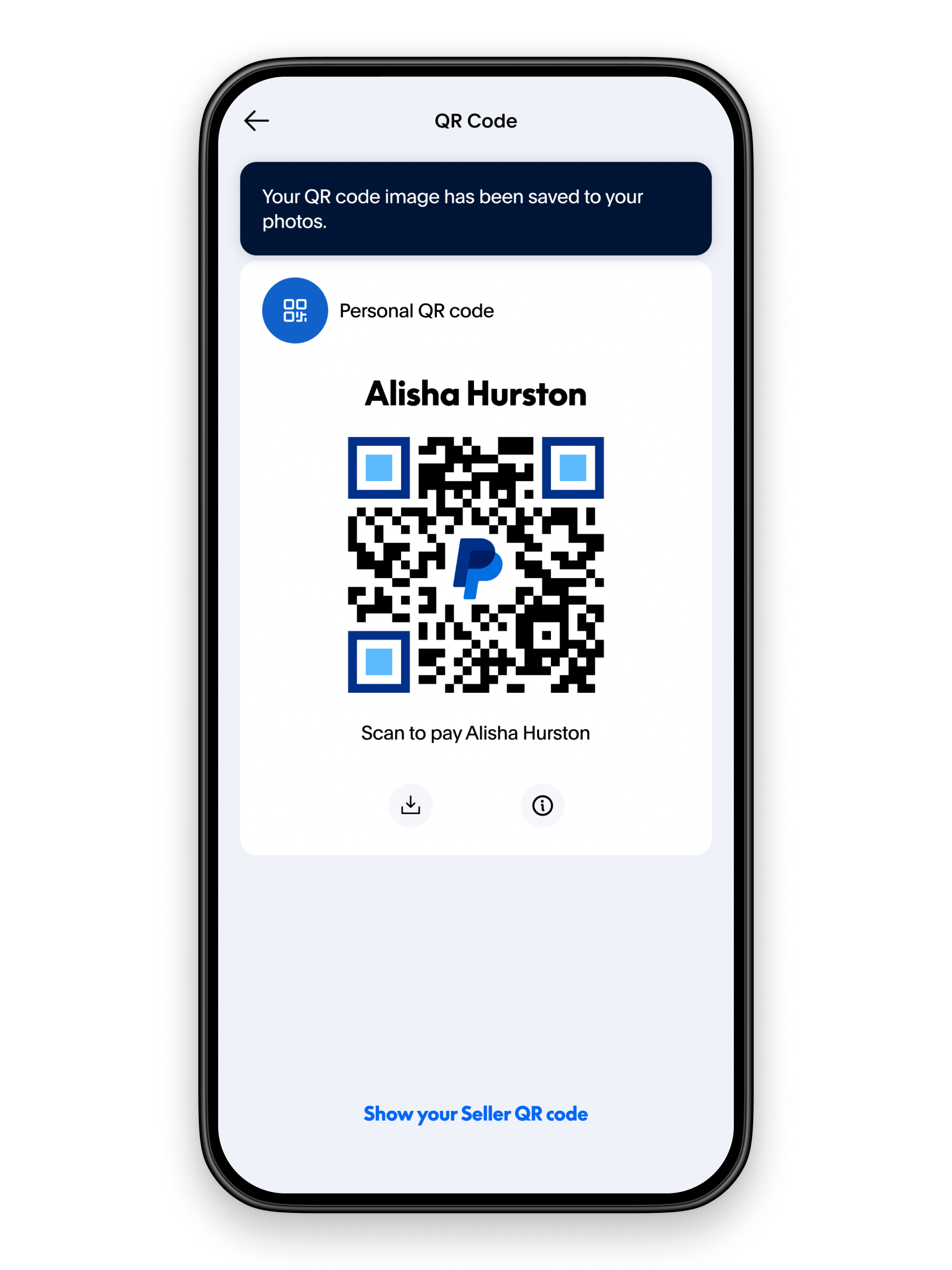
TL;DR: Stable QR pay adoption requires verifying gateway support, testing the scan flow, ensuring regulatory compliance, and training staff.
No comments yet. Be the first to share your thoughts!