The 2026 stablecoin payment infrastructure
The transition from speculative digital assets to regulated enterprise payment rails is no longer theoretical. It is being built now, driven by legislative clarity and institutional adoption. By 2026, stablecoins have earned their own dedicated track within global finance, moving from the periphery of crypto exchanges to the core of traditional settlement systems.
This shift is anchored by new legislation supporting the use of stablecoins in payments, which has materially reduced market friction and increased utility. The International Monetary Fund’s 2026 analysis highlights how regulatory frameworks are stabilizing the sector, turning volatility into predictable, programmable money. This is not just about faster transactions; it is about creating a compliant infrastructure that banks and merchants can trust.
The industry’s focus has shifted from price appreciation to payment volume and settlement efficiency. Events like Smarter Faster Payments 2026 in San Diego now feature dedicated stablecoin tracks, signaling that the gap between digital payments and traditional banking rails is closing. The infrastructure is ready. The question is no longer if stablecoins will be part of the payment standard, but how quickly enterprises will integrate them.
How QR codes enable instant checkout
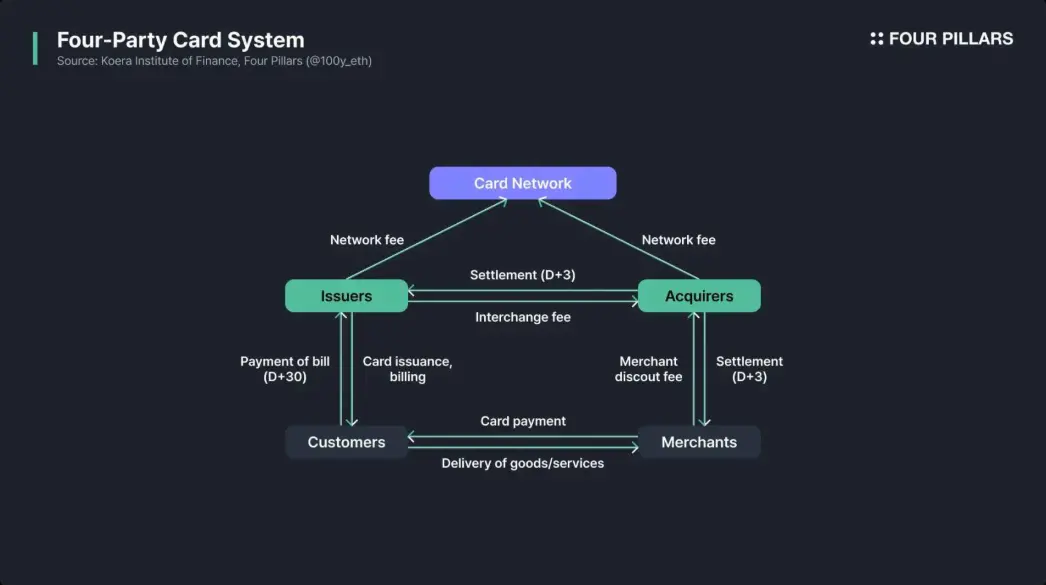
The transition from legacy card rails to stablecoin settlements hinges on the QR code as a secure, machine-readable instruction set. When a consumer scans a merchant’s QR code, they are not merely viewing a URL; they are triggering a specific transaction payload. This payload contains the destination wallet address, the asset type (typically USDC or USDT), and the exact amount. Unlike traditional point-of-sale systems that route data through Visa or Mastercard networks for authorization, this digital handshake connects directly to the underlying blockchain. The result is a direct peer-to-peer transfer that bypasses intermediaries entirely.
This architectural shift eliminates the multi-day settlement lag inherent in fiat banking. In a standard card transaction, funds may be authorized instantly but settle in 24-48 hours, during which time the merchant carries risk and the customer’s capital is temporarily locked. Stablecoin QR payments settle in seconds. As noted by SQRIL, which has expanded stablecoin-to-QR payments into Central Asia, this direct connection to digital asset networks can reduce transaction costs to under 1% for users, compared to the 1.5% + interchange fees common in traditional processing [src-serp-3].
The reliability of this system depends on the stability of the asset. Stablecoins are pegged to fiat currencies, usually the US dollar, ensuring that the value scanned at the point of sale remains constant through settlement. Stripe’s 2026 stablecoin payment infrastructure exemplifies this integration, accepting stablecoin payments from customers in over 70 countries [src-serp-2]. The merchant receives the full digital dollar (minus the minimal network fee), while the consumer avoids the currency conversion spreads and foreign transaction fees associated with cross-border card payments. The QR code acts as the universal translator, allowing any compatible digital wallet to initiate a payment that is as fast as scanning a ticket, but as final as handing over cash.
Major platforms driving merchant adoption
Use this section to make the Stablecoin QR Payments decision easier to compare in real life, not just on paper. Start with the reader's actual constraint, then separate must-have requirements from details that are merely nice to have. A practical choice should survive normal use, maintenance, timing, and budget. If a recommendation only works in an ideal situation, call that out plainly and give the reader a fallback path.
| Factor | What to check | Why it matters |
|---|---|---|
| Fit | Match the option to the primary use case. | A good deal still fails if it does not fit the job. |
| Condition | Verify age, wear, and service history. | Hidden condition issues erase upfront savings. |
| Cost | Compare purchase price with likely upkeep. | The cheapest option is not always the lowest-cost option. |
Regulatory clarity and market trust
The friction that once kept traditional financial institutions on the sidelines has largely evaporated. In 2026, the passage of clear U.S. legislation regarding stablecoin usage in payments provided the regulatory certainty banks and payment processors had been waiting for. This legal framework did not just permit stablecoins; it integrated them into the existing financial architecture, allowing institutions to handle digital assets with the same compliance rigor applied to fiat currencies.
According to the International Monetary Fund, this legislative shift directly reduced market friction, enabling a surge in institutional adoption. Banks can now settle cross-border transactions using tokenized liquidity without fearing sudden regulatory backlash. This stability has transformed stablecoins from a speculative niche into a foundational element of global payment infrastructure, particularly for high-volume, low-margin transactions where speed and cost efficiency are paramount.
Trust in the system now stems from this regulatory backbone. When payments are backed by clear legal standards, the risk of counterparty failure or asset seizure diminishes significantly. This environment has encouraged major payment networks to build stablecoin rails directly into their existing QR code infrastructure, ensuring that merchants and consumers benefit from instant settlement without the volatility associated with traditional cryptocurrencies.
Frequently asked questions about stablecoin QR payments
Will cash be replaced by digital currency? Cash is being displaced by digital rails, but total replacement is unlikely in the near term. Stablecoin QR payments offer a faster, cheaper alternative for cross-border and domestic transactions, yet physical currency remains a critical backup for power outages and network failures. The shift is toward a hybrid system where digital payments dominate daily commerce while cash serves as a reserve asset.
What are stablecoin payments? Stablecoin payments involve transferring tokens pegged to a fiat currency, such as the US dollar, on a blockchain network. Unlike volatile cryptocurrencies, these tokens maintain a 1:1 value ratio with the underlying asset, providing price stability for merchants and consumers. When processed via QR codes, the transaction settles on-chain, often offering faster finality than traditional bank transfers [Stripe, 2026].
Can I use a QR code to make a crypto payment? Yes, QR codes serve as the interface for initiating stablecoin transactions. A merchant displays a QR code containing their wallet address and transaction details, which a consumer scans using a compatible digital wallet. This method simplifies the user experience by abstracting complex wallet addresses into a scannable image, enabling seamless peer-to-peer and business-to-consumer payments [Toralba].
Will stablecoin replace USD? Stablecoins do not replace the US dollar; they digitize it. Most major stablecoins are backed by US Treasury bills and cash reserves, effectively extending the reach of the dollar into the digital economy. They allow the USD to settle instantly on global blockchain networks, enhancing its utility without altering its fundamental value or monetary policy.
No comments yet. Be the first to share your thoughts!