Stable QR Pay 2026: Limits and Comparison
Stable QR Pay is shifting from experimental wallets to regulated rails. The move from crypto volatility to tokenized fiat or stablecoins removes price risk while keeping settlement speed. This guide compares the practical limits, acceptance, and mechanics of these systems to help you choose a reliable payment method.
How Stable QR Pay Works and Its Limits
How does QR pay work?
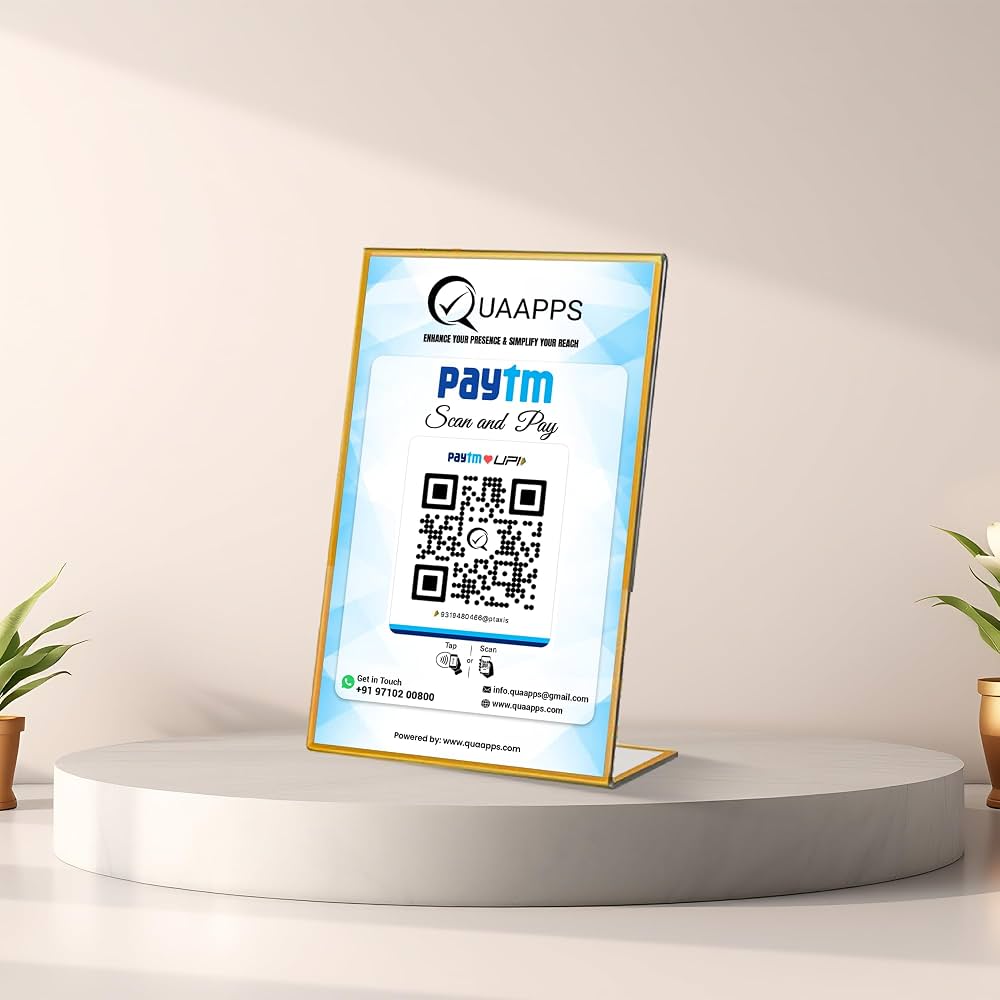
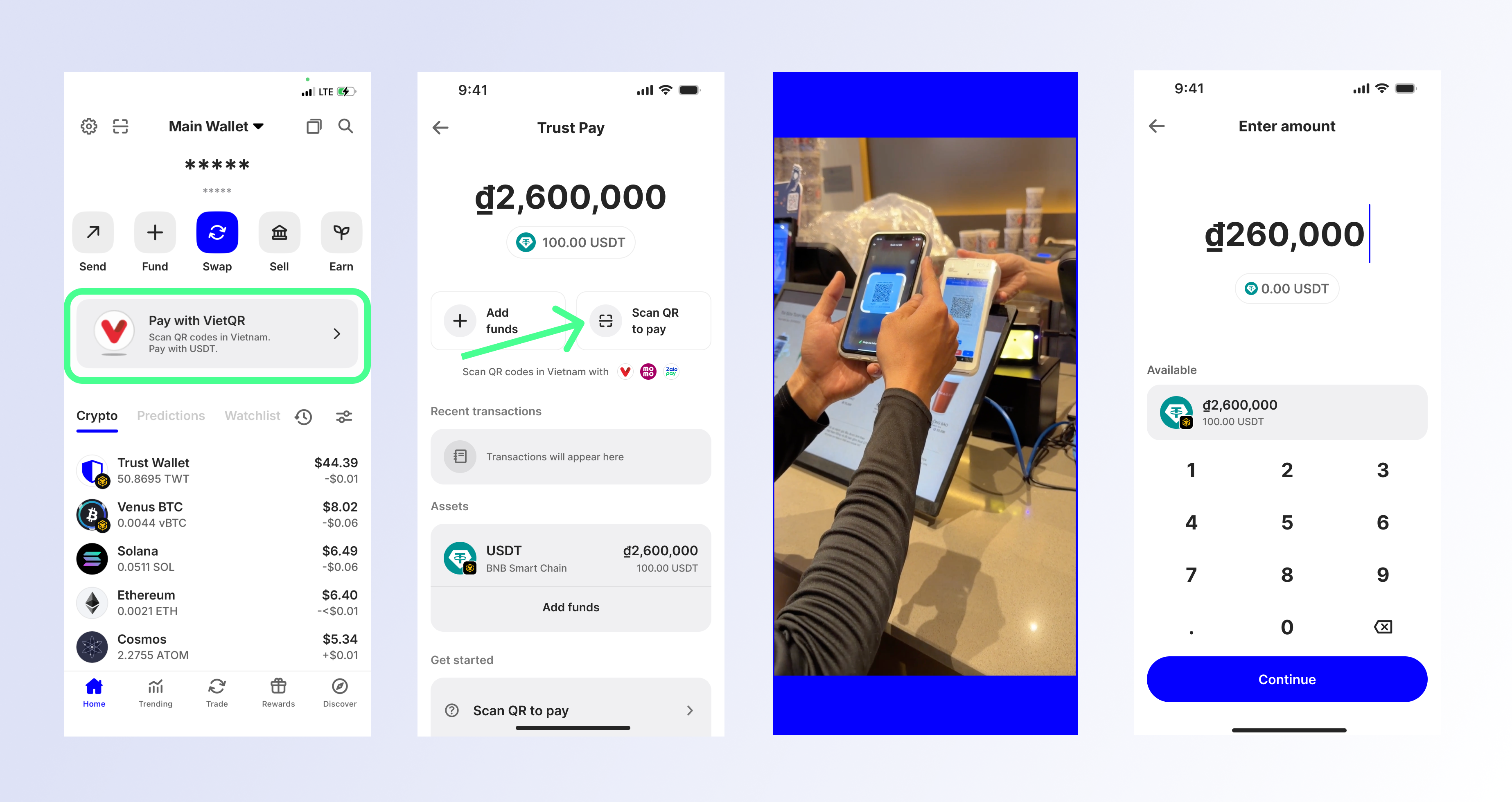
You scan a merchant’s QR code with a wallet or banking app. The app sends a payment instruction to a stablecoin or tokenized fiat network. The network settles the transaction on-chain or via a central ledger, confirming the payment instantly to both parties. Unlike traditional cards, this process often bypasses multiple intermediaries, reducing friction.
What is the limit for QR pay?
Limits depend on the provider and local regulations. Most wallets cap daily QR transactions between $500 and $5,000 for unverified users. Verified accounts often see limits rise to $10,000 or more. Merchants may set their own per-transaction caps to manage chargeback risks. For high-volume businesses, integrating a dedicated QR payment gateway with higher limits is recommended.
Which countries are using QR code payments?
Adoption is widespread in Asia, with Vietnam, India, and Singapore leading in cross-border and domestic QR integration. Europe is catching up through the SEPA Instant framework. The US recently adopted a new X9 standard in mid-2026 to harmonize domestic QR payments, though adoption is still in early stages compared to Asia. These standards aim to ensure interoperability between different banking apps and wallets.
Who accepts QR code payments?
Major acceptance includes retail chains, transit systems, and street vendors in high-adoption markets. In the US, acceptance is growing among small businesses using POS systems that support the new X9 standard or integrated stablecoin wallets. Large merchants often accept QR as an alternative to card swipes, not a replacement. Always check with local merchants or their POS provider to confirm support.
Evaluating Stability and Risk in QR Payments
The shift from crypto to tokenized fiat QR pay is real, but the market is full of misleading claims. Some providers promise instant global settlement while relying on legacy banking rails that take days to clear. Others advertise "stablecoin" payments that are actually just fiat pegged to volatile assets. Before committing, merchants and governments need to separate the hype from the mechanics.
The "Stablecoin" Misconception
Not all QR payments are created equal. A common mistake is assuming that any QR code linked to a digital asset is a stablecoin solution. Many providers use fiat-pegged tokens that sit in custodial wallets, exposing users to counterparty risk. True tokenized fiat, like the models being tested in Vietnam, operates under strict regulatory frameworks. This distinction matters for compliance and consumer protection. Always check if the underlying asset is fully backed and regulated, not just marketed as stable.
Hidden Fees and Settlement Delays
Another weak option is the lack of transparency in settlement times. While the QR scan is instant, the money might not reach the merchant’s bank account until T+2 or T+3. Some providers hide these costs in foreign exchange spreads or monthly platform fees. Compare the effective cost of capital against traditional card networks. If the settlement delay is longer than three days, the liquidity burden falls on the merchant, negating the speed advantage of QR payments.
Regulatory Arbitrage Risks
Some platforms operate in regulatory gray zones, claiming compliance while avoiding local licensing. This creates risk for governments and merchants alike. If a provider loses its license or faces sanctions, funds can be frozen. Look for providers that are licensed in the jurisdictions where they operate. Avoid platforms that rely on offshore entities with no local oversight. The cost of switching providers later is far higher than the initial convenience.
Decision Guide: Choosing a QR Pay Solution
When evaluating QR pay options, focus on three criteria: settlement speed, regulatory clarity, and fee structure. Tokenized fiat offers the best balance of speed and compliance. Crypto QR payments remain niche and risky for mainstream adoption. Stick to providers with clear, audited reserves and local banking partnerships. This approach minimizes risk and maximizes the reliability of your payment infrastructure.
No comments yet. Be the first to share your thoughts!