Market Size and Settlement Speed
The stablecoin market has reached a scale that demands serious attention from merchants and financial institutions. As of January 14, 2026, the collective market capitalization stood at over $300 billion, reflecting a year-over-year increase of approximately 55% [src-serp-4]. This growth signals a shift from speculative trading to utilitarian settlement, particularly as projections suggest stablecoins could represent 3% of all US dollar payments in 2026, rising to 10% by 2031 [src-serp-5].
The immediate advantage of this shift lies in settlement speed. Traditional card rails operate on a T+1 or T+2 cycle, meaning funds are locked for days before reaching a merchant's account. On-chain stablecoin transactions settle in seconds or minutes, regardless of the day or time. This immediacy reduces float risk and improves cash flow predictability for businesses of all sizes.
The visual stability of major stablecoins like USDC reinforces their viability for daily commerce. The following chart illustrates the consistent market behavior and volume that underpin this reliability.
This combination of massive market depth and instant finality creates a compelling alternative to legacy payment processors, especially for cross-border and high-volume merchant settlements.
QR codes replace card terminals
The physical infrastructure for accepting stablecoin payments is shifting rapidly from proprietary card terminals to QR codes. This transition is not merely a change in interface; it is a fundamental reduction in friction and cost for merchants. By leveraging existing smartphone cameras and widely available QR scanners, merchants can bypass the expensive hardware leases and maintenance contracts associated with traditional point-of-sale (POS) systems.
The economic advantage is immediate. Traditional card processing networks impose interchange fees, assessment fees, and gateway costs that often total 2-3% per transaction. Stablecoin payments via QR codes, particularly on low-fee networks like Solana or Polygon, reduce these costs to fractions of a cent. As noted in industry utility reports, lower fees remain the primary driver for merchant adoption, with 30% of users citing cost savings as the main benefit of switching to stablecoin payments [[src-serp-1]].
| Feature | Traditional Card Terminal | QR Stablecoin Payment |
|---|---|---|
| Hardware Cost | High (Lease/Purchase) | Low (Smartphone/Scanner) |
| Transaction Fee | 1.5% - 3.5% | < 0.1% |
| Settlement Time | 1-3 Business Days | Seconds to Minutes |
| Offline Capability | Limited (Store-and-forward) | High (Cached QR generation) |
Beyond cost, QR codes offer superior offline capability. Unlike card terminals that require a constant, stable internet connection to authorize transactions with central banks or card networks, QR-based stablecoin systems can operate in low-connectivity environments. The merchant’s device can generate a QR code, and the customer can sign the transaction locally, syncing with the blockchain once connectivity is restored. This resilience is critical for merchants in regions with unstable infrastructure or during network outages.
Major payment processors are already adapting. Stripe, for instance, now accepts stablecoin payments from customers in over 70 countries, settling funds in USDC on networks like Solana, Ethereum, or Polygon, and paying merchants out in stablecoins or fiat [[src-serp-8]]. This integration allows merchants to retain the convenience of QR scanning while benefiting from the speed and low cost of blockchain settlement.
Regulatory clarity under the Genius Act
The passage of the Genius Act in July 2025 fundamentally altered the legal landscape for digital payments, providing the stability merchants have waited years for. By establishing a clear federal framework for payment stablecoins, the legislation removed the regulatory ambiguity that previously deterred large-scale merchant adoption. This clarity is not merely procedural; it defines the legal boundaries for reserve requirements, redemption rights, and operational compliance, creating a safe harbor for businesses integrating QR code settlements.
The market reaction to this legislative shift was immediate and significant. According to research from the International Monetary Fund, the enactment of U.S. legislation supporting stablecoin payments reduced the market value of listed incumbent payment firms by approximately 18%, or roughly $300 billion. This capital reallocation signals institutional confidence that the new rules will enable stablecoins to capture meaningful share in the merchant settlement space, particularly for cross-border and high-volume transactions.
Federal Reserve analysis further underscores the structural changes brought by the Act. The law’s definitions of eligible reserves and operational standards address long-standing concerns about monetary policy implications and systemic risk. For merchants, this means that stablecoin transactions are no longer operating in a legal gray area but are governed by specific federal guidelines that align with traditional banking standards. This alignment is essential for mainstream adoption, as it allows businesses to integrate stablecoin payments into existing accounting and compliance frameworks without fearing sudden regulatory reversals.
The Genius Act effectively bridges the gap between digital asset innovation and traditional financial oversight. By providing legal certainty, it encourages both fintech innovators and established payment processors to build infrastructure that supports stablecoin QR settlements. This regulatory foundation is the prerequisite for the widespread merchant adoption seen in 2026, transforming stablecoins from speculative assets into practical tools for daily commerce.
Stripe and infrastructure integration
Major payment processors are now embedding stablecoin rails directly into merchant settlement flows. Stripe supports stablecoin payments from customers across more than 70 countries, allowing merchants to accept digital currency without managing private keys or complex wallet infrastructure. The processor settles transactions in USDC on Solana, Ethereum, or Polygon, then converts or holds the funds according to the merchant’s configuration before paying out in fiat or stablecoin to their bank account.
This integration removes the primary friction point for adoption: the gap between customer payment and merchant liquidity. By handling the conversion and settlement layer, Stripe enables businesses to operate with the speed of blockchain transactions while retaining the predictability of traditional banking. Merchants no longer need to navigate volatile crypto markets or manage separate accounting ledgers for digital assets.
The broader industry is following suit, with industry events like Smarter Faster Payments 2026 dedicating specific tracks to stablecoin infrastructure. This signals a shift from experimental adoption to standardized integration, where stablecoins are treated as a foundational payment rail rather than a speculative asset. For merchants, this means lower transaction fees, instant settlement times, and access to a global customer base without the barriers of cross-border banking.
Merchant adoption checklist
Adopting stablecoin QR payments requires aligning technical infrastructure with the new regulatory landscape established by the 2025 Genius Act. Merchants must move beyond speculation and focus on operational readiness, ensuring their settlement flows comply with federal reserve standards and payment processor requirements.
Confirm your jurisdiction accepts payment stablecoins under the Genius Act framework. Ensure your business entity is registered with relevant financial authorities to avoid settlement freezes or legal penalties during the transition.

Choose a payment gateway that supports real-time stablecoin QR scanning. Prioritize providers that offer automatic fiat conversion to mitigate volatility risk, ensuring your revenue matches your accounting ledger regardless of token fluctuations.
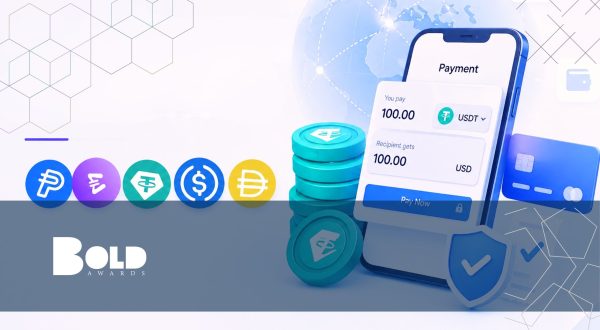
Run sandbox transactions using major stablecoins like USDC. Validate that the QR code generation, customer wallet scanning, and confirmation timestamps work seamlessly across different devices before going live with real funds.
Set your treasury policy: hold stablecoins for lower fees or convert immediately to fiat. Update your accounting software to recognize blockchain transactions as valid payment receipts, aligning with the new industry standards.
Common questions about stablecoin payments
Stablecoin payments are digital transactions using tokens pegged to fiat currencies, typically the US dollar. Unlike volatile cryptocurrencies, these assets maintain a 1:1 value ratio, allowing merchants to settle invoices instantly without exposure to price swings. This stability is what enables their use in everyday commerce, from small retail purchases to large B2B settlements.
Market projections suggest significant expansion. Industry analysis from Fintech Weekly estimates stablecoins could represent 3% of all US dollar payments in 2026, rising to 10% by 2031. This growth is driven by regulatory clarity and the integration of stablecoin rails into major payment processor infrastructure.
The term "Trump" is not a stablecoin. Confusion sometimes arises from political discourse surrounding digital asset regulation or specific project names, but no major stablecoin is named after the former president. Stablecoins are financial instruments issued by regulated entities, not political symbols.
Stablecoins will not replace dollars. They are digital representations of the dollar, operating on blockchain networks. The underlying asset remains the fiat currency, held in reserve by the issuer. Stablecoins provide a faster, cheaper settlement layer for the existing monetary system rather than replacing the currency itself.
No comments yet. Be the first to share your thoughts!