How stable QR pay works
Stable QR Pay removes the friction of cross-border commerce by decoupling the customer's payment currency from the merchant's settlement currency. Instead of routing transactions through traditional banking networks that apply foreign exchange (FX) spreads, Stable QR Pay uses stablecoins as an intermediate bridge. This mechanism allows a customer to pay in their local digital currency while the merchant receives fiat in their domestic bank account, effectively eliminating the need for manual currency conversion.
The process relies on a payment gateway to handle the currency swap in real time. When a customer scans a QR code, the gateway locks in the exchange rate and settles the transaction using stablecoins, such as USDC. Merchants receive their funds in local fiat instantly, while remaining fully self-custodial of their digital assets during the process. This infrastructure ensures that price volatility does not impact the final settlement amount.
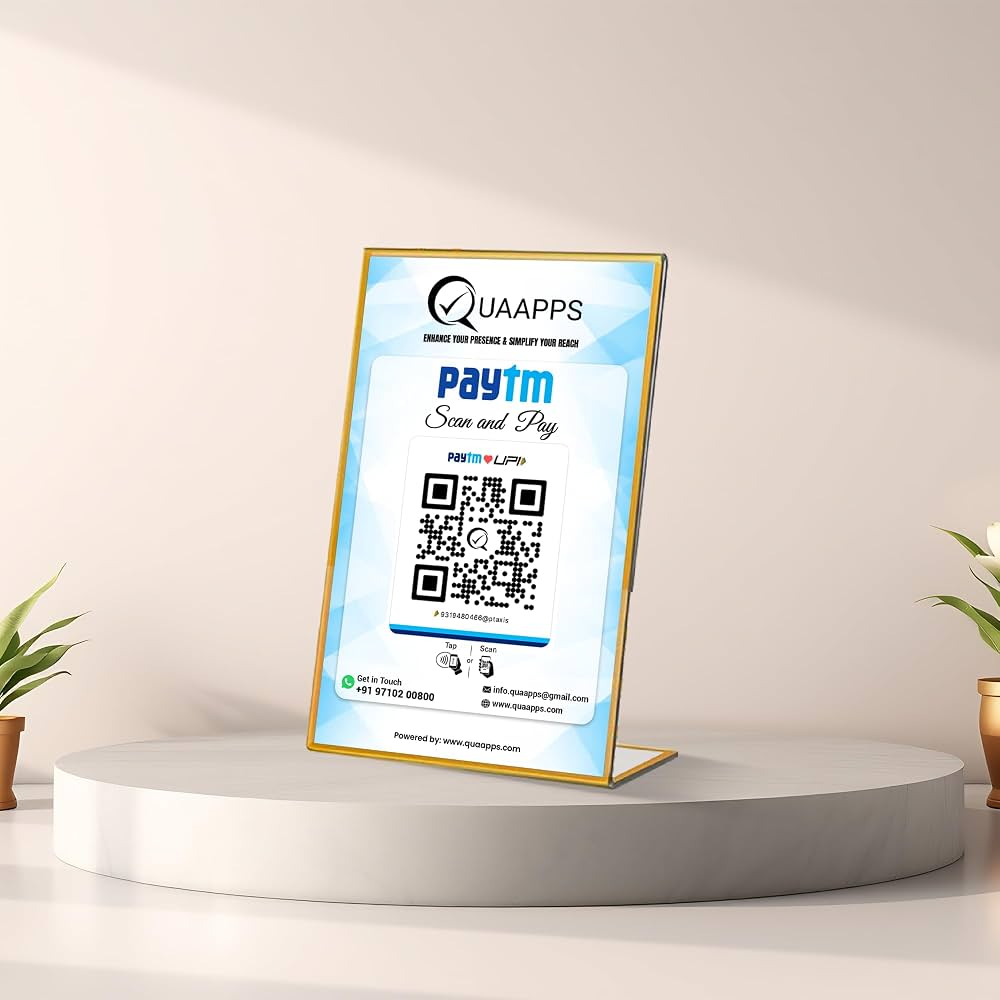
By leveraging blockchain technology for the settlement layer, Stable QR Pay avoids the delays and fees associated with SWIFT transfers. The result is a direct, low-cost transaction path that benefits both high-volume merchants and individual consumers. For a detailed breakdown of how this compares to traditional payment processors, see the table below.
Compare fees and settlement times
Traditional cross-border payments often hide costs behind opaque exchange rate markups and multi-layered intermediary fees. Stable QR Pay removes this friction by settling directly in stablecoins, bypassing the legacy banking infrastructure that inflates transaction prices.
The table below contrasts the total cost of processing a standard $1,000 international transaction across three common methods. These figures reflect typical merchant-facing costs, including network fees and foreign exchange spreads.
| Method | Total Fee | Settlement Time | FX Risk |
|---|---|---|---|
| SWIFT Wire Transfer | $25–$50 + 1–3% spread | 2–5 business days | High |
| Credit Card (Visa/MC) | 2.9% + $0.30 (~$32) | 1–2 business days | Medium |
| Stable QR Pay | ~0.5% (~$5) | Instant | Low |
SWIFT transfers remain the standard for large institutional movements but are prohibitively expensive and slow for routine merchant transactions. Credit card networks offer speed but charge the highest percentage fees, eroding thin margins on international sales.
Stable QR Pay offers a middle ground: near-instant settlement like a credit card, but with fees closer to a domestic ACH transfer. By pegging payments to stable assets like USDC or USDT, merchants avoid the volatility that often accompanies traditional fiat cross-border flows.
Calculate your transaction costs
Merchants often underestimate the hidden drag of traditional cross-border processing. Every time a customer pays from abroad, your business typically absorbs interchange fees, network assessments, and foreign exchange spreads. These costs compound quickly, eating directly into your profit margins on every single transaction.
Stable QR Pay removes this friction. By settling directly in stablecoins and bypassing legacy card networks, you eliminate the standard percentage-based fees that plague international commerce. The following calculator estimates your annual savings by comparing standard merchant processing rates against our zero-fee model.
Adjust the inputs to reflect your current volume. The "Traditional FX & Processing Fee" represents the average cost of international card payments, which typically ranges from 2.9% to 5% when including currency conversion. With Stable QR Pay, that percentage drops to zero, leaving the full amount in your account.
Set up merchant QR integration
Deploying Stable QR Pay requires aligning your existing payment infrastructure with a stablecoin provider. The goal is to accept digital currency while settling in fiat, ensuring your cash flow remains predictable and zero-fee. This process involves selecting a compliant provider, integrating their software development kit (SDK), and configuring auto-conversion rules.

Select a provider that supports your target markets and offers regulatory compliance. Look for partners with established liquidity pools and clear fee structures. Providers like Moreta or RedotPay simplify cross-border acceptance by handling the complex blockchain interactions behind the scenes.
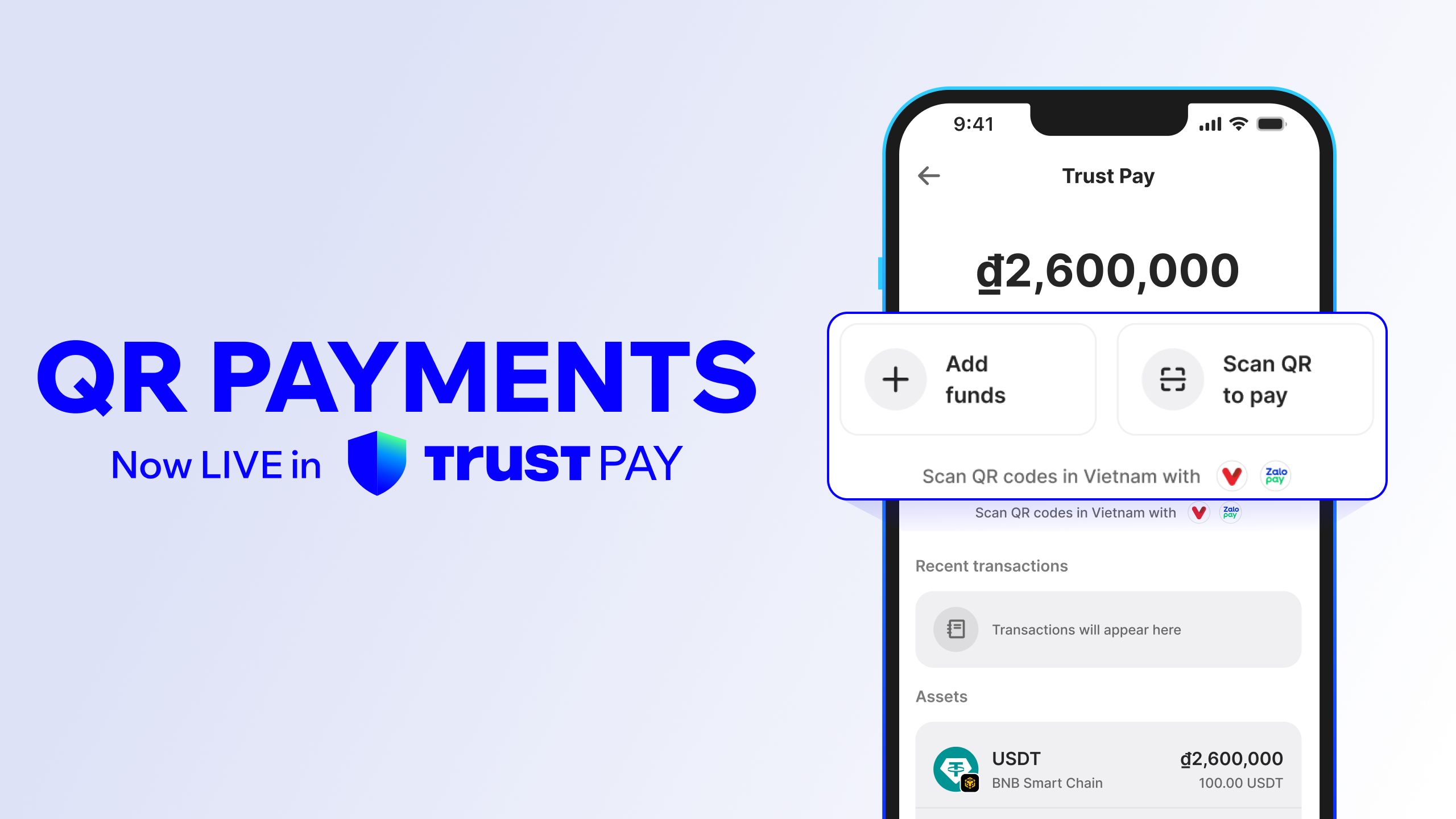
Embed the provider’s SDK into your point-of-sale (POS) system or e-commerce platform. The SDK generates dynamic QR codes for customers to scan. Ensure your backend can handle the webhook notifications that confirm transaction completion on the blockchain.
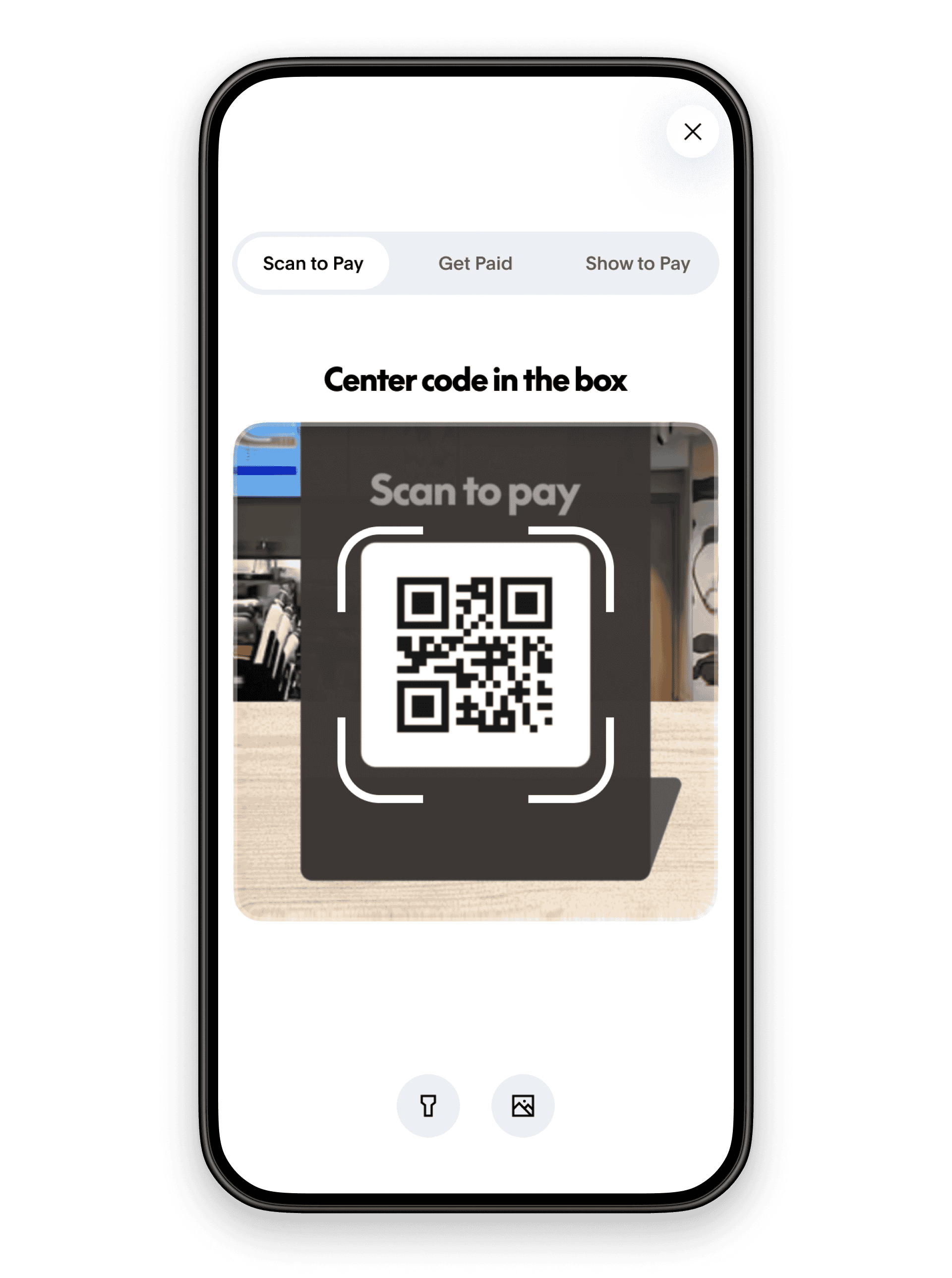
Set up automatic settlement to your bank account. Most merchants prefer receiving fiat rather than holding volatile assets. Configure the conversion rate and timing so that stablecoin payments are instantly converted to your local currency upon confirmation, eliminating exchange rate risk.

Run end-to-end tests using small amounts to verify the entire cycle: QR generation, customer scan, blockchain confirmation, fiat conversion, and bank settlement. Check for latency issues and ensure your accounting software updates correctly. Only go live after confirming the zero-fee structure applies as expected.
This setup ensures your business can accept global payments without the friction of traditional banking rails. By automating the conversion, you maintain the speed of crypto with the stability of fiat.
Addressing Safety and Compliance Risks
Stable QR Pay eliminates the volatility risk inherent in cryptocurrencies by pegging transaction value to a stable asset like the US Dollar. This stability ensures that the amount a customer scans matches the amount the merchant receives, regardless of market fluctuations. For merchants, this predictability is essential for maintaining accurate accounting and protecting profit margins from sudden price swings.
Regulatory compliance remains the primary operational hurdle. Stablecoin regulations differ significantly by jurisdiction, with some regions treating digital assets as securities while others classify them as payment instruments. Merchants must verify local financial authority guidelines before deployment to avoid legal pitfalls. The rapid expansion of QR payment systems in markets like Thailand, which now supports international traveler payments, demonstrates how infrastructure can adapt to these evolving frameworks.
To ensure safety, merchants should use payment gateways that are registered with relevant financial action task forces and adhere to anti-money laundering (AML) standards. This due diligence protects the business from fraud and ensures that transactions are cleared through compliant channels. By combining the technical stability of pegged assets with strict regulatory adherence, Stable QR Pay offers a secure foundation for cross-border commerce.
No comments yet. Be the first to share your thoughts!