The 2026 stable QR pay landscape
The global infrastructure for QR-based payments is shifting from experimental pilots to active, high-volume merchant adoption. In 2025, the broader QR code payment market was valued at USD 16.7 billion, with projections indicating growth to USD 19.8 billion in 2026 Intel Market Research. This expansion is not limited to developed economies; developing markets are experiencing significant acceleration, driven by the need for accessible, low-cost digital rails.
Stablecoin QR payments are now a tangible part of this growth story. Vietnam, for instance, saw a 61.63% increase in QR payment transaction volumes in the first nine months of 2025, according to the State Bank of Vietnam LinkedIn Pulse. Similar trends are emerging across Africa, where QR codes bridge the gap between unbanked populations and formal financial systems. These regions are not just adopting QR technology; they are integrating stablecoins to reduce cross-border friction and currency volatility.
To understand the stability required for this adoption, it helps to look at the underlying assets. Stablecoins like USDT and USDC maintain their peg through algorithmic or reserve-backed mechanisms, ensuring that the value transferred via QR codes remains consistent. This stability is critical for merchants who cannot absorb the volatility associated with other cryptocurrencies.
The transition to stable QR pay is not without challenges. Customers need a smartphone, a compatible app, and internet connectivity to complete transactions Stripe. However, as smartphone penetration increases and mobile networks improve in key emerging markets, these barriers are diminishing. The result is a rapidly maturing ecosystem where stablecoin QR payments are becoming a standard, not an exception.
Leading stablecoin payment providers
Stablecoin QR payments rely on infrastructure that handles cross-chain settlement, merchant onboarding, and fiat off-ramping. The market has consolidated around a handful of providers that offer the reliability and multi-chain support merchants need to scale. These platforms abstract the complexity of blockchain transactions, allowing businesses to accept digital dollars without managing private keys or node infrastructure.
The following comparison highlights the core capabilities of the top infrastructure providers. Each offers distinct advantages depending on whether the merchant prioritizes low fees, speed, or regulatory compliance.
| Provider | Supported Chains | Transaction Fees | Settlement Speed | QR Native |
|---|---|---|---|---|
| Cobo | Multi-chain (ETH, BSC, Polygon, etc.) | Low, variable by chain | Near-instant | Yes |
| Circle | Ethereum, Solana, Polygon, Base | Standard network + processing | Real-time | Yes (via partners) |
| Stripe | Ethereum, Polygon, Base | 1% + 10¢ crypto fee | Daily fiat payout | Yes (via integrations) |
| Coinbase Commerce | ETH, BTC, LTC, BCH, USDC | 1% per transaction | Instant crypto wallet | Yes |
| Fireblocks | Multi-chain (Institutional focus) | Custom, enterprise pricing | Near-instant | Via API integrations |
Cobo stands out for its native multi-chain support, allowing merchants to accept USDT and USDC across dozens of networks without separate integrations. This flexibility is critical for merchants in emerging markets where specific chains dominate local usage. Circle provides the most direct path to fiat liquidity through its Circle Pay network, ensuring that stablecoins remain pegged and compliant with regulatory standards.
Stripe and Coinbase Commerce offer the most frictionless onboarding for traditional businesses. Stripe’s 1% fee structure is competitive for high-volume merchants, while Coinbase Commerce integrates seamlessly with existing retail POS systems. Fireblocks caters to institutional players requiring advanced security features like MPC (Multi-Party Computation) custody, making it less suitable for small businesses but essential for enterprise-grade QR deployments.
When selecting a provider, merchants should prioritize settlement speed and fee transparency. QR payments are often used for small-ticket transactions where high fees erode margins. Providers like Cobo and Circle offer the lowest effective costs for cross-border QR settlements, while Stripe provides the best user experience for domestic merchants already embedded in its ecosystem.
Stable QR pay adoption in Africa and Asia
Stable QR pay is moving beyond pilot programs in emerging markets, targeting regions where cash remains dominant but mobile penetration is high. By bridging the gap between digital wallets and local fiat currencies, these systems are bypassing the need for expensive traditional banking infrastructure.
East Africa: SQRIL’s Mobile Money Integration
In East Africa, the rollout of stable QR pay is focusing on interoperability with existing mobile money ecosystems. SQRIL has launched stablecoin-to-fiat QR payments in Tanzania, Kenya, and South Africa, allowing users to scan local QR codes for instant merchant transactions. The platform manages real-time conversion from stablecoins to local currency, reducing friction for both consumers and merchants who already rely on mobile money for daily transactions.
This approach leverages the widespread adoption of mobile money in the region, offering a more stable alternative to volatile local currencies while maintaining the convenience of cash-like transactions. The integration allows merchants to accept digital payments without requiring customers to hold cryptocurrency directly.
Vietnam: Rapid Volume Growth
Southeast Asia is seeing similar momentum, with Vietnam demonstrating significant adoption rates. According to data from the State Bank of Vietnam, QR code payment transaction volumes increased by 61.63% in the first nine months of 2025. This surge reflects a broader shift toward digital rails for high-volume, low-value transactions, particularly among small merchants and street vendors.
The infrastructure in Vietnam is evolving to support these transactions seamlessly, with banks and fintech providers collaborating to standardize QR protocols. This standardization is critical for scaling stable QR pay, as it ensures that payments are accepted across different platforms and devices, much like the unified systems seen in other major Asian markets.
Technical requirements and user friction
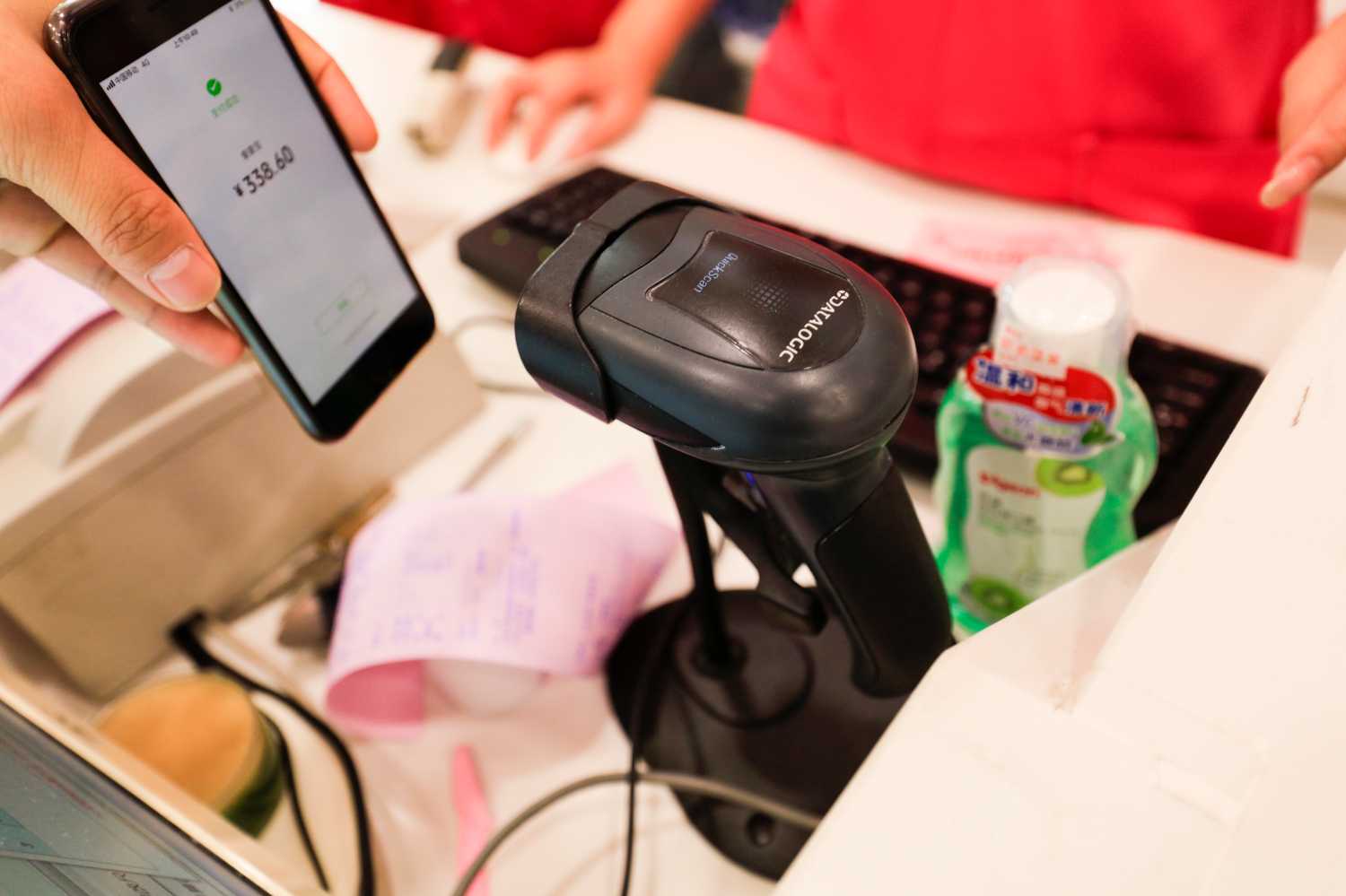
Stable QR pay works, but it requires a specific stack of hardware and connectivity that cash or legacy card terminals do not. The most basic requirement is a smartphone capable of running a payment app and accessing the internet. If a customer’s battery dies, they lack a device, or they are in an area with poor reception, the transaction fails. This is a hard constraint that merchants must account for, especially in regions with inconsistent infrastructure.
Beyond the device, the system relies on real-time stablecoin-to-fiat conversion layers. When a customer scans a code, the stablecoin (like USDC) is transferred on-chain, and a payment processor instantly converts it to local currency for the merchant. This abstraction hides the blockchain complexity, but it introduces latency and dependency on third-party rails. Providers like Coinbase Payments or specialized gateways manage this conversion, ensuring the merchant receives settled funds without holding volatile crypto assets.
This reliance on digital infrastructure creates friction compared to traditional NFC or magnetic stripe payments. While QR codes are cheaper to implement for merchants, they demand more from the consumer. The user must have data, a charged phone, and a compatible app. As QR payments gain traction, these technical barriers remain the primary differentiator between markets with high smartphone penetration and those that still rely on cash or basic feature phones.
Common questions about stable QR pay
What is the payment service provider for Stablecoin?
Coinbase operates Coinbase Payments, a full-stack stablecoin payment solution built on its Ethereum Layer-2 network, Base. This platform abstracts blockchain complexity so businesses can offer crypto-native payments without specialized teams.
Is QR payment the future?
Digital payment methods using QR codes have gained significant popularity since 2020. More merchants are choosing this option to make payments faster, safer, and more accessible, suggesting the trend will continue.
What is the disadvantage of QR code payment?
QR transactions require a working smartphone, a banking app, and an internet connection. If a customer lacks a smartphone, has a dead battery, or faces poor reception, they cannot complete the payment.
No comments yet. Be the first to share your thoughts!