The shift to stablecoin QR payments
The infrastructure for cross-border commerce is undergoing a structural change. Legacy banking rails, built for batch processing and intermediary chains, are struggling to meet the speed and cost expectations of modern digital trade. Stablecoin QR payments have emerged as the dominant alternative, offering a direct, programmable path for value transfer that bypasses traditional correspondent banking networks.
At the core of this shift is simplicity. A customer scans a QR code, their wallet opens, and transaction details pass through the protocol. This flow supports hundreds of wallets and chains, creating a universal interface that works regardless of the underlying blockchain. The result is a payment experience that feels as frictionless as domestic commerce, even when crossing borders.
The stability of these assets is the foundation of their adoption. As shown in the chart above, USDT maintains its peg to the US dollar with high precision, allowing businesses to transact without the volatility risks associated with other cryptocurrencies. This stability, combined with the low latency of blockchain settlements, makes stablecoin QR payments a practical standard for 2026.
Major payment processors are already integrating this infrastructure. Visa and Stripe have built solutions that allow merchants to accept stablecoins via QR codes, bridging the gap between traditional finance and decentralized networks. This institutional backing validates the technology not as a speculative asset, but as a serious payment rail for global commerce.
How scan-to-pay integration works
Stablecoin QR payments bridge the gap between digital assets and physical commerce through a standardized sequence. When a customer initiates a payment, the process relies on interoperable protocols that connect consumer wallets to merchant acquiring systems. The transaction moves from a blockchain settlement to local fiat currency without manual intervention, ensuring the merchant receives the exact amount owed in their preferred currency.
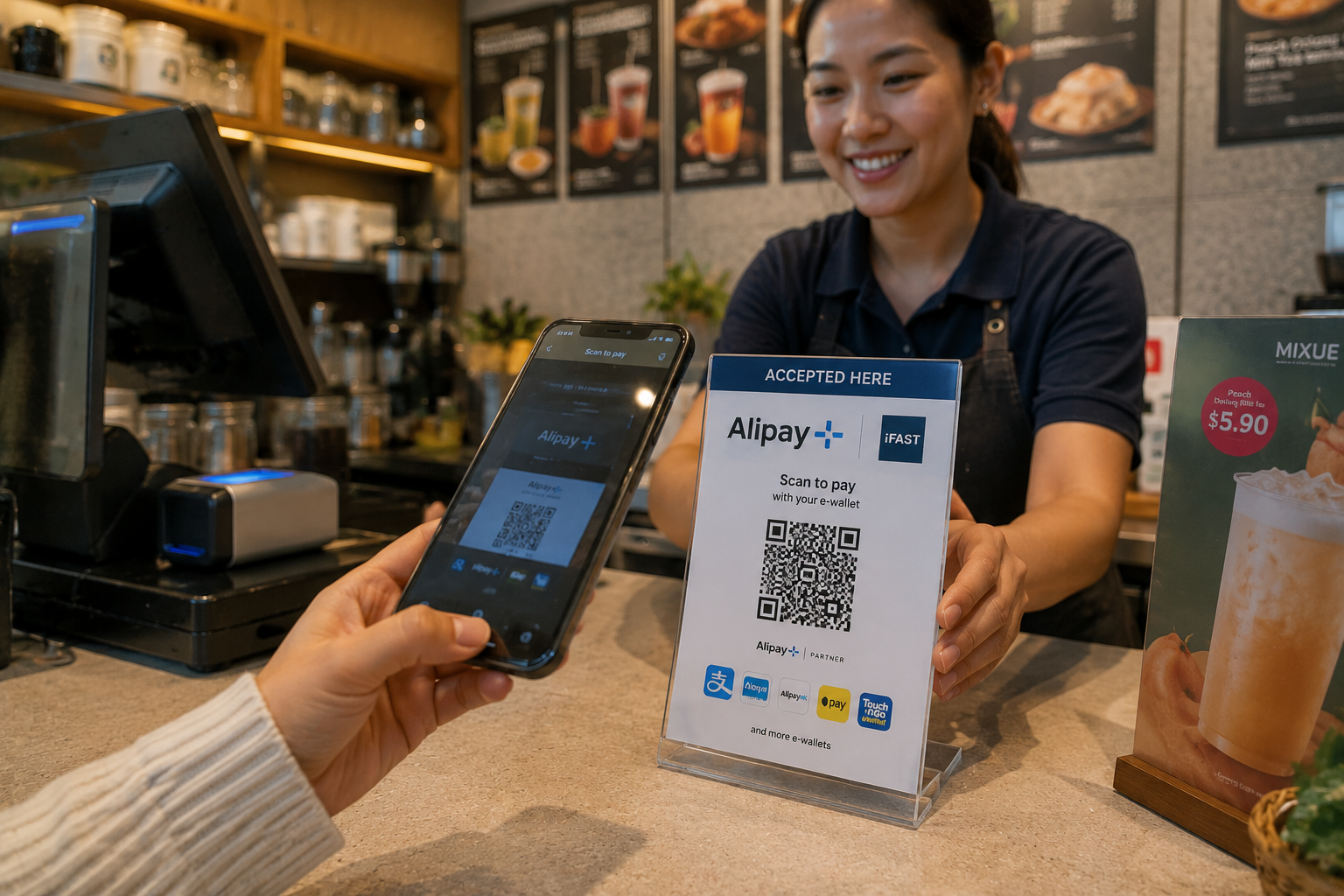
The merchant’s point-of-sale system generates a dynamic QR code containing the transaction payload. This payload includes the specific stablecoin type (such as USDC or USDT), the exact amount due, and the destination wallet address or payment gateway token. Unlike static addresses, dynamic codes prevent replay attacks and ensure the funds are routed correctly through the payment processor’s ledger.
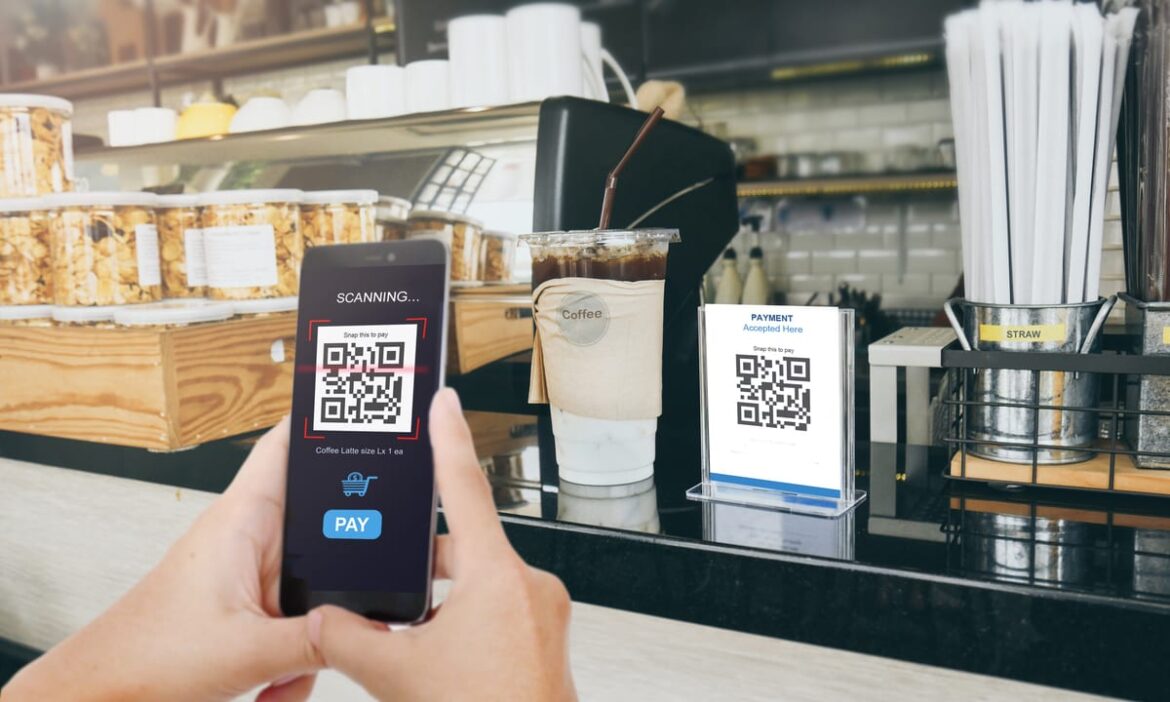
The customer opens their self-custodial wallet or a banking app that supports stablecoin payments. Scanning the code automatically populates the recipient address and amount, removing the risk of manual entry errors. The user reviews the details and signs the transaction using their private key. This step is purely on-chain or off-chain depending on the underlying infrastructure, but it requires no manual typing of wallet addresses.
Once signed, the transaction is broadcast to the network. Payment processors like Stripe or specialized gateways monitor the blockchain for confirmation. Because stablecoins settle on high-throughput networks, confirmation times are typically under ten seconds. The processor verifies the signature and confirms that the specified stablecoin amount has been transferred to the designated escrow or merchant account.
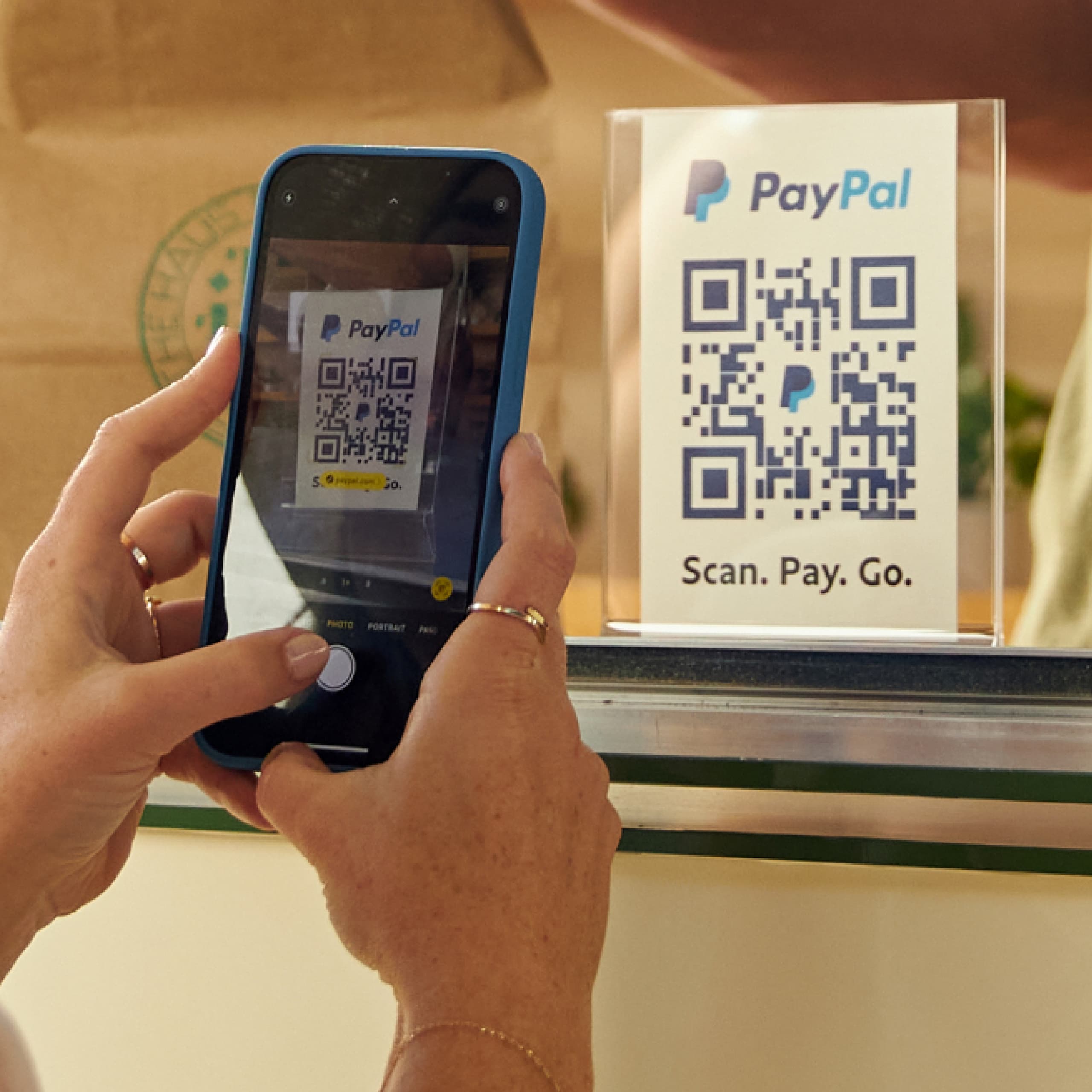
The final step occurs off-chain. Upon confirmation of the stablecoin transfer, the payment processor executes an immediate conversion to the merchant’s local fiat currency (USD, EUR, VND, etc.). This conversion happens through liquidity pools or banking partners, ensuring the merchant receives funds in their bank account within minutes, not days. The customer’s wallet balance is deducted, and the merchant’s risk of currency fluctuation is eliminated.
This architecture allows merchants to accept crypto without holding volatile assets. The technology effectively turns stablecoins into a cash-equivalent payment method, leveraging the speed of blockchain while maintaining the stability of traditional finance.
Faster, Cheaper Settlements
Stablecoin QR payments remove the friction layers that define traditional cross-border commerce. Unlike SWIFT transfers or card networks, which rely on correspondent banking chains and multi-day clearing cycles, stablecoin settlements occur on-chain in seconds. This shift transforms cross-border payments from a logistical bottleneck into a near-instant utility, aligning the speed of digital commerce with the stability of fiat-pegged assets.
The cost advantage is equally structural. Traditional international transfers often incur hidden fees through currency conversion spreads, intermediary bank charges, and network processing costs that can total several percent of the transaction value. Stablecoin QR payments bypass these intermediaries. By settling directly on the blockchain and using QR codes for user-friendly interface access, merchants and consumers avoid the markup layers inherent in legacy financial rails. This efficiency is particularly critical for small-value cross-border transactions, where fixed fees traditionally made international payments economically unviable.
Interoperability further distinguishes this approach. Platforms like StraitsX enable stablecoin or fiat scan-to-pay transactions globally, connecting wallets and merchant acquirers across different networks and borders without requiring separate integrations for each region. Similarly, initiatives like Moreta allow international travelers to pay local merchants using QR codes, bridging the gap between crypto wallets and physical point-of-sale systems. This seamless interoperability means that the underlying settlement asset (the stablecoin) remains consistent, while the user experience adapts to local preferences.
| Feature | Traditional SWIFT/Card Networks | Stablecoin QR Payments |
|---|---|---|
| Settlement Speed | 1–5 business days | Seconds to minutes |
| Cross-Border Cost | High (fees + FX spreads) | Low (network gas + minimal spread) |
| Intermediaries | Multiple correspondent banks | Direct wallet-to-merchant |
| Accessibility | Requires bank account/credit card | Requires smartphone + crypto wallet |
The combination of speed, cost reduction, and accessibility positions stablecoin QR payments as a practical standard for 2026 cross-border commerce. As major financial institutions like Visa explore programmable stablecoin integrations, the infrastructure gap between traditional finance and crypto-native payments continues to close, making these advantages increasingly accessible to mainstream merchants and consumers.
Merchant adoption in emerging markets
Stablecoin QR payments are moving from pilot programs to daily commerce in emerging economies, where traditional banking infrastructure often struggles with cross-border friction. The model is gaining traction in regions like Africa and Southeast Asia, where merchants and consumers are prioritizing speed and low transaction costs over legacy banking rails.
In Africa, the rollout of stablecoin-to-fiat QR systems is enabling local merchants to accept USD-denominated stablecoins like USDT. Users scan a merchant's QR code to pay, while the merchant receives local currency instantly. This approach bypasses the need for expensive international wire transfers, making it particularly effective for small-scale cross-border trade.
Southeast Asia is seeing similar momentum through integrations with existing national payment infrastructures. Payment providers are allowing users to spend stablecoins by scanning QR codes linked to local networks like VietQR in Vietnam or QRPh in the Philippines. Merchants accept the scan as a standard local payment, while the backend converts the stablecoin to fiat in real time, offering a seamless experience for both parties.
The underlying value proposition for these markets is clear: stablecoins provide a digital bridge between global liquidity and local purchasing power. For merchants, this means access to a broader customer base without the volatility or high fees associated with traditional foreign exchange. For consumers, it offers a way to spend stable assets in the physical world with the same ease as using cash.
Solving Network and Wallet Fragmentation
Stablecoin QR payments face a structural hurdle: the lack of a single, universal standard. Unlike Visa or Mastercard, which operate on closed, centralized ledgers, stablecoin ecosystems are fragmented across multiple blockchains. A QR code generated on the Solana network cannot be scanned by a wallet configured for Ethereum or Tron. This incompatibility forces merchants to support multiple wallets and networks, creating a complex, error-prone checkout experience that defeats the purpose of simple scan-to-pay.
The fix lies in cross-chain interoperability protocols and unified gateway layers. Platforms like StraitsX are addressing this by building infrastructure that connects stablecoin transactions across different networks and borders. These gateways act as translators, allowing a merchant to accept a single QR code while the backend routes the transaction through the appropriate blockchain. This abstraction hides the technical complexity from the user, ensuring the payment settles regardless of the underlying network.
Navigating Regulatory Compliance
The second major challenge is regulatory uncertainty. Stablecoins exist in a gray area between traditional finance and digital assets, with rules varying significantly by jurisdiction. A payment that is compliant in one country may violate anti-money laundering (AML) or know-your-customer (KYC) requirements in another. Merchants face the risk of frozen funds or legal penalties if they inadvertently process transactions from restricted regions.
To mitigate this, businesses must integrate compliance checks directly into the payment flow. This involves using wallet screening tools that flag addresses associated with illicit activity before the transaction is finalized. Additionally, choosing stablecoins that are fully backed and regulated, such as USDC or USDT, provides a layer of legal clarity. By partnering with licensed payment processors who handle the regulatory heavy lifting, merchants can offer stablecoin QR payments without assuming the full burden of compliance.
Ensuring Technical Reliability
Finally, the technical reliability of QR codes must match the speed of traditional payments. Network congestion, high gas fees, and slow confirmation times can turn a quick scan into a frustrating delay. If a QR code fails to generate or the wallet app crashes, the transaction is lost, leading to customer dissatisfaction and abandoned sales.
The solution is to implement robust fallback mechanisms and optimize for low-latency networks. Merchants should use QR codes that include dynamic data validation, ensuring the amount and recipient are correct before the user confirms. Additionally, leveraging layer-2 scaling solutions or high-throughput blockchains ensures that transactions confirm in seconds, not minutes. This technical resilience is essential for stablecoin QR payments to become the 2026 standard for cross-border commerce.
No comments yet. Be the first to share your thoughts!