Why stable QR pay 2026 matters
The shift toward stable QR pay 2026 marks a practical pivot for merchants: replacing volatile cryptocurrency transactions with stablecoins that hold a fixed value. This stability removes the price-fluctuation risk that previously made digital payments unpredictable for small businesses. By anchoring transactions to fiat currencies, merchants can accept digital payments with the same confidence they have with traditional card swipes.
The market momentum supports this transition. Global QR code-based payment systems are projected to reach $19.8 billion in 2026, driven by a desire for faster, more accessible checkout experiences [[src-serp-5]]. Unlike older crypto methods, stable QR pay integrates seamlessly into existing merchant workflows without requiring complex exchange rate conversions at the point of sale.
Adopting this technology reduces friction for both customers and retailers. Shoppers benefit from quick scans without needing physical cards, while merchants avoid the high fees and settlement delays often associated with traditional banking rails. As NFC and other alternatives gain traction, stable QR pay remains a robust, low-cost option for businesses seeking to modernize their payment infrastructure without significant overhead.
Choose a wallet with QR support
Selecting the right digital wallet is the foundation of stable QR pay 2026. You need a platform that generates scannable codes instantly, supports major stablecoins like USDC or USDT, and operates in your target region. Not all crypto wallets are built for merchant transactions; some lack the speed or compliance features required for retail environments.
Start by verifying regional availability. Global platforms like Binance Pay are expanding rapidly, targeting over 10 countries by Q3 2026. However, other major players have faced disruptions. For instance, Trust Wallet announced the temporary discontinuation of its QR payment feature in March 2026 due to provider changes. Always check the current status of a wallet’s QR capabilities before integrating it into your workflow.
Security is non-negotiable. QR codes themselves do not include inherent security measures, making the wallet’s authentication protocols critical. Look for wallets that enforce multi-factor authentication and clearly display transaction details before confirmation. This prevents malicious code substitution and ensures every stable QR pay 2026 transaction is verified by the merchant.
| Wallet | Supported Stablecoins | QR Generation | Key Regions |
|---|---|---|---|
| Binance Pay | BUSD, USDT, USDC | Instant | 6+ live, expanding to 10+ |
| Trust Wallet | Multi-chain | Standard | Global (QR feature status varies) |
| MetaMask | USDC, DAI | Manual Scan | Global |
| Coinbase Wallet | USDC, ETH | Instant | US, UK, EU |
-
Verify the wallet supports your preferred stablecoin (e.g., USDC)
-
Confirm QR generation is instant and does not require manual signing for small amounts
-
Check regional availability to ensure customers can pay from their location
-
Ensure the wallet offers transaction history and receipt generation for accounting
Generate your merchant QR code
A dynamic QR code links to a payment address rather than a static string. This allows you to update the underlying wallet or currency without reprinting physical labels. For stable QR pay 2026 setups, this flexibility is essential for managing price fluctuations and switching between USDC, USDT, or other stablecoins as needed.
The process varies slightly depending on your payment gateway or wallet provider, but the core steps remain consistent. You will define the payment parameters, generate the code, and verify its functionality before deployment.
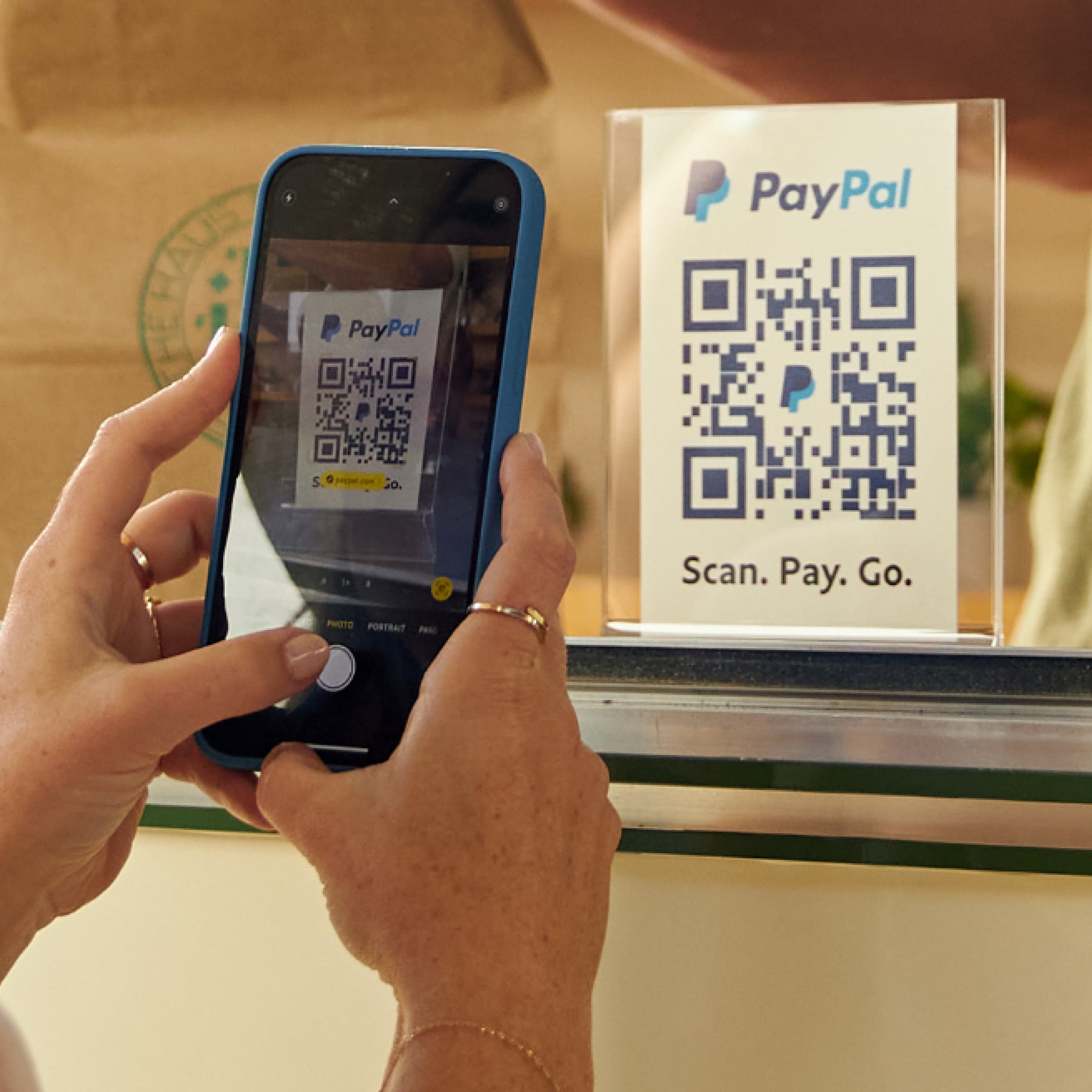
Log in to your payment provider’s dashboard. Navigate to the QR code generation section and link your verified merchant wallet. Ensure the wallet supports the specific stablecoin you intend to accept. This step establishes the secure foundation for all subsequent transactions.
Set the default currency and optional amount limits. You can choose to require a fixed amount for specific products or allow customers to enter any value. Enabling dynamic updates ensures that if you switch stablecoins or update your wallet address, the QR code remains valid without needing regeneration.
Click the generate button to create the unique QR image. Download the file in SVG or high-resolution PNG format. Vector formats are preferred for large-format prints like table tents or storefront signs, as they remain crisp at any scale. Save the raw data string securely for digital integration.
Use a standard smartphone camera or your merchant app to scan the new code. Verify that it opens the correct payment interface and displays the accurate currency and amount. Test the transaction with a small amount first to confirm that funds settle correctly in your wallet before accepting large payments.
Secure your QR pay setup
QR code payments offer speed, but static codes are a liability. A printed static QR code is easy to swap with a malicious one, redirecting funds to a scammer. To maintain transaction integrity in a stable QR pay 2026 environment, you must prioritize dynamic verification and technical safeguards.
Use dynamic QR codes
Static codes never change, making them vulnerable to "QR code swapping" attacks. Switch to dynamic QR codes that generate a unique, time-sensitive transaction ID for every purchase. This ensures that even if a scammer replaces the physical code, the transaction will fail or alert the merchant because the payment request is tied to a specific, ephemeral session.
Verify recipient addresses
Before confirming any transaction, always verify the recipient address on-screen. This is especially critical when dealing with stablecoins or cross-border payments. A single character mismatch can send funds to an irretrievable address. Implement a confirmation step in your POS system that requires the cashier or customer to explicitly match the displayed merchant ID against the physical receipt or screen.
Enable transaction notifications
Set up real-time SMS or email notifications for every transaction. This allows you to detect suspicious activity immediately. If you receive a notification for a payment you didn't authorize, you can dispute it with your payment processor while the funds are still traceable. This layer of monitoring is essential for maintaining trust in your stable QR pay 2026 infrastructure.
Audit your QR placement
Regularly inspect your physical QR code displays. Ensure they are securely mounted and not covered by stickers or overlays. If you notice any tampering, replace the code immediately. Consider using tamper-evident frames or digital screens that refresh dynamically, reducing the risk of physical interference.
Common QR payment mistakes
Even with a solid setup, merchants often stumble on basic QR payment errors. These mistakes can lead to lost revenue, security vulnerabilities, or a poor customer experience. Avoiding them is essential for a reliable stable QR pay 2026 strategy.
Using static codes for every transaction
Static QR codes display a fixed payment address. While easy to set up, they pose significant security risks. Anyone can photograph the code and reuse it to redirect funds to their own account. For stable QR pay 2026, always use dynamic codes that generate a unique transaction ID for each sale. This ensures the payment is tracked and secured in real-time.
Ignoring network and processing fees
Merchants sometimes overlook the fees associated with QR payments, assuming they are negligible. However, payment gateways, crypto networks, or banking partners often charge per-transaction fees. These costs can eat into your margins, especially for small-ticket items. Always review the fee structure of your provider. Factor these costs into your pricing model to maintain profitability.
Failing to display clear payment instructions
A confusing checkout process leads to abandoned transactions. If customers don’t know which app to use or how to scan the code, they may leave. Place clear, visible instructions next to your QR code. Specify the accepted payment methods and any required app features. A seamless experience encourages repeat business.
No comments yet. Be the first to share your thoughts!