The state of stable QR pay in 2026
The landscape for stable QR pay in 2026 is shifting from experimental pilots to regulated, cross-border utility. While the promise of instant stablecoin settlements remains strong, the infrastructure is undergoing significant provider changes that affect daily usage. For example, Trust Wallet temporarily discontinued its QR payment feature on March 31, 2026, due to payment provider adjustments, signaling that the backend rails are still being stabilized. This volatility in platform support means users must verify current availability before relying on any single app for daily transactions.
Despite these backend shifts, adoption in key travel corridors is accelerating. From April 2026, Chinese tourists began using the Alipay e-wallet to scan VIETQRGlobal codes at Vietnamese shops, restaurants, and hotels. This integration demonstrates how stablecoin-backed QR payments are solving real-world friction in tourism and microtransactions. However, these systems are not yet universal; acceptance is currently concentrated in regions with active cross-border payment agreements.
Common questions about QR payments
What is the limit for QR pay? Limits vary by provider and jurisdiction. Most platforms set daily transaction caps ranging from $500 to $5,000 for standard accounts, with higher limits available for verified business accounts. Always check your specific wallet’s terms, as these limits are often tied to anti-money laundering (AML) regulations.
Can I get paid using a QR code? Yes, if your merchant account supports receiving stablecoin payments. Most business-oriented QR wallets allow you to generate a static or dynamic QR code that customers can scan to send USDT, USDC, or other stablecoins directly to your wallet address.
Who accepts QR code payments? Acceptance is growing in tourism-heavy regions like Southeast Asia, where platforms like VIETQRGlobal have integrated with major e-wallets. In other regions, adoption is largely limited to specific pilot programs or digital-native merchants. Always look for the QR logo or ask if they accept crypto stablecoins before attempting a transaction.
What is the disadvantage of QR code payment? The primary disadvantage is the lack of universal standardization. Unlike traditional card networks, QR payment protocols can vary between wallets and regions, leading to compatibility issues. Additionally, the irreversible nature of blockchain transactions means that sending funds to an incorrect address results in permanent loss.
Stable qr pay 2026 choices that change the plan
Choosing a stablecoin QR payment method in 2026 requires balancing speed, cost, and accessibility. The market is fragmented, with major players like Stripe and regional networks like VIETQRGlobal offering distinct advantages and limitations. Understanding these tradeoffs is essential for merchants and consumers navigating the shift from traditional fiat to instant stablecoin settlements.
Network Fees and Transaction Costs
The primary driver for adopting stablecoin QR payments is the reduction in transaction fees compared to traditional credit card processors. Stripe, for instance, charges a flat 1.5% fee for stablecoin payments from customers in 70+ countries, which is significantly lower than the 2-3% typical for card networks. However, network congestion can spike gas fees on certain blockchains, potentially negating these savings for microtransactions. Merchants must evaluate whether the specific blockchain used by their QR provider offers consistent low fees during peak hours.
Global Acceptance and Regional Limits
Acceptance varies drastically by region. While VIETQRGlobal is expanding to accept payments from Chinese tourists via Alipay starting in April 2026, other regions may lack interoperable standards. Conversely, some major wallets, like Trust Wallet, have announced temporary discontinuations of QR payment features due to provider changes, such as the March 31, 2026 cutoff. Users should verify local acceptance before relying on stablecoin QR payments as a primary method, as regulatory shifts can abruptly change availability.
Settlement Speed and Volatility Risk
Stablecoin QR payments offer near-instant settlement, bypassing the 2-3 day banking delays of traditional transfers. This speed is crucial for small businesses needing immediate cash flow. However, "stable" does not mean immune to volatility or de-pegging events. While rare, stablecoins can lose their peg to the underlying fiat currency. Merchants should consider using stablecoins pegged to major currencies like USD or EUR to minimize exchange rate risk during the transaction window.
Comparison of Payment Options
The table below compares key attributes of major stablecoin QR payment options available in 2026.
| Provider | Fee | Coverage | Key Risk |
|---|---|---|---|
| Stripe Stablecoin | 1.5% flat | 70+ countries | Platform policy changes |
| VIETQRGlobal | Varies | Vietnam/China | Regional regulatory shifts |
| Trust Wallet QR | Network gas | Global (Wallet) | Feature discontinuation |
| Traditional Cards | 2-3% + FX | Global | Slow settlement (2-3 days) |
How to choose the right stablecoin QR payment route
Choosing a stablecoin QR payment method requires matching your location, transaction volume, and risk tolerance. The landscape shifts quickly, with major platforms like Trust Wallet pausing services and regional pilots launching in April 2026. Use this framework to decide which option fits your needs.
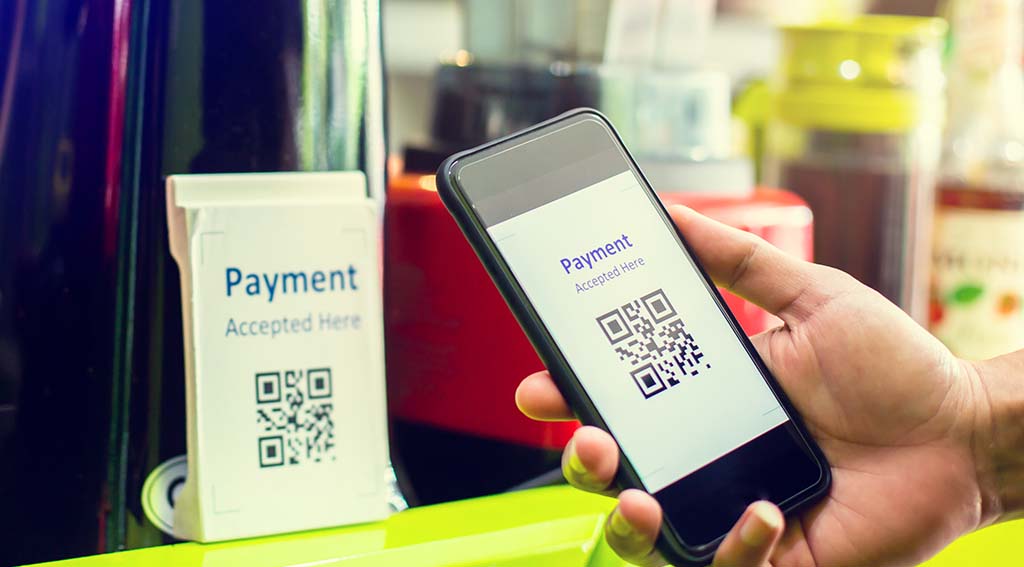
Verify if your region supports active stablecoin QR settlements. For example, Chinese tourists can now use Alipay to scan VIETQRGlobal codes at shops and hotels starting April 2026 [src-2]. Conversely, some major wallets like Trust Wallet have temporarily discontinued QR payments due to provider changes [src-1]. Always confirm the current operational status before relying on a specific app.
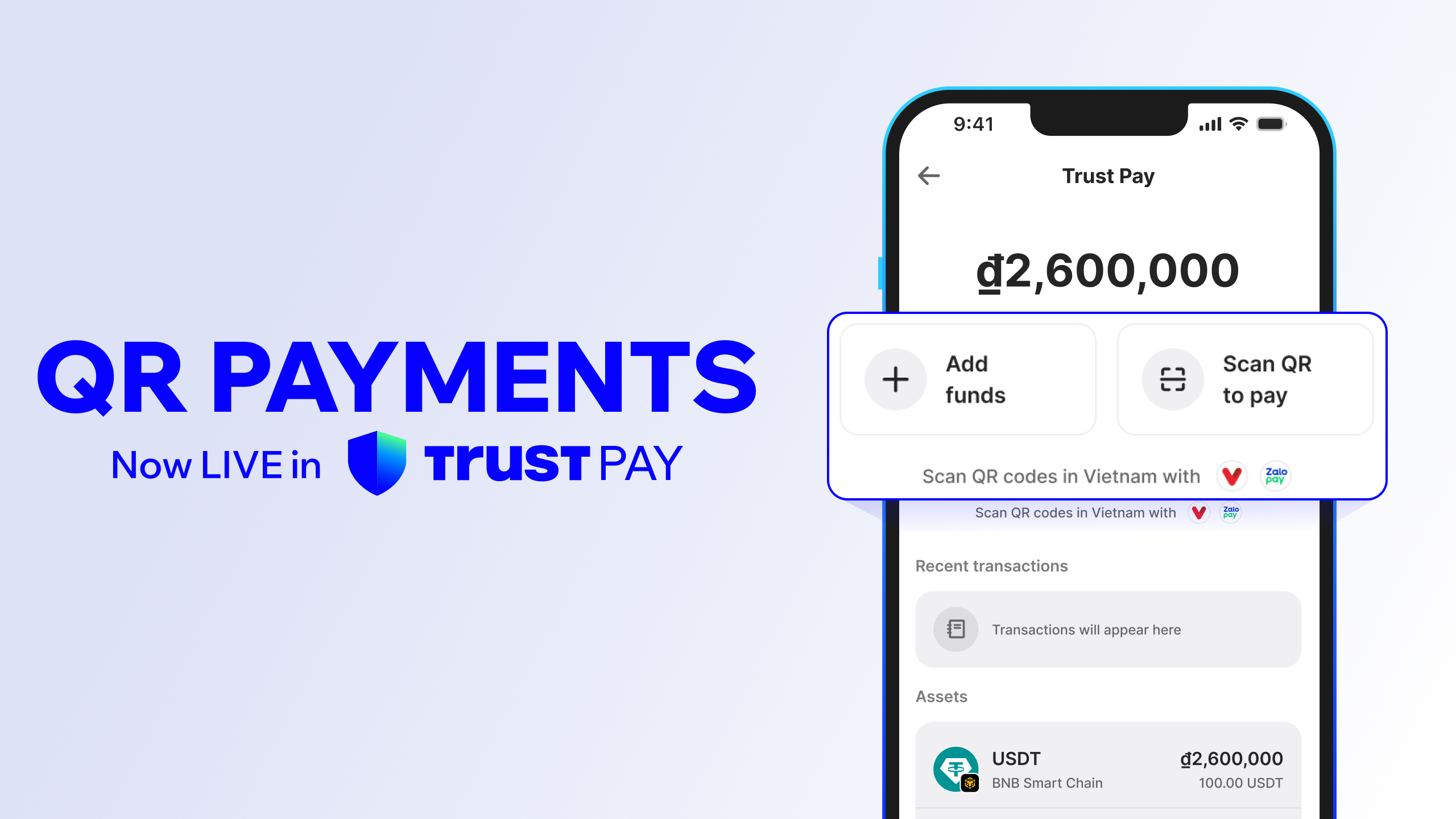
Review the daily and per-transaction limits imposed by your payment provider. Microtransactions benefit from low fees, but some platforms cap small transfers to reduce fraud risk. Compare the fee structure of different stablecoins (USDC vs. USDT) and network layers (Layer 2 vs. L1) to ensure your costs don’t eat into small payments.
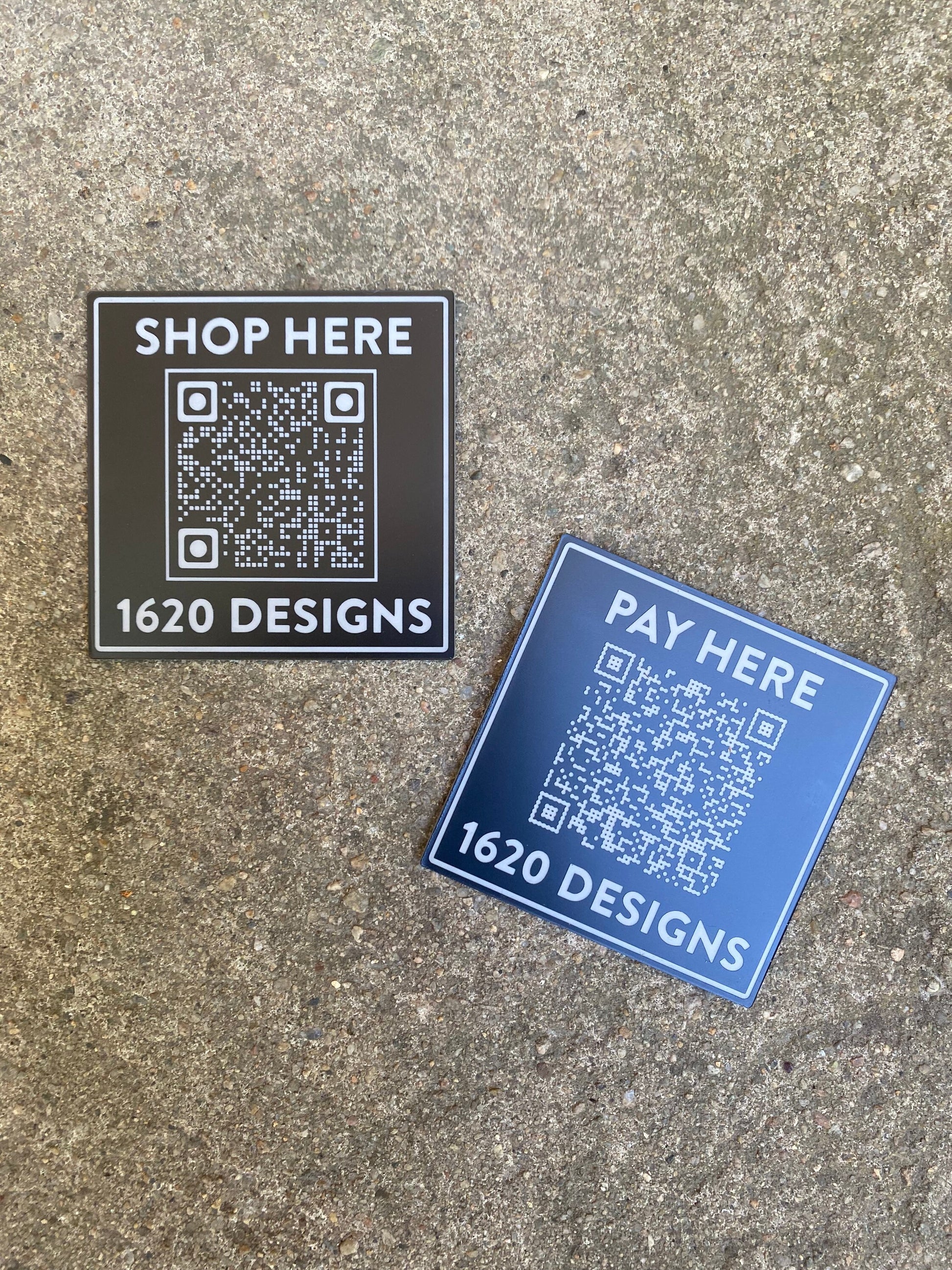
Determine if your target merchants can accept stablecoin QR payments. Look for unified QR standards that bridge traditional e-wallets with crypto. If merchants only accept fiat, consider using a payment gateway that instantly converts stablecoins to local currency, adding a layer of stability for business owners.

Consider the regulatory environment in your jurisdiction. Some regions classify stablecoin payments as money transmission services, requiring licenses. Ensure the platform you use complies with local anti-money laundering (AML) laws. Also, check if the stablecoin issuer is fully backed and audited to mitigate de-pegging risks.
Before committing to large volumes, run a few test transactions. Verify that the QR code scans correctly, the settlement is instant, and the recipient receives the funds. This step helps identify technical glitches or network congestion issues that could disrupt real-world payments.
Watch out for these weak options
The promise of instant stablecoin settlement is real, but the current landscape is littered with misleading claims and unreliable options. Before you integrate QR payments for microtransactions, you need to separate the robust infrastructure from the fragile experiments.
Disappearing Wallets
Don't assume your preferred wallet will always support QR spending. Trust Wallet recently announced the temporary discontinuation of QR payments on March 31, 2026, due to provider changes. This isn't just a glitch; it's a signal that backend payment providers can pull the plug without warning. Relying on a single wallet's native QR feature is a high-risk strategy for long-term settlement flows.
The Pilot Trap
Many "solutions" are actually limited pilots. For instance, new cross-border initiatives like the Alipay-VIETQRGlobal pilot for Chinese tourists in Vietnam (starting April 2026) are geographically restricted. These programs often lack the universal acceptance needed for true global microtransactions. If your audience isn't in the specific pilot zone, the option is useless.
Hidden Friction
The biggest disadvantage isn't the technology; it's the user experience. QR codes for stablecoins often require users to manually select the correct token network and address. A single mistake means lost funds. Unlike traditional card payments, there is no chargeback protection. If the merchant's QR code is wrong or the network is congested, the settlement fails instantly, with no customer service to reverse it.
Settlement Speed vs. Finality
Instant does not mean final. Many providers advertise "instant" QR scans, but the blockchain settlement might take minutes or hours depending on the network. For microtransactions, this delay can cause double-spending issues if you aren't using a dedicated layer-2 solution. Always check the actual block confirmation time, not just the UI speed.
Who Actually Accepts This?
Merchant adoption is still spotty. While major platforms are integrating, most small businesses still use traditional payment gateways. Be skeptical of any service claiming "universal" QR acceptance. Verify the specific networks supported (USDC, USDT, etc.) and the geographic regions where the QR code is actually scannable.
Stable qr pay 2026: what to check next
Stable QR pay 2026 answers practical objections before you make a decision.
No comments yet. Be the first to share your thoughts!