Why stablecoins fit modern QR payments
Stable QR Pay 2026 relies on digital assets that hold a fixed value, typically pegged to the US dollar. Unlike Bitcoin or Ethereum, stablecoins do not swing in price between the moment a customer scans a code and the moment the merchant settles the transaction. This stability removes the need for immediate hedging or conversion, allowing businesses to accept payments with the same predictability as cash or traditional bank transfers.
The friction of cross-border payments is another reason stablecoins dominate this space. Traditional international transfers often take days and involve multiple intermediary banks, each taking a cut. Stablecoin transactions settle on the blockchain in seconds or minutes, regardless of the sender’s location. For merchants dealing with global customers, this speed and lower cost structure make stablecoins a superior alternative to legacy wire systems.
While QR codes themselves are just the visual interface for the transaction, the underlying asset determines the user experience. A volatile cryptocurrency introduces anxiety for both the buyer and the seller. Stablecoins provide the technological efficiency of blockchain with the financial certainty of fiat currency, making them the practical choice for everyday commerce.
Choose a compliant payment provider
Selecting the right infrastructure is the foundation of Stable QR Pay 2026. Your provider must bridge the gap between traditional fiat acceptance and blockchain settlement, ensuring that your business receives stable value without exposure to crypto volatility. Look for partners that offer direct API access for developers and robust Point of Sale (POS) integrations for staff.
When evaluating providers, prioritize those with multi-chain support and transparent fee structures. The market has matured, with established players like Cobo, Circle, and Fireblocks offering enterprise-grade security, while others like Stripe are integrating stablecoin capabilities into existing merchant accounts. The goal is to minimize friction during checkout while maintaining regulatory compliance.
Compare the following options based on fees, supported chains, and settlement speed to find the best fit for your volume and technical stack.
| Provider | Fee Structure | Supported Chains | Settlement Speed |
|---|---|---|---|
| Cobo | 0.5% + network fees | ETH, BSC, Polygon, Solana | Real-time |
| Circle (USDC) | 1.5% per transaction | Multi-chain native | Instant |
| Fireblocks | Custom enterprise pricing | 50+ chains | Near-instant |
| Stripe | 1% + 20¢ (USDC pilot) | Ethereum, Solana | Next-day fiat |
Integration complexity varies significantly. Stripe offers the smoothest transition for existing merchants but may have limited chain support. For businesses requiring deep customization or multi-chain liquidity management, Cobo or Fireblocks provide more granular control via their APIs. Ensure your development team can handle the specific SDK requirements of your chosen provider.
Integrate QR generation with your POS
Connecting your point of sale to a stablecoin payment provider turns a standard register into a crypto-ready terminal. The goal is to automate the creation of unique, dynamic QR codes for every transaction. This ensures that each code is tied to a specific invoice amount and merchant ID, preventing replay attacks and simplifying reconciliation.
Most modern POS systems in 2026 support cashless and QR code payments through API integrations. You will need to authenticate with your payment provider, pass transaction details, and receive a signed QR payload. The system then displays this code to the customer for scanning.
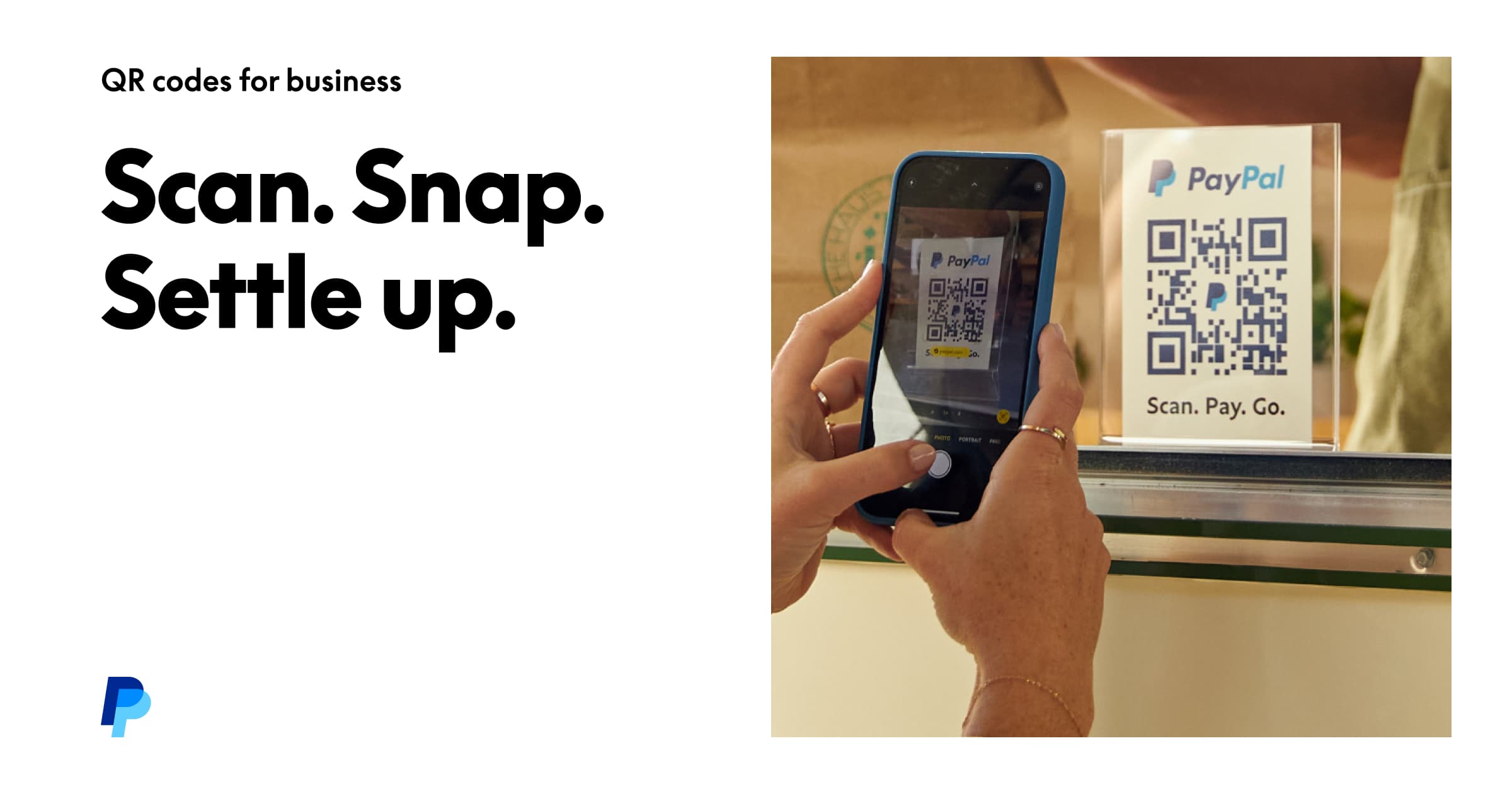
Begin by obtaining API credentials from your stablecoin payment processor. This usually involves generating an API key and secret within the provider’s developer dashboard. Store these credentials securely in your POS environment variables, never in hard-coded source files. Ensure your connection uses HTTPS to protect the handshake.
When a customer checks out, your POS must gather the necessary data: merchant ID, order ID, currency (e.g., USDC or USDT), and the exact amount due. Validate that the amount is positive and within the provider’s minimum transaction limits. Some providers require a timestamp or a unique nonce to ensure the QR code is fresh and cannot be reused after the session expires.
Send a POST request to the provider’s /generate-qr endpoint with your transaction payload. The API will return a JSON response containing a qr_data field. This data is typically a URI string (like crypto:address?amount=X&token=USDC) or a base64-encoded image. Handle any API errors, such as invalid amounts or rate limits, by displaying a clear message to the cashier.
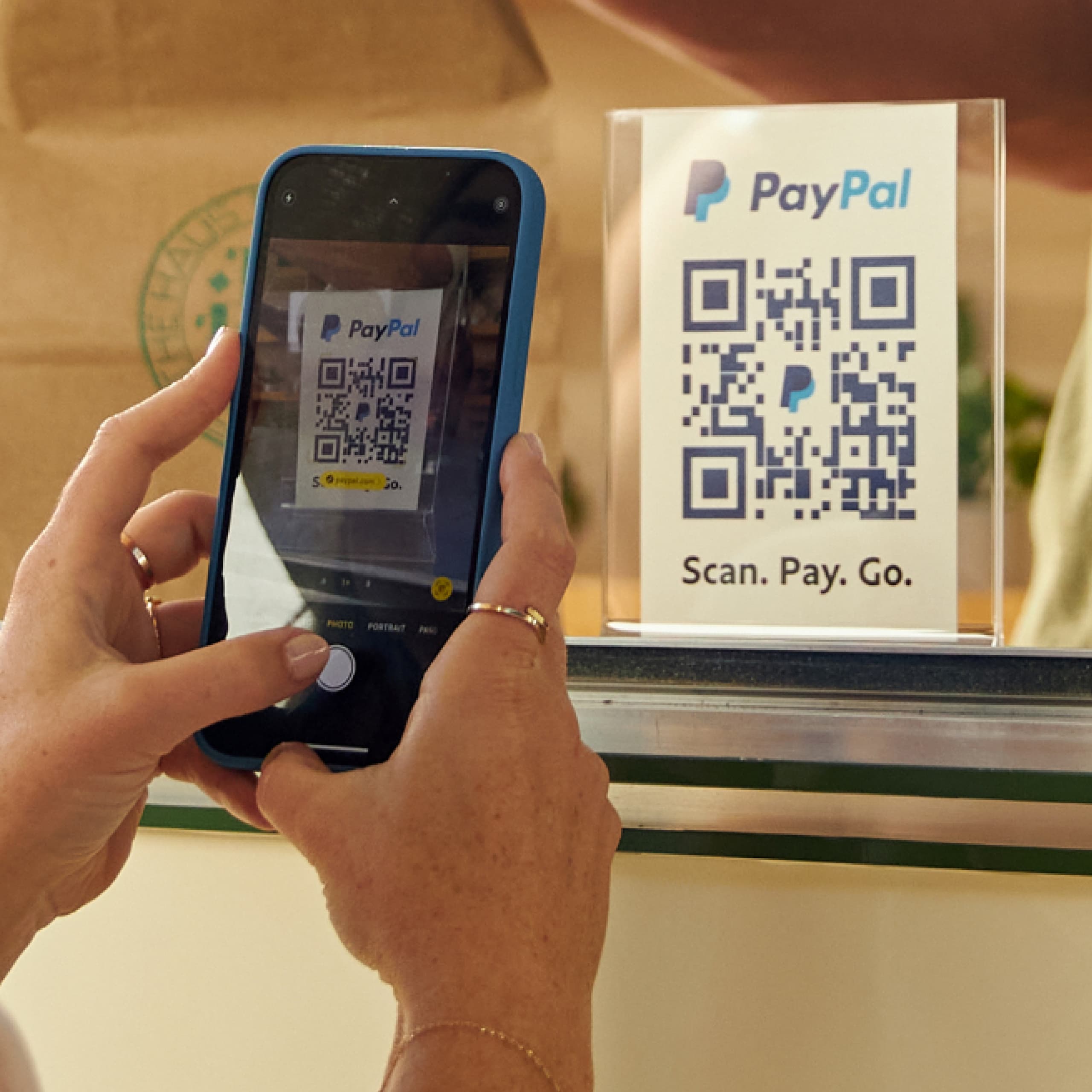
Render the returned qr_data on your POS screen or a dedicated customer-facing display. If the response is a URI string, use a QR library to convert it into a scannable image. If it is an image, display it directly. Ensure the code is large enough to be scanned easily in various lighting conditions. Set a timeout to refresh the code if the customer does not pay within a reasonable window, such as five minutes.
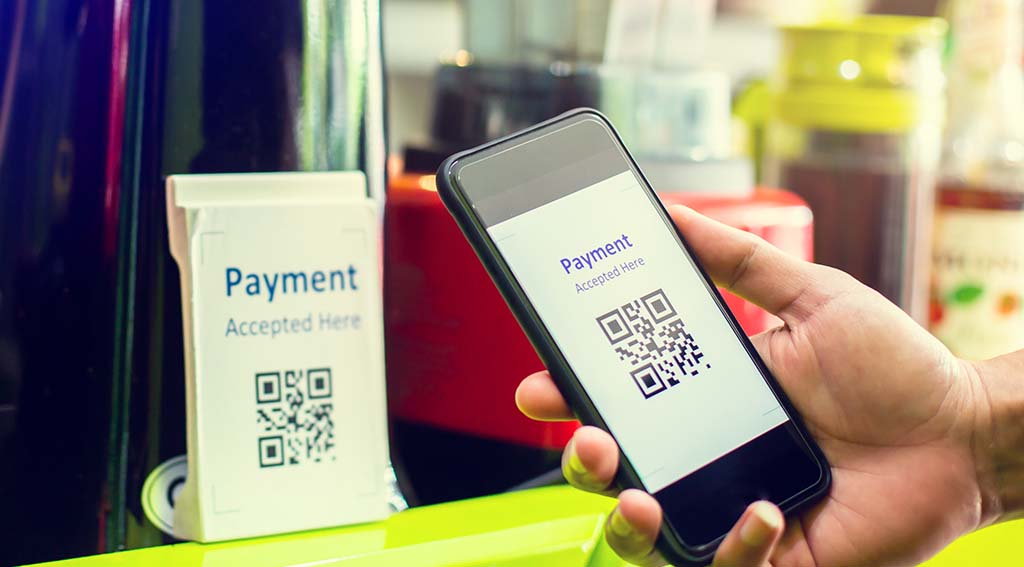
Set up a webhook or polling mechanism to listen for payment confirmation from the blockchain. Once the transaction is confirmed on-chain, update the order status in your POS to "Paid." Print the receipt and close the transaction. If no payment is received before the timeout, clear the QR code and prompt the cashier to retry or switch payment methods.
Below is an example of the API payload structure used to generate a stablecoin payment link. This JSON object includes the merchant identifier, the specific stablecoin token, and the transaction amount.
By following these steps, you ensure that your stable QR pay integration is secure, automated, and ready for 2026’s digital payment landscape.
Secure transactions with verification
Stable QR Pay relies on cryptographic finality, not just the visual scan. Once a customer scans the code, the transaction moves through a payment gateway to the blockchain or banking ledger. The merchant’s system must wait for this confirmation before releasing goods or services. Treating the scan as payment is a common vulnerability that leads to chargebacks and lost inventory.
To prevent fraud, your POS software should implement a two-step verification process. First, the system generates a dynamic QR code that changes every few seconds, preventing screenshot theft. Second, the backend waits for a specific number of network confirmations. For stablecoin transactions, this usually means waiting for the block to be sealed. For traditional banking rails, it means receiving a direct success callback from the processor.
Integrate webhook listeners into your business logic to handle these events asynchronously. When the payment provider sends a payment.success event, your system should update the order status immediately. If the event fails or times out, the order remains in a pending state, protecting your stock. This approach ensures that Stable QR Pay remains as secure as it is fast, eliminating the gap between visual confirmation and financial settlement.
Onboard customers with clear instructions
Adopting stable QR pay requires bridging the gap between your backend infrastructure and the customer’s daily habits. Even the most robust stablecoin payment gateway will fail if users cannot execute the transaction. Your primary goal is to reduce cognitive load, ensuring the payment process feels as frictionless as tapping a credit card.
Start by deploying physical and digital cues that guide the user through the scan-and-pay workflow. A simple, high-contrast sign at the point of sale prevents confusion. The sign should explicitly state "Scan to Pay with Crypto" and include a visual arrow pointing to the QR code. This visual anchor removes hesitation, signaling that the transaction is secure and supported by your business.
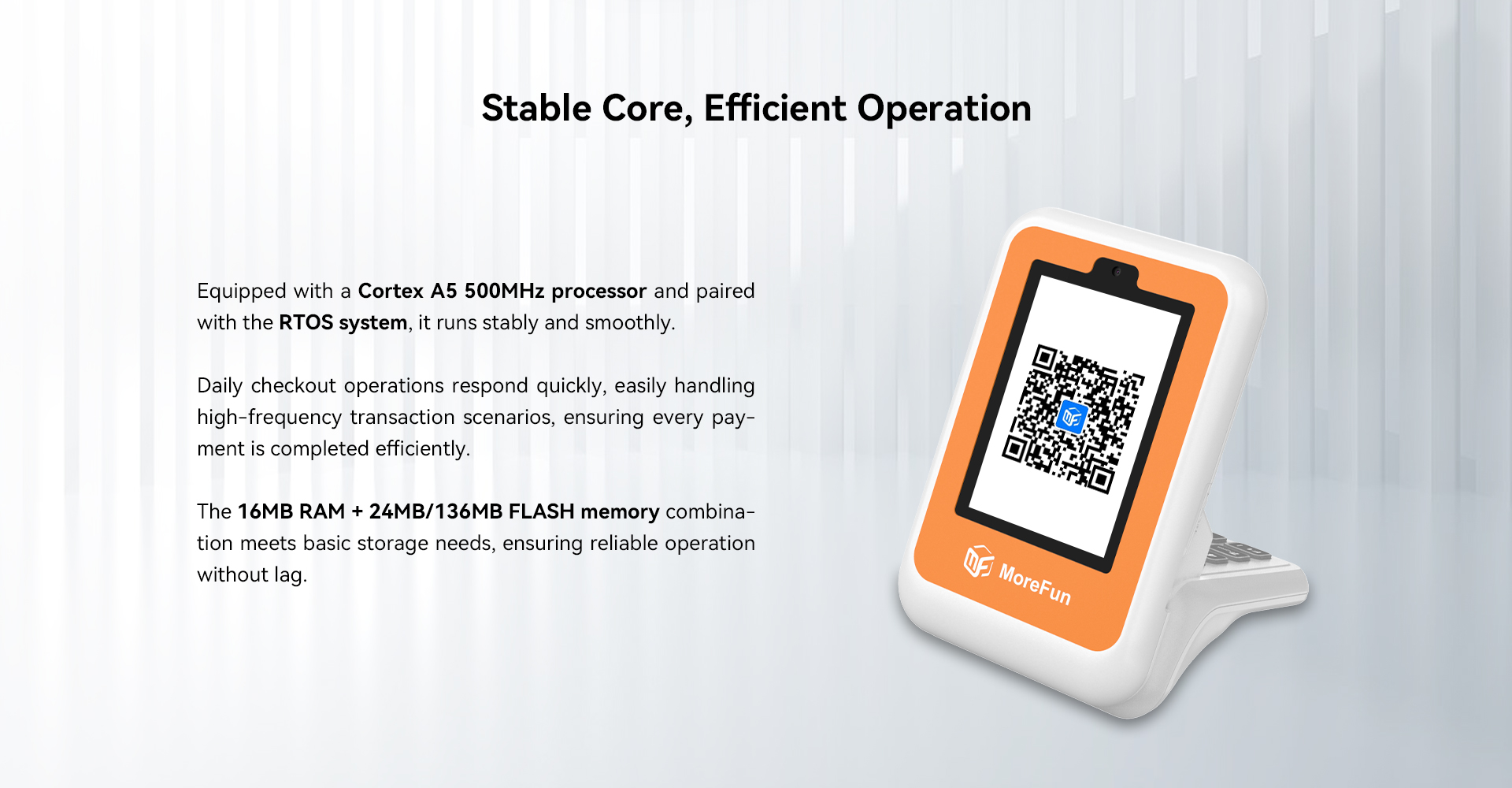
Position a dedicated QR payment sign at eye level near the register or on table tents. Include a brief instruction: "Open your wallet app, scan the code, and confirm." Avoid technical jargon like "ERC-20" or "gas fees" on the sign; keep the language transactional and simple.
Your frontline team must be comfortable demonstrating the process. Have them walk customers through the first few transactions, showing how to approve the payment in their digital wallet. This hands-on guidance builds trust and reduces anxiety for users unfamiliar with stablecoin transfers.
Ensure your POS system displays a clear "Payment Received" message or sound immediately after the blockchain confirms the transaction. This visual or auditory feedback reassures the customer that the stablecoin transfer is complete and the order is locked in.
To further streamline adoption, consider offering a small incentive for first-time digital wallet users. A discount of 1-2% for paying with stablecoins can accelerate trial, especially in markets where QR code payments are still emerging. As noted by industry analysts, the friction of learning new payment methods is the biggest barrier to entry, and tangible rewards help overcome it.
-
Signage printed with clear "Scan to Pay" instructions
-
Staff trained on wallet app navigation
-
POS confirmation screen tested and visible
-
First-time user incentive defined and communicated
Common stable qr pay: what to check next
Stable QR pay integrates digital currency with the universal QR standard, creating a settlement layer that is both fast and low-cost. While the technology is mature, business owners often ask how it compares to legacy systems and whether the adoption curve justifies the switch.
is qr payment the future
Digital payment methods gained significant momentum after 2020, and QR codes are central to this shift. Deloitte notes that more merchants are adopting QR options to make transactions faster and more accessible. For stable QR pay, this means you are building on a protocol that is becoming the default in many emerging and developed markets alike.
is qr payment better than credit cards
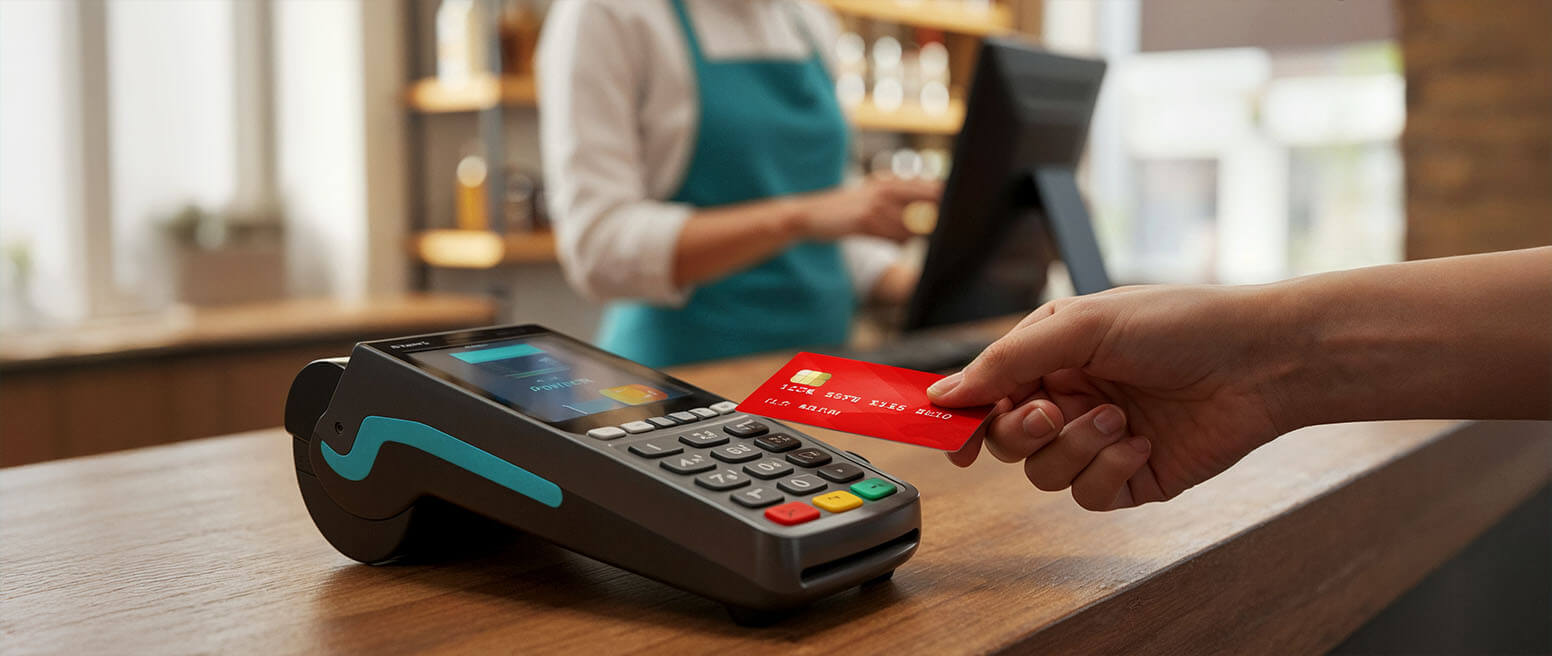
QR payments and credit cards serve different operational needs. QR codes offer contactless hygiene and eliminate the need for physical card terminals. However, high-volume businesses may find tap-to-pay credit cards faster for individual transactions. Stable QR pay shines when you need to avoid interchange fees or process cross-border payments without currency conversion delays.
does stable qr pay work offline
Most stable QR pay implementations require an internet connection to broadcast the transaction to the blockchain or payment processor. However, some systems use offline signing where the QR code contains a signed transaction payload. The merchant's device verifies the signature and broadcasts it once connectivity is restored. This reduces latency but requires robust fraud detection logic.
how secure is stable qr pay
Stable QR pay leverages blockchain transparency and cryptographic signatures, making it highly secure against chargebacks and fraud. Since the payment is settled in stablecoins or digital fiat, the value is fixed at the point of scan. This eliminates the risk of currency fluctuation during the transaction window, a common issue with traditional crypto payments.
No comments yet. Be the first to share your thoughts!