Why stable QR pay matters now
Traditional wire transfers are becoming a relic for cross-border remittances. Sending money home through legacy banking channels often means waiting days for settlement while paying hidden fees in foreign exchange spreads and intermediary bank charges. In 2026, stable QR payments offer a direct alternative that cuts these costs significantly.
The mechanism is straightforward. A sender uses a digital wallet to scan a QR code—such as Vietnam’s VietQR system—and pays in a stablecoin like USDC. The recipient receives the funds instantly in their local bank account or mobile wallet. This process bypasses the SWIFT network entirely, removing the need for multiple correspondent banks that traditionally slow down and expense the transfer.
For remittance senders, the savings are immediate. Instead of losing 5-10% to traditional transfer fees, users pay minimal network gas fees. This shift transforms remittances from a costly necessity into a more efficient tool for supporting families abroad, keeping more of the sender’s hard-earned money where it belongs.
Calculate your remittance savings
Traditional wire transfers and money order services often erode the value of your hard-earned money through hidden fees and poor exchange rates. Stable QR payments, such as Vietnam’s VietQR integration, cut these costs by processing transactions directly on the blockchain with minimal overhead.
Use the tool below to see how much you could save. Enter the amount you typically send, select your destination country, and input the average fee charged by your current provider.
This comparison highlights the financial advantage of stablecoin infrastructure. While traditional banks charge significant margins for cross-border settlements, stable QR systems offer near-instant finality at a fraction of the price. For high-volume senders, these savings compound quickly, preserving more capital for your recipients.
How stable QR pay works for merchants
Stable QR payments remove the friction of cross-border transactions by turning a simple scan into an instant local settlement. The process relies on a standardized QR protocol, such as Vietnam’s VietQR, which acts as the bridge between the sender’s stablecoin wallet and the merchant’s local bank account. This architecture ensures that merchants receive local fiat currency immediately, while the sender benefits from the speed and low fees of blockchain networks.
1. The customer scans the merchant’s code
The transaction begins when a customer opens their mobile wallet and scans a merchant’s QR code. These codes are typically static and displayed at the point of sale, similar to traditional card terminals. The code contains specific routing information that identifies the merchant’s digital wallet address. This step is identical to standard mobile payments, requiring no specialized hardware or internet connection beyond the customer’s smartphone.
2. Stablecoin transfer executes on the blockchain
Once the customer confirms the payment amount, their wallet initiates a transfer of stablecoins—digital assets pegged 1:1 to a fiat currency like the US dollar. Unlike traditional remittances that move through a chain of correspondent banks, this transfer occurs directly on a public blockchain. The transaction is validated by the network and typically settles in seconds. This decentralized step bypasses the slow clearinghouses that usually delay international money transfers.
3. The payment processor converts and settles
A payment processor sits between the blockchain and the merchant’s bank, handling the currency conversion. Upon receiving the stablecoin, the processor instantly converts it into the local fiat currency (such as Vietnamese Dong) and deposits it into the merchant’s bank account. This final step is critical for merchants, as it eliminates exchange rate risk and ensures they are paid in the currency they need for operations. The entire flow—from scan to settled funds—usually completes in under a minute.
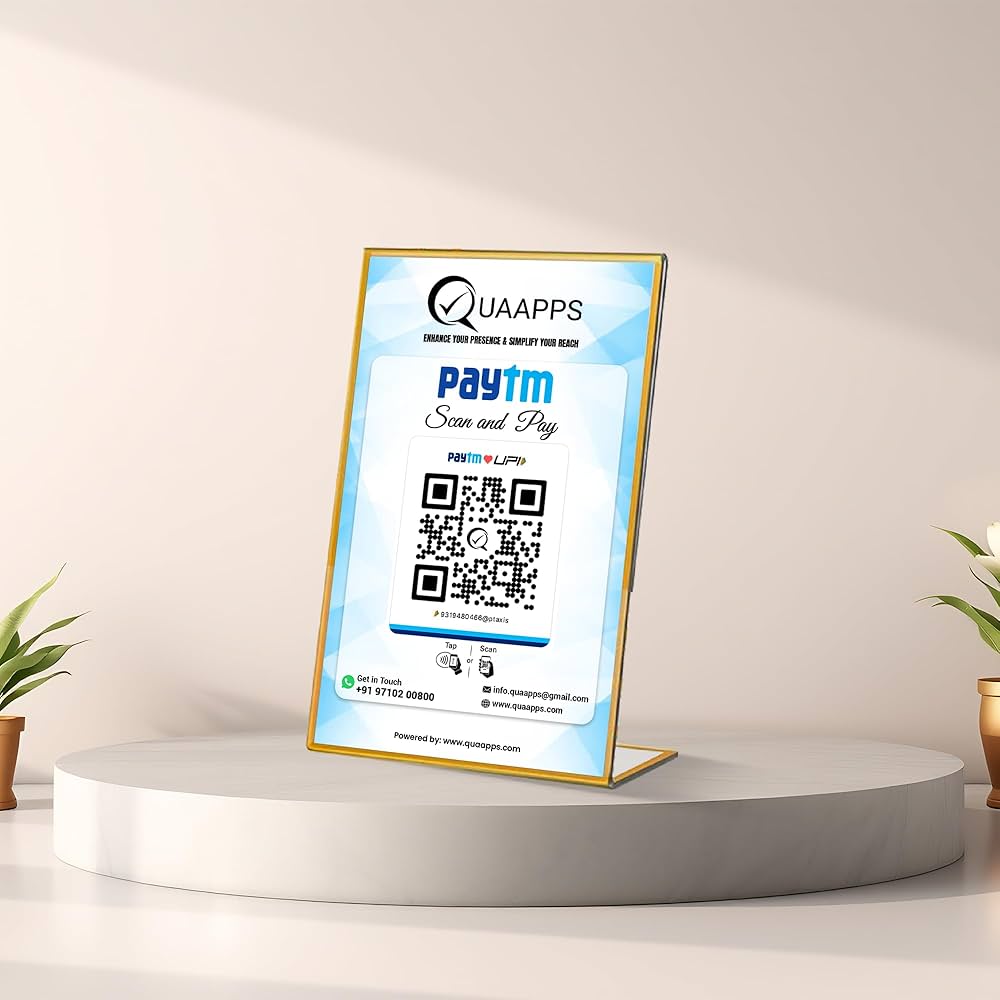
The customer uses their mobile wallet to scan the merchant’s static QR code, which displays the transaction details and amount.
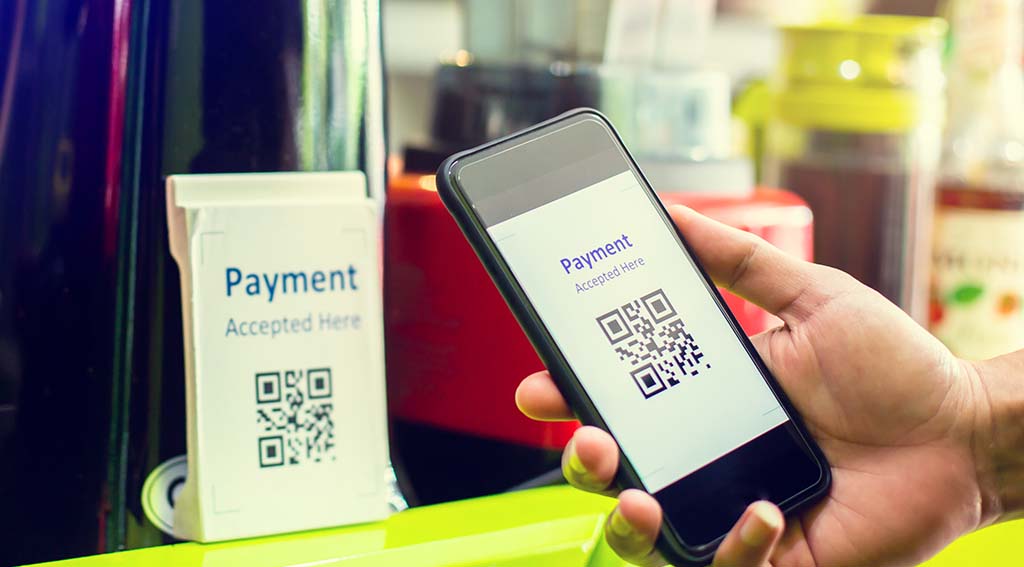
The customer authorizes the payment, sending stablecoins directly from their wallet to the payment processor’s address on the blockchain.
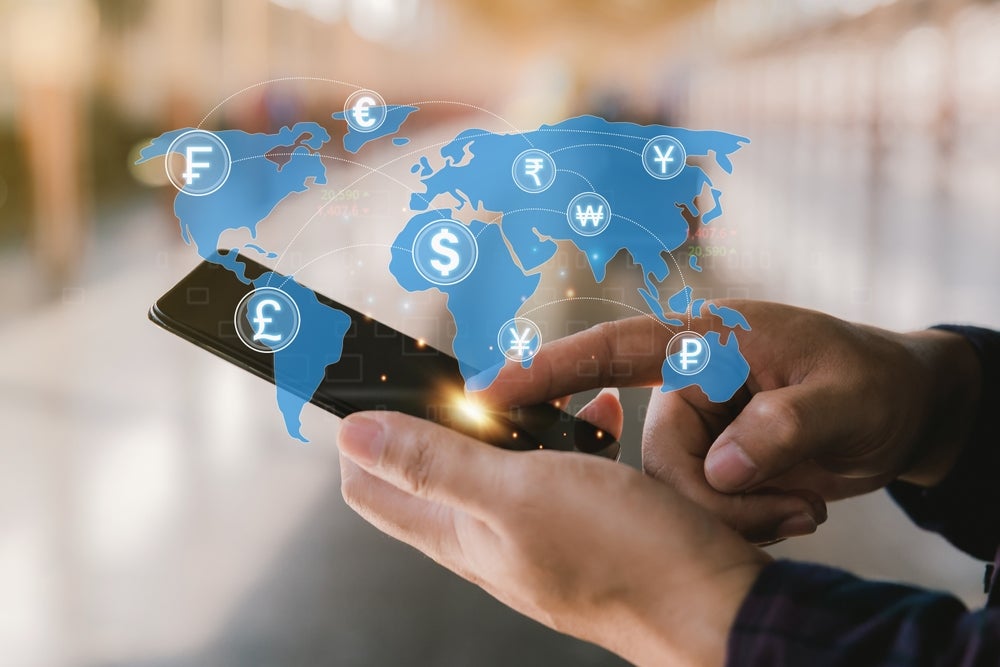
The processor converts the stablecoin to local currency and deposits the funds into the merchant’s bank account instantly.
This streamlined flow significantly reduces costs for remittance senders by cutting out multiple intermediaries. For merchants, it provides a reliable, low-fee alternative to traditional card networks, which often charge high foreign transaction fees. As adoption grows in markets like Vietnam, this technology is reshaping how small businesses handle international commerce.
How Stable QR Pay Cuts Remittance Costs in 2026
Sending money across borders has long been a trade-off between speed and cost. Traditional wires are reliable but expensive and slow. Mobile money is faster but can still carry hidden fees. Stable QR payments change the equation by offering near-instant settlement with significantly lower costs.
The difference is stark when you look at the numbers. Traditional SWIFT transfers often take 2-5 days and charge flat fees of $15-$50, plus poor exchange rates. Mobile money solutions like M-Pesa or local wallets reduce time to minutes but still impose transaction fees ranging from 2% to 5%. Stable QR pay, leveraging blockchain rails and standardized codes like Vietnam's VietQR, settles in seconds with fees under 1%.
Side-by-Side Comparison
The table below highlights the operational differences between these methods. For remittance senders, the gap in efficiency is not just about convenience—it's about preserving the value of the money being sent.
| Method | Speed | Cost | Accessibility |
|---|---|---|---|
| Traditional Wire (SWIFT) | 2-5 days | $15-$50 + spread | Bank branches only |
| Mobile Money | Minutes | 2%-5% fee | Mobile network coverage |
| Stable QR Pay | Seconds | <1% fee | Smartphone + QR code |
Why the Difference Matters
In high-stakes financial scenarios, every percentage point and every hour counts. A $100 remittance sent via SWIFT might arrive as $85 after fees and exchange rate spreads. The same amount sent via stable QR pay could arrive as $98 or more, arriving before the sender even finishes their coffee. This efficiency is why stable QR pay is becoming the preferred method for cross-border transactions in 2026.
Common mistakes in stablecoin QR setups
Even with low fees, a stablecoin QR payment can fail if the integration is not configured correctly. In high-stakes remittance corridors, a single error can lock funds or trigger unexpected costs. Merchants and payment gateways must ensure that every step of the QR flow matches the user's wallet and the chosen blockchain network.
Wrong network selection
The most frequent error is mismatching the blockchain network. If a sender scans a QR code generated on the TRC20 network (Tron) but pays from a wallet expecting ERC20 (Ethereum), the transaction will likely fail or result in lost funds. This is not a theoretical risk; it is a daily operational headache for cross-border remitters.
Always verify the network (e.g., TRC20, ERC20) matches the wallet and gateway to prevent lost funds.
To avoid this, the QR code must be dynamic, displaying the correct network address and currency type (e.g., USDT vs. USDC) for the specific recipient. Static QR codes that do not specify the network are dangerous for remittance use cases where users may switch wallets.
Lack of liquidity
Another common pitfall is assuming stablecoins are always instantly convertible. If a merchant accepts a stablecoin but their gateway lacks sufficient liquidity in that specific token, the payout to the local bank account can be delayed. In Vietnam, for example, VietQR integrations work smoothly because they link directly to local bank rails. Stablecoin QR setups must replicate this reliability by ensuring the payment processor can immediately settle funds in the local currency.
Ignoring fee structures
Finally, many setups ignore the fee structure of the underlying blockchain. While stablecoins are cheap, network gas fees can spike during congestion. A remittance sender might expect a $0.01 fee but encounter a $2.00 gas fee if the network is busy. Always display the estimated network fee at the point of scanning, so the sender knows the total cost before confirming the transaction. This transparency builds trust and prevents abandoned payments.
Frequently asked questions about stable QR pay
How does a QR payment work?
Most commonly, QR code payments are made via the customer's smartphone when they scan the code using the camera. Once scanned, the customer can authorize payment through a mobile wallet to complete the transaction. A vendor can also scan a QR code on their customer's phone. This process is faster than entering card details and works even with intermittent connectivity.
Is using stablecoins for remittances secure?
Stablecoins are pegged to fiat currencies like the US dollar, which reduces the volatility risk associated with cryptocurrencies. Transactions are recorded on a blockchain, providing a transparent and immutable ledger. For example, Vietnam's VietQR integration demonstrates how local infrastructure can securely handle these digital assets, ensuring that funds reach the recipient without the traditional banking delays.
Are there fees for sending money with stable QR pay?
Yes, but they are typically much lower than traditional wire transfers. While blockchain network fees (gas) apply, they are often fractions of a cent compared to the 5-10% fees charged by conventional remittance services. The cost savings are most significant for smaller, frequent transfers, making it a practical option for everyday remittance senders.
Do merchants need special equipment to accept stable QR payments?
No. Merchants only need a smartphone or a basic QR code scanner. The system relies on existing QR standards, such as those used in VietQR, meaning no new hardware investments are required. This low barrier to entry allows small businesses and informal merchants to participate in the digital economy immediately.
No comments yet. Be the first to share your thoughts!